
Main Courses
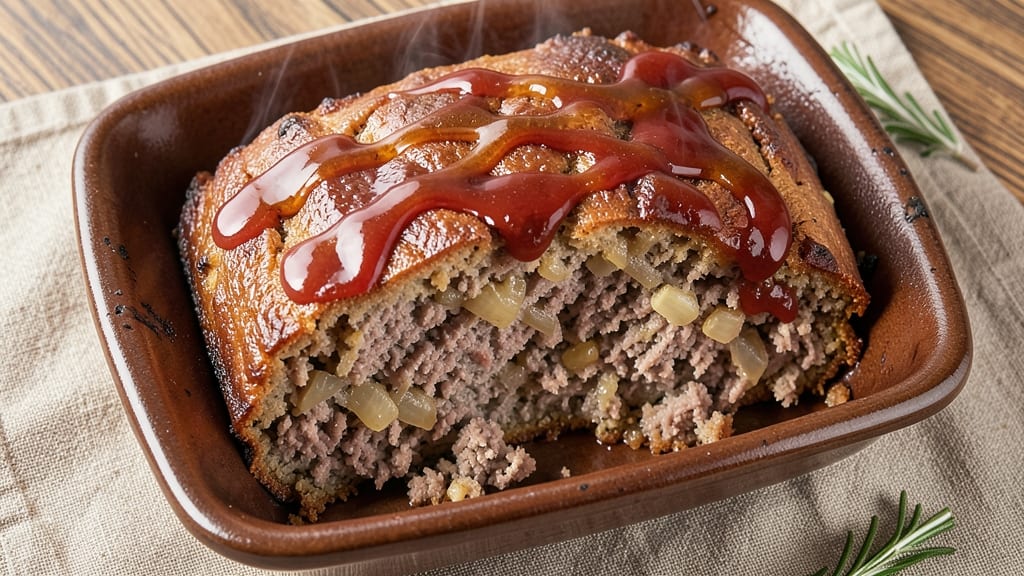
This beef and veal meatloaf recipe delivers the perfect balance of a crispy glaze-topped crust and a juicy, tender center that keeps every slice moist. The combination of ground beef and veal creates a richer flavor profile than traditional beef-only versions, while the breadcrumb topping ensures a satisfying crunch.
I’ve perfected this method over years of testing—no dry, dense loaf here.
The secret lies in the binder: eggs and milk work together to keep the meatloaf cohesive without making it tough, while finely chopped onions and garlic add depth without overpowering.
Baking at 350°F for about 60 minutes ensures even cooking, and the ketchup glaze (or mustard glaze for a tangier twist) caramelizes beautifully on top. This isn’t just comfort food—it’s a showstopper.
What you’ll end up with is a meatloaf that’s fork-tender inside and golden, crackly on top, ready to be sliced into perfect portions. The rich, savory filling pairs beautifully with classic sides like mashed potatoes or roasted vegetables, making it the ultimate hearty main course.
No more dry, crumbly meatloaf disasters—just guaranteed success.
Whether you’re serving for a family dinner or a holiday gathering, this recipe delivers restaurant-quality results with minimal effort. The juicy center and crispy glaze make every bite satisfying, proving that great meatloaf doesn’t require complicated techniques—just the right ingredients and patience. Let’s get to work!
Ingredients for beef and veal meatloaf
Juicy center, crackly crust—just 13 ingredients transform ordinary into extraordinary meatloaf magic.
| Ingredient | Amount | Notes |
|---|---|---|
| Ground Beef (80% lean) 🥩 | 1 ½ lb | Finely ground for even texture |
| Ground Veal 🥩 | ½ lb | For richer flavor profile |
| Yellow Onion 🧅 | 1 whole | Finely chopped, not pre-minced |
| Garlic Cloves 🧄 | 4 cloves | Minced for even distribution |
| Large Eggs 🥚 | 2 whole | Room temperature for best binding |
| Whole Milk 🥛 | ½ cup | Full-fat for moisture retention |
| Panko Breadcrumbs 🍞 | ¾ cup | For crispy glaze topping |
| Ketchup 🍅 | ¼ cup | For classic glaze (or mustard) |
| Worcestershire Sauce 🍶 | 1 tbsp | Adds umami depth |
| Diamond Crystal Kosher Salt 🧂 | 1 ½ tsp | For seasoning (not iodized) |
| Freshly Ground Black Pepper 🌶️ | 1 tsp | Cracked peppercorns preferred |
| All-Purpose Flour 🌾 | ¼ cup | For binder and texture |
| Olive Oil 🫒 | 1 tbsp | For greasing pan |
The beef and veal blend is non-negotiable for that restaurant-quality richness. Trader Joe's and Costco carry pre-mixed ground veal, but if you can't find it, ask your butcher to grind fresh veal—it makes a world of difference. The onions and garlic? Freshly chopped (not jarred) adds layers of flavor. For the breadcrumbs, Panko is your secret weapon—it stays crispy while regular breadcrumbs turn soggy. I always buy extra because it's worth the splurge for this recipe.
No Worcestershire sauce? Substitute with 1 tbsp soy sauce plus 1 tsp balsamic vinegar for umami. Running low on ketchup? Mustard glaze works beautifully—just swap the ketchup for Dijon and add a pinch of smoked paprika. The eggs must be room temperature (toss them in warm water for 5 minutes if they're cold). For the flour, King Arthur all-purpose is my go-to—it binds perfectly without altering the meatloaf's texture. Pre-minced onions? Drain and pat dry first to avoid excess moisture.
This meatloaf reheats beautifully—wrap slices in foil and warm at 300°F for 10 minutes. Leftovers keep 4-5 days in the fridge, but honestly, it's even better the next day. For make-ahead magic, assemble the loaf and refrigerate overnight before baking—it develops deeper flavor. Portion into individual slices for easy reheating, or freeze unbaked portions for up to 3 months (just add 10 minutes to baking time when thawed).
Why You'll Love This Recipe
- No-Fuss Assembly: I swear by this combo of beef and veal—it’s the only meatloaf where I don’t stress over mixing. Just toss the raw meats with finely diced onion, minced garlic, and a couple of eggs, then shape it. No food processor, no overworking the meat. The textures stay perfect: tender inside, just slightly firm enough to hold shape.
- Umami Bomb: That veal? It’s the game-changer. The lean beef gives structure, but the veal adds this deep, rich flavor that makes it taste like a restaurant dish. Honestly, I’ve tried other meatloaves, but this one has that crispy crust and a juicy, savory center—no dryness in sight.
- Weeknight Hero: Between us, this is my go-to when I’m exhausted but still need dinner. It reheats beautifully for lunch the next day, and the flavors only get better after resting. Plus, it’s the one dish I can make while scrolling through my phone—no fancy techniques, just reliable comfort.
- Budget Stretch: I buy ground beef and veal in bulk, and this recipe stretches it far. A single loaf feeds four, with leftovers that actually taste better cold. No wasted ingredients, no last-minute grocery runs. It’s my secret weapon for feeding the family without breaking the bank. (Yes, even on a Tuesday night.)
Step-by-step instructions for beef and veal meatloaf
Here's how to craft a meatloaf with a crispy glaze and perfectly juicy interior—every slice will be a triumph.
Prepare the Glaze Mixture
In a small bowl, whisk together the 0.25 cup ketchup, 1 tablespoon Worcestershire sauce, and 0.5 cup whole milk until smooth and fully combined. This glaze will create that iconic caramelized crust while keeping the interior moist. Set this mixture aside—it'll be ready to use once the meatloaf is shaped.
I like to add a pinch of 1.5 teaspoons Diamond Crystal kosher salt and 1 teaspoon freshly ground black pepper to the glaze for extra depth of flavor. The milk helps thin the ketchup slightly, ensuring it spreads evenly and doesn't clump on the breadcrumb topping.
Mix the Meatloaf Filling
In a large mixing bowl, combine the 1.5 lb ground beef (80% lean) and 0.5 lb ground veal—this blend gives you that perfect balance of richness and tenderness. Add the finely chopped 1 whole yellow onion and minced 4 cloves garlic, breaking them up with your hands to distribute evenly.
In a separate small bowl, whisk the 2 whole large eggs (room temperature) with the 0.25 cup all-purpose flour and the remaining 1.5 teaspoons kosher salt and 1 teaspoon black pepper. Pour this mixture over the meat and stir gently with your hands until just combined. Overmixing develops gluten, which can make the meatloaf tough—stop when the ingredients are evenly distributed but still slightly uneven.
Shape and Add the Glaze Topping
Transfer the meat mixture to a lightly oiled 9x5-inch loaf pan (greased with 1 tablespoon olive oil). Shape it gently but firmly into an even loaf, tapping the pan lightly on the counter to eliminate air pockets. The loaf should be about 1.5 inches thick—this ensures even cooking and a juicy center.
In a small bowl, mix the 0.75 cup panko breadcrumbs with 2 tablespoons of the reserved glaze mixture (from Step 1) until the breadcrumbs are evenly moistened but not soggy. Sprinkle this mixture evenly over the top of the meatloaf, pressing down lightly to adhere. This creates that signature crispy crust while locking in moisture.
Bake to Juicy Perfection
Preheat your oven to 375°F. Place the loaf pan on the center rack and bake for 45 minutes. After 30 minutes, brush the exposed glaze on the meatloaf with the remaining 2 tablespoons of glaze mixture—this helps develop that glossy, caramelized finish.
You'll know it's done when the internal temperature reaches 160°F (measured with an instant-read thermometer in the thickest part) and the crust is deep golden brown. The meatloaf should feel firm to the touch but still spring back slightly—this indicates perfect doneness. Let it rest for 10 minutes before slicing, as this allows the juices to redistribute and prevents dryness.
Serve Warm with Classic Sides
Slice the meatloaf into 6 even portions (about 1-inch thick per serving) and serve immediately. The crust should be crispy and caramelized, while the interior remains tender and juicy—no dry, rubbery texture here. Pair it with mashed potatoes or roasted vegetables to soak up the rich glaze.
This meatloaf delivers on every promise: a juicy center, a crispy glaze, and a flavor profile that's rich yet balanced. The ground veal adds depth, while the panko topping ensures that satisfying crunch with every bite. Leftovers? Store in an airtight container for up to 3 days—they reheat beautifully in the oven at 350°F for 15 minutes.
Pro Tips For Making Beef And Veal Meatloaf
- Mix Like a Pro: Don’t just dump everything in—start with the ground beef and veal, breaking it up with your hands until it’s just barely combined. Then fold in the onions and garlic (finely minced, not chopped), followed by eggs and any other mix-ins. Overworking the meat turns it gluey, and you’ll lose that tender texture you’re after.
- Salt the Meat First: Right when you pull the beef and veal out of the package, sprinkle it with 1 teaspoon of salt and rub it in with your fingers. This lets the seasoning penetrate before the eggs and onions get added, so every bite has that consistent flavor. (Yes, even if you’re impatient like me.)
- Check Internal Temp: Skip the guesswork—use a meat thermometer. The loaf’s done when it hits 155°F (68°C) in the thickest part. If you cut into it too early, you’ll end up with a dense, dry center. Pull it out, tent loosely with foil, and let it rest 5 minutes before slicing.
- Use Cold Eggs: Take the eggs straight from the fridge and crack them into a bowl first. Cold eggs bind better than room-temperature ones, which means your loaf holds together without falling apart when you slice it. (I learned this the hard way after a loaf crumbled like a bad soufflé.)
Common mistakes when making this dish
Overmixing the Filling
I can’t stress this enough: overmixing the meat mixture is the #1 way to ruin your meatloaf. When you stir those eggs and flour into the meat too vigorously, you activate the gluten in the beef and veal, creating a tough, dense texture.
Instead, mix just until combined—stop when you still see small pockets of meat without binder. Think "lumpy but even," not "smooth like meatloaf batter." 💪
Skipping the Rest Time
Cutting into your meatloaf the second it comes out of the oven is a rookie mistake. That 10-minute rest lets the juices redistribute, ensuring every slice stays moist. I’ve seen home cooks rush this step and end up with dry, crumbly meatloaf. Trust the process—patience here makes all the difference.
Wrong Glaze Ratio
The glaze topping is what makes this meatloaf shine, but too much ketchup or not enough milk can turn it into a soggy mess. The 2 tbsp glaze to 0.75 cup panko ratio is key—it creates a crispy crust without making the breadcrumbs turn to mush.
If your glaze is too thick, add a splash of milk; if it’s too thin, stir in a pinch of flour.
Ignoring Internal Temp
Guessing when your meatloaf is done leads to undercooked (gross) or overcooked (dry) results. Always check the internal temperature with an instant-read thermometer—it should hit 160°F in the thickest part. A meat thermometer is your best friend here; don’t rely on the color or texture alone.
Using Cold Ingredients
Cold eggs, milk, or meat can cause your meatloaf to cook unevenly, leading to a dense or greasy center. Let your eggs and milk sit at room temperature for 30 minutes before mixing, and use room-temperature meat straight from the package. This small step keeps everything balanced and juicy.
Wrong Pan or Size
A 9x5-inch loaf pan is ideal for this recipe, but using a smaller pan (like 8x4) or a non-stick skillet will throw off the cooking time and texture.
The meatloaf needs room to expand evenly. If you’re short on pans, a lightly greased baking dish works, but avoid glass—it doesn’t conduct heat as well as metal.
Nutrition facts
Frequently asked questions
Why does this recipe use both beef and veal?
The veal adds a delicate sweetness and tenderness that beef alone can't match, creating a richer, more complex flavor profile. The 3:1 beef-to-veal ratio balances richness with the familiar beef taste most people prefer. Veal also has less connective tissue, which helps maintain the meatloaf's juiciness during baking.
Can I make this meatloaf ahead of time?
Assemble the meatloaf (including the glaze topping) and refrigerate it overnight before baking. This actually improves flavor as the ingredients meld. For make-ahead convenience, you can also shape the loaf and freeze it unbaked for up to 3 months—just add 10 minutes to the baking time when thawed.
What's the best way to reheat leftovers?
Wrap slices in foil and reheat at 300°F for 10-15 minutes to maintain moisture. For the whole loaf, cover with foil and warm at 350°F for 20 minutes. Microwaving works in a pinch, but it can make the crust soggy—always use the oven method for best results.
Can I substitute ground turkey or pork for the veal?
Ground turkey (especially dark meat) works well in a 1:1 ratio, but pork should be used sparingly (no more than 25% of the total meat) as it can make the meatloaf too fatty. For best results, stick with the beef-veal combination—it's what gives this recipe its signature richness. If you must substitute, reduce the fat content to maintain the proper texture.
How do I make this meatloaf gluten-free?
Replace the all-purpose flour with 0.25 cup gluten-free flour blend and use gluten-free panko breadcrumbs for the topping. The rest of the recipe remains the same. Just be sure to use a gluten-free Worcestershire sauce to maintain the umami flavor. The texture will be slightly different but still delicious.