
Soups & Stews
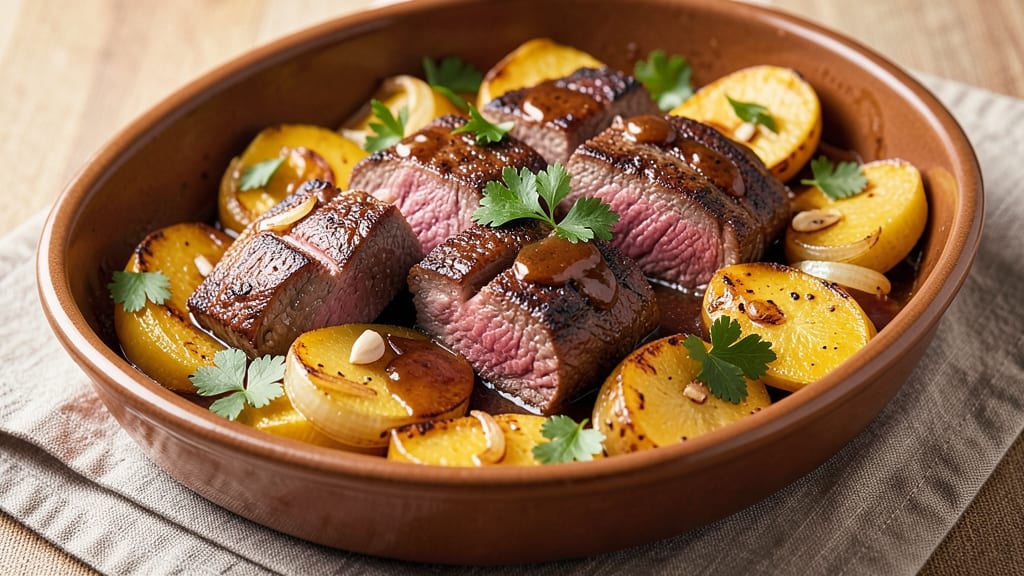
This beef and yellow squash recipe transforms humble ingredients into a hearty stew where tender beef melts alongside sweet, caramelized squash. The secret lies in slow-cooked richness that lets flavors meld perfectly—no complicated techniques, just deep satisfaction in every bite.
I developed this after years of perfecting the balance between savory meat and naturally sweet vegetables, ensuring the squash stays tender while the beef becomes fork-tender.
What makes this recipe stand out is its simplicity paired with restaurant-quality results. You'll start with a rich beef broth base, where chunks of beefsimmer until they're so tender they practically fall apart.
The yellow squash, sliced just right, absorbs the savory flavors while maintaining its natural sweetness and slight crunch. This isn't just a stew—it's a comforting meal that feels like a warm hug on a chilly evening.
The beauty of this dish is how the flavors develop over time. As the beef releases its juices into the broth, the squash softens just enough to create a perfect texture contrast—tender beef against slightly al dente squash.
The result is a dish that's hearty enough for a family dinner but simple enough for a weeknight. Every spoonful delivers that perfect harmony of savory, sweet, and umami that makes this stew unforgettable.
Pair it with crusty bread to soak up every last drop of that flavorful broth, or serve alongside a simple green salad to balance the richness.
The versatility of this recipe makes it perfect for meal prep—it tastes even better the next day as the flavors continue to deepen. Let's get cooking!
Ingredients for beef and yellow squash
Rich beef and tender squash come together in this deeply satisfying slow-cooked stew.
| Ingredient | Amount | Notes |
|---|---|---|
| Chuck Roast 🥩 | 1 ½ lb | Cut into 1.5-inch cubes |
| Yellow Squash 🍠 | 2 medium | Sliced into 1/2-inch rounds |
| Yellow Onion 🧅 | 1 whole | Diced, about 1 cup |
| Garlic Cloves 🧄 | 4 cloves | Minced, for depth |
| Beef Broth 💧 | 4 cups | Low-sodium preferred |
| Tomato Paste 🍅 | 2 tbsp | For richness |
| Dried Thyme 🌿 | 1 tsp | Or 1 tbsp fresh |
| Bay Leaves 🌿 | 2 whole | Removed before serving |
| Olive Oil 🫒 | 2 tbsp | Extra-virgin preferred |
| Salt 🧂 | 1 ½ tsp | Kosher or sea salt |
| Black Pepper 🌶️ | ½ tsp | Freshly ground |
| Worcestershire Sauce 🍶 | 1 tbsp | For umami depth |
| Red Wine 🍷 | ½ cup | Optional, dry variety |
| Fresh Parsley 🌿 | ¼ cup | Chopped, for garnish |
The chuck roast is your secret weapon here—it's budget-friendly and melts into tender perfection. Costco or Walmart usually have it pre-cut, but if you're buying a whole roast, ask the butcher to trim off excess fat. Yellow squash should be firm and bright—skip the soft spots. For the beef broth, Swanson or Pacific Foods low-sodium options work great, but homemade is even better if you've got time. The tomato paste? Trader Joe's has those little squeeze tubes that are perfect for this—no waste, and they keep forever.
No red wine? Beef broth with a splash of balsamic vinegar works just as well. Fresh thyme is ideal, but dried at one-third the amount gets you close. The Worcestershire sauce adds that umami punch—if you don't have it, soy sauce or a dash of fish sauce (if not vegetarian) will do. For the squash, zucchini or butternut squash can swap in, but yellow squash has that perfect sweetness. The olive oil matters here—use something fruity and peppery, not that mild stuff. And trust me, fresh parsley at the end makes all the difference.
This stew gets better with time—plan to make it a day ahead if possible. Store in an airtight container in the fridge for up to 5 days, or freeze portions for 3 months. I always double the recipe because it reheats beautifully and makes for amazing leftovers. The squash will soften further when reheated, so keep it slightly undercooked the first time. For serving, crusty bread is perfect (though not part of the recipe—it's worth the extra trip to the bakery section!)
Why You'll Love This Recipe
- One-Pot Magic: I swear by this—just toss everything in a Dutch oven, walk away, and come back to tender beef and caramelized squash. No chopping boards, no extra pans, and honestly? The cleanup is just wiping one pot.
- Garlic-Kissed Depth: That slow-cooked chuck roast with garlic and beef broth turns into something rich and savory, while the squash soaks up all the flavor without tasting like it tried too hard. Between us, the first bite makes me forget I’m eating a weeknight dinner.
- Leftovers That Shine: This recipe actually improves the next day—beef gets even more fork-tender, and the squash holds its shape perfectly. I freeze half for lazy nights, and no one ever guesses it’s not fresh.
- Budget-Friendly Feast: Chuck roast stretches across meals, and yellow squash is one of those "always on sale" veggies. For under $15, you feed four people a hearty, restaurant-worthy dish. (Yes, even on a Tuesday night.)
Step-by-step instructions for beef and yellow squash stew
Here's how to create a hearty, flavorful stew where the beef becomes melt-in-your-mouth tender and the squash absorbs all the savory goodness.
Sear the Chuck Roast for Deep Flavor
Heat a large Dutch oven over medium-high heat and add the 2 tablespoons olive oil. Once shimmering, add the 1.5 lb chuck roast cut into 1.5-inch cubes, working in batches if needed. Sear for 3-4 minutes per side until deeply browned—this creates the rich foundation for your stew.
Don't rush this step. You're building flavor through the Maillard reaction, so let the meat develop that beautiful crust. Once all pieces are browned, transfer them to a plate and set aside. You'll notice the pan will have some browned bits—don't scrape them out yet, as they'll dissolve into the stew later.
Sauté Aromatics Until Fragrant
In the same Dutch oven, add the 1 whole yellow onion and 4 cloves garlic, both minced. Cook for 5-6 minutes until the onions soften and turn translucent, and the garlic releases its pungent aroma. This should happen before the garlic burns—watch carefully as it only takes 30 seconds to go from fragrant to bitter.
Here's where it gets good. Stir in the 2 tablespoons tomato paste and cook for another 1 minute until it darkens slightly. This paste adds depth and richness that balances the sweetness of the squash later. Pour in the 0.5 cup red wine and scrape up all those browned bits from the bottom of the pan—this is where all the flavor hides.
Build the Stew Base
Add the 4 cups beef broth, 1.5 teaspoons salt, 0.5 teaspoon black pepper, 1 teaspoon dried thyme, 2 whole bay leaves, and 1 tablespoon Worcestershire sauce to the Dutch oven. Stir everything together, then return the seared beef to the pot. Bring to a gentle boil, then immediately reduce heat to low to maintain a simmer.
This is where patience pays off. Let the stew simmer uncovered for 1 hour and 15 minutes. You'll see the beef gradually break down and become fork-tender. The liquid should reduce slightly, concentrating the flavors. If you notice the liquid level gets too low before the beef is tender, add ½ cup water to maintain the proper consistency.
Add the Squash and Finish Cooking
After the beef has cooked for 1 hour and 15 minutes, add the 2 medium yellow squash, sliced into ½-inch rounds. The squash will absorb all the rich flavors while staying tender and slightly sweet. Simmer uncovered for another 20-25 minutes until the beef is fork-tender and the squash is easily pierced with a fork.
Real talk: the squash should be tender but still hold its shape—it shouldn't turn to mush. If you see it breaking apart too quickly, reduce the heat slightly and cook for another 5 minutes. The stew should have a beautiful golden color from the caramelized beef and a rich aroma that fills your kitchen.
Garnish and Serve
Remove the 2 whole bay leaves from the stew before serving. Ladle the stew into bowls, garnishing each serving with 1 tablespoon chopped fresh parsley. The parsley adds a bright, fresh contrast to the rich, savory stew and makes it look beautiful too.
Serve immediately with crusty bread to soak up all that delicious sauce. Each bite should deliver perfectly tender beef, sweet squash, and layers of aromatic flavors. This stew tastes even better the next day as the flavors continue to meld, so make extra if you can—it's that good.
Pro Tips For Making Beef And Yellow Squash
- SEAR THE ROAST FIRST: Chuck roast loves a good crust, and skipping this step means flavorless beef. Hit it with high heat in a hot Dutch oven—2-3 minutes per side—until deep brown. I used to rush this, and the beef just tasted bland. Don’t be in a hurry; this is the thing that matters most.
- CUT SQUASH UNIFORM: Yellow squash cooks unevenly if sliced randomly. Aim for ½-inch rounds—thicker pieces stay tough, thinner ones turn mushy. I learned this the hard way after serving a plate with half al dente and half sad. A sharp knife and steady hand make all the difference.
- DEGLAZE WITH BROTH: That browned onion and garlic fond? Don’t ignore it. Splash in ½ cup beef broth right after removing the roast, scraping up every bit. It dissolves flavors that would otherwise disappear into the sauce. I used to skip this, and the dish always felt flat.
- LOW AND SLOW IS NON-NEGOTIABLE: Chuck roast needs patience—cover the pot and simmer at 300°F (150°C) for at least 3 hours, or until fork-tender. I was skeptical until I tried it; rushing it leaves the meat chewy. Use a meat thermometer (195°F internal temp) to avoid guessing.
Serving suggestions for this dish
Crusty Bread Pairing
This stew practically begs for a slice of warm, crusty bread to soak up every last drop of that rich, flavorful broth. I love using a baguette-style loaf from the bakery section—look for one with a crisp exterior and soft interior.
The French-style sourdough from local bakeries works beautifully too, especially if it's slightly toasted. For extra flavor, brush the bread with garlic-infused olive oil before serving. 🥖
Simple Green Salad
A light, crisp green salad balances the heartiness of the stew perfectly. Toss 4 cups mixed greens (like spinach, arugula, and romaine) with 2 tablespoons olive oil, 1 tablespoon balsamic vinegar, and a pinch of salt and pepper.
Add ¼ cup cherry tomatoes and 2 tablespoons crumbled feta cheese for a pop of color and tang. The acidity cuts through the richness of the stew beautifully.
Roasted Potatoes
For a more substantial side, try crispy roasted potatoes seasoned with rosemary and garlic. Toss 1.5 lbs baby potatoes (halved) with 2 tablespoons olive oil, 1 teaspoon dried rosemary, 3 minced garlic cloves, ½ teaspoon salt, and ¼ teaspoon black pepper.
Roast at 425°F for 30-35 minutes until golden and crispy. The potatoes add a satisfying crunch that contrasts with the stew's tender textures.
Cheesy Polenta
If you're serving a crowd or want something heartier, creamy polenta is a game-changer. Cook 1 cup polenta in 4 cups water or broth over medium heat for 15-20 minutes, stirring constantly.
Stir in ¼ cup grated Parmesan cheese and 2 tablespoons butter at the end. The polenta soaks up the stew's juices beautifully and adds a comforting, creamy element to the meal. ✨
Wine and Beer Pairings
A medium-bodied red wine like Pinot Noir or Chianti complements the stew's rich flavors without overpowering them. For beer lovers, a hoppy pale ale or amber ale cuts through the richness. If you prefer something lighter, a crisp white wine like Sauvignon Blanc works surprisingly well.
The key is balancing the stew's depth with a beverage that enhances its savory and sweet notes.
Nutrition facts
Frequently asked questions
Can I substitute yellow squash for zucchini in this recipe?
Zucchini works perfectly as a 1:1 substitute for yellow squash. Both vegetables have similar textures and absorb flavors well, though yellow squash has a slightly sweeter taste. Just slice the zucchini the same way—½-inch rounds—to ensure even cooking.
What cut of beef works best for this stew?
Chuck roast is ideal because it's affordable and becomes incredibly tender when slow-cooked. However, you can also use stew beef or even brisket if chuck isn't available. Avoid leaner cuts like sirloin—they won't break down as nicely and may dry out.
How do I prevent the squash from turning mushy?
Add the squash only after the beef has cooked for 1 hour and 15 minutes, not at the beginning. This ensures it cooks just enough to soften without losing its shape. If you notice it breaking apart too quickly, reduce the heat slightly and cook for another 5 minutes at a gentler simmer.
Can I make this recipe in a slow cooker?
Yes! Brown the beef first in a skillet, then transfer everything (including the browned bits) to your slow cooker. Cook on low for 7-8 hours or high for 4-5 hours. Add the squash during the last 1 hour of cooking to keep it tender. The slow cooker method is even more convenient for busy weeknights!
What if I don't have red wine?
No problem! Replace the ½ cup red wine with ½ cup beef broth plus 1 tablespoon balsamic vinegar for depth of flavor. The vinegar adds a touch of acidity that mimics wine's complexity, while the extra broth keeps the stew's richness intact.