
Soups & Stews
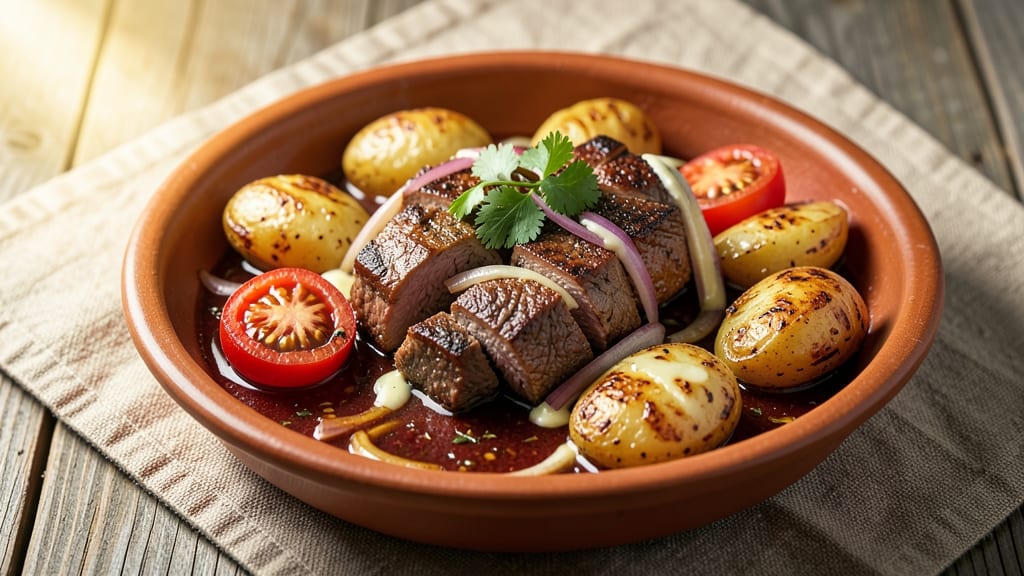
This beef bihari recipe delivers the bold, tangy flavors of North Indian cuisine in one deeply satisfying bowl. The dish combines tender beef with spiced potatoes in a rich, tamarind-infused gravy that balances sweet, sour, and spicy notes perfectly.
What sets it apart is the layered complexity—caramelized onions, toasted spices, and a touch of yogurt that mellows the heat while keeping the dish vibrant.
The recipe begins with marinating beef in yogurt and spices, ensuring deep flavor penetration before slow cooking transforms tough cuts into melt-in-your-mouth pieces. Potatoes absorb the aromatic gravy, becoming tender yet firm enough to hold their shape.
The tamarind adds that signature tangy depth, while garam masala ties everything together with warmth.
By the time you serve this dish, you’ll have a restaurant-quality stew that’s hearty enough for a family dinner but elegant enough for guests. The aroma alone—spiced beef, caramelized onions, and simmering tomatoes—will have everyone gathering around the table.
Pair it with steamed basmati rice or warm roti to complete the meal.
Traditionally, beef bihari originates from the Punjab region, where slow-cooked stews are a staple during winter gatherings. This version stays true to its roots while adapting to home kitchens with accessible ingredients and straightforward steps. Ready to bring a taste of North India to your dinner table?
Ingredients for beef bihari
Bold flavors start with these 15 ingredients—spiced beef, tangy tamarind, and caramelized onions.
| Ingredient | Amount | Notes |
|---|---|---|
| Beef Chuck Roast 🥩 | 1 ½ lb | Cut into 1.5-inch cubes |
| Plain Yogurt 🥛 | 1 cup | Full-fat for creaminess |
| Red Onions 🧅 | 2 whole | Thinly sliced for caramelizing |
| Russet Potatoes 🥔 | 2 lb | Cut into 1.5-inch chunks |
| Medium Tomatoes 🍅 | 4 whole | Chopped, seeds removed |
| Tamarind Paste 🍯 | ¼ cup | Adjust for tanginess |
| Garam Masala 🌶️ | 1 ½ tbsp | Toasted for warmth |
| Ground Cumin 🌿 | 1 tbsp | Toasted for depth |
| Ground Coriander 🍃 | 1 tbsp | Freshly ground preferred |
| Red Chili Powder 🌶️ | 1 tbsp | Adjust for heat |
| Fresh Ginger 🧄 | 2 tbsp | Grated, skin removed |
| Garlic Cloves 🧄 | 6 cloves | Minced for aromatic base |
| Tomato Paste 🍅 | 2 tbsp | Squeeze tube preferred |
| Vegetable Oil 🫒 | ½ cup | High smoke point |
| Salt 🧂 | 1 ½ tsp | Kosher or sea salt |
The beef cut matters most here. Chuck roast stays tender through slow cooking—sirloin or ribeye will turn tough. Look for good marbling at Whole Foods or your local butcher shop; the fat keeps the meat juicy. Tamarind paste can be tricky to find—Indian grocery stores or the bulk section at Trader Joe's usually have it. If you can't find it, lemon juice plus a pinch of sugar works in a pinch, though it won't be identical. For the potatoes, Russets hold up best—they caramelize nicely while staying firm.
No tamarind? Lime juice plus 1 tsp sugar mimics the tang, though it's brighter. Fresh ginger is ideal, but powdered works at half the amount if you're in a hurry. The garam masala blend is non-negotiable—MDH or Everest brands are easy to find at Indian markets, but any quality blend works. For the yogurt, full-fat plain yogurt (like Fage) gives the best texture. Skim it, and the dish loses richness. The tomatoes? Roma or vine-ripened hold up better than beefsteak varieties when chopped. If you're using canned tomatoes, drain them well—you don't want watery gravy.
This dish tastes even better the next day as flavors meld. Store leftovers in an airtight container for up to 5 days in the fridge. For longer storage, freeze portions for up to 3 months. The gravy thickens when chilled, so add a splash of water or yogurt when reheating. I like to make a double batch—roti and rice disappear fast with this hearty stew. Garnish with fresh cilantro or a drizzle of cream just before serving for that restaurant touch.
Why You'll Love This Recipe
- One-Pot Magic: I swear by this recipe when I’m too tired to wash pots—just brown the beef, toss in the onions, tomatoes, and potatoes, then let the yogurt sauce do its work. The beef practically falls apart on its own, and the potatoes soak up every last bit of that tangy, creamy goodness.
- Tangy, Smoky, Irresistible: Between us, the yogurt marinade is where this dish shines. It’s not just sour—it’s got this deep, almost smoky richness from the slow cook that makes every bite unforgettable. The beef stays juicy, and the onions caramelize into something sweet and sticky that’ll have you going back for seconds.
- Weeknight Workhorse: This is my go-to when I’ve got friends over or the in-laws are coming—no fuss, no stress. Serve it with naan or even crusty bread, and suddenly you’ve got a meal that feels special without the hours in the kitchen. (Yes, even on a Tuesday night.)
- Budget-Friendly Feast: A single chuck roast stretches across three meals for my family of four, and the potatoes stretch the dish further without breaking the bank. Honestly, I’ve made this with cheaper cuts before, and it still turns out solid—proof that great food doesn’t need to cost a fortune.
Step-by-step instructions for beef bihari recipe
Here's how to craft this vibrant, tangy stew that balances rich beef with sweet potatoes and tomatoes.
Prepare the Beef and Spice Base
Cut the 1.5 lb beef chuck roast into 1.5-inch cubes—this size ensures even cooking and tender results. In a heavy pot, heat 0.5 cup vegetable oil over medium-high heat until shimmering. Add the beef in batches (don't overcrowd) and brown for 3-4 minutes per side until deeply golden. This step develops the meat's flavor—don't rush it.
Once all beef is browned, remove it from the pot and set aside. In the same pot, add 2 whole thinly sliced red onions and cook for 5 minutes until softened. Stir in 2 tbsp fresh grated ginger, 6 minced garlic cloves, 1 tbsp ground cumin, 1 tbsp ground coriander, and 1 tbsp red chili powder. Toast for 1 minute until fragrant—this awakens the spices' warmth.
Build the Tangy Tomato-Tamarind Sauce
Add 2 tbsp tomato paste and cook for 2 minutes to deepen its flavor. Pour in 4 chopped medium tomatoes (seeds removed) and 0.25 cup tamarind paste, stirring well. Let it simmer for 5 minutes until the tomatoes break down into a thick, glossy sauce. The tamarind will give that signature tangy kick—trust the process, even if it seems strong at first.
Return the beef to the pot along with any accumulated juices. Pour in 1 cup plain yogurt and stir gently to combine. Sprinkle with 1.5 tsp salt and 1.5 tbsp garam masala, then add 2 lb russet potatoes cut into 1.5-inch chunks. The potatoes should be fully submerged—if not, add ½ cup water to help them cook evenly.
Simmer to Perfection
Bring the mixture to a gentle boil, then reduce heat to low and cover partially. Let it simmer for 45-50 minutes, stirring occasionally, until the beef is fork-tender and the potatoes are soft when pierced with a knife. The sauce should thicken slightly as it reduces, coating everything in a rich, spiced layer.
Here's the thing—beef bihari needs patience. If the sauce looks too thin after 30 minutes, uncover and simmer uncovered for 10 minutes to let excess moisture evaporate. Taste and adjust seasoning—you might need a pinch more salt or a splash of water if it's too thick.
Finish and Serve
Once the beef is tender and the potatoes are cooked through, give everything a final stir. Let the stew sit off heat for 5 minutes—this lets the flavors meld and the sauce thicken just right. Serve hot, garnished with extra garam masala or a dollop of yogurt if you like.
The perfect beef bihari should have tender beef that pulls apart easily, potatoes that hold their shape but are creamy inside, and a sauce that's tangy, slightly sweet, and deeply spiced. Pair it with steamed rice or naan for the full experience—every bite should balance heat, tang, and richness.
Pro Tips For Making Beef Bihari
- SEAR THE ONIONS RIGHT: Start with a dry pan on medium-high heat—no oil yet. Let those sliced red onions caramelize for 8-10 minutes until they’re deep golden and slightly sticky. I used to rush this, and the dish always tasted flat; patience here builds flavor you can’t skip.
- USE FULL-FAT YOGURT: Whole milk yogurt isn’t just for creaminess—it adds richness that cuts through the beef’s toughness. Thin it with a splash of water (about ¼ cup) only if needed, but resist the urge to go lighter. Your future self will notice the difference in texture and depth.
- CUT POTATOES UNIFORM: Peel and chop the russets into 1-inch chunks, but don’t make them all the same size—some slightly larger, some smaller. This ensures they cook at different rates, so none end up mushy while others stay hard. I learned this after one disastrous batch where half were overcooked.
- LOW AND SLOW FOR BEEF: After searing the chuck roast, reduce heat to low (200°F or less) and cover the pot. Let it cook for 3-4 hours until fork-tender, checking occasionally. High heat here = tough meat. I was skeptical until I tried it—now it’s non-negotiable.
Flavor customization for beef bihari
Spice Level Control
Adjust the heat to your preference by tweaking the red chili powder—start with 1 tbsp for mild, 1.5 tbsp for medium, or 2 tbsp for fiery. For extra kick, add ½ tsp cayenne pepper at the end or serve with hot sauce on the side.
If tamarind feels too sharp, balance it with 1 tsp sugar or 1 tbsp honey while simmering. 🌶️
Tamarind Substitutes
If tamarind paste is unavailable, lemon juice + 1 tsp sugar mimics the tang (use ¼ cup lemon juice). For deeper flavor, blend 1 cup dried apricots with ½ cup water for a natural sweet-tart alternative.
Avoid vinegar—it adds sharpness without the complexity of tamarind. Test substitutions early to adjust seasoning.
Sweet-Tart Balance
Enhance the dish’s signature contrast by adding 1 tbsp jaggery (Indian unrefined sugar) with the tamarind for caramelized depth. Alternatively, stir in ½ cup cooked apples or pears during the final 10 minutes of simmering. The natural sweetness complements the tang beautifully, especially if you prefer a dessert-like finish.
Creamy Variations
For a richer texture, stir in ½ cup coconut milk or ¼ cup heavy cream during the last 15 minutes of cooking. Swap yogurt for ½ cup hung curd (thickened yogurt) to intensify the tang.
Garnish with toasted cashews or fried onions for crunch. These tweaks work especially well for winter meals when warmth is key.
Vegetable Swaps
Replace potatoes with sweet potatoes for a nuttier flavor or cauliflower florets for a lighter option. Add 1 cup green peas or carrots during the last 20 minutes of cooking—they soften quickly and add vibrant color.
For a smoky twist, include ½ cup roasted eggplant alongside the beef. Always adjust cooking time for softer veggies.
Protein Alternatives
Swap beef for chicken thighs (cook 10 minutes less) or lamb shoulder (simmer 15 minutes longer). For a vegetarian version, use chickpeas or tofu—marinate them in the same spice blend for 30 minutes before cooking.
The tamarind-tomato sauce works equally well with these proteins, though textures will vary. 💡
Nutrition facts
Frequently asked questions
Can I use lean beef for this recipe?
Lean cuts like sirloin or flank steak won't work well—they dry out during the long simmer. Stick with chuck roast or ribeye for the best texture. The fat in these cuts keeps the beef juicy while absorbing the rich, spiced gravy. If you must use leaner meat, marinate it for at least 2 hours to help retain moisture.
How do I make the sauce less tangy?
If the tamarind flavor feels too sharp, balance it by adding 1 tsp sugar or 1 tbsp honey during the final 10 minutes of cooking. You can also reduce the tamarind to 2 tbsp instead of ¼ cup. For a milder version, swap half the tamarind with lemon juice—it's brighter but less complex.
Can I prepare this dish ahead of time?
Beef bihari tastes even better the next day as flavors meld. Store leftovers in an airtight container for up to 5 days in the fridge. The sauce will thicken when chilled, so add a splash of water or yogurt when reheating. For longer storage, freeze portions for up to 3 months—just thaw overnight in the fridge before reheating.
What's the best way to serve beef bihari?
This hearty stew pairs perfectly with steamed basmati rice or warm naan/roti to soak up the flavorful sauce. For extra richness, serve with a dollop of raita (yogurt with cucumber and mint) or a side of pickled onions. Garnish with fresh cilantro or a sprinkle of garam masala just before serving for that restaurant touch.
Why did my potatoes turn mushy?
Overcooking or adding too much liquid causes mushy potatoes. To fix this, cut them into even-sized chunks and cook them uncovered for the last 10 minutes to evaporate excess moisture. Also, ensure they're fully submerged in liquid but not drowning—add only ½ cup water if needed. For firmer potatoes, simmer at a lower heat (low-medium) and check after 30 minutes.