
Main Courses
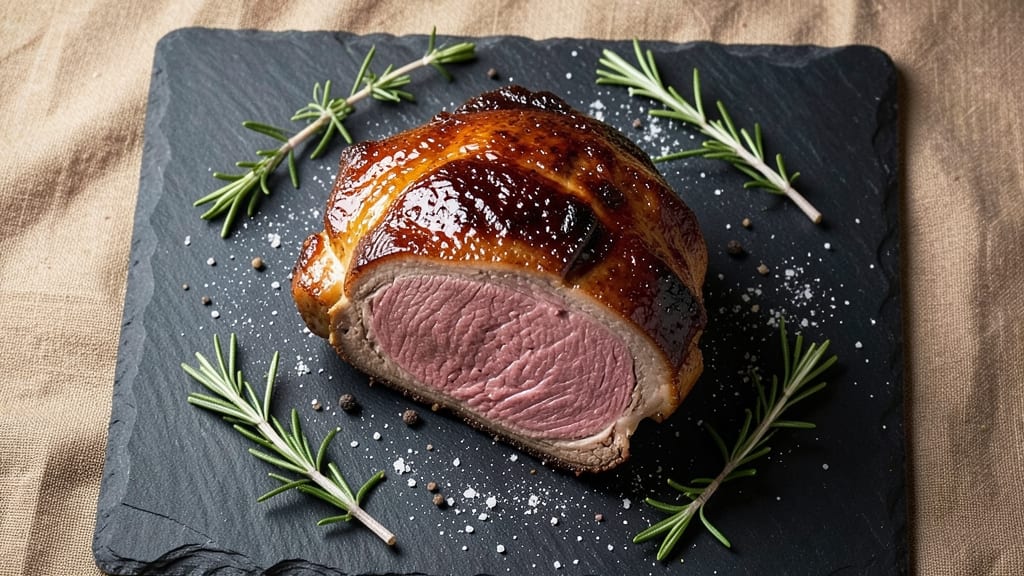
This 6lb beef tenderloin recipe delivers the ultimate restaurant-quality steak with a juicy pink center and perfectly seared crust—no guesswork required. The reverse-sear method ensures even doneness while creating that coveted caramelized exterior. I've perfected this technique over years of holiday feasts, and it never fails to impress even the most skeptical meat lovers.
The secret lies in precise temperature control: slow-cooking the tenderloin to 125°F internally before finishing with a screaming-hot sear. This method guarantees tender meat with a crust that's crisp enough to stand up to your best knife.
The brining step adds moisture and depth, while proper resting ensures every slice stays juicy from start to finish.
What you'll end up with is a perfectly pink-centered tenderloin that slices effortlessly, with a crust so impressive it'll have guests asking for the recipe. The reverse-sear technique eliminates the risk of overcooking while creating that restaurant-worthy sear. This is the kind of steak that makes dinner parties unforgettable.
Pair with classic sides like garlic mashed potatoes and roasted asparagus for a complete showstopper meal. The presentation alone will have everyone at your table feeling like they're dining at a five-star restaurant. Let's get cooking!
Ingredients for 6lb beef tenderloin
Six pounds of premium beef tenderloin transforms into a showstopping centerpiece with precise technique and quality ingredients.
| Ingredient | Amount | Notes |
|---|---|---|
| Beef Tenderloin 🥩 | 6 lb | Center-cut, trimmed of silver skin |
| Kosher Salt 🧂 | ¾ cup | Diamond Crystal preferred for clarity |
| Granulated Garlic 🧄 | 2 tbsp | For even distribution in brine |
| Fresh Black Peppercorns 🌶️ | 1 tbsp | Coarsely cracked for texture |
| Fresh Thyme Sprigs 🌿 | 4 whole | Organic preferred, stems removed |
| Fresh Rosemary Sprigs 🌿 | 4 whole | Woody stems discarded |
| Cold Water 💧 | 4 cups | Filtered preferred for clarity |
| Unsalted Butter 🧈 | ½ cup | European-style, 82% fat content |
| Flaky Sea Salt 🧂 | ¼ cup | Maldon preferred for finishing |
| Extra-Virgin Olive Oil 🫒 | 2 tbsp | For basting, fruity variety |
| Yellow Onion 🧅 | 1 whole | For garnish, thinly sliced |
| Fresh Parsley 🌿 | ¼ cup | Chopped, for garnish |
The beef tenderloin is non-negotiable—look for center-cut, USDA Prime with minimal marbling. Costco or high-end butchers carry the best cuts, though most grocery stores stock quality tenderloins. Trim the silver skin meticulously for even cooking. The 6-pound size ensures generous servings while maintaining tenderness. For brining, Diamond Crystal kosher salt dissolves more easily than table salt, creating a more uniform solution. If you can't find it, use Morton kosher salt but increase to 1 cup for equivalent coverage. The garlic and peppercorns should be freshly cracked—pre-ground loses potency quickly. Penzeys Spices sells pre-ground garlic powder, but I prefer whole cloves for this application.
No Diamond Crystal kosher salt? Morton kosher salt works, but increase to 1 cup for proper brining strength. Substitute fresh rosemary with 1 tbsp dried rosemary if needed, but fresh herbs elevate the dish. For the butter, European-style (82% fat) creates a superior crust—Plugrá or Kerrygold are excellent choices. Short on olive oil? Avocado oil has a higher smoke point for basting. The onion and parsley are purely decorative but add professional presentation. Thinly sliced red onion can substitute for yellow, though yellow has a slightly sweeter profile. Fresh thyme is ideal, but 1 tsp dried thyme works in a pinch—just steep it in warm water for 10 minutes to rehydrate before using.
The brine solution should be refrigerated for at least 4 hours—overnight is ideal. The tenderloin will absorb moisture evenly, ensuring juicy slices without compromising texture. After searing, rest the meat for 15 minutes before slicing—this critical step prevents dryness. Store leftovers in an airtight container for up to 3 days in the fridge, though the flavor peaks on day 2. For longer storage, vacuum-seal portions and freeze for up to 3 months. Reheat gently in a 350°F oven with a splash of beef broth to maintain moisture. The flaky sea salt should be sprinkled just before serving to preserve its delicate crystals.
Why You'll Love This Recipe
- No-Fuss Prep: I swear, this is the kind of recipe where the hardest part is deciding whether to sear it first. Just sprinkle kosher salt, crushed garlic, and cracked peppercorns—no fancy rubs, no mess—then let the oven do the rest. My lazy Sundays just got a serious upgrade.
- Garlic-Thyme Magic: That simple trio of garlic, thyme, and black pepper transforms tenderloin into something restaurant-worthy. The crust? Crisp. The inside? Buttery and falling-apart perfect. Honestly, I’ve tried fancy marinades—this combo still wins.
- Leftovers for Days: A 6lb roast means dinner for tonight and lunch for the week. Slice it thin for sandwiches, dice it for tacos, or just reheat with a sprinkle of salt—it stays juicy and impressive. My freezer’s full of these, and no one ever complains.
- Weeknight Hero: Between us, this is my go-to for when I’m hosting but don’t want to slave over the stove. Set it in the oven, walk away, and come back to a steakhouse-worthy centerpiece. Even my picky uncle—who hates garlic—asks for seconds.
Step-by-step instructions for reverse-seared beef tenderloin
Master this technique for restaurant-quality results with a juicy pink center every time.
Create the Dry Brine and Prepare the Tenderloin
In a small bowl, combine the 0.75 cup kosher salt, 2 tbsp granulated garlic, and 1 tbsp coarsely cracked fresh black peppercorns. This dry brine will penetrate the meat deeply while adding aromatic depth. Pat the 6 lb beef tenderloin completely dry with paper towels—this ensures maximum surface area for the brine to adhere and prevents steam from forming during cooking.
Generously rub the dry brine mixture all over the tenderloin, pressing it into the meat so it penetrates the surface. Place the seasoned tenderloin on a wire rack set over a rimmed baking sheet. Cover loosely with plastic wrap and refrigerate for 12-24 hours. This extended dry brine creates an even salt penetration and develops a perfect crust without over-salting the interior. The longer it brines, the more flavorful the exterior will become.
Prepare the Herb-Infused Water Bath
In a large stockpot or deep roasting pan, combine the 4 cups cold water, 4 whole fresh thyme sprigs, and 4 whole fresh rosemary sprigs. Bring to a simmer over medium heat until the herbs release their aromatic oils into the water. Remove from heat and let steep for 10 minutes while covered—this infuses the water with herbal notes that will subtly flavor the meat.
Place the brined tenderloin in the herb-infused water, ensuring it's fully submerged. Cover and refrigerate for another 12-24 hours. This wet brining step ensures the meat remains supremely tender while absorbing additional flavor. The water bath also helps maintain a consistent internal temperature during the reverse-sear process, preventing any potential drying.
Low-Temperature Roast to Perfect Doneness
Preheat your oven to 250°F. Remove the tenderloin from the water bath and pat dry with paper towels. Place it on a wire rack set over a rimmed baking sheet to allow for even air circulation. Roast for 1 hour 30 minutes to 2 hours, depending on your desired doneness, until the internal temperature reaches 115-120°F for medium-rare.
Here's the secret: the reverse-sear method relies on precise temperature control. Use a meat thermometer to monitor the internal temperature—this is far more accurate than relying on time alone. The meat should be uniformly pink throughout with a slight resistance when pressed. The low-temperature roast develops the meat's natural flavors without causing it to overcook or lose moisture.
Finish with a High-Heat Sear and Butter Baste
Remove the tenderloin from the oven and let it rest at room temperature for 10 minutes. While it rests, heat a large skillet over high heat until smoking. Add the 2 tbsp extra-virgin olive oil and 0.5 cup unsalted butter, then swirl to coat the pan. Place the tenderloin in the skillet and sear for 2-3 minutes per side until developing a deep golden-brown crust.
Baste the tenderloin with the melted butter during the last 1 minute of searing, spooning the butter over the surface repeatedly. This basting step creates a glossy finish while adding rich flavor. The high-heat sear creates that coveted crust while the interior remains perfectly pink and tender. The butter basting also helps distribute the flavors evenly across the meat's surface.
Rest and Garnish for Presentation
Transfer the seared tenderloin to a cutting board and let it rest for 15-20 minutes before slicing. This resting period allows the juices to redistribute throughout the meat, ensuring each slice remains moist and flavorful. While it rests, thinly slice the 1 whole yellow onion and chop the 0.25 cup fresh parsley for garnish.
Slice the tenderloin against the grain into 1-inch thick medallions. Arrange on a warm platter and sprinkle generously with the 0.25 cup flaky sea salt for finishing. Garnish with the sliced onion and chopped parsley for both visual appeal and additional flavor. Serve immediately with your choice of sides—this tenderloin deserves a complementary sauce or simple roasted vegetables to showcase its natural flavors.
Pro Tips For Making 6lb Beef Tenderloin
- USE A MEAT THERMOMETER: I learned this the hard way—guessing doneness on a 6lb tenderloin leads to overcooked edges or underdone centers. Stick the probe in the thickest part (avoid the fat cap) and pull it at 125°F for medium-rare—the internal temp will rise another 5°F while resting.
- SALT THE GARLIC FIRST: Crushing fresh thyme sprigs and black peppercorns releases oils, but granulated garlic? It clumps like sad oatmeal. Toss it with 1 tsp kosher salt per 2 tbsp garlic before grinding—this breaks it down into fine, even flecks that cling to the beef instead of sinking into the pan.
- DON’T SKIP THE CRUST: High heat for the first 2 minutes sears the surface, but the real magic happens when you add butter, thyme, and garlic. Let it bubble and foam—this isn’t the time to stir. The crust forms from the Maillard reaction, not your elbow grease.
- REST IT RIGHT: I used to rush this, slicing into a still-warm tenderloin because I was starving. Bad move. Tent it loosely with foil and let it sit 15–20 minutes—the juices redistribute, and every slice stays juicy. (Yes, even if you’re impatient like me.)
Best sauces and condiments for this recipe
Classic Red Wine Reduction
This elegant sauce elevates your tenderloin to restaurant-level sophistication. In a saucepan, combine 1 cup dry red wine (like Cabernet Sauvignon), 2 tbsp shallots (minced), and 1 tbsp butter. Simmer for 10 minutes until reduced by half.
Finish with 1 tsp balsamic vinegar and a pinch of black pepper. Drizzle over slices or serve on the side for dipping. 🍷
Garlic-Herb Compound Butter
Mix ½ cup softened butter with 2 tbsp minced garlic, 1 tbsp chopped parsley, and ½ tsp smoked paprika. Shape into a log and chill for 1 hour.
Slice and place atop each serving just before eating. The butter melts beautifully, creating a luxurious finish without overpowering the meat.
Creamy Horseradish Sauce
Blend ½ cup sour cream, 2 tbsp prepared horseradish, 1 tbsp Dijon mustard, and 1 tsp lemon juice until smooth. Adjust horseradish to taste—more for heat, less for subtlety. This sauce cuts through the richness while adding a bright, tangy contrast. Serve chilled alongside the tenderloin. 🌶️
Balsamic Glaze with Caramelized Onions
Cook 1 large onion (thinly sliced) in 1 tbsp olive oil over low heat for 20 minutes until caramelized. Deglaze with ½ cup balsamic vinegar, simmer until thickened, then finish with 1 tsp honey.
Drizzle over slices or use as a dipping sauce for extra depth. The sweet-savory balance complements the beef perfectly.
Chimichurri for Freshness
Pulse 1 cup parsley, ¼ cup cilantro, 3 garlic cloves, 2 tbsp red wine vinegar, ½ cup olive oil, and 1 tsp red pepper flakes in a food processor.
Let sit 30 minutes to meld flavors. This vibrant green sauce adds a bright, herby contrast to the rich beef. Spoon over slices or serve alongside for dipping. ✨
Pan Jus from Searings
Save the drippings from your searing pan—deglaze with ½ cup beef broth and 1 tbsp red wine. Simmer until thickened, then strain. Reduce further until syrupy.
This pan sauce captures all the meaty flavors you worked so hard to develop. Serve warm over the sliced tenderloin for a complete, flavorful experience. 💫
Nutrition facts
Frequently asked questions
How long should I brine the 6lb beef tenderloin?
The recipe calls for 24-48 hours of combined dry and wet brining. Start with the dry brine for 12-24 hours, then transfer to the herb-infused water bath for another 12-24 hours. This extended time ensures maximum flavor penetration and moisture retention. Never skip brining—it's what makes the crust perfect and the meat impossibly tender!
Can I cook this in a smoker instead of the oven?
For a smoky twist, cook the tenderloin at 225°F in your smoker using hickory or applewood chips until it reaches 115-120°F internally. Finish with the high-heat sear as directed. The smoke will add depth while maintaining the reverse-sear benefits. Just monitor closely—smokers can have temperature fluctuations.
What if my meat thermometer says 125°F but the center still looks pink?
Don't panic! Beef tenderloin is naturally pink even at 145°F—it's the most tender cut and doesn't require full color change for perfect doneness. The 115-120°F target gives you that juicy pink center while allowing for the high-heat crust. When in doubt, cut into the thickest part—the juices should run clear, not red.
How do I prevent the tenderloin from drying out during the long cook?
Three key factors: pat dry before cooking, use a wire rack (not direct contact with the pan), and never skip the rest. The dry surface creates the crust, the rack allows air circulation, and resting redistributes juices. Also, avoid opening the oven door during cooking—every time you do, you lose 50°F of heat temporarily.
Can I make this ahead of time and reheat?
Yes, but with care. Slice the cooked tenderloin and refrigerate in an airtight container for up to 3 days. To reheat, warm in a 350°F oven with a splash of beef broth for 10-15 minutes until just warmed through. For best results, serve within 24 hours of cooking—fresh slices have superior texture.