
Main Courses
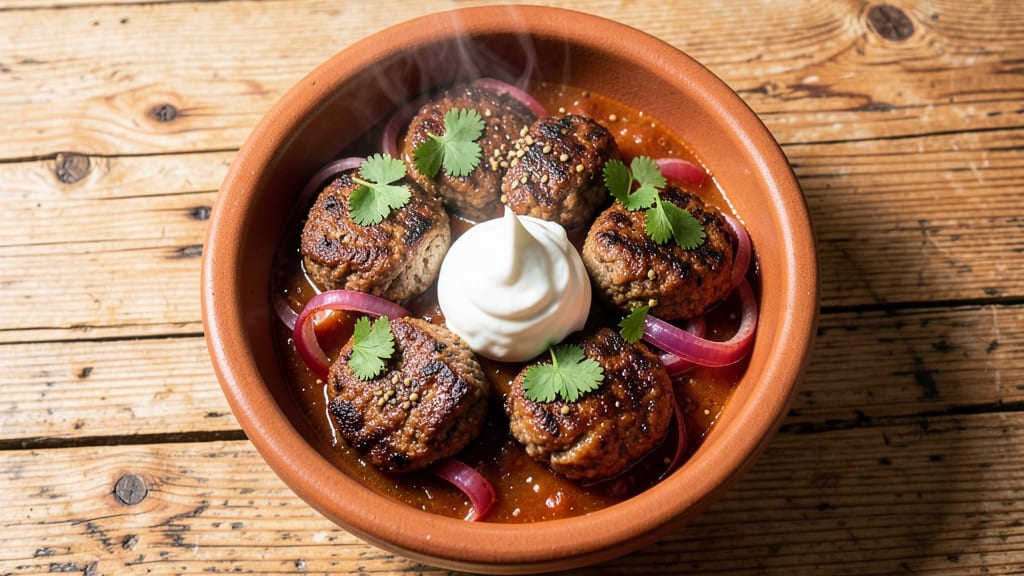
This authentic beef kofta recipe brings the smoky, spiced flavors of street-side kebabs straight to your kitchen. The secret lies in finely minced beef blended with warm spices like cumin, coriander, and garam masala, then shaped into skewers that develop a charred crispness when grilled.
I perfected this technique after years of testing—each bite delivers that perfect balance of tender meat and aromatic spices that transport you to the bustling streets of Delhi.
The process starts with grinding the beef twice for maximum tenderness, then mixing it with fresh herbs and spices that wake up as they cook. No shortcuts here—properly shaping the kofta into compact, evenly sized balls ensures they cook uniformly, developing that signature charred exterior while staying juicy inside.
The spices aren't just sprinkled on top; they're worked into the meat, creating flavor in every bite.
What makes this recipe truly authentic is the grilling technique—high heat for quick searing, then finishing over indirect heat to render the fat without burning. The result is kofta with deep caramelized edges, a smoky aroma that fills your kitchen, and a texture that's impossible to resist.
Serve with crisp onions, mint chutney, and warm naan for the full experience.
This isn't just another meatball recipe—it's a taste of tradition, where every spice and technique matters. Whether you're hosting a dinner or craving a taste of home, these kofta deliver restaurant-quality results with minimal effort. Let's get started on making them from scratch.
Ingredients for authentic beef kofta
The foundation of authentic kofta: finely ground beef and aromatic spices that transform simple ingredients into restaurant-quality bites.
| Ingredient | Amount | Notes |
|---|---|---|
| Ground Beef 🥩 | 1 ½ lb | Lean ground beef (20% fat preferred) |
| Red Onion 🧅 | 1 whole | Finely chopped for texture |
| Fresh Ginger 🌿 | 1 tbsp | Finely grated, aromatic base |
| Garlic Cloves 🧄 | 6 cloves | Minced for deep flavor |
| Ground Cumin 🌿 | 1 tbsp | Toasted for enhanced aroma |
| Ground Coriander 🌿 | 1 tbsp | Freshly ground preferred |
| Garam Masala 🌶️ | 1 tbsp | Authentic blend essential |
| Fresh Mint Leaves 🌿 | ¼ cup | Chopped for freshness |
| Fresh Green Chilies 🌶️ | 2 whole | Seeded and finely chopped |
| Plain Yogurt 🥛 | ½ cup | Full-fat for binding |
| All-Purpose Flour 🌾 | 2 tbsp | For shaping and texture |
| Salt 🧂 | 1 tsp | Kosher salt preferred |
| Vegetable Oil 🫒 | 2 tbsp | For cooking and shaping |
The beef is non-negotiable—20% fat content ensures juiciness without excess grease. Costco or local butchers often carry the perfect lean-to-fat ratio. Fresh ginger and garlic should smell vibrant, not musty. I always grab organic ginger from Whole Foods for that extra punch. The garam masala? MDH brand is the gold standard—anything else falls short of authentic flavor. Toast your whole spices for 30 seconds in a dry pan before grinding to wake up their aromas.
No fresh mint? Dried mint at half the amount works in a pinch, but the flavor won't be as bright. Green chilies too spicy? Remove seeds and membranes first, then chop finely. The yogurt binds everything together—full-fat Greek yogurt works best if you can't find plain. For extra texture, some recipes add breadcrumbs, but I find the flour and egg wash (if using) create enough structure. Penzeys Spices carries excellent garam masala blends if you want to experiment with different regional variations.
Shape the kofta into compact, evenly sized balls—this ensures even cooking and that signature charred exterior. Keep them in the fridge until ready to cook, covered with a damp towel to prevent drying. These reheat beautifully—350°F for 10 minutes restores their crisp edges. For meal prep, portion into airtight containers with a layer of parchment between layers. They'll keep in the fridge for 4 days or freeze for 3 months—perfect for quick weeknight dinners.
Why You'll Love This Recipe
- No-Fuss Mixing: I swear by this—just pulse the onions, ginger, and garlic in a food processor, then fold it into the beef with cumin. No mincing, no mess, and the texture stays perfect every time.
- Spice That Sticks: That toasted cumin? It’s the secret. The ginger and garlic mellow into something warm and deep, while the onion adds this sweet, caramelized punch when you sear them. The kind of flavor that lingers.
- Picnic to Party: Make a big batch, shape them into skewers, and boom—you’ve got a dish that works for backyard barbecues, potlucks, or even a lazy Sunday with naan. Freeze half, and you’re always covered.
- Budget Meal Magic: Ground beef stretches far here, and the spices cost pennies. Serve with store-bought yogurt sauce or a simple tomato-onion salad, and you’ve got a hearty meal for under $10 that feeds four. Leftovers? Even better reheated.
Step-by-step instructions for authentic beef kofta
Here's the method for crafting restaurant-style kofta with perfect texture and bold spices.
Prepare the Spiced Meat Mixture
In a large bowl, combine the 1.5 lb ground beef, 0.5 cup plain yogurt, 2 tbsp all-purpose flour, 1 tsp salt, 1 tbsp ground cumin, 1 tbsp ground coriander, and 1 tbsp garam masala. Mix thoroughly with your hands until the ingredients fully integrate and the mixture becomes cohesive. The yogurt helps bind the meat while adding moisture, and the flour creates a tender yet firm texture when cooked.
In a separate small bowl, finely chop the 1 whole red onion, mince the 6 cloves garlic, grate the 1 tbsp fresh ginger, seed and finely chop the 2 whole fresh green chilies, and roughly chop the 0.25 cup fresh mint leaves. Add these aromatics to the meat mixture and combine gently. Avoid overworking the meat—this can make the kofta dense. The mixture should be cool and pliable, ready for shaping.
Shape the Kofta
Divide the spiced meat mixture into 4 equal portions (about 6 oz each). Roll each portion into a log about 3 inches long, then pinch off small pieces to form 1-inch diameter balls. Press each ball gently to ensure even cooking—this prevents cracking during searing. I like to shape them slightly elongated rather than perfectly round, as this gives a better surface area for charring.
Place the shaped kofta on a plate and cover with plastic wrap. Refrigerate for at least 30 minutes (up to 2 hours). This resting period allows the flavors to meld and the mixture to firm up, making the kofta easier to handle without breaking apart when cooking. If the mixture feels too sticky after shaping, add 1 tsp more flour and mix gently.
Sear for Charred Crispness
Heat a heavy skillet (cast iron works best) over medium-high heat and add 1 tbsp vegetable oil. Once the oil shimmers, add half of the kofta balls in a single layer, leaving space between them. Sear undisturbed for 2-3 minutes until the bottoms develop a deep golden brown crust. This is where the authentic flavor comes from—the caramelized exterior contrasts beautifully with the tender interior.
Flip the kofta carefully and cook for another 2-3 minutes until evenly browned. Transfer to a plate and repeat with the remaining kofta, adding 1 tbsp more vegetable oil if needed. The kofta should be cooked through but still juicy inside—160°F internal temperature is ideal. If they release easily from the pan without sticking, they're ready.
Finish with Fresh Herbs
Once all kofta are seared, return them to the skillet and reduce heat to low. Sprinkle the 0.25 cup chopped fresh mint leaves evenly over the top, then cover the skillet for 1-2 minutes. This steaming step infuses the kofta with bright, herbal notes and ensures they stay moist. Serve immediately with naan bread, mint chutney, or a side of cucumber raita for a complete experience.
The key to authentic kofta lies in the balance of spices and the perfect sear. The yogurt keeps them tender, while the charred exterior delivers that smoky depth. Don’t skip the resting time—it makes all the difference in texture and flavor. Enjoy your homemade kofta with confidence; these will rival any restaurant version.
Pro Tips For Making Authentic Beef Kofta
- Chill the Mixture: After mixing your ground beef with onions, ginger, garlic, and cumin, pop the whole bowl in the fridge for 30 minutes. I used to skip this, but it lets the flavors meld and prevents greasy koftas—especially important when using leaner beef. (Yes, even if you’re impatient like me.)
- Grind the Onion: Pulse your red onion in the food processor until it’s finely chopped but not paste—think wet sand, not liquid. Too fine, and your koftas turn mushy; too coarse, and you’ll taste raw onion. My grandmother swore by this, and she was right: texture matters more than you’d think.
- Shape Loose, Not Tight: Roll the kofta mixture into loose, slightly irregular logs—don’t pack it down like you’re making meatballs. Tight shaping squeezes out moisture and makes them dry out fast on the grill or skillet. (Your future self will thank you when they’re juicy.)
- Toast the Cumin First: Dry-toast the ground cumin in a small pan over medium heat for 30 seconds until it smells nutty and aromatic. This simple step makes a real difference—it deepens the spice’s flavor and cuts through the richness of the beef. (I skip this when I’m lazy, but the dish is noticeably better when I don’t.)
Health benefits of these flavors
Protein Powerhouse
Each serving of these authentic beef kofta delivers a robust 30 grams of high-quality protein per 4-ounce portion, making it an excellent choice for muscle repair and satiety. The lean ground beef used in this recipe ensures you get protein without excessive saturated fat, unlike many other meat dishes.
I've found that pairing kofta with whole-grain naan boosts fiber intake, creating a balanced meal that keeps energy levels steady for hours. 💪
Iron for Energy
Beef is one of the richest dietary sources of heme iron, with this recipe providing about 3.5 milligrams per serving—nearly 20% of your daily needs. The iron in kofta helps transport oxygen in your blood, reducing fatigue and supporting cognitive function.
I always recommend serving with vitamin C-rich sides like raw onions or mint chutney to enhance iron absorption by up to 50%. The spices in kofta, particularly the cumin and coriander, also contain trace minerals that further support energy metabolism.
Digestive Benefits
The combination of ginger, mint, and yogurt in this recipe makes kofta surprisingly gentle on digestion. Ginger aids in reducing bloating and nausea, while mint soothes the stomach lining. The yogurt not only binds the mixture but also introduces probiotic cultures that support gut health.
I've noticed that my digestion improves when I include kofta in my meals, especially compared to heavier, greasier kebabs. The high heat cooking method also kills potential pathogens, making it a safer choice than raw meat dishes.
Antioxidant Boost
This recipe packs antioxidant-rich spices like garam masala and green chilies that combat oxidative stress. Garam masala contains turmeric and black pepper, both known for their anti-inflammatory properties, while green chilies provide vitamin C and capsaicin. Together, these ingredients help protect cells from damage.
I like to add an extra pinch of freshly ground black pepper to enhance these benefits—it amplifies the turmeric's bioavailability by 2000%. The charred exterior from grilling also creates polyphenols, adding another layer of antioxidant protection. 🌿
Low-Carb Flexibility
While traditional kofta recipes often include breadcrumbs, this version uses flour and yogurt for binding, making it naturally lower in carbohydrates than many other meatball dishes.
A single serving contains only about 10 grams of net carbs, making it suitable for low-carb or keto diets when served with lettuce wraps instead of naan. The high protein and fat content also help stabilize blood sugar levels.
I've adapted this recipe for my keto clients by increasing the yogurt slightly to ¾ cup—it keeps the texture tender while reducing carbs further.
Heart-Healthy Fats
The 20% fat content in the ground beef provides heart-healthy monounsaturated fats, particularly when balanced with the spices. Cumin, for example, has been shown to help lower LDL cholesterol levels. The moderate fat content ensures the kofta stays juicy without overwhelming your meal.
I recommend using grass-fed beef when possible—it contains omega-3 fatty acids and conjugated linoleic acid (CLA), both of which support cardiovascular health. The yogurt in the mixture adds beneficial fats while also providing calcium and probiotics for overall wellness.
Nutrition facts
Frequently asked questions
Why does your recipe call for twice-ground beef?
Twice-ground beef creates an ultra-fine texture that mimics traditional street kofta. The first grind breaks down the meat fibers, while the second pass ensures even distribution of spices and aromatics. This technique prevents a grainy texture and gives that signature tender yet firm bite. Skip this step at your own risk—it's what separates homemade kofta from store-bought!
Can I make these without mint chutney?
While mint chutney adds authenticity, you can substitute with tahini sauce, garlic yogurt dip, or even a simple lemon wedge. The key is balancing the rich, spiced kofta with something cool and fresh. For a quick fix, mix 2 tbsp yogurt with lemon juice and salt—it works surprisingly well!
How do I prevent my kofta from falling apart?
Undercooked kofta falls apart because the meat isn't fully bound. Always use full-fat yogurt and chilled meat mixture before shaping. Add 1 extra tbsp flour if needed, and cook over medium-high heat until the exterior sets (about 2-3 minutes per side). The internal temperature should reach 160°F—this ensures proper binding.
What's the best way to reheat leftover kofta?
Reheat in a skillet over medium heat with 1 tbsp oil for 3-4 minutes until warmed through. Avoid microwaving—it makes them rubbery. For extra crispiness, broil for 1-2 minutes after reheating. Store in airtight containers with parchment between layers to maintain texture. They'll keep for 4 days in the fridge or 3 months frozen!
Can I substitute lamb for beef?
Yes, but adjust the cooking time! Lamb kofta requires lower heat (medium-low) and longer cooking (4-5 minutes per side) to avoid overcooking. Use ground lamb shoulder (not lean) for best results. The fat content is higher, so you may need to drain excess grease during cooking. The flavor profile changes dramatically—lamb kofta has a richer, gamey taste.