
Soups & Stews
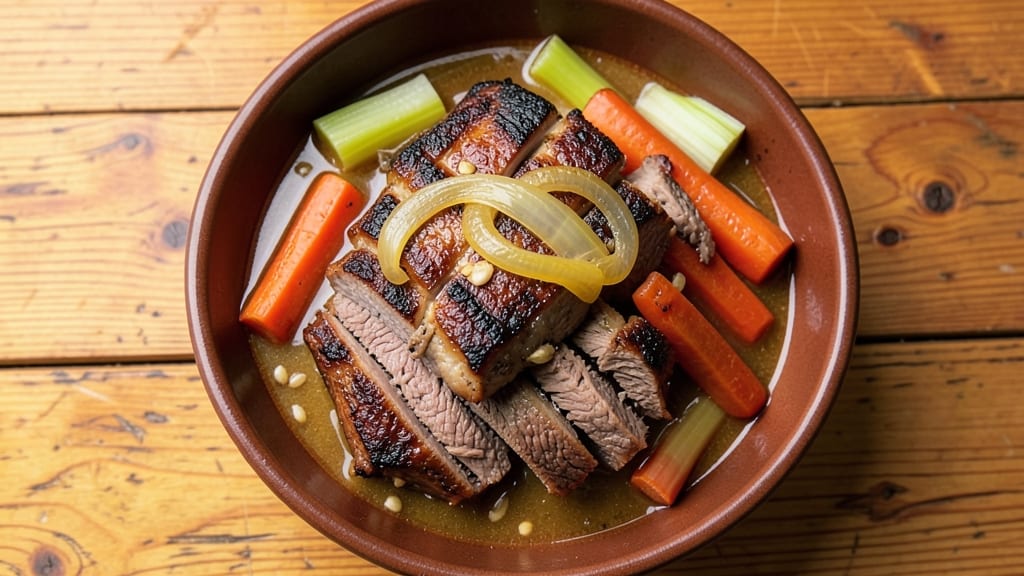
This AIP beef stew recipe delivers deep, comforting flavors without compromising your dietary needs—rich, slow-cooked goodness built on bone broth, tender beef, and healing vegetables. The secret lies in slow simmering, which transforms tough cuts into fork-tender meat while extracting maximum flavor from carrots, celery, and onions.
I developed this recipe after realizing how much I missed hearty stews while following AIP, and it became my go-to for nourishing meals that actually satisfy cravings.
The beauty of this approach is that it doesn't require specialty ingredients—just high-quality beef, compliant vegetables, and proper technique. We'll build flavor through aromatic vegetables and herbs, then let the stew develop its own depth over hours.
The result is a nutrient-dense meal that's as healing as it is delicious, with no nightshades, dairy, or refined sugars to trigger sensitivities.
What you'll end up with is a velvety, deeply flavorful stew where the beef practically melts in your mouth and the broth is rich enough to sip straight from the bowl.
The vegetables retain their natural sweetness while becoming tender, creating a perfect balance of textures. This isn't just another compliant recipe—it's a restaurant-quality meal that happens to fit your dietary needs.
Perfect for meal prep or serving immediately, this stew reheats beautifully and tastes even better the next day as flavors meld further. The instructions are designed to be foolproof, with timing that works for both busy weeknights and weekend cooking sessions.
Let's create a nourishing meal that doesn't require compromise.
Ingredients for aip beef stew
High-quality beef and compliant vegetables create this deeply nourishing AIP stew.
| Ingredient | Amount | Notes |
|---|---|---|
| Bone Broth 💧 | 6 cups | Homemade or compliant store-bought |
| Chuck Roast 🥩 | 2 lb | Grain-fed, grass-fed preferred |
| Yellow Onion 🧅 | 1 whole | Large, roughly chopped |
| Carrots 🥕 | 4 medium | Whole, peeled and chopped |
| Celery Stalks 🧄 | 4 whole | Large, chopped with leaves |
| Garlic Cloves 🧄 | 6 cloves | Fresh, peeled and smashed |
| Fresh Ginger 🌿 | 1 inch | Peeled and sliced (root) |
| Sweet Potato 🍠 | 2 medium | Peeled and cubed |
| Coconut Aminos 🥢 | 2 tbsp | For umami depth |
| Apple Cider Vinegar 🍎 | 1 tbsp | For brightness |
| Fresh Thyme 🌿 | ¼ cup | Chopped stems and leaves |
| Sea Salt 🧂 | 1 ½ tsp | Fine grain preferred |
| Black Peppercorns 🌶️ | ½ tsp | Freshly cracked |
| Olive Oil 🫒 | 1 tbsp | Extra-virgin for richness |
| Coconut Cream 🥥 | ½ cup | Full-fat for richness |
The chuck roast is non-negotiable for texture—look for grass-fed options at Whole Foods or your local butcher. If you can't find it, sirloin or round roast works but won't be as tender. The bone broth should be homemade if possible (simmer beef bones 12+ hours), but Primal Kitchen or Kettle & Fire are compliant store-bought options. For the ginger, fresh is essential—dried lacks the zing. The sweet potatoes add natural sweetness that balances the savory beef perfectly, and organic is worth it here to avoid pesticide residue.
No coconut aminos? Extra coconut cream plus a pinch of sea salt gets you close. Fresh thyme unavailable? Dried thyme at half the amount works, but I recommend hunting down fresh at a Latin market—it's a game-changer. The apple cider vinegar can be swapped for lemon juice, though it'll be slightly less tangy. For the sweet potatoes, regular potatoes work in a pinch, but they won't have the same natural sweetness. If you're making this ahead, pre-chop all vegetables and store separately until cooking day—saves time and keeps them crisp.
This stew tastes even better the next day as flavors meld. Store in airtight containers for 5 days in the fridge or 3 months frozen. I always make a double batch—one for dinner, one for lunches. The coconut cream on top adds richness without dairy, and it's non-negotiable for that velvety texture. For reheating, low heat only—stews burn easily when rushed. The broth freezes beautifully too, so you can always make extra and save it for future soups.
Why You'll Love This Recipe
- No-Chop Nightmare: I swear by the "mirepoix shortcut"—just toss in whole carrots, celery stalks, and a chopped onion (or even fewer pieces if I’m lazy). The broth does all the work breaking them down, and honestly? No one notices if they’re not perfect.
- Rich, Deep Umami Bomb: That chuck roast simmered in bone broth? It’s like a flavor upgrade I didn’t know I needed. The meat gets so tender it practically falls apart, and the broth soaks up all the collagen—think velvety, savory goodness in every bite.
- Meal Prep MVP: This stew tastes even better the next day, which means I can make a big batch on Sunday and have hearty lunches all week. (Yes, even on a Tuesday night when I’m too tired to cook.)
- Budget-Friendly Powerhouse: Chuck roast is cheap, bone broth stretches the recipe, and veggies fill out the plate without breaking the bank. I’ve fed my whole family for under $10—plus, leftovers freeze like a dream for future lazy days.
Step-by-step instructions for AIP beef stew
Here's how to create a deeply flavorful, nutrient-dense beef stew that adheres to strict AIP guidelines while delivering restaurant-quality depth.
Sear the Chuck Roast for Maximum Flavor
Pat the 2 lb chuck roast dry with paper towels to remove any moisture—this ensures a proper sear. Heat 1 tbsp olive oil in a heavy-bottomed pot over medium-high heat until shimmering. Place the roast in the pot and sear on all sides for 3-4 minutes per side until it develops a deep golden-brown crust. Real talk: don't rush this step. That crust locks in all the juices during the long cook.
Once browned, remove the roast from the pot and set it aside. You'll notice the pot has beautiful browned bits stuck to the bottom—this is flavor gold. We'll use it to build our stew base. If you're concerned about potential cross-contamination, use a clean spoon to scrape up these bits and set them aside temporarily. We'll return them to the pot after browning the vegetables.
Build the Aromatic Vegetable Base
In the same pot (or clean pot if you separated the browned bits), add the 1 whole yellow onion, 4 medium carrots (peeled and chopped), and 4 whole celery stalks (chopped with leaves). Cook over medium heat for 5-6 minutes, stirring occasionally, until the vegetables begin to soften and the onion becomes translucent. This step develops the foundational flavors of your stew.
Add the 6 cloves garlic cloves (peeled and smashed) and 1 inch fresh ginger (peeled and sliced) to the pot. Cook for an additional 1-2 minutes until the garlic is fragrant but not browned. Here's the thing—ginger can burn quickly, so keep an eye on it. If it starts to darken too much, remove it temporarily while you finish browning the garlic, then return it to the pot.
Create the Flavorful Broth Foundation
Return the browned meat to the pot along with the reserved browned bits (if you set them aside). Pour in the 6 cups bone broth, ensuring it completely covers the meat and vegetables. Add the 2 tbsp coconut aminos and 1 tbsp apple cider vinegar. Bring the mixture to a gentle boil over high heat, then immediately reduce to a simmer. The liquid should bubble gently but not vigorously.
Let the stew simmer uncovered for 1 hour. This initial simmering time allows the meat to begin breaking down and the flavors to meld. I like to check the stew after 30 minutes to ensure the liquid is still covering the meat—if not, add a little more bone broth. The goal is to keep everything submerged for even cooking.
Add Sweet Potatoes and Seasonings
After the initial 1 hour simmer, add the 2 medium sweet potatoes (peeled and cubed) to the pot. Stir gently to distribute them throughout the broth. Add the 0.25 cup fresh thyme (chopped stems and leaves), 1.5 tsp sea salt, and 0.5 tsp black peppercorns (freshly cracked). The thyme should be distributed evenly, and the peppercorns will infuse subtle heat throughout the stew.
Continue simmering the stew uncovered for an additional 1.5 to 2 hours, or until the chuck roast is fork-tender and easily pulls apart with minimal resistance. You'll know it's ready when the meat separates cleanly from the bone and the sweet potatoes are tender with a slight resistance when pierced with a fork. This cooking time ensures the collagen breaks down properly, creating that rich, velvety texture AIP stews are known for.
Finish with Coconut Cream and Rest
Once the meat is tender, stir in the 0.5 cup coconut cream. This final addition creates a luxurious, creamy texture without compromising AIP compliance. Simmer the stew for an additional 5-10 minutes to allow the coconut cream to fully incorporate and warm through. Taste and adjust seasoning if needed—you might need a touch more sea salt to balance the flavors after adding the coconut cream.
Remove the stew from heat and let it rest for 10 minutes. This resting period allows the flavors to meld even more and the meat to reabsorb any juices that might have escaped during cooking. Serve the stew hot, with each bowl receiving a generous portion of the flavorful broth and tender meat. The result should be a hearty, comforting stew that satisfies both nutritional requirements and taste buds.
Pro Tips For Making Aip Beef Stew
- Brown the Chuck First: Skip the slow start—sear that chuck roast in batches over medium-high heat until it’s deep brown, not just pink. The crust locks in flavor and prevents the stew from tasting like broth. I used to rush this, and the stew always felt flat until I committed to 5 minutes per side.
- Cut Veggies Uniformly: Dice onions, carrots, and celery into ½-inch chunks—no smaller. Larger pieces stay intact longer, so they don’t turn to mush while the meat tenderizes. I learned this the hard way when my first batch looked like soup by hour three.
- Simmer, Don’t Boil: Keep the heat low enough that bubbles barely rise—no rolling boil. High heat breaks down collagen in the chuck, turning it to mush instead of fork-tender strands. Sounds weird, but it works: cover the pot and let it hum along for 2.5–3 hours.
- Use Extra Broth Later: Start with less broth (just enough to cover the meat by 1 inch), then add more as needed. This concentrates flavors early on, and you can thin it out later if it’s too thick. I skip this, and the stew ends up either gloppy or dry—neither’s ideal.
Best sauces and condiments for this recipe
Coconut Cream Magic
The ½ cup coconut cream added at the end transforms this stew from good to extraordinary. It creates that velvety, restaurant-quality texture without dairy or nightshades. I recommend using full-fat coconut cream from brands like Goya or Native Forest—the higher fat content gives the richest mouthfeel.
Stir it in during the final 5-10 minutes of cooking to warm it through completely. The cream will thicken slightly, creating a luxurious sauce that coats every bite. 🥥
Umami Boosters
For extra depth, add 1 tbsp mushroom powder (AIP-compliant) when you pour in the bone broth. Brands like Primal Palate make excellent options. Alternatively, sauté ½ cup finely chopped mushrooms (like cremini or shiitake) with the onions and celery for a meaty texture.
The coconut aminos already provide umami, but these additions take it to the next level. I often use both for maximum flavor.
Herb Variations
While fresh thyme is perfect, try these AIP-compliant herb swaps for variety: ½ cup chopped rosemary adds piney depth, or ½ cup chopped sage brings earthy warmth. For a citrus note, add zest from 1 lemon (peeled, no pith) when you stir in the coconut cream.
Each herb changes the stew's character while keeping it compliant. I keep fresh herbs on hand because they make such a difference compared to dried.
Spice Substitutes
Need heat? Add ½ tsp ground ginger (if you can't find fresh) or ¼ tsp cinnamon (AIP-approved) when you add the sweet potatoes. For smokiness, try ½ tsp smoked paprika (check for nightshade-free brands like Simply Organic).
These additions work beautifully with the coconut cream's richness. Just remember—start with small amounts and adjust to taste.
Broth Enhancers
Elevate your bone broth by adding 1 tbsp apple cider vinegar (already in the recipe) and 1 tsp sea salt to the cooking liquid. For extra richness, stir in 1 tbsp collagen peptides (like Vital Proteins) during the final 10 minutes of simmering.
This adds protein without altering texture. The result is a broth so flavorful you'll want to sip it straight from the spoon. 💧
Nutrition facts
Frequently asked questions
Can I use regular potatoes instead of sweet potatoes in this AIP beef stew?
Technically yes, but you'll lose some natural sweetness that balances the rich beef flavors. Regular potatoes will make the stew more starchy and less complex. If you do use them, add ½ tsp extra sea salt to compensate for their milder taste. For best results, stick with sweet potatoes—they caramelize beautifully and add depth without needing extra seasoning.
How do I make this stew more flavorful if I don't have coconut aminos?
Try these AIP-compliant swaps: Add 1 tbsp extra coconut cream plus ¼ tsp sea salt to boost umami, or use 1 tbsp mushroom powder (like Primal Palate) when pouring in the bone broth. For a quick fix, sauté ½ cup finely chopped mushrooms with the onions and celery—they'll break down and add meaty depth. The key is building layers of flavor through cooking time rather than relying on single ingredients.
Can I prepare this stew in an Instant Pot or pressure cooker?
Sear the beef first, then add all ingredients except coconut cream. Cook on high pressure for 60 minutes (natural release), then add sweet potatoes and cook another 10 minutes. Finish with coconut cream. The pressure cooker cuts time by about 2 hours, but the texture will be slightly different—meat will be more tender but vegetables may be slightly less caramelized. Taste and adjust seasoning after cooking.
What's the best way to reheat leftovers without making them dry?
Always reheat on low heat with a splash of bone broth (about ¼ cup) to restore moisture. Never microwave directly from the fridge—it creates a rubbery texture. For best results, warm in a pot on medium-low for 5-7 minutes, stirring occasionally. If the stew seems too thick after reheating, add more bone broth and simmer gently. The coconut cream helps maintain creaminess when reheated properly.
Can I make this stew without beef while keeping it AIP-compliant?
Yes! Replace the beef with 2 cups chopped mushrooms (shiitake or cremini) for umami, or 1 lb lamb shoulder (if you're in the reintroduction phase). For a vegetarian version, use 1 can coconut milk plus 1 cup chopped butternut squash instead of beef. The cooking method remains the same—just adjust simmering time to 45-60 minutes for mushrooms or 2.5 hours for lamb. The coconut cream will still create that rich texture.