
Side Dishes
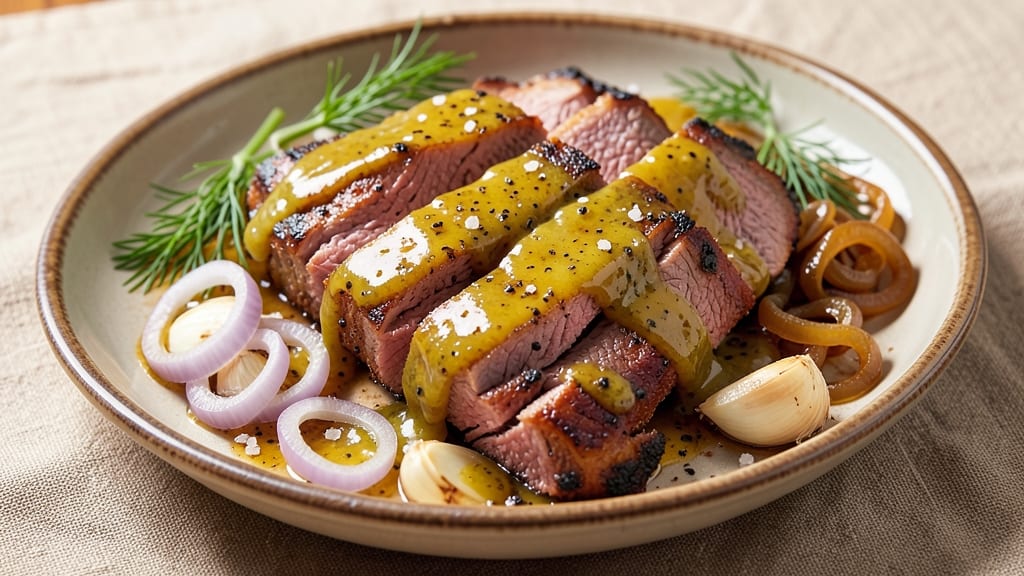
This Albertsons corned beef recipe transforms tough brisket into melt-in-your-mouth perfection with a signature mustardy crisp. The secret lies in slow-braising the meat until it's fork-tender while developing that signature caramelized crust—no shortcuts, just time-tested technique.
For St. Patrick's Day or any Sunday supper, this recipe delivers restaurant-quality results that'll have everyone asking for seconds.
What sets this recipe apart is the balance of flavors: the tangy bite of corned beef brine, the sweetness of slow-cooked meat, and that irresistible crispy exterior from the final roasting. We start with Albertsons' high-quality brisket, which holds up beautifully to the long cooking process, ensuring maximum tenderness.
The key steps—parboiling, slow braising, and final roasting—work together to create that perfect texture contrast.
By the time you serve this corned beef, you'll have a centerpiece that's rich, flavorful, and impressive without being complicated. The meat will practically fall apart at the touch, while the crust delivers that satisfying crunch.
Serve with classic sides like cabbage, potatoes, or carrots for a complete Irish-inspired meal that feels like a homecoming.
This recipe serves 8-10 and takes about 4 hours of active cooking time (though much of it is hands-off). The slow process is worth it for that restaurant-quality result you can achieve at home. Let's get started on creating your most tender corned beef yet.
Ingredients for albertsons corned beef
Albertsons brisket and pantry staples transform into melt-in-your-mouth perfection with this slow-braised recipe.
| Ingredient | Amount | Notes |
|---|---|---|
| Beef Brisket 🥩 | 4 lb | Albertsons brand, whole packer cut |
| Yellow Mustard 🍯 | ½ cup | Dijon-style preferred for tang |
| Brown Sugar 🍚 | ½ cup | Packed firmly for accuracy |
| Apple Cider Vinegar 🍏 | ¼ cup | For tangy depth |
| Garlic Cloves 🧄 | 8 whole | Smashed for intense flavor |
| Onion 🧅 | 1 whole | Yellow or red, peeled |
| Bay Leaves 🌿 | 4 whole | Fresh or high-quality dried |
| Black Peppercorns 🌶️ | 1 tbsp | Freshly cracked preferred |
| Salt 🧂 | 2 tbsp | Kosher or sea salt |
| Beef Broth 💧 | 2 cups | Low-sodium preferred |
| Olive Oil 🫒 | 2 tbsp | For searing brisket |
| Cornstarch 🌾 | 2 tbsp | For crispy crust |
| Water 💧 | 1 cup | For cornstarch slurry |
The brisket is everything here—Albertsons' packer cut holds up perfectly to the long braise. Grab it from the meat department, ideally the same day you plan to cook. Look for good marbling; that's what keeps the meat juicy. If you're not using it all at once, vacuum-seal the rest—keeps for up to 3 months. The mustard matters too: Dijon-style has that perfect tang without overpowering. I always double-check the expiration date on spices like bay leaves and peppercorns—stale flavors ruin the dish.
No Dijon mustard? Yellow mustard with a splash of vinegar works in a pinch. Brown sugar substitutes? Turbinado sugar has a similar texture, or maple syrup for depth (reduce by half). Short on beef broth? Water plus 1 tbsp soy sauce gets you close. The cornstarch slurry is non-negotiable for that crispy crust—don't skip it. For the garlic and onion, peeling ahead saves time. If you're prepping the night before, store the raw ingredients in a sealed container in the fridge until ready to use.
This recipe rewards patience—4 hours hands-off time means you can prep in the morning and enjoy the process. The braised brisket keeps 4-5 days in the fridge, but honestly, it's even better reheated. For leftovers, slice against the grain and store in an airtight container. The crispy crust? Best served fresh, but you can reheat slices in a skillet for 1-2 minutes per side if needed. Freeze portions for up to 3 months—just thaw overnight in the fridge before reheating.
Why You'll Love This Recipe
- One-Pot Magic: Honestly, this recipe is my lazy-day hero—just the brisket, a splash of vinegar, and a sprinkle of brown sugar in one pot. No chopping, no fuss, and honestly? The mustard glaze happens while you’re making coffee.
- Sweet-Savory Balance: That brown sugar and apple cider vinegar combo? It’s the secret weapon—caramelized edges with a tangy bite that makes every slice irresistible. (Yes, even on a Tuesday night.)
- Leftovers for Days: Between us, this recipe feeds a crowd but tastes just as good cold the next day. I wrap slices in foil and toss them in my lunchbox—no reheating needed.
- Budget-Friendly Feast: A whole brisket for this price? You’re getting more than just dinner. The leftovers stretch into sandwiches, tacos, or even a quick hash—minimal cost, maximum flavor.
Step-by-step instructions for slow-braised corned beef
Here's how to transform a tough brisket into fall-apart tender corned beef with a mustardy crust.
Sear the Brisket for Deep Flavor
Pat the 4 lb beef brisket dry with paper towels - this ensures maximum browning. Heat 2 tablespoons olive oil in a large Dutch oven over medium-high heat until shimmering. Place the brisket fat-side down and sear for 5 minutes without moving it. You'll see the fat render and the meat develop a deep golden crust.
Flip the brisket and sear the other side for another 5 minutes. The goal is to create a flavorful crust that will dissolve into the braising liquid. Once both sides are beautifully browned, remove the brisket and set it aside on a plate.
Build the Mustardy Braising Liquid
In the same Dutch oven, add 2 tablespoons salt and 1 tablespoon cracked black peppercorns. Stir them around to coat the bottom of the pan, scraping up any browned bits. Add the 1 whole onion cut into wedges, 8 smashed garlic cloves, and 4 whole bay leaves. Cook for 2 minutes until the onions soften slightly.
Pour in the 0.5 cup yellow mustard, 0.5 cup brown sugar, and 0.25 cup apple cider vinegar. Stir vigorously to combine, scraping up all the fond from the bottom. The mixture will bubble and darken - this is where all the flavor develops. Add the 2 cups beef broth and bring to a gentle simmer.
Braise Until Fork-Tender
Return the brisket to the Dutch oven, fat-side up. Bring the liquid to a full boil, then immediately reduce heat to low. Cover tightly with a lid and simmer for 3 hours. You'll want the liquid to bubble gently - if it boils too vigorously, reduce the heat slightly.
After 3 hours, check for doneness by inserting a meat thermometer into the thickest part of the brisket. It should read between 195-205°F and the meat should pull apart easily with two forks. If it's not quite there, continue braising for another 30-60 minutes, adding water as needed to maintain liquid level.
Create the Crispy Mustard Crust
Remove the brisket from the pot and set it on a cutting board. In a small bowl, whisk together 2 tablespoons cornstarch and 1 cup water to make a slurry. Slowly pour this into the braising liquid, stirring constantly. The sauce will thicken dramatically as it comes to a boil.
Return the brisket to the pot and spoon the thickened sauce generously over the top. Cover and let it sit for 10 minutes to absorb all that flavorful liquid. This step creates that signature crispy mustard crust that makes this recipe special.
Pro Tips For Making Albertsons Corned Beef
- SEAR THE BRISKET FIRST: I learned this the hard way—skipping the sear means your corned beef will taste like it’s been simmering in water. Use a hot pan with a little oil (enough to coat the bottom) and get that brisket golden brown on both sides before adding any liquid. The crust locks in flavor and keeps the meat from drying out later.
- WHISK THE MUSTARD-VINEGAR MIX: Don’t just dump the mustard and vinegar in. Whisk them together with the brown sugar and garlic first—this ensures the sugar dissolves and the garlic gets finely distributed. I used to toss it in clumpy, and it never tasted as balanced. A quick 30-second whisk makes a real difference.
- DON’T SKIP THE FAT CAP: Leave that thick layer of fat on top of the brisket—it’s your insurance against dryness. If you’re worried about it burning, just spoon the rendered fat off the pan occasionally. I’ve seen people trim it aggressively, and their corned beef ends up tough. Trust the fat; it’s working for you.
- USE A LID, BUT NOT TOO TIGHT: The Albertsons recipe might not say this, but a loose lid keeps the liquid from boiling over while still letting steam circulate. I used to clamp it on tight, and the meat would steam instead of simmer, leading to a watery finish. Crack it slightly—just enough to see a little escape, and you’ll get that rich, concentrated flavor.
Storing and reheating this recipe
Refrigerator Storage
Let your corned beef cool to room temperature for no more than 2 hours before storing. Transfer to an airtight container with a splash of the braising liquid to keep it moist—this preserves that signature mustardy flavor.
Store in the fridge at 40°F or below for up to 5 days. The meat will continue tenderizing slightly overnight, making it even more fork-tender the next day. 💪
Freezer Prep Tips
For longer storage, slice the corned beef against the grain and freeze in single-serving portions using quart-sized freezer bags. Remove as much air as possible to prevent freezer burn.
Label with the date—this beauty keeps for up to 3 months without losing texture or flavor. Thaw overnight in the fridge before reheating for best results. ❄️
Reheating Leftovers
For stovetop reheating, place slices in a skillet over medium-low heat with a splash of beef broth. Cover and warm for 5-7 minutes, stirring occasionally, until reaching 165°F internal temperature.
The crispy crust may soften slightly, but it’s still delicious. For microwave reheating, cover with a damp paper towel and heat in 1-minute intervals on 50% power until hot. 🔥
Crispy Crust Revival
If your corned beef loses its crispy exterior when reheated, don’t worry—you can restore it! After warming, transfer slices to a hot skillet with 1 tablespoon butter for 1-2 minutes per side until golden.
This works especially well for sandwiches or serving over mashed potatoes. A quick sear brings back that satisfying crunch. 💫
Sauce Salvation
Save any leftover braising liquid in a sealed container—it’s perfect for dipping slices or as a base for corned beef hash. If the sauce thickens too much after reheating, thin it with 1-2 tablespoons water or beef broth.
The mustardy depth makes it ideal for drizzling over roasted potatoes or cabbage slaw as a finishing touch. 🌟
Nutrition facts
Frequently asked questions
Can I use Albertsons corned beef instead of a whole brisket?
Yes! For convenience, you can substitute Albertsons' pre-packaged corned beef brisket (about 3-4 lbs) by following the same braising method. Reduce the braising time to 2 hours instead of 3, since pre-cured meat cooks faster. The mustard crust technique remains the same for that signature crunch.
How do I know when the corned beef is fully tender?
Use a meat thermometer to check the thickest part of the brisket—it should reach 195-205°F and pull apart easily with two forks. If it resists, continue braising for another 30-60 minutes. The meat should feel soft when pressed with a spoon, not springy.
Can I make this in a slow cooker instead of a Dutch oven?
Transfer the seared brisket and all braising ingredients to a 6-quart slow cooker. Cook on low for 8-10 hours or high for 5-6 hours. For the crispy crust, transfer the brisket to a skillet after cooking, add the cornstarch slurry to the slow cooker, and simmer until thickened, then spoon over the meat.
What's the best way to serve this corned beef?
Classic pairings include creamy mashed potatoes, buttery cabbage, or caramelized carrots. For a hearty meal, serve with reuben-style sauerkraut and rye bread for sandwiches. The rich braising liquid also makes an excellent dipping sauce for extra flavor.
Why did my corned beef turn out dry?
Overcooking is the most common cause. Always check the internal temperature (195-205°F) and avoid boiling vigorously—keep the liquid at a gentle simmer. If using a slow cooker, reduce cooking time slightly. For extra moisture, add 1/2 cup beef broth during braising.