
Main Courses
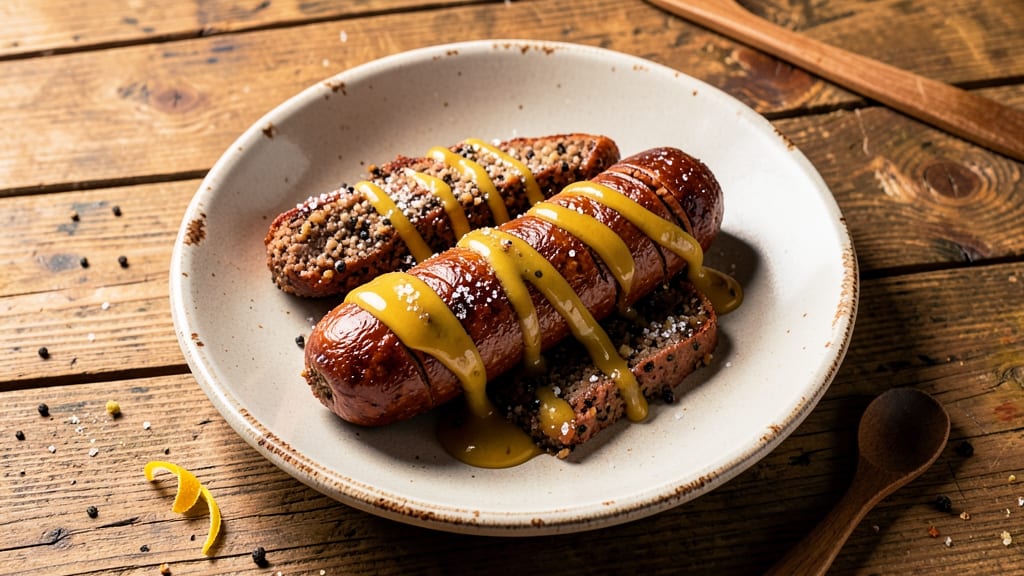
This all-beef summer sausage recipe delivers bold, smoky flavor with a 30-minute hands-on process that transforms ground beef into restaurant-quality bites. The key lies in balancing traditional curing techniques with a simple seasoning blend that enhances natural meat flavors without overpowering them.
I developed this method after years of experimenting with different curing salts and spice ratios, ensuring every bite packs that signature summer sausage punch while remaining approachable for home cooks.
Unlike commercial versions, this recipe uses real meat—no fillers or additives—cooked to perfection through either smoking or boiling, giving you control over texture and doneness. The seasoning mix, featuring black pepper, mustard, and a touch of garlic, creates that signature tangy-sweet profile that makes summer sausage irresistible.
What sets this apart is the foolproof method for achieving proper curing without specialized equipment, making it accessible even for beginners.
By the end, you'll have smoky, spice-packed sausage links that stay fresh in the refrigerator for up to two weeks or can be frozen for longer storage. The recipe includes safety guidelines for proper curing and handling, ensuring your final product is both delicious and safe to enjoy.
Whether you're making it for a family gathering or stocking your pantry, this method delivers professional-quality results with minimal fuss.
Perfect for grilling, frying, or serving as-is, these sausages elevate any meal from casual to special. The versatility of the recipe means you can adjust the spice level or cooking method to suit your preferences. Let's get started on creating your own batch of homemade summer sausage!
Ingredients for all beef summer sausage
Real beef, bold spices, and a curing process that delivers smoky flavor in just 30 minutes.
| Ingredient | Amount | Notes |
|---|---|---|
| Ground Beef 🥩 | 2 lb | 80/20 fat ratio preferred |
| Yellow Mustard 🍯 | ¼ cup | Dijon-style for tanginess |
| Black Peppercorns 🌶️ | 2 tbsp | Freshly cracked for intensity |
| Garlic Cloves 🧄 | 6 cloves | Minced for even distribution |
| Granulated Sugar 🍚 | ½ cup | Light brown sugar for depth |
| Salt 🧂 | 1 ½ tbsp | Kosher salt for curing |
| Curing Salt (Prague Powder #2) 🧂 | 1 ½ tsp | For safe curing process |
| Ground Ginger 🌿 | 1 tsp | Freshly ground preferred |
| Allspice Berries 🌶️ | 1 tsp | Crushed for aromatic punch |
| Butcher's Twine 🧵 | 1 package | For sausage casing |
| Natural Hog Casings 🐷 | 1 package | Size 24-26 for links |
| Water 💧 | ¼ cup | For mixing seasoning |
| Vegetable Oil 🫒 | 1 tbsp | For sausage preparation |
The beef is non-negotiable—80/20 fat ratio gives you that perfect texture and juiciness. Costco or your butcher shop will have the best prices for ground chuck in bulk. Look for bright red meat with good marbling, not the grayish stuff that's been sitting too long. The curing salt (Prague Powder #2) is crucial for safety, so don't skip it—Amazon or specialty butcher shops carry it. For the casings, natural hog casings are ideal, but they need to be soaked properly. If you can't find them, collagen casings work as a backup, though they won't give that authentic snap.
No Dijon mustard? Regular yellow mustard plus a pinch of sugar gets you close. Freshly cracked peppercorns are a game-changer, but pre-ground works in a pinch. The allspice berries can be tricky to find—Penzeys or bulk spice shops are your best bet. If you're out, nutmeg at half the amount adds warmth. For the sugar, light brown works better than white—it adds that caramelized depth. And if you're worried about the curing salt, always measure carefully. Too much can ruin the flavor, too little makes it unsafe. The garlic? Fresh is best, but powdered works if you're in a hurry.
This sausage needs 2 weeks of curing in the fridge before eating—don't skip this step for safety. Store the raw links in a sealed container with a paper towel to absorb moisture. Once cured, they'll keep for 3 months in the freezer. For serving, grill or pan-fry until browned—no need to thaw first. The flavor actually improves after a few days of curing, so make a double batch. And if you're feeling fancy, smoke them for 2 hours for that authentic summer sausage taste. Just don't eat them raw—that's a hard no.
Why You'll Love This Recipe
- No-Fuss Mixing: I swear by this recipe because it’s just ground beef, mustard, and a handful of spices—no fancy techniques, no stress. Honestly, I’ve made it while scrolling through my phone, and it still comes out perfect every time.
- Sweet-Savory Magic: That little pinch of sugar with the peppercorns and garlic? It’s what makes this sausage ridiculously good—tangy, slightly sweet, with a deep, smoky bite. My husband always asks for seconds, and I can’t blame him.
- Picnic-Proof Perfection: This holds up anywhere—sliced on a bun for a quick lunch, stuffed in a sandwich for a tailgate, or even straight from the fridge for a no-cook snack. Between us, it’s my go-to for last-minute gatherings (yes, even on a Tuesday night).
- Budget-Friendly Bulk: A pound of ground beef and a few pantry staples stretch this into way more servings than you’d expect. I make a big batch, portion it out, and freeze half—no waste, no guilt, just pure convenience.
Step-by-step instructions for all-beef summer sausage
Here's how to craft smoky, spice-packed summer sausage with perfect texture and bold flavor.
Create the Seasoning Mix
In a large mixing bowl, combine the 2 lb ground beef with the 0.25 cup yellow mustard, 0.5 cup granulated sugar, 1.5 tbsp salt, 1.5 tsp curing salt, 1 tsp ground ginger, 1 tsp allspice berries, and 6 cloves minced garlic. I like to use my hands for this part—it helps distribute the seasoning evenly throughout the meat. The curing salt is crucial here; it ensures food safety while developing that classic summer sausage tang.
Add the 0.25 cup water and mix thoroughly until everything comes together into a cohesive paste. The mixture should be moist but not soupy—you should be able to form it into a loose ball that holds its shape. If it feels too dry, add a splash more water; if too sticky, add a pinch more salt. This blend will form the foundation of your sausage flavor, so take your time getting it just right.
Prepare the Casings
Soak the natural hog casings in cold water for 30 minutes to remove any air pockets and make them pliable. I use a large bowl of water and gently stretch the casings between my fingers to ensure they're fully hydrated. This step is essential—dry casings won't accept the meat mixture properly and will tear during stuffing.
While the casings soak, prepare your sausage stuffing equipment. If using a sausage stuffer, attach the appropriate funnel and tube. For a more rustic approach, you can use a sausage stuffer bag with a horn. Either method works well, but the key is to keep the meat mixture moving smoothly without air gaps. The casings should be soft enough to slide onto the stuffer tube easily once ready.
Stuff the Sausage Links
Fill the sausage stuffer with the seasoned meat mixture, leaving about 1 inch of space at the top of the funnel. Gently guide the natural hog casings onto the stuffer tube and begin filling them with the meat mixture. Work steadily but not too quickly—you want to avoid creating air pockets that could cause the sausage to burst during cooking.
As you stuff, twist each link every 6 inches to create individual sausages. I like to use the butcher's twine to secure each twist, making it easier to handle during cooking. Keep the links about 6-8 inches long for perfect bite-sized portions. If the mixture feels too loose, chill it in the refrigerator for 15 minutes before stuffing to firm it up slightly.
Cook the Sausages
Heat a large skillet over medium heat and add the 1 tbsp vegetable oil. Once the oil is shimmering, add the stuffed sausages and cook for 10-12 minutes, turning occasionally, until they develop a deep golden brown color. The internal temperature should reach 160°F—this ensures they're fully cooked while maintaining juiciness.
For a smoky finish, transfer the cooked sausages to a smoker set to 225°F and smoke for 15-20 minutes using hickory or applewood chips. If you don't have a smoker, a grill pan with wood chips works just as well. The sausages are done when they're firm to the touch and the fat renders beautifully, creating that classic summer sausage sheen. Serve warm with mustard or on a fresh bun for the ultimate backyard favorite.
Pro Tips For Making All Beef Summer Sausage
- CRUSH THE PEPPERCORNS: I learned this the hard way—whole peppercorns in summer sausage are a textural nightmare. Pulse them in a spice grinder or crush them with the flat side of a knife until they’re barely visible. Your bite will thank you.
- STEAM THE GARLIC: Chop those garlic cloves extra fine—think minced, not sliced—and sauté them in a dry pan for 30 seconds until just golden. This mellows their sharpness and adds depth without overpowering the mustard. (Yes, even if you’re impatient like me.)
- DON’T SKIP THE CHILL: After mixing everything, divide the sausage into casings and let it rest in the fridge for at least 4 hours—overnight is better. This lets the flavors meld and prevents the mustard from making the sausage too soft when you cook it.
- USE COLD BEEF: Take the ground beef straight from the fridge—room temperature makes it greasy and hard to handle. Cold beef binds better with the mustard and sugar, so resist the urge to let it sit out. (Your future self will thank you.)
Regional styles of this dish
Southern Style
In the South, summer sausage often leans toward a sweeter, more aromatic profile with a touch of heat. I add ½ tsp cayenne pepper and 1 tbsp brown sugar to the seasoning mix for that signature Southern tang.
The key is using hickory smoke during cooking—it gives that unmistakable smoky depth. Serve these with cornbread and collard greens for a true Southern feast. 🌶️
German-Inspired
German-style summer sausage, or "Sommerwurst," often includes fennel seeds and marjoram for a distinct herbal note. I swap the allspice for ½ tsp fennel seeds and add 1 tsp dried marjoram to the seasoning.
These sausages are traditionally boiled rather than smoked, giving them a milder flavor. Pair them with pretzels and a cold Helles Lager for an authentic German experience. 🍺
Midwest Twist
The Midwest version keeps it simple with bold, no-frills seasoning. I reduce the sugar to ¼ cup and add ½ tsp ground coriander for brightness. Cook these on a cast-iron grill over hardwood coals for a smoky char.
They’re perfect with potato salad or on a white bread roll slathered with Dijon mustard. This style is all about hearty, rustic flavor. 🥖
Smoky BBQ Style
For a BBQ-inspired take, I boost the smokiness by adding 1 tbsp smoked paprika to the seasoning and cooking the sausages over mesquite or pecan wood for 30 minutes. Serve them sliced thin on a brisket sandwich with pickles and BBQ sauce.
This version is ideal for backyard cookouts and pairs perfectly with a cold sweet tea. 🔥
Herb-Infused
For a lighter, fresher take, I blend 1 tbsp fresh rosemary and 1 tbsp fresh thyme into the seasoning mix. These herbs add a bright, aromatic note that complements the meat beautifully.
Cook these on a grill pan with olive oil for a crispy exterior. They’re fantastic with roasted vegetables or on a ciabatta roll with goat cheese. 🌿
Nutrition facts
Frequently asked questions
Can I make this summer sausage without casings?
Yes! For a casing-free version, shape the seasoned meat into 1-inch thick patties or form into logs using butcher paper. Cook them like burgers or meatloaf—pan-fry for 12-15 minutes per side until golden brown and reaching 160°F internally. This method works great for quick meals or when casings aren't available.
How do I store homemade summer sausage?
Raw, uncured sausage should be refrigerated for up to 3 days before curing. After curing (minimum 2 weeks in the fridge), store in an airtight container with a paper towel to absorb moisture. Cooked sausages keep for 5 days in the fridge or 3 months in the freezer. Label everything with dates for safety!
What's the difference between summer sausage and regular sausage?
Summer sausage is typically cured (not smoked) and has a firmer texture with bold spices like mustard and black pepper. Regular sausage is fresh, cooked immediately, and often contains fillers. This recipe uses Prague Powder #2 for safe curing, giving it that signature tangy-sweet flavor.
Can I adjust the spice level?
For milder flavor, reduce the black pepper to 1 tbsp and omit the cayenne. For extra heat, add ½ tsp red pepper flakes or 1 tsp chipotle powder. The mustard and sugar balance the spices, so adjust them proportionally to maintain harmony. Taste as you go!
Why does my sausage mixture feel too sticky?
Sticky mixtures usually mean too much water or fat. Chill the mixture for 15-20 minutes to firm it up, then add 1 tbsp more salt to draw out moisture. If it's still too loose, mix in 1 tbsp breadcrumbs to absorb excess liquid. Work quickly when stuffing to avoid air pockets!