
Main Courses
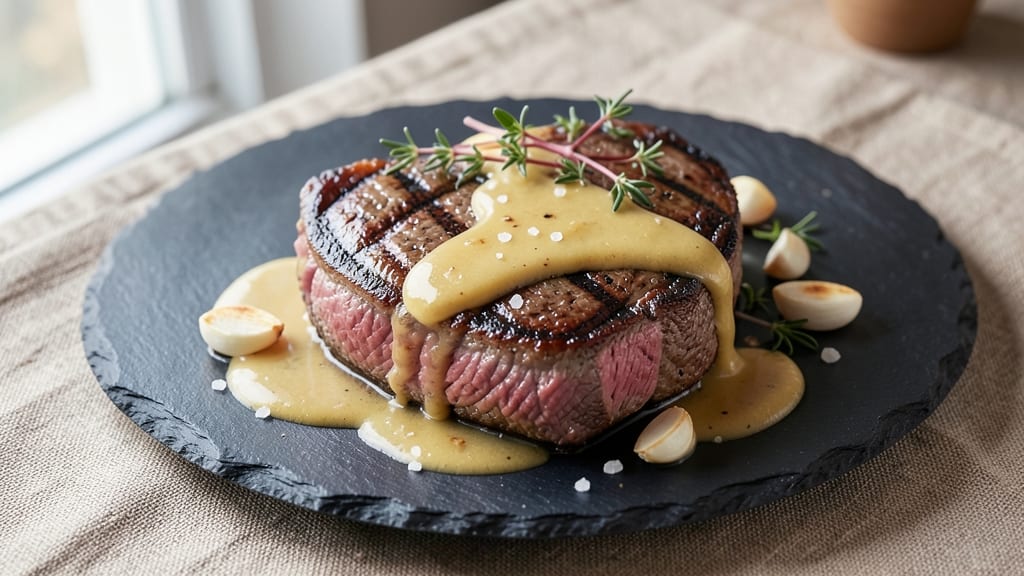
This American beef steak recipe delivers the perfect balance of caramelized crust and juicy core using a reverse-sear technique that transforms even tough cuts into restaurant-quality results. The secret lies in slow, even cooking that develops flavor without overcooking the meat—ideal for ribeye, New York strip, or filet mignon. I've perfected this method after countless experiments with high-heat searing and low-temperature precision, ensuring every bite stays tender while achieving that coveted crust.
What sets this recipe apart is the foolproof reverse-sear method, where the steak cooks slowly in the oven before finishing with a quick sear in a screaming-hot pan. This approach guarantees a juicy interior and a deeply flavorful crust, regardless of your skill level.
The process also minimizes stress, as you won't need to hover over a hot grill or pan, making it perfect for weeknight dinners or special occasions alike.
By the time you plate this steak, you'll have a perfectly cooked cut with a deep mahogany crust and a tender, melt-in-your-mouth center. The reverse-sear technique ensures consistent results every time, whether you're cooking for two or feeding a crowd.
Pair it with classic American sides like garlic butter roasted potatoes, grilled asparagus, or a crisp arugula salad to complete the meal.
Ready in about 45 minutes, this recipe transforms a simple piece of beef into a showstopping main course. The key is patience and precision—slow cooking builds flavor, while the final sear locks in juices and creates that irresistible crust. Here's how to achieve it every time.
Ingredients for american beef steak
The secret to perfect American beef steak lies in these carefully chosen ingredients, designed for restaurant-quality reverse-sear results.
| Ingredient | Amount | Notes |
|---|---|---|
| Ribeye Steak 🥩 | 1 ½ lb | 1.5-inch thick, bone-in preferred |
| Kosher Salt 🧂 | 1 ½ tbsp | Diamond Crystal preferred, coarse grain |
| Freshly Ground Black Pepper 🌶️ | 1 tbsp | Cracked peppercorns for best flavor |
| Unsalted Butter 🧈 | ½ cup | Cold, cut into 8 pieces |
| Garlic Cloves 🧄 | 6 cloves | Smashed, skin-on for flavor |
| Fresh Thyme Leaves 🌿 | ¼ cup | Stemmed, or 1 tbsp dried |
| Extra-Virgin Olive Oil 🫒 | 1 tbsp | For searing, high smoke point |
| Yellow Onion 🧅 | 1 whole | Thinly sliced, for garnish |
| Fresh Rosemary 🌿 | ½ tsp | Finely chopped, for aroma |
| Balsamic Vinegar 🍷 | 1 tbsp | For deglazing, aged variety |
| Heavy Cream 🥛 | ¼ cup | For butter basting |
The steak selection is critical—ribeye delivers the best marbling for flavor, but New York strip or filet mignon work equally well. Purchase from a trusted butcher or high-end grocery like Whole Foods or D'Agostino for prime cuts with visible marbling. Look for steaks with a vibrant red color and minimal graying—this indicates freshness. The thickness matters too: 1.5-inch cuts ensure even cooking without overcooking the center. For a crowd, scale up proportionally while maintaining thickness.
Salt and pepper are non-negotiable for seasoning, but the Diamond Crystal kosher salt is preferred due to its coarse texture, which adheres better to the steak's surface. Freshly cracked black pepper adds depth that pre-ground can't match. The butter, garlic, and thyme create a flavorful crust during the sear, while the extra-virgin olive oil ensures a high-heat sear without burning. No fresh thyme? Dried works at one-third the amount, but fresh is ideal. For the garnish, caramelized onions elevate presentation—sauté them slowly with a splash of balsamic until deep golden brown.
Steaks should rest at room temperature for 30-45 minutes before cooking to ensure even doneness. Store unused butter in an airtight container in the fridge for up to 3 months, while fresh herbs like thyme and rosemary keep for 1 week wrapped in damp paper towels. The reverse-sear method transforms tougher cuts into tender perfection—this technique is foolproof for achieving a deep mahogany crust with a juicy interior every time. Leftovers? Reheat gently in the oven to maintain moisture, but steak is best enjoyed fresh.
Why You'll Love This Recipe
- Five-Ingredient Magic: I swear by this—just salt, pepper, butter, garlic, and a ribeye. That’s it. No fancy marinades or hours of prep. The secret’s in the sear and the garlic butter basting, which I can do while chatting with my guests.
- Butter-Basted Bliss: The moment that rich butter hits the pan and coats the steak? Pure satisfaction. That crispy crust with the garlic-infused butter melting into the meat? It’s the kind of flavor that makes you forget about takeout.
- Weeknight or Date Night: Honestly, this works for both. Toss it on the grill for a casual Friday or sear it in the cast iron for a fancy-ish dinner. The same simple steps deliver every time—no stress, just great food.
- Leftovers? Even Better: The second day is where this steak shines. Slice it thin, pile it on toast with a fried egg, or toss it into a salad. That ribeye stays tender, and the garlic butter flavor only deepens—my lazy Sunday lunches have never been tastier.
Step-by-step instructions for perfect reverse-sear ribeye
This technique guarantees a perfectly juicy core with a caramelized crust every time.
Prepare the Steak for Even Cooking
Remove the ribeye steak from the refrigerator and let it sit at room temperature for 45-60 minutes. This allows the meat to cook more evenly and prevents shocking the surface during searing. Pat the steak dry with paper towels—moisture is the enemy of a good sear, so take your time and get it completely dry on all sides.
While the steak rests, prepare a dry rub by combining the 1.5 tablespoons kosher salt and 1 tablespoon freshly ground black pepper in a small bowl. Generously coat both sides of the steak with this mixture, pressing it into the meat so it adheres well. The salt will help develop the crust and enhance the natural beef flavors. Let the seasoned steak rest uncovered on a wire rack for another 15 minutes before cooking.
Low-Temperature Roast to Perfect Core Temperature
Preheat your oven to 250°F and place a wire rack inside a rimmed baking sheet. Position the steak on the rack to allow air circulation on all sides. Roast for 45-60 minutes, depending on thickness, until the internal temperature reaches 110°F at the thickest part. Use an instant-read thermometer to check—this is crucial for the reverse-sear method.
The low oven temperature gently cooks the steak's core while keeping the exterior cold and uncooked. This step ensures the meat finishes with a perfect pink center while developing a deep crust during the final sear. Don't rush this process; patience is key to achieving the ideal texture.
Create the Garlic-Thyme Butter for Searing
While the steak roasts, prepare the garlic-thyme butter by combining the 0.5 cup cold unsalted butter, 6 smashed garlic cloves, 0.25 cup fresh thyme leaves, and 0.5 teaspoon fresh rosemary in a small bowl. Mix gently to distribute the herbs evenly. This aromatic butter will create a flavorful crust during the final searing step.
Chill the butter mixture in the refrigerator until ready to use. The cold butter helps create a better sear and adds rich flavor to the steak's surface. Keep the butter in a small ramekin or shallow dish for easy access during the final searing phase.
High-Heat Sear for Caramelized Crust
Heat a heavy skillet (cast iron works best) over high heat until smoking hot. Add 1 tablespoon extra-virgin olive oil and swirl to coat the pan evenly. Place the steak in the pan and let it sear undisturbed for 2-3 minutes per side until a deep brown crust forms. This high-heat sear creates the signature caramelized exterior.
After the first 2 minutes, add the chilled garlic-thyme butter to the pan. Tilt the pan slightly and spoon the melted butter over the steak repeatedly for 1-2 minutes until the butter is fully incorporated and the steak develops a glossy finish. The butter basting adds flavor and helps create a beautiful crust. Let the steak rest on a wire rack for 10 minutes before slicing.
Rest and Serve with Balsamic Reduction
While the steak rests, prepare a simple balsamic reduction by heating 1 tablespoon balsamic vinegar in a small saucepan over medium heat until reduced by half. Add 0.25 cup heavy cream and simmer for 2-3 minutes until slightly thickened. Thinly slice the whole yellow onion and sauté in a separate pan until caramelized for garnish.
Slice the steak against the grain into 0.5-inch thick portions and serve immediately with the balsamic reduction drizzled over the top. The meat should be medium-rare with a pink center and a beautiful caramelized crust. Garnish with the caramelized onions for added texture and visual appeal. Each bite should deliver perfect balance between juicy interior and flavorful crust.
Pro Tips For Making American Beef Steak
- USE A CAST-IRON SKILLET: High heat is your friend here—cast iron holds it best. I’ve tried stainless steel, but nothing gives that perfect crust like a screaming-hot cast-iron pan with a few minutes of searing before you even think about butter.
- SALT THE STEAK 40 MINUTES EARLY: Don’t wait until the last second—pat the ribeye dry, then season it generously with kosher salt and let it sit uncovered on a plate. This draws out moisture so the crust forms properly, and it actually makes the steak more tender.
- DON’T OVERCROWD THE PAN: One steak at a time, or you’ll steam it instead of sear it. I learned this the hard way when I tried to cook two ribeyes at once—ended up with sad, gray meat instead of a golden crust.
- GARLIC BUTTER SHOULD MELT, NOT BURN: After searing, add your butter and garlic cloves, but keep the heat medium. If the butter starts browning too fast, pull the pan off the heat for 10 seconds—you want flavor, not a burnt mess. (Yes, even if you’re impatient like me.)
Regional styles of american beef steak
Classic Texas Style
In Texas, beef steaks are all about bold flavors and generous portions. For a true Lone Star twist, season your ribeye with 1 tablespoon smoked paprika and ½ teaspoon cayenne pepper along with the kosher salt and black pepper.
Serve it with charro beans (pinto beans cooked with bacon, garlic, and chili powder) and grilled corn on the cob slathered with chipotle mayo. The smoky, spicy crust pairs perfectly with the juicy interior, and the sides complete the Texas BBQ experience. 🌶️
New York Strip Tradition
New York City steakhouses like Peter Luger made the New York strip famous for its tender texture and rich flavor.
For an authentic NYC approach, use a 2-inch thick New York strip steak and season it with just 1 teaspoon kosher salt and ½ teaspoon cracked black pepper—no extra herbs or spices.
Cook it to medium-rare (130°F internal temp) and serve it with horseradish cream and roasted baby potatoes. The simplicity of the seasoning lets the beef's natural flavor shine through. ⚡
Chicago-Style Butter-Basted
Chicago is known for its deep-dish pizza, but the city's steak scene is equally impressive. For a Chicagoan twist, baste your steak with a mix of ½ cup melted butter, 2 tablespoons Worcestershire sauce, and 1 teaspoon garlic powder during the final sear.
Serve it with garlic-parmesan fries and a side of creamy coleslaw. The rich, savory basting adds a layer of umami that's pure Chicago style. 💛
California Wine Country
In Napa Valley and Sonoma, steak dinners are elevated with local wines and fresh, seasonal ingredients. For a California-inspired dish, marinate your ribeye in 2 tablespoons olive oil, 1 tablespoon Dijon mustard, and 1 teaspoon fresh rosemary for 1-2 hours before cooking.
Pair it with grilled asparagus wrapped in prosciutto and a red wine reduction made from Cabernet Sauvignon. The wine country approach focuses on fresh, high-quality ingredients and bold flavors. 🍷
Southern Fried Steak
In the South, steak gets a crispy, fried twist—especially in states like Tennessee and Louisiana.
For Southern fried steak, coat your ribeye in 1 cup all-purpose flour mixed with 1 teaspoon paprika and ½ teaspoon garlic powder, then deep-fry it in 375°F oil for 3-4 minutes per side until golden brown. Serve it with creamy mac and cheese and collard greens.
The crispy exterior contrasts beautifully with the tender interior. 🔥
Midwest Grilled Favorite
The Midwest loves its grilled steaks, often served with classic sides like baked beans and cornbread. For a Midwest-style steak, grill your ribeye over charcoal or hardwood coals for a smoky flavor, and brush it with applewood-smoked butter during the last 2 minutes of cooking.
Pair it with grilled zucchini and bell peppers and a side of honey-glazed carrots. The smoky, grilled flavor is a staple of Midwest barbecue culture. 🌽
Nutrition facts
Frequently asked questions
What's the best cut for this American beef steak recipe?
This recipe works perfectly with ribeye (best for marbling), New York strip (leaner but flavorful), or filet mignon (most tender). For maximum flavor, choose 1.5-inch thick cuts with visible fat marbling. Bone-in steaks add extra flavor but aren't required. Always ask your butcher for "prime" or "choice" grade beef for restaurant-quality results.
Why does the reverse-sear method work better than traditional grilling?
The reverse-sear method prevents overcooking by gently warming the steak's core first (250°F oven), then creating the crust with high heat. This ensures a perfectly pink center while developing that coveted caramelized exterior. Traditional grilling risks overcooking the center while trying to get the crust right. The slow cook also enhances beef flavors through natural moisture retention.
How do I know when my steak is done without a thermometer?
For medium-rare (recommended), press the steak gently with your finger: it should feel like pressing your thumb and index finger together with slight resistance. The center should still be cool to the touch. For visual cues, look for a deep mahogany crust and slightly pink center. Remember: steak continues cooking after removing from heat, so pull it out when it reaches 110°F for medium-rare.
Can I use this recipe for thinner steaks?
This method works best with 1.5-inch thick steaks, but you can adapt it for thinner cuts (1-inch). Reduce the oven time to 20-30 minutes at 250°F until internal temp reaches 105°F, then sear for 1-2 minutes per side. Thinner steaks will cook faster, so monitor closely. For best results, consider using a 1-inch thick New York strip instead.
What if my steak comes out overcooked?
If your steak reaches 145°F (medium), it's still safe to eat but will be less tender. To salvage it, slice against the grain and serve with rich sauces like red wine reduction or blue cheese butter to enhance flavor. For future attempts, reduce oven time by 5-10 minutes and check temperature more frequently. Remember: steak continues cooking 5-10°F after removing from heat.