
Main Courses
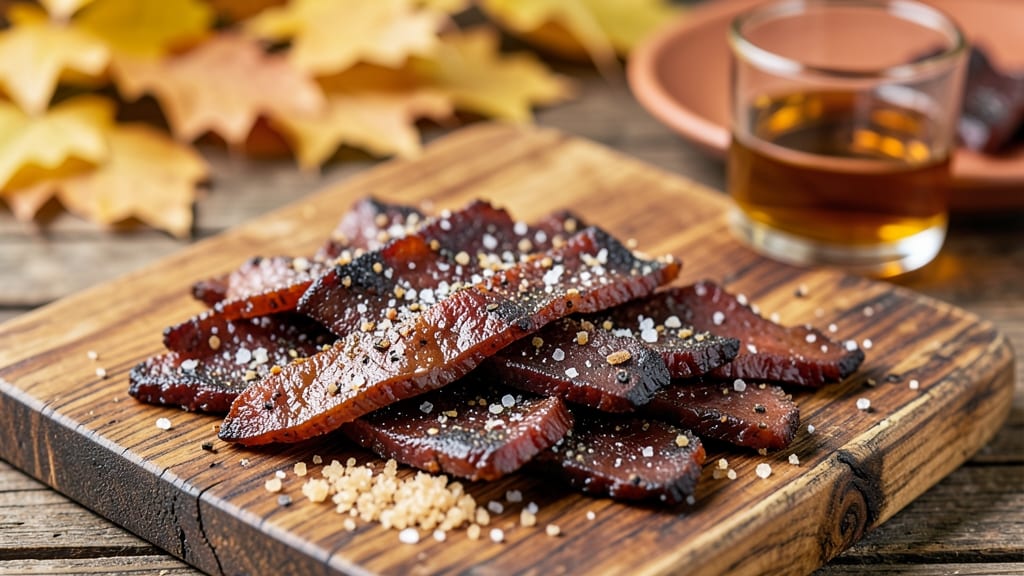
This American harvest beef jerky recipe transforms tough cuts of beef into chewy, smoky-sweet strips that taste like autumn in every bite. The secret lies in a 3-day cure that tenderizes the meat while infusing it with bold flavors—think coffee, bourbon, and classic salt-pepper blends that define traditional American harvest season. I developed this method after years of perfecting the balance between chewiness and tenderness, ensuring every strip delivers restaurant-quality satisfaction at home.
The process starts with precise slicing against the grain, followed by a marinade that penetrates deeply to prevent dryness. Using a dehydrator or smoker at 165°F guarantees even cooking without overpowering the natural beef flavor.
Safety is critical: we’ll cover proper doneness checks and storage to keep your jerky fresh for months. This isn’t just a snack—it’s a foolproof way to preserve meat with bold, harvest-inspired flavors that stand out from store-bought versions.
What you’ll end up with is jerky that’s chewy yet tender, with a deep, caramelized crust and layers of smoky-sweet complexity. The coffee-bourbon cure adds a rich depth that pairs perfectly with beer or as a protein-packed snack on the go.
Whether you’re prepping for camping trips or stocking your pantry, this method ensures every batch turns out perfect—no guesswork, no wasted meat.
For those who love customization, we’ll explore variations like hickory-smoked or spicy chipotle blends, plus tips for adjusting sweetness or heat. Let’s get started on jerky that tastes like a harvest celebration in every bite.
Ingredients for american harvest beef jerky
Four pounds of beef and eleven bold flavors—this harvest cure transforms tough cuts into restaurant-quality jerky.
| Ingredient | Amount | Notes |
|---|---|---|
| Top-Round Roast Beef 🥩 | 2 lb | Tough cut, trimmed of fat |
| Light Brown Sugar 🍯 | ½ cup | Packed, for sweetness balance |
| Instant Coffee Granules ☕ | 2 tbsp | High-quality for deep flavor |
| Bourbon Whiskey 🥃 | ¼ cup | 80-proof minimum for authenticity |
| Kosher Salt 🧂 | ¼ cup | Diamond Crystal preferred |
| Ground Black Pepper 🌶️ | 1 tbsp | Freshly cracked for heat |
| Smoked Paprika 🌶️ | 1 tbsp | For smoky depth |
| Garlic Powder 🧄 | 1 tsp | For aromatic base |
| Onion Powder 🧅 | 1 tsp | For savory complexity |
| Worcestershire Sauce 🍶 | 1 tbsp | Vegetarian version if needed |
| Lemon Juice 🍋 | 1 tbsp | Freshly squeezed for brightness |
| Apple Cider Vinegar 🍎 | 1 tbsp | For tenderizing acidity |
| Water 💧 | ½ cup | For cure mixture |
The beef is everything here. Top-round roast delivers that perfect chewy texture—skip the sirloin or tenderloin, they’re too lean and will turn dry. Costco or local butchers usually carry it pre-cut into strips, but if you’re buying a whole roast, slice it against the grain into ¼-inch thick strips. The fat cap? Trim it off—we want clean flavor, not grease. For the bourbon, Buffalo Trace or Maker's Mark add that authentic autumnal depth, but any 80-proof whiskey works. Instant coffee granules are key: Starbucks or Folgers brands work best—they dissolve completely and add that deep, earthy note that mimics smoked jerky.
No bourbon? Dark rum or even extra coffee granules can stand in, though the flavor will shift slightly. Running low on Worcestershire? Substitute soy sauce plus a pinch of sugar—it’s not identical, but it’ll get you close. The cure needs to be wet enough to coat the meat but not so thin it drips. If your mixture feels too dry, add another tablespoon of water. For the sugars, turbinado or coconut sugar work too, but brown sugar’s molasses notes are what give this recipe its signature caramelized crust. Pro tip: if you’ve got leftover cure, freeze it in ice cube trays—perfect for quick jerky batches later.
This cure needs 3 full days in the fridge to work its magic—don’t rush it. After curing, pat the strips dry with paper towels before dehydrating or smoking. For the dehydrator, 165°F for 4-6 hours until leathery but still pliable. Smoking? 175°F with hickory or applewood adds that extra layer of complexity. Store in an airtight container with parchment between layers—keeps for up to 3 months at room temperature. Vacuum-sealed? 6 months easy. The first batch? Make extra—this jerky disappears faster than you’d think.
Why You'll Love This Recipe
- No-Fuss Prep: I swear, this takes less time than waiting for takeout. Thin the beef, toss it in a bowl with bourbon and coffee—no fancy equipment, just a sharp knife and 10 minutes of your life.
- Smoky-Sweet Magic: That bourbon and brown sugar combo? It’s like a campfire in your mouth. The coffee granules add this deep, earthy kick that makes store-bought jerky taste like a sad afterthought.
- Tailgate or Snack Stash: Perfect for game days, road trips, or just keeping in your desk drawer for 3 p.m. emergencies. It’s the kind of jerky that disappears fast—whether you’re feeding a crowd or just yourself.
- Budget-Protein Powerhouse: A pound of top-round beef stretches forever, and the spices cost pennies. I’ve made batches for under $5, and honestly? It’s the best $5 I’ve ever spent on protein.
Step-by-step instructions for smoky-sweet beef jerky
Here's how to transform tough top-round beef into restaurant-quality jerky with a perfect chewy texture.
Prepare and Trim the Beef
Start with the 2 lb top-round roast beef and trim away any visible fat or silver skin using a sharp boning knife. I like to work on a cutting board with the meat frozen slightly—it's easier to handle and the knife glides through cleanly. Cut the beef into ¼-inch thick strips against the grain for maximum tenderness. You should end up with about 16-20 strips depending on your knife skills.
Arrange the strips on a baking sheet lined with parchment paper and refrigerate uncovered for 1 hour. This drying step is crucial—it helps the cure penetrate evenly and prevents a gummy texture. The strips should feel dry to the touch but not brittle. If they're still damp after an hour, give them another 30 minutes in the fridge.
Make the Signature Cure
In a medium bowl, combine the 0.5 cup light brown sugar, 2 tbsp instant coffee granules, 0.25 cup kosher salt, 1 tbsp smoked paprika, 1 tsp garlic powder, and 1 tsp onion powder. Mix thoroughly with your hands or a silicone spatula until the sugar and salt dissolve completely—this creates your dry cure base. The mixture should look like coarse, moist sandpaper.
In a separate small bowl, whisk together the 0.25 cup bourbon whiskey, 1 tbsp Worcestershire sauce, 1 tbsp lemon juice, 1 tbsp apple cider vinegar, and 0.5 cup water. This liquid cure adds depth and helps tenderize the meat. Pour the wet ingredients over the dry mixture and stir until fully combined. The cure should be thick but pourable—like a wet sand mixture. Taste it (yes, really) to ensure the balance of sweet, smoky, and tangy flavors.
Cure the Beef Overnight
Place the dried beef strips in a single layer in a resealable plastic bag or glass container with a tight lid. Pour the cure mixture over the beef, making sure each strip is fully coated. Seal the container and massage the beef gently to distribute the cure evenly. Refrigerate uncovered for 12-24 hours, turning the strips every 4-6 hours to ensure even curing. This step transforms tough meat into tender, flavorful jerky.
After curing, the beef should feel noticeably softer and the strips should be fully saturated with the cure. If any strips feel dry or aren't absorbing the cure, give them another 4-6 hours in the fridge. The longer you cure (up to 24 hours), the more intense the flavor becomes, but don't exceed this time or the meat may become mushy.
Smoke and Dry for Perfect Texture
Preheat your smoker to 165°F using hickory or apple wood chips for that authentic American harvest flavor. Line a smoker rack with aluminum foil and arrange the cured beef strips in a single layer. Smoke the strips for 4-6 hours, checking occasionally to ensure they're drying evenly. The strips should feel firm to the touch but still pliable—like a well-chewed piece of gum.
For the final drying stage, transfer the strips to a food dehydrator set to 145°F or a well-ventilated oven with the door slightly ajar. Dry for 6-8 hours until the strips are completely dry and snap when bent. They should be chewy but not rubbery, with a deep mahogany color. If they're still slightly moist after 6 hours, give them another 1-2 hours—proper drying prevents spoilage and ensures perfect texture.
Rest and Store for Maximum Flavor
Once fully dried, let the jerky cool completely on the rack or dehydrator tray for 1 hour. This resting period allows the flavors to meld and the texture to set properly. Store in an airtight container in the refrigerator for up to 2 weeks or freeze for up to 6 months. The longer it rests in the fridge, the more the flavors develop—it's worth the wait!
Slice into ½-inch pieces and enjoy your homemade jerky with that perfect balance of smoky, sweet, and savory flavors. Each bite should deliver a satisfying chew and a burst of complex seasoning. This method guarantees jerky that's far superior to store-bought—crispy on the outside, tender on the inside, and packed with authentic harvest flavors.
Pro Tips For Making American Harvest Beef Jerky
- Trim Before Marinating: Slice your top-round beef against the grain into ¼-inch strips first—thin but not paper-thin. I learned this the hard way: thicker slices chew like boot leather, while strips this size stay tender but crisp up perfectly in the dehydrator. Use a sharp knife, or your arm will hate you.
- Brown Sugar First: Mix the light brown sugar with the instant coffee before adding bourbon—this prevents clumping and lets the sugar caramelize slightly when you toss it with the beef. I used to just dump everything together, and the sugar would turn to paste. Now it sticks like a perfect glaze.
- Marinate Overnight (No Exceptions): The bourbon and coffee need at least 12 hours to penetrate the beef, or you’ll end up with jerky that tastes like salted sugar with a hint of regret. I skipped this once and got jerky that tasted like a sad campfire. Trust the process—your future snack self will thank you.
- Dehydrate Hot, Finish Cool: Start your dehydrator at 160°F for the first 4 hours to evaporate moisture fast, then drop to 140°F for the final 6–8 hours. I used to run it at 160° the whole time, and the jerky turned chewy. The lower temp seals the flavor without overcooking.
Troubleshooting this dish
Uneven Drying Fixes
If your jerky dries unevenly—some strips rubbery while others remain moist—adjust your dehydrator or smoker placement. Use a fan (like the Nesco FD-75A) to circulate air evenly, and arrange strips in a single layer with ½-inch gaps between them.
For ovens, prop the door open with a wooden spoon to improve airflow. I’ve found that rotating trays midway through drying helps too. 🌡️
Gummy Texture Solutions
Gummy jerky usually means under-drying or insufficient curing time. First, check your internal temperature: use a meat thermometer to confirm strips reach 160°F before removing. If they’re still sticky after drying, return them to the dehydrator for 1-2 extra hours at 145°F.
For future batches, extend curing to 24 hours and ensure your cure mixture is fully saturated—no dry spots on the beef.
Excessive Shrinkage
Overly shriveled jerky happens when strips are too thin or dried too aggressively. Aim for ¼-inch thickness when slicing, and never exceed 165°F in your dehydrator/smoker.
If shrinkage is already an issue, rehydrate the jerky by soaking in warm water for 10-15 minutes, then pat dry and finish drying at 140°F for 2-3 hours to restore chewiness.
Flavor Imbalance
If your cure tastes too sweet or too salty, adjust future batches by tasting the mixture before applying. For sweetness, reduce brown sugar by 1 tbsp and add ½ tsp cinnamon for depth.
For saltiness, cut kosher salt to ¼ cup and add 1 tsp garlic powder to enhance savory notes. I keep a small scale handy to measure spices precisely—OXO Good Grips is my go-to for accuracy.
Spoilage Prevention
Jerky spoils when moisture lingers or storage isn’t airtight. Always store in vacuum-sealed bags (like FoodSaver) or glass jars with parchment paper between layers. Refrigerate for 2 weeks or freeze for 6 months—never leave it at room temperature beyond 1 month.
If jerky smells sour or off, discard it immediately. Trust your nose: safety first! ⚠️
Nutrition facts
Frequently asked questions
Can I use a different cut of beef for this recipe?
Top-round roast is ideal for its lean texture and affordability, but you can use round steak or chuck roast in a pinch. Avoid tender cuts like sirloin—they’ll turn dry. For chuck, trim extra fat and marinate 48 hours instead of 24 to tenderize properly. The key is ¼-inch thickness and slicing against the grain.
What if I don’t have a dehydrator or smoker?
No problem! Use an oven set to 175°F with the door propped open 2 inches for airflow. Place strips on a wire rack over a baking sheet and dry for 6-8 hours, checking every 2 hours. For extra flavor, add wood chips to foil on the bottom rack. Just avoid high heat—it’ll burn the outside before drying the inside.
How do I adjust the spice level for heat lovers?
Add ½ tsp cayenne pepper or 1 tbsp chipotle powder to the dry cure for medium heat. For spicy kick, mix in 1 tbsp hot sauce (like Frank’s RedHot) with the wet cure. Start with half the amount—you can always add more later. Balance heat with extra brown sugar to prevent dryness from the spices.
Why does my jerky turn out rubbery?
Rubbery jerky usually means over-drying or too-thin strips. Check your internal temperature—it should reach 160°F (not the surface). If strips are too thin (less than ¼ inch), they’ll dry unevenly. For future batches, reduce drying time by 1 hour and store in vacuum-sealed bags to lock in moisture. A meat thermometer is your best friend!
Can I make this jerky without bourbon?
Substitute bourbon with ¼ cup apple juice or dark rum for depth, or use extra coffee granules (+1 tbsp) for a stronger roasted note. For a savory twist, add 1 tbsp soy sauce to the wet cure. The bourbon adds complexity, but these swaps keep the harvest flavors intact.