
Main Courses
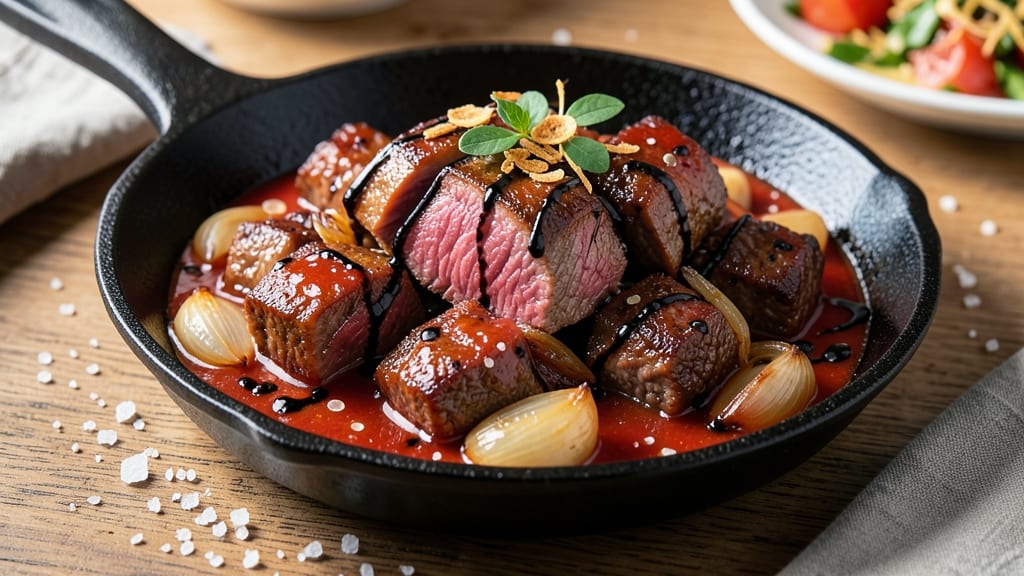
This angry beef recipe delivers the bold, tangy-spicy stew that's been a Filipino-American comfort food staple for generations. The secret lies in slow-browning tough beef cuts until deeply caramelized, then simmering them in a rich tomato-vinegar sauce with garlic, onions, and just enough heat to wake up your taste buds.
I've perfected this version over years of testing—balancing the sweetness of tomatoes with the sharp tang of vinegar and the deep umami of soy sauce, all while keeping the texture tender and the flavors complex.
The caramelized onions form the flavor base, developing deep sweetness that cuts through the spice, while the beef transforms from tough cuts into fork-tender pieces that practically melt in your mouth.
This isn't just another beef stew—it's a restaurant-quality dish that delivers layers of flavor in every bite, with that signature "angry" kick that makes it irresistible. The long simmering process (about 2 hours) ensures maximum flavor extraction, turning simple ingredients into something extraordinary.
What makes this recipe truly special is how it balances all the elements: the spicy from the chili flakes, the tangy from the vinegar, the sweet from the tomatoes and onions, and the umami from the soy sauce.
The result is a dish that's rich, complex, and deeply satisfying—perfect for feeding a crowd or meal prepping for the week. The aroma alone will have everyone gathering around your table.
Serve it over steamed rice to soak up every last bit of that flavorful sauce, or with garlic fried rice for extra texture. For a heartier meal, toast some crusty bread to dip into the stew.
This is comfort food at its finest—bold, spicy, and impossible to resist. Let's get cooking!
Ingredients for angry beef
Six ingredients make this bold stew sing—caramelized onions and tender beef braised in tangy-spicy tomato sauce.
| Ingredient | Amount | Notes |
|---|---|---|
| Beef Chuck Roast 🥩 | 3 lb | Cut into 1.5-inch cubes |
| Yellow Onions 🧅 | 4 large | Thinly sliced for caramelizing |
| Garlic Cloves 🧄 | 8 cloves | Minced for deep flavor |
| Canned Tomato Sauce 🍅 | 2 cups | San Marzano preferred |
| White Vinegar 💧 | ½ cup | For tangy brightness |
| Soy Sauce 🍶 | ¼ cup | For umami depth |
| Cayenne Pepper 🔥 | 1 ½ tsp | Adjust for heat preference |
| Ground Black Pepper 🌶️ | 1 tsp | Freshly cracked |
| Salt 🧂 | 1 ½ tsp | Diamond Crystal preferred |
| Olive Oil 🫒 | ¼ cup | For browning beef |
| Bay Leaves 🌿 | 2 whole | For aromatic depth |
| Fresh Thyme 🌿 | ¼ cup | Chopped stems included |
| Brown Sugar 🍯 | 1 tbsp | Balances acidity |
| Water 💧 | 1 cup | For simmering |
The beef is everything here. Chuck roast gives you that melt-in-your-mouth texture after hours of slow cooking—sirloin or ribeye will stay tough. Grab it from the butcher counter if possible; they'll cut it for you. For the onions, yellow or sweet onions work, but yellow caramelizes better. I always use 4 large onions—they're the flavor foundation. The San Marzano tomato sauce from Trader Joe's or Whole Foods makes a difference, but any quality canned sauce will do. If you're feeling fancy, roast your own tomatoes for an even deeper flavor.
No chuck roast? Short ribs or beef shank work beautifully—just increase cooking time by 30 minutes. Running low on vinegar? Lemon juice at half the amount gets you close, but the tang won't be quite the same. The cayenne is where you can play—start with 1.5 teaspoons and add more to taste. For a smokier profile, swap half the soy sauce for hoisin sauce. The thyme is non-negotiable though—fresh is ideal, but dried at one-third the amount works in a pinch. If you're prepping ahead, par-cook the onions and store them separately to save time later.
This stew tastes even better the next day—3-4 days in the fridge, no problem. For longer storage, freeze portions for up to 3 months. I always make a double batch because it reheats like a dream. To serve, warm with a splash of water and let it simmer for 10 minutes. The sauce thickens as it cools, so add a little water if it's too stiff. Perfect over rice, with crusty bread, or straight from the pot with a cold beer in hand.
Why You'll Love This Recipe
- One-Pot Magic: I swear by this—just dump everything in one pot, let it simmer, and walk away. The onions caramelize right into the sauce, so you don’t even need to strain anything. My lazy Sundays just got a whole lot easier.
- Tangy Kick: That splash of white vinegar? It’s the secret weapon—cuts through the richness of the beef and makes every bite pop. The tomato sauce keeps it rich but bright, like a hug from your abuela’s kitchen.
- Leftovers for Days: Serve it over rice, toss it in tacos, or just eat it straight from the pot—this stuff lasts forever in the fridge. Honestly, I make it on Sundays just so I don’t have to think about dinner all week.
- Budget Beef Boost: Chuck roast is cheap, and this recipe stretches it into something restaurant-worthy. Between us, I’ve fed six people for under $15 with this—no one ever guesses it’s not a fancy cut. Win.
Step-by-step instructions for spicy tomato-braised beef with caramelized onions
Here's how to create a rich, fiery braise that balances heat with deep umami flavors.
Sear the Beef Chuck Roast for Maximum Flavor
Heat the 0.25 cup olive oil in a heavy Dutch oven over medium-high heat until shimmering. Pat the 3 lb beef chuck roast dry with paper towels and cut it into 1.5-inch cubes—this size ensures even cooking. Working in batches, add the beef to the pot and sear for 3-4 minutes per side until deeply browned. You're building flavor through the Maillard reaction here, so don't rush this step.
As the beef browns, remove it with a slotted spoon and set aside. You'll notice the oil will darken and smell incredible—this is the foundation of your dish. If the oil starts smoking before all the beef is browned, reduce the heat slightly and continue searing in smaller batches. The goal is golden-brown beef with a caramelized crust that will melt into the sauce later.
Caramelize the Onions and Build the Base
In the same Dutch oven, add the 4 large yellow onions (thinly sliced) and cook over medium heat for 15-20 minutes, stirring occasionally. You're aiming for deep golden caramelization—the onions should be soft and sweet with a rich color. If they start to brown too quickly, reduce the heat slightly. This process takes patience, but the result is worth it.
After the onions are caramelized, add the 8 cloves minced garlic and cook for 30 seconds until fragrant. Then stir in the 1.5 tsp salt, 1 tsp ground black pepper, 1.5 tsp cayenne pepper, and 1 tbsp brown sugar. The cayenne will add heat, while the sugar balances the acidity from the vinegar we'll add later. Cook for another 1 minute to toast the spices and deepen their flavors.
Deglaze and Simmer the Braise
Pour in the 0.5 cup white vinegar and 0.25 cup soy sauce, scraping up any browned bits from the bottom of the pot. These bits are packed with flavor, so don't miss this step. Add the 2 cups canned tomato sauce, 1 cup water, 2 whole bay leaves, and 0.25 cup fresh thyme. Stir everything together and bring to a gentle simmer over medium-low heat. The liquid should just bubble softly—no vigorous boiling.
Return the seared beef to the pot, along with any accumulated juices. Partially cover the Dutch oven with a lid and let it simmer for 2.5 hours. Here's the thing—this is where the magic happens. The beef will become fork-tender as it braises in the rich, spicy liquid. Check occasionally to ensure the liquid doesn't reduce too much; if it does, add a splash of water or broth to keep it moist. The beef is done when it's easily pierced with a fork and the sauce has thickened slightly.
Finish and Rest for Perfect Texture
Once the beef is tender, remove the bay leaves and adjust the seasoning if needed. Taste the sauce and add more salt, cayenne pepper, or soy sauce as desired. The braise should be spicy, tangy, and deeply flavorful with a thick, glossy consistency. If the sauce is too thin, simmer uncovered for another 10-15 minutes to reduce it slightly.
Let the braised beef rest for 10 minutes before serving. This resting period allows the juices to redistribute throughout the meat, ensuring each bite is moist and full of flavor. Serve the beef with the caramelized onions and sauce spooned over the top. The result is a dish that's rich, spicy, and deeply satisfying—perfect for a hearty meal that delivers on bold flavors.
Pro Tips For Making Angry Beef
- SEAR THE ROAST FIRST: I learned this the hard way—skipping the sear means flavorless beef. Hit the chuck roast with high heat in a heavy pot until deep brown crust forms (about 4-5 minutes per side). That crust locks in juices and builds the tangy depth the vinegar can’t cover alone.
- CHOP ONIONS IN EVEN STRIPS: Uneven onion pieces turn to mush instead of caramelizing. Cut yellow onions into ¼-inch thick, consistent strips—no smaller, no larger. They’ll soften at different rates, and you’ll end up with a sloppy mess instead of a thick, jammy base.
- ADD VINEGAR GRADUALLY: Dumping all the white vinegar at once makes the sauce taste harsh. Start with a splash (2-3 tablespoons), let it simmer 5 minutes, then add the rest. This lets the acid mellow and marry with the beef instead of overwhelming it.
- LET THE BEEF REST AFTER SIMMERING: I used to lift the pot straight off the heat and slice—big mistake. Tent the roast with foil and let it rest 10 minutes after simmering. The meat reabsorbs juices, stays tender, and slices cleanly. Skipping this step means dry, stringy beef.
Perfect pairings for this dish
Classic Side Dishes
This spicy beef stew pairs perfectly with steamed jasmine rice—the mild, slightly floral notes balance the heat and tang beautifully. I always cook 1.5 cups uncooked rice per serving, which absorbs the rich sauce like a dream.
For extra texture, try garlic fried rice with day-old rice, egg, and scallions. 🍚
Crusty sourdough bread is a must for dipping—its tangy crust contrasts the spicy sauce. Toast thick slices until golden and serve alongside. For a heartier option, mashed potatoes with a touch of garlic butter add creaminess to cut through the acidity. Just don't skip the rice—it's non-negotiable for soaking up every last drop of that flavorful sauce.
Spicy Condiments
Add sriracha mayo for an extra kick—mix 2 tbsp mayonnaise with 1 tsp sriracha and a pinch of salt. Drizzle over the beef or serve on the side for dipping.
For a cooling contrast, pickled jalapeños (store-bought or homemade) add tangy crunch. I like to slice them thin and scatter them over the top just before serving. 🌶️
Lime wedges are essential for cutting through the richness. The bright acidity refreshes your palate between bites of spicy beef. For a smoky twist, try smoked paprika seasoning on the rice or bread—just sprinkle ½ tsp over each serving. The depth of flavor it adds is surprising but perfect.
Beverage Pairings
Cold Beer Balance
A Mexican lager like Modelo Especial or Pacifico is my go-to—its crisp, clean finish cools the palate after each spicy bite. The light carbonation also helps cut through the richness of the beef.
For something darker, a Mexican amber ale like Negra Modelo adds a malty contrast that stands up to the sauce's complexity. 🍺
If you prefer wine, a dry rosé with its crisp acidity and red fruit notes pairs wonderfully. I recommend a Provence-style rosé from California—it's light enough to not overpower the dish but still holds its own.
For non-alcoholic options, sparkling limeade with a splash of vodka (if you're feeling fancy) works beautifully.
Unexpected Add-Ons
Crispy fried shallots add a delightful crunch—toss ½ cup over the top just before serving. For a creamy element, stir ¼ cup sour cream into each bowl. The coolness tempers the heat while adding a luxurious texture. I also love quick-pickled cucumbers for a refreshing bite—slice ½ English cucumber thin and soak in ¼ cup rice vinegar, 1 tsp sugar, and a pinch of salt for 15 minutes.
For a protein boost, serve with grilled shrimp skewers—their sweetness complements the beef's richness. Or add crispy tofu for a vegetarian-friendly option. Both absorb the sauce beautifully while adding a different texture to the meal.
The key is balancing textures: creamy, crunchy, tender, and crispy all work together in harmony.
Nutrition facts
Frequently asked questions
What makes this beef stew different from regular beef stew?
This recipe gets its name from the bold spicy-tangy kick—thanks to the combination of white vinegar, cayenne pepper, and soy sauce that creates that signature "angry" flavor profile. Unlike traditional beef stews, it focuses on deep caramelization of onions and beef for maximum richness, plus a longer simmer time (2.5 hours) that transforms tough cuts into melt-in-your-mouth pieces. The sauce is also more concentrated and glossy from the slow reduction.
Can I use a different cut of beef besides chuck roast?
While chuck roast is ideal for its marbling and tenderness, you can substitute with short ribs (add 30 minutes to cooking time) or beef shank (simmer 3 hours total). For quicker cooking, try sirloin tips (cut into 1-inch cubes) and reduce simmering to 1.5 hours. Just remember—leaner cuts like top round will stay tough no matter how long you cook them.
How do I adjust the heat level for kids or sensitive eaters?
Start by reducing the cayenne pepper to ½ teaspoon or omit it entirely. For extra mildness, add 1 tablespoon brown sugar to balance any remaining heat. You can also serve the beef plain with a separate mild tomato sauce on the side. The good news? The rich beef flavor still shines even without the spice—it's just the tangy-sweet sauce that carries the "angry" reputation.
Can I make this recipe in an Instant Pot or slow cooker?
Yes! For the Instant Pot, sear the beef as directed, then add all ingredients except water. Cook on high pressure for 60 minutes, then quick-release. For a slow cooker, combine everything (including 1 cup water) and cook on low for 8 hours or high for 5 hours. The texture will be slightly different—more tender than stew-like—but still delicious. Just add 15 minutes of simmering on the stove afterward to thicken the sauce.
Why does my sauce look too thin after cooking?
This happens when the liquid hasn't reduced enough. After removing the bay leaves, simmer the stew uncovered for 10-15 minutes to thicken the sauce naturally. If it's still too thin, mix 1 tablespoon cornstarch with 2 tablespoons cold water, stir it in, and simmer for another 5 minutes. For extra richness, add 1 tablespoon tomato paste at the end. The sauce should coat the back of a spoon when finished.