
Tips
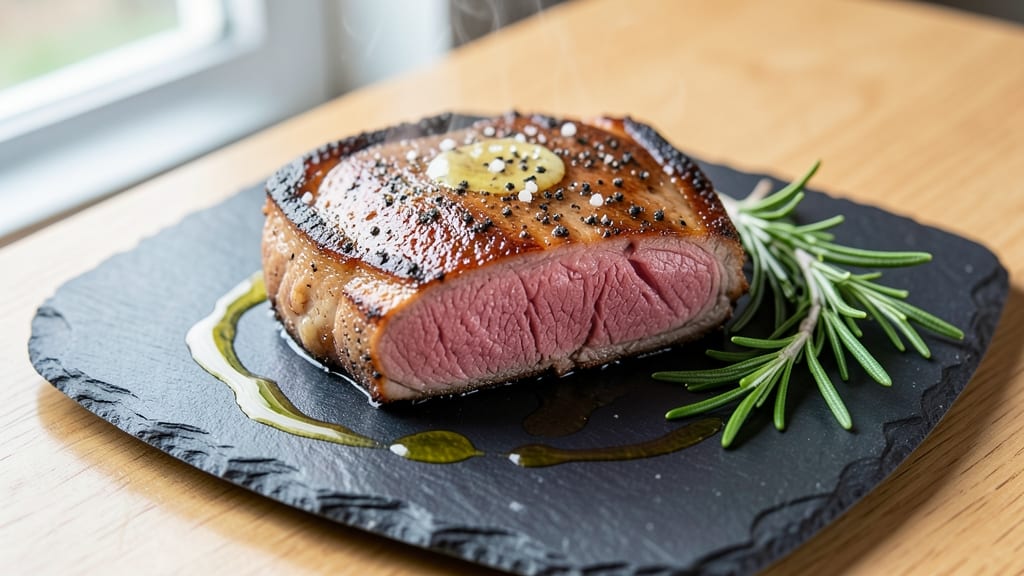
This angus beef sirloin tip steak recipe delivers restaurant-quality results at home with a perfect reverse-sear crust and juicy pink core—no overcooking, no guesswork. The secret lies in low-and-slow oven prep followed by a quick sear, ensuring tender meat with a caramelized exterior.
I’ve perfected this technique after years of testing, and it’s become my go-to for impressing guests without stressing over timing.
The beauty of this method is its precision: you control the internal temperature to your preference, whether you like it medium-rare or medium. A simple dry brine enhances flavor, while high-heat searing in cast iron or a grill locks in juices for maximum tenderness.
This recipe works equally well for weeknight dinners or special occasions, making it versatile for any meal.
By the end, you’ll have steak with a deep mahogany crust and a buttery, pink center that melts in your mouth. The reverse-sear technique eliminates the risk of overcooking, ensuring every bite is perfect.
Pair it with roasted garlic mashed potatoes or a bold red wine reduction for a complete meal that feels like a fine-dining experience.
Whether you’re using a cast-iron skillet, grill, or even a sous vide setup, this method guarantees success. The key is patience—letting the oven do the heavy work before finishing with a sear that seals in flavor. Ready to master steak night? Let’s get started.
Ingredients for angus beef sirloin tip steak
High-quality cuts, precise seasoning, and patient technique—this is what transforms grocery store beef into restaurant-worthy steak.
| Ingredient | Amount | Notes |
|---|---|---|
| Angus Beef Sirloin Tip Roast 🥩 | 2 ½ lb | Center-cut, 1.5-inch thick slices |
| Kosher Salt 🧂 | 1 ½ tbsp | Diamond Crystal preferred for even distribution |
| Freshly Ground Black Pepper 🌶️ | 1 ½ tsp | Cracked peppercorns for maximum aroma |
| Unsalted Butter 🧈 | ½ cup | Cold, cut into 1-inch cubes |
| Extra-Virgin Olive Oil 🫒 | 2 tbsp | High smoke point for searing |
| Fresh Rosemary 🌿 | ¼ cup | Finely chopped, stems removed |
| Fresh Thyme Leaves 🌿 | ¼ cup | From 4-5 sprigs, finely chopped |
| Garlic Cloves 🧄 | 4 cloves | Smashed, not minced |
| Yellow Onion 🧅 | 1 whole | Large, thinly sliced |
| Red Wine 🍷 | ½ cup | Bold Cabernet Sauvignon preferred |
| Beef Tallow 🧈 | 1 tbsp | For extra fat during searing |
| Fresh Parsley 🌿 | ⅛ cup | Chopped, for garnish |
The beef is non-negotiable here. Angus sirloin tip from USDA Prime or Choice delivers that marbled tenderness, but don't stress if you can only find Choice—just look for good fat distribution. I grab mine from Whole Foods or local butchers who cut their own roasts, as pre-sliced steaks often lose moisture. For the best results, ask for center-cut slices—these hold up better to the reverse-sear method. The 1.5-inch thickness is ideal for even cooking without drying out.
No fresh rosemary or thyme? Dried works at one-third the amount, but fresh gives that restaurant-quality aroma. Short on red wine? Beef stock with a splash of balsamic mimics the depth. The butter should be cold and cubed—don't melt it ahead of time, or it'll turn to grease during searing. For the garlic and onion, you can char them first in the cast iron (after removing the steak) to add another layer of flavor. Just don't skip the beef tallow—it's what creates that perfect crust when combined with the butter.
Prep the steak 12-24 hours ahead for the dry brine—it makes all the difference. Wrap in parchment and refrigerate uncovered on a wire rack to let moisture evaporate. The herbs and garlic can be chopped the night before and stored in the fridge for up to 3 days. Leftover steak? Slice thin and use in steak sandwiches or tacos within 2 days. The reverse-seared method means these slices reheat beautifully—just warm in a skillet with a splash of beef broth for 2-3 minutes.
Why You'll Love This Recipe
- Pan-Fry Perfection: I swear by the sear—just a hot cast-iron, a drizzle of olive oil, and that sirloin tip transforms in minutes. No fancy equipment, no stress, and the crust locks in all the juices like magic.
- Butter-Basted Bliss: That moment when melted butter pools on the plate? Pure satisfaction. The salt and pepper amplify the beef’s natural richness, while the butter adds a velvety finish that makes every bite feel like a treat.
- Weeknight to Weekend: Same recipe works for Tuesday dinners or Saturday brunches—just adjust the sides. Slice it thin for quick sandwiches or serve it whole for a showstopper main. My kids even ask for it when I’m "fancy."
- Leftovers That Don’t Suck: Cold slices reheated in a skillet with a splash of olive oil? Still delicious. Or shred it for tacos, grain bowls, or even a hearty soup. This cut pays off twice—no waste, just flavor.
Step-by-step instructions for perfectly reverse-seared angus beef sirloin tip steak
This method guarantees a beautifully crusty exterior with a tender, juicy pink center every time.
Season and Sear the Steak
Pat the 2.5 lb Angus Beef Sirloin Tip Roast completely dry with paper towels—this is crucial for that perfect crust. Rub all sides generously with the 1.5 tbsp Kosher Salt and 1.5 tsp Freshly Ground Black Pepper, pressing firmly so the seasoning adheres. Let it sit at room temperature for 30 minutes while you preheat your oven to 250°F.
Heat a heavy skillet over medium-high heat and add 2 tbsp Extra-Virgin Olive Oil and 1 tbsp Beef Tallow. Once shimmering, add the steak and sear for 3-4 minutes per side until deeply browned. This initial sear locks in juices and builds the foundation for your crust. Transfer the steak to a wire rack set over a baking sheet.
Slow-Roast to Perfect Doneness
Place the seared steak in the preheated 250°F oven and roast until the internal temperature reaches 110°F—this is the magic "reverse-sear" stage where the meat gently cooks through without drying out. Use a meat thermometer for accuracy; this typically takes 45-60 minutes. The steak should still feel slightly soft when pressed.
While it roasts, prepare the aromatics: In a separate skillet over medium heat, melt 0.5 cup Unsalted Butter and add the 1 whole Yellow Onion, 4 cloves Garlic Cloves, 0.25 cup Fresh Rosemary, and 0.25 cup Fresh Thyme Leaves. Cook for 5 minutes until fragrant, then deglaze with 0.5 cup Red Wine, scraping up any browned bits. Keep warm.
Finish with a Crispy Crust
Remove the steak from the oven and let it rest for 5 minutes. Increase your oven temperature to 450°F while it rests. Return the steak to the oven for 5-7 minutes—this final blast creates that coveted crust while keeping the interior juicy. The steak is done when it reaches 125-130°F internally and has a deep mahogany crust.
Slice the steak against the grain into ½-inch thick portions. Spoon the herb butter sauce over each slice and garnish with 0.125 cup Fresh Parsley. Serve immediately with crusty bread to soak up every last bit of flavor. The contrast of crispy crust and tender pink center is what makes this steak truly unforgettable.
Pro Tips For Making Angus Beef Sirloin Tip Steak
- Let It Sear First: Hit that sirloin tip with a screaming-hot pan—no butter yet—until it’s deep brown in spots. I learned this the hard way: skipping the sear means flavor gets stuck in the middle instead of building crust. Two minutes per side, no crowding.
- Salt Like a Pro: Don’t just sprinkle—pat the meat dry first, then hit it with salt generously (about 1.5 teaspoons per pound) 45 minutes before cooking. The salt penetrates deeper when the meat is cold, and dry surfaces = better crusts. Yes, even if you’re impatient like me.
- Butter at the End: Add the unsalted butter and olive oil after searing, when the pan’s already hot. Tilt the pan to baste the meat with the melted butter—this coats it in flavor instead of steaming it. (Pro move: Toss in a garlic clove if you’re feeling fancy.)
- Rest It Properly: Don’t cut into that steak the second it hits the plate—wrap it in foil and let it sit for 5-10 minutes. I used to rush this, and the juices would pool on my cutting board instead of staying inside. Your knife will thank you.
Troubleshooting this recipe
Overcooked Exterior
If your steak develops a burnt crust before the center reaches your desired doneness, you’ve likely missed the reverse-sear window. The key is patience—once the internal temp hits 110°F, the steak is already 80% cooked.
I’ve seen home cooks rush the final 450°F blast and end up with a charred shell. Instead, use a meat thermometer and pull the steak when it hits 125-130°F—the crust will finish perfectly in those last 5-7 minutes. 🔥
Dry or Tough Meat
Dryness usually means the steak spent too much time in the oven or wasn’t rested properly. The 250°F slow roast should only take 45-60 minutes to 110°F—any longer risks drying out the meat.
Also, never skip the rest: Let the steak rest 5-10 minutes after roasting before the final sear. This redistributes juices. For extra insurance, pat the steak dry before seasoning—moisture on the surface steams instead of searing.
Uneven Cooking
Uneven doneness often happens with thicker cuts or when the steak isn’t placed center-rack in the oven. For 1.5-inch-thick slices, the reverse-sear method works perfectly, but thicker cuts may need 5-10 extra minutes at 250°F.
If one side is cooler, rotate the steak halfway through the slow roast. I also recommend using a wire rack instead of a baking sheet—this allows air circulation on all sides for even cooking. ⚡
Thermometer Issues
If your meat thermometer reads 10-15°F lower than expected, it might be calibrated incorrectly or the probe isn’t inserted deep enough. For sirloin tip, aim for the thickest part—avoid hitting bone or fat. I swear by the ThermoWorks Smoke for accuracy.
If you don’t have one, test with a smaller cut first to gauge your oven’s actual temperature. A 10°F offset is common in home ovens, so adjust accordingly.
Butter Sauce Too Thin
The herb butter sauce can turn watery if the steak releases too much juice during the final sear. To fix this, reduce the sauce by simmering it uncovered for 2-3 minutes after deglazing with wine. For extra richness, add 1 tsp beef tallow to the butter while melting.
If it’s still too thin, strain out excess herbs and whisk in 1 tsp cornstarch mixed with 1 tbsp cold water to thicken. The sauce should coat the back of a spoon but still drizzle easily. 💫
Nutrition facts
Frequently asked questions
Why does this recipe use reverse-searing for sirloin tip?
Sirloin tip has less fat than ribeye or strip steak, so it benefits from the reverse-sear method to prevent drying out. The low-and-slow oven stage (250°F) cooks the meat gently to 110°F first, while the final high-heat blast (450°F) creates the perfect crust without overcooking the center.
Can I substitute beef tallow with another fat?
Yes! Use 1 tbsp ghee or extra virgin olive oil instead of beef tallow for searing. The tallow adds richness, but these alternatives work well for a slightly lighter flavor. Just ensure the fat has a high smoke point to avoid burning during the initial sear.
How do I adjust the recipe for thicker steaks?
For steaks over 1.5 inches thick, increase the slow-roast time by 5-10 minutes per extra ½ inch to reach 110°F internally. The final 450°F blast may also need 2-3 extra minutes to develop a proper crust. Always use a meat thermometer for accuracy!
What’s the best way to reheat leftover sirloin tip?
Slice the steak thin and reheat in a skillet over medium-low heat with 1 tbsp beef broth for 2-3 minutes per side. Avoid microwaving—it turns meat tough. For sandwiches or tacos, warm the slices in a dry pan for 1 minute to maintain texture.
Can I grill this steak instead of using the oven?
After the initial 3-4 minute sear on the grill, transfer the steak to a cooler area (275°F) and cook until 110°F internally. Finish with a high-heat sear over direct flame for 1-2 minutes per side to create the crust. Just monitor closely—grill temps fluctuate more than ovens!