
Sauces & Condiments
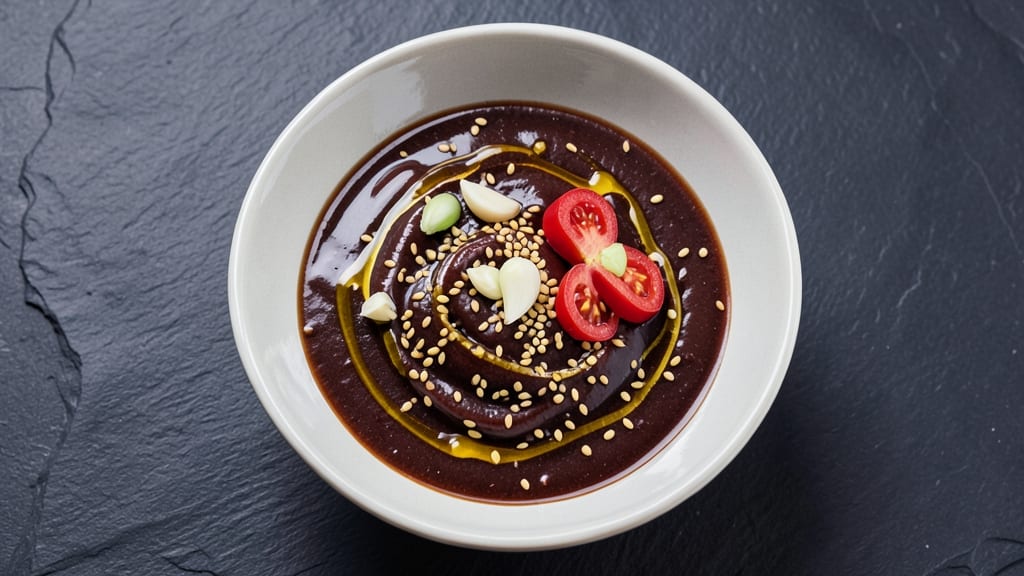
This Asian beef salad dressing recipe delivers the perfect balance of umami, sweetness, and tang—transforming simple salads into restaurant-quality meals. The secret lies in combining soy sauce, sesame oil, and a touch of honey for depth and complexity. I developed this dressing after years of tweaking marinades and dressings to find the ideal harmony for beef salads, and it never fails to elevate dishes.
The dressing comes together in just 5 minutes with 6 simple ingredients, yet packs layers of flavor that make every bite unforgettable. The soy sauce provides that essential umami punch, while the sesame oil adds nutty richness.
A splash of rice vinegar brightens the mix, and honey or brown sugar balances the acidity with just the right sweetness. This versatile dressing works as a marinade, dipping sauce, or salad topping.
What makes this recipe stand out is its bold yet balanced flavor profile—never overpowering, always enhancing. The dressing thickens slightly when chilled, making it perfect for storing in the fridge for up to 2 weeks.
Whether you're tossing it with a crisp Asian slaw or using it to tenderize beef strips, the results are consistently delicious. The texture is smooth yet clings beautifully to ingredients, ensuring every bite is flavorful.
For an extra depth of flavor, let the dressing sit for 10 minutes before using—this allows the ingredients to meld completely. It’s a game-changer for weeknight meals, meal prep, or entertaining, and it pairs exceptionally well with grilled beef, chicken, or even tofu.
Here’s how to make it—simple, fast, and foolproof.
Ingredients for asian beef salad dressing
Six essential ingredients create this restaurant-worthy Asian beef salad dressing.
| Ingredient | Amount | Notes |
|---|---|---|
| Soy Sauce 🥢 | ½ cup | High-quality, preferably Japanese-style |
| Sesame Oil 🫒 | ¼ cup | Toasted for authentic flavor |
| Rice Vinegar 🍶 | ¼ cup | White or seasoned variety |
| Honey 🍯 | ¼ cup | Wildflower preferred for depth |
| Sesame Seeds 🌾 | 1 tbsp | Toasted lightly for crunch |
| Garlic Cloves 🧄 | 3 cloves | Minced finely for subtle flavor |
| Ginger Root 🌿 | 1 tbsp | Freshly grated for zing |
| Sesame Paste 🥜 | 1 tbsp | For authentic thickness |
The soy sauce is your umami foundation—Kikkoman or Hondashi deliver consistent quality, but any high-sodium soy sauce works. Sesame oil should be toasted (not the mild kind for stir-frying)—La Choy or Kadoya are reliable brands. Fresh ginger and garlic are non-negotiable for authentic flavor; pre-minced jarred versions lack punch. For the sesame paste, Kadoya or Sanctuary brands offer the right texture without grit. If you can't find sesame paste, blend toasted sesame seeds with a splash of sesame oil until smooth. The honey should be wildflower or clover—avoid ultra-processed varieties that can taste artificial.
No sesame oil? Avocado oil or neutral vegetable oil works in a pinch, though it lacks the nutty depth. Substitute honey with brown sugar or maple syrup for a slightly different profile. Fresh ginger unavailable? Ground ginger at half the amount suffices, though texture differs. For a gluten-free version, use tamari instead of soy sauce. The dressing's balance relies on these ratios—adjust sweetness first if needed. Store-bought sesame paste often contains additives; making your own from seeds ensures purity. Always toast sesame seeds before adding to prevent bitterness.
This dressing thickens beautifully when chilled, making it perfect for meal prep. Store in an airtight jar in the fridge for up to 2 weeks, though flavor peaks within 3-5 days. For longer storage, freeze in ice cube trays—thaw overnight in the fridge. The sesame seeds can be toasted fresh before each use to maintain crunch. If the dressing separates, whisk vigorously before using. Double the batch for marinades—it tenderizes beef perfectly when applied 30 minutes before cooking. Always taste before serving; adjust rice vinegar for tang or honey for sweetness.
Why You'll Love This Recipe
- Five-Ingredient Magic: I swear, this dressing comes together faster than I can say "sesame seeds." Just stir soy sauce, rice vinegar, and honey—no measuring cups, no fuss. The sesame oil adds that nutty punch with one drop, and the toasted seeds sprinkled on top? Instant upgrade.
- Umami Bomb: That first bite of soy sauce and honey on your greens? It’s like a flavor explosion. The rice vinegar cuts through the richness, while the sesame oil gives it this deep, toasty warmth. Honestly, it’s the kind of dressing that makes you want to eat salad every day.
- Weeknight Workhorse: Slap this on grilled chicken, noodle bowls, or even a simple cucumber salad—it’s the MVP of quick meals. I keep a jar in the fridge for when I’m too tired to think, and it never lets me down. (Yes, even on a Tuesday night.)
- Budget-Friendly Staple: Soy sauce, vinegar, honey—these are pantry basics that won’t break the bank. A little goes a long way, and the leftovers? Perfect for drizzling on takeout or tossing with pre-washed greens. My wallet and I both approve.
Step-by-step instructions for crafting Asian beef salad dressing
This dressing delivers restaurant-quality depth with a perfect balance of umami, sweetness, and aromatic complexity.
Toast the Sesame Seeds for Crunch and Aroma
Heat a dry skillet over medium heat and add the 1 tablespoon sesame seeds. Toast them for 1-2 minutes until they turn a rich golden brown and release their nutty aroma. Watch carefully—they'll darken quickly. Immediately transfer the toasted seeds to a small bowl and set aside to cool completely.
This toasting step is essential for developing the seeds' flavor and preventing them from becoming bitter in the dressing. The cooled seeds will add both texture and depth when sprinkled on salads or mixed into the dressing at the end. If you prefer a smoother texture, you can lightly crush them with a mortar and pestle after cooling.
Create the Base with Soy Sauce, Rice Vinegar, and Honey
In a medium bowl, whisk together the 0.5 cup soy sauce, 0.25 cup rice vinegar, and 0.25 cup honey until completely combined. The mixture should be smooth with no visible streaks of honey. Taste the combination at this stage—you'll notice a bold umami foundation from the soy sauce, bright acidity from the vinegar, and natural sweetness from the honey.
This balance forms the core of your dressing. The soy sauce provides that signature umami depth, while the vinegar cuts through the richness. The honey not only sweetens but also helps emulsify the ingredients, creating a stable dressing that won't separate. If you're using a particularly strong soy sauce, you might want to reduce the honey slightly to maintain balance.
Incorporate Aromatics and Sesame Paste
Add the 3 minced garlic cloves, 1 tablespoon freshly grated ginger root, and 1 tablespoon sesame paste to the bowl. Using a whisk, combine thoroughly until the paste is fully incorporated and no lumps remain. The mixture should thicken slightly as the sesame paste binds with the other ingredients. This is where the dressing develops its authentic Asian character—garlic and ginger bring warmth, while sesame paste adds that distinctive nutty thickness.
For best results, use freshly minced garlic and grated ginger. Pre-minced garlic from a jar can be used in a pinch, but fresh will give you that bright, aromatic punch. The sesame paste should be smooth—if it's grainy, strain it through a fine-mesh sieve before adding to ensure a silky texture in your final dressing.
Finish with Sesame Oil for Depth and Emulsification
Slowly drizzle in the 0.25 cup sesame oil while whisking continuously. This gradual addition is crucial—it allows the oil to emulsify properly with the other ingredients rather than separating. Continue whisking for 1-2 minutes until the dressing reaches a smooth, velvety consistency. The texture should coat the back of a spoon without being overly thick.
The sesame oil carries the dressing's signature flavor profile and helps create that luscious, clingy texture. If the dressing appears to separate slightly, add 1 teaspoon of rice vinegar at a time while whisking vigorously until it re-emulsifies. This dressing should keep well in the refrigerator for up to 1 week, though it's best used within 3-4 days for optimal flavor.
Pro Tips For Making Asian Beef Salad Dressing
- STIR WHILE WARMING: Mix the soy sauce, honey, and rice vinegar in a small saucepan over low heat—just until the honey dissolves completely. I learned this the hard way: rushing it with high heat turns the dressing grainy, and no one wants clumps in their salad.
- USE TOASTED SESAME: Toast your sesame seeds in a dry pan for 30 seconds until golden and fragrant—then sprinkle them in last. Untosted seeds just sit there like sad little flavor ghosts; toasted ones add depth and crunch that makes the whole dressing sing.
- MEASURE SESAME OIL LAST: Add the sesame oil after everything else is mixed and cooled slightly—just a teaspoon or two. Too much too soon overpowers the balance, and you’ll end up with a dish that tastes like a bottle of perfume. Trust me, you want it to shine, not dominate.
- WHISK IN ICE WATER: Chill the dressing for 10 minutes after mixing by placing the bowl in a sink of ice water. This sharpens the flavors and keeps the honey from making the dressing too syrupy when you drizzle it over cold salad. (Yes, it’s extra work, but the texture difference is night and day.)
Storing and reheating this dish
Fridge Storage Essentials
Store your dressing in an airtight glass jar—I prefer Le Parfait 16-ounce jars—and keep it refrigerated for up to 2 weeks. The sesame oil and paste help it thicken slightly when chilled, which actually enhances its texture for tossing with salads.
Always let it come to room temperature before using, or whisk vigorously if it separates. 🌡️
Label your jar with the date to track freshness. I like to write "Use within 2 weeks" directly on the lid with a Sharpie marker. The dressing's flavor peaks at 3-5 days, so plan to use it within that window for the best balance of umami and sweetness.
Freezing for Long-Term Use
For extended storage, freeze the dressing in ice cube trays—this makes it easy to thaw just what you need. Once frozen, transfer the cubes to a ziplock freezer bag and flatten to remove air.
Thaw overnight in the fridge before using. The texture may separate slightly after freezing, so whisk thoroughly to restore its silky consistency.
This method works perfectly for meal prep—just pop out a cube or two when you're ready to make your salad. The frozen dressing maintains its flavor for up to 3 months, though I recommend using it within 2 months for optimal quality.
Reheating for Smooth Texture
If your dressing thickens too much in the fridge, gently warm it in a small saucepan over low heat for 1-2 minutes, stirring constantly. Never boil it—just enough to loosen the texture.
For a quicker fix, add 1 teaspoon of warm water while whisking until smooth. This trick works wonders if you've stored it for a week or more.
I also keep a small jar of this dressing in my fridge at all times—it's my go-to for quick beef salad prep. The reheating method ensures it stays velvety and ready to use, whether you're tossing it with greens or using it as a marinade.
Reviving Separated Dressing
If your dressing separates in the fridge, don't toss it! Simply whisk vigorously for 30-60 seconds until it re-emulsifies. For stubborn separations, add ½ teaspoon of rice vinegar at a time while whisking until smooth. This happens occasionally with the sesame oil, but it's easily fixed without losing flavor. 💡
The key is to whisk thoroughly and gradually reintroduce the emulsifying agents. I've revived dressing that sat for up to 10 days this way—just give it a good stir and it's ready to use again.
Nutrition facts
Frequently asked questions
Can I make this dressing without sesame oil?
Yes! Replace the sesame oil with avocado oil or neutral vegetable oil—just use the same amount. For extra depth, add ½ teaspoon of toasted sesame paste to the oil before mixing. The flavor won't be identical, but it'll still taste delicious. The key is to whisk thoroughly to maintain that creamy texture.
How long does this dressing last in the fridge?
The dressing stays fresh for up to 2 weeks when stored in an airtight container. For best flavor, use it within 3-5 days—that's when the umami and sweetness balance perfectly. The sesame oil helps preserve freshness, but always check for any separation before using. If it separates, just whisk it back together!
Can I use this dressing as a marinade for beef?
This dressing works perfectly as a marinade for beef strips or cubes. Let the beef soak for 30 minutes to 2 hours before cooking to tenderize and infuse flavor. For extra tenderness, add 1 tablespoon of cornstarch to the marinade. Grill, pan-sear, or broil the beef after marinating—it'll be juicy and packed with flavor.
What if my dressing tastes too salty?
If the soy sauce makes it too salty, balance it by adding 1-2 teaspoons of honey or brown sugar while whisking. The sweetness will mellow the saltiness and restore balance. For a tangier fix, add ½ teaspoon of rice vinegar at a time until you reach the right flavor. Taste as you go—this dressing is highly customizable!
Is this dressing gluten-free?
Not as written, but it's easy to adapt! Swap soy sauce for tamari or coconut aminos (use the same amount). These alternatives provide the same umami depth without gluten. Double-check labels to ensure no cross-contamination if allergies are a concern. The rest of the ingredients are naturally gluten-free, so the modified version works perfectly for gluten-free diets.