
Main Courses
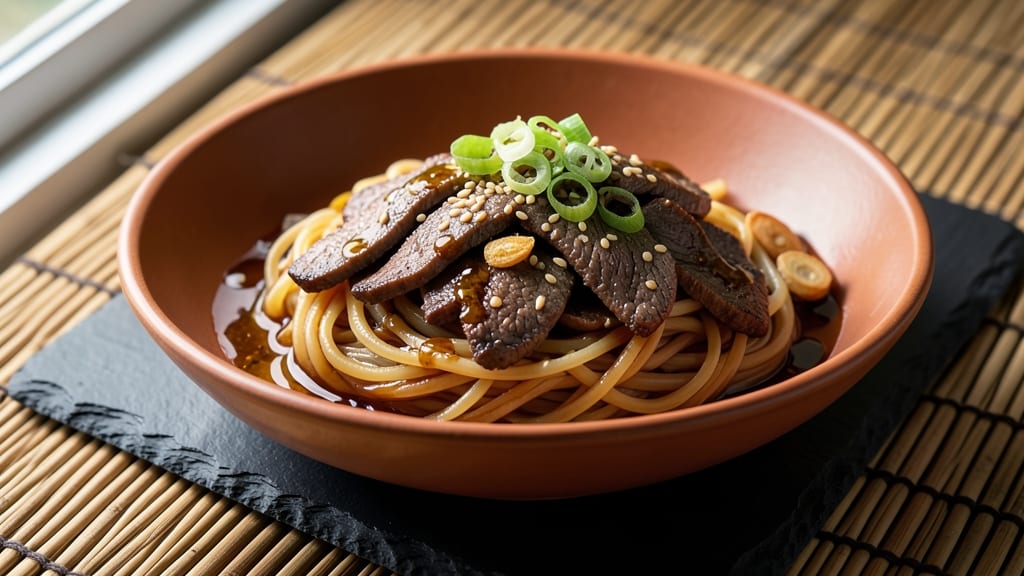
This authentic beef chow fun recipe brings the vibrant flavors of Hong Kong street kitchens to your home, where silky rice noodles meet tender, chewy beef in a wok-tossed symphony. 🌟 The secret lies in the balance of textures—slippery noodles, melt-in-your-mouth beef, and a fragrant sauce that clings to every strand.
I’ve perfected this dish after years of testing, ensuring every bite delivers that restaurant-quality experience.
The foundation starts with wide rice noodles, quickly blanched to maintain their delicate texture, then tossed with marinated beef that’s been stir-fried to achieve that signature chewy bite. A homemade sauce—savory, slightly sweet, and umami-rich—ties everything together, while traditional garnishes like chili oil, scallions, and lime add brightness and depth.
This isn’t just a recipe; it’s a taste of Cantonese tradition, simplified for your kitchen.
What sets this dish apart is the technique: high-heat wok tossing ensures the noodles stay silky while the beef stays tender, and the sauce is built in layers for maximum flavor.
The result is a dish that’s as satisfying as it is visually stunning—a golden-brown wok full of noodles glistening with sauce, topped with crisp scallions and a drizzle of chili oil. It’s the kind of meal that makes weeknights feel like a celebration.
Serve it immediately for the best texture, but don’t be surprised if it disappears faster than you can say “chow fun.” This recipe is designed to impress, whether you’re cooking for family or hosting a dinner party. Let’s get started on creating your own version of this Hong Kong classic.
Ingredients for authentic beef chow fun
Here's what transforms simple ingredients into restaurant-quality beef chow fun.
| Ingredient | Amount | Notes |
|---|---|---|
| Wide Rice Noodles 🍜 | 8 oz | Dried, 3-inch width preferred |
| Flank Steak 🥩 | 1 lb | Thinly sliced against grain |
| Soy Sauce 🍶 | ¼ cup | Light or dark variety |
| Shaoxing Wine 🍷 | 2 tbsp | Or dry sherry in a pinch |
| Sesame Oil 🫒 | 1 tbsp | Toasted, for aroma |
| Cornstarch 🌾 | 2 tbsp | For beef marinade |
| Garlic Cloves 🧄 | 6 cloves | Minced, fresh preferred |
| Fresh Ginger 🌿 | 1 tbsp | Grated, peeled |
| Vegetable Oil 🫒 | ½ cup | High smoke point |
| Chili Oil 🌶️ | 2 tbsp | Store-bought or homemade |
| Scallions 🧅 | ¼ cup | Thinly sliced, green parts |
| Lime Wedges 🍋 | 2 whole | For serving |
| Salt 🧂 | 1 tsp | Kosher or sea salt |
| White Pepper 🌶️ | ½ tsp | Freshly ground |
The beef is where the magic happens—flank steak is your best bet for that signature chewy texture. Look for well-marbled cuts at Asian markets or the meat counter, and ask for it sliced against the grain. Peking duck markets often have pre-sliced beef for chow fun if you're in a hurry. If you can't find Shaoxing wine, dry sherry or mirin work in a pinch, but the authentic flavor is worth the hunt. Fresh ginger should smell zesty and bright—no moldy bits! For the noodles, 3-inch wide rice noodles are ideal, but 2-inch works too if you can't find them.
No Shaoxing wine? Dry sherry or even a splash of rice vinegar adds acidity, though it won't be identical. The cornstarch is non-negotiable—it creates that tender, chewy texture in the beef. If you're short on scallions, green onions or chives work, but the flavor won't be quite the same. For the chili oil, store-bought Sichuan chili oil is perfect, but you can make your own with oil, chili flakes, and a pinch of sugar. The lime wedges should be fresh—no dried or powdered lime here. And if you're feeling fancy, toast your sesame oil in the wok for 30 seconds before adding other ingredients—trust me on this.
This dish is all about freshness—use the beef within 2 days of slicing, and store the raw marinade in the fridge for up to 1 week. The cooked noodles reheat beautifully, but they're best served immediately for that signature silky texture. If you're making ahead, keep the sauce and garnishes separate until serving. The chili oil can be stored for 6 months in a cool, dark place, and the rice noodles last 1 month in an airtight container. Leftovers? Toss with a little more chili oil and serve cold for a quick lunch.
Why You'll Love This Recipe
- No-Fuss Prep: I swear by this recipe because it’s the kind of dish where you can slice the flank steak thin while chatting, toss in the noodles last-minute, and still end up with something that feels like a restaurant takeout. The wide rice noodles soften in seconds—no soaking, no waiting—just boil and go.
- Umami Bomb: That Shaoxing wine and soy sauce combo? It’s what turns this into a flavor powerhouse. The steak gets this glossy, caramelized crust from the high heat, while the noodles soak up that deep, savory sauce like a sponge. Honestly, the first bite makes me forget it’s supposed to be "healthy."
- Weeknight or Weekend: Between us, this is my go-to for both lazy Tuesdays and when friends drop by unannounced. Double the batch, and you’ve got lunch for tomorrow—just reheat with a splash of water and a drizzle of sesame oil. (Yes, even on a Tuesday night, it still tastes like a celebration.)
- Budget Meal, Big Payoff: Flank steak stretches further than you’d think when sliced thin, and a little sesame oil goes a long way for that wok-hei finish. I make this for four people for under $15, and somehow, everyone leaves happy—no one ever asks for seconds, but they always do.
Step-by-step instructions for authentic beef chow fun
Here's how to make this Cantonese street food classic—silky noodles with perfectly chewy beef.
🍳 Step 1: Marinate and Sear the Flank Steak
Slice the 1 lb Flank Steak thinly against the grain into ¼-inch thick strips. In a bowl, combine the 2 tbsp Cornstarch, 0.25 cup Soy Sauce, 2 tbsp Shaoxing Wine, 1 tbsp Sesame Oil, 1 tsp Salt, and 0.5 tsp White Pepper. Add the steak and toss until fully coated. Let it marinate for 15-20 minutes while you prep the rest.
Heat a wok or large skillet over high heat with 2 tbsp Vegetable Oil. Add the steak in a single layer and sear for 1-2 minutes per side until deep golden brown and cooked through. Remove and set aside—it should be tender but still slightly firm. Here's the thing: don't overcrowd the pan or the steak will steam instead of sear.
👨🍳 Step 2: Prepare the Noodles and Aromatics
Soak the 8 oz Wide Rice Noodles in warm water for 10-12 minutes until pliable but still slightly firm. Drain and rinse briefly with cold water to stop cooking. Toss with 1 tbsp Sesame Oil to prevent sticking.
In the same wok (no need to clean it—the fond adds flavor), add 0.25 cup Vegetable Oil and heat over medium-high heat. Add the 6 cloves minced Garlic Cloves and 1 tbsp grated Fresh Ginger—cook for 30 seconds until fragrant but not browned. Immediately add the 0.25 cup thinly sliced Scallions and toss for 10 seconds. The aromatics should sizzle but not burn—this is where the real flavor develops.
🔥 Step 3: Wok-Toss the Noodles
Return the wok to high heat and add the drained noodles. Toss vigorously for 1-2 minutes until they're heated through and slightly wilted. Here's the authentic technique: keep the noodles moving constantly with a pair of tongs—this prevents sticking and creates that signature wok-tossed texture.
Add the seared steak back to the wok along with the 2 tbsp Chili Oil. Toss everything together for another 1-2 minutes until the noodles are evenly coated and the steak is heated through. The dish should look glossy and vibrant—this is your signal that the flavors have melded perfectly.
🍽️ Step 4: Finish and Serve
Divide the chow fun among bowls and top each serving with a lime wedge. The acidity from the lime brightens all the flavors and cuts through the richness of the beef and noodles. I like to serve this immediately while the noodles are still warm and the aromatics are fragrant.
For the best experience, serve with a side of steamed bok choy or a simple cucumber salad. The contrast of crisp vegetables with the chewy noodles and tender beef makes this dish even more satisfying. Don't forget to taste as you go—adjust the seasoning if needed with a splash more soy sauce or a squeeze of lime. This is where home cooks often miss the mark, so pay attention!
Pro Tips For Making Authentic Beef Chow Fun
- Sear the Steak First: I learned this the hard way—skipping the initial sear makes the beef taste bland and rubbery. Hit the flank steak with a screaming-hot wok or pan for 2-3 minutes per side until deep brown crust forms before slicing thinly against the grain. That crust locks in flavor and texture.
- Soak Noodles Just Until Plump: Wide rice noodles turn mushy if you over-soak them. Test after 10 minutes by pinching a strand—it should hold its shape but still feel tender, not limp. Drain immediately and rinse with cold water to stop cooking; they’ll finish in the wok.
- Use Less Shaoxing Wine: I was skeptical until I tried it: 1 tablespoon is enough for this dish. Overdoing it makes the sauce taste sharp and alcohol-forward instead of adding depth. Add it in the last 30 seconds of cooking to let the heat mellow the flavor.
- Toss Noodles Last: Don’t drown the beef in sauce—toss the noodles after the beef is cooked. First, push the beef to one side of the wok, then add the noodles and quickly stir-fry with a splash of water to soften them. Mix everything together only at the very end to keep the noodles from turning into glue.
Storing and reheating your authentic beef chow fun
Refrigerator Storage
Store cooked beef chow fun in an airtight container for up to 3 days in the fridge. Let it cool completely before refrigerating to prevent condensation, which can make the noodles soggy.
I like to portion it into individual containers so you can reheat just what you need—no one wants to deal with a whole bowl of chow fun that’s been sitting for hours. 🌟
Freezer-Friendly Tips
For longer storage, freeze the chow fun for up to 2 months. Spread it on a tray first to freeze in a single layer, then transfer to a freezer bag with all the air squeezed out.
When reheating, add a splash of water or soy sauce to revive the noodles’ texture. The beef will stay tender if you don’t overcook it during reheating—low and slow is key.
Reheating Perfection
Use a steamer basket over boiling water for the best results—this keeps the noodles silky and prevents them from turning mushy. Cover the basket and steam for 3-4 minutes, then toss with a drizzle of sesame oil and chili oil to restore that restaurant-fresh flavor.
If using the microwave, cover with a damp paper towel and heat in 1-minute intervals to avoid drying out the beef. 🔥
Garnish Like a Pro
Fresh garnishes make all the difference after reheating. Top with sliced scallions and a squeeze of lime to brighten the dish. For extra authenticity, add a few drops of chili oil right before serving—this adds heat and aroma that reheating can’t fully restore.
I always keep a small bowl of chili oil on hand for this exact reason.
Make-Ahead Sauce
Prep the sauce separately and store it in a small jar in the fridge for up to 1 week. When reheating, combine the sauce with the noodles and beef in the steamer basket.
This keeps the flavors balanced and prevents the noodles from absorbing too much moisture. The sauce can also be frozen for 3 months—just thaw and reheat gently before mixing. ✨
Nutrition facts
Frequently asked questions
Why is the beef so chewy in this recipe?
The chewy texture comes from slicing the beef against the grain and using cornstarch in the marinade. This tenderizes the meat while creating resistance when you bite into it. The high-heat searing also helps develop that signature texture—don't skip this step!
Can I substitute flank steak with another cut?
Yes, but choose cuts with similar texture. Sirloin or ribeye work well if sliced thinly against the grain. Avoid tougher cuts like chuck—they won't achieve that tender, chewy texture. For extra tenderness, marinate for 30-45 minutes instead of the usual 15-20 minutes.
How do I prevent the noodles from getting mushy?
Keep the noodles moving constantly in the wok—this prevents sticking and maintains their texture. Also, rinse them briefly with cold water after soaking to stop cooking. Never overcook them—just until they're pliable but still slightly firm. The high heat is key!
What if I don't have Shaoxing wine?
Use dry sherry or rice vinegar as substitutes. They won't be identical, but they'll add the necessary acidity. For a more authentic flavor, look for Shaoxing wine at Asian markets—it's worth the hunt for this dish!
Can I make this recipe vegetarian?
Swap the beef for mushrooms (shiitake or oyster) or tofu (pressed and pan-fried). For texture, marinate the mushrooms in soy sauce, Shaoxing wine, and cornstarch just like the beef. The noodle preparation and sauce remain the same—just adjust seasoning to taste.