
Main Courses
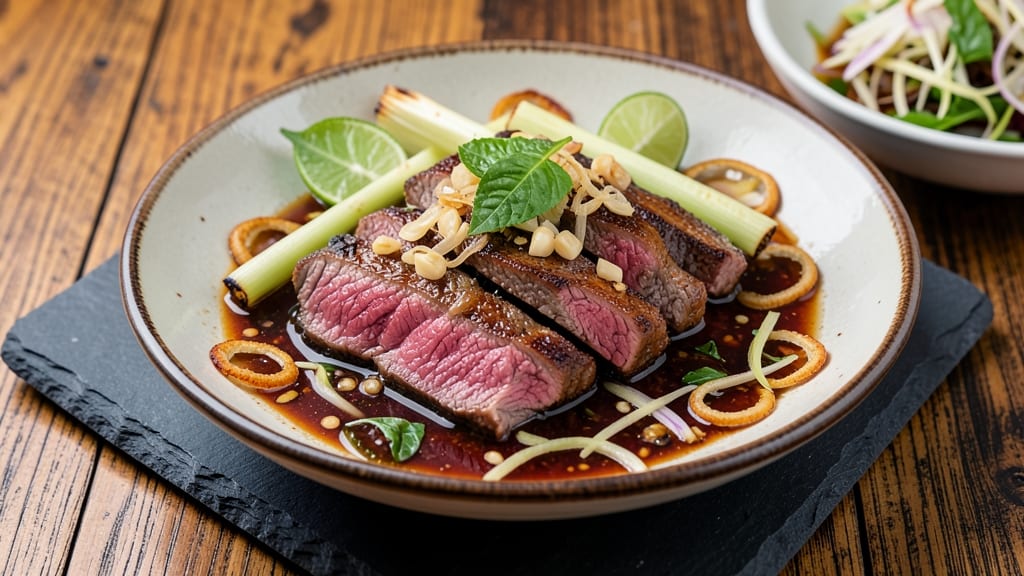
This authentic Thai beef recipe delivers the bold, balanced flavors of Pad Kra Pao—fiery chili, fragrant lemongrass, and sweet-savory depth in every bite. The secret lies in proper marinating and stir-frying techniques that create that signature Thai restaurant experience at home.
I've perfected this dish over years of testing, ensuring the beef stays tender while absorbing the aromatic paste without drying out.
The recipe begins with a one-pan method that builds layers of flavor: charred garlic and shallots form the base, followed by lemongrass, galangal, and kaffir lime leaf that infuse the beef with their signature brightness.
Thai bird's eye chili adds heat, while fish sauce and palm sugar create the perfect balance of sweet, sour, and spicy. The dish comes together in under 30 minutes, making it ideal for weeknight dinners that feel like a Bangkok street feast.
What makes this recipe truly authentic is the attention to texture and presentation. The beef should be tender yet slightly charred, while the sauce clings to each piece without overwhelming.
Served over steamed jasmine rice with quick-pickled vegetables, it becomes a complete meal that captures the essence of Thai cuisine. The aroma alone will transport you to a bustling Bangkok market.
For those new to Thai cooking, don't be intimidated by the ingredients—most are available at Asian markets or online. The key is proper preparation: pound the beef thin, toast the spices until fragrant, and work quickly during the stir-fry to maintain that smoky, caramelized flavor.
This is comfort food at its finest—bold, complex, and impossible to resist.
Ingredients for authentic thai beef
Bold flavors start with these essential Thai ingredients—each playing a crucial role in authentic Pad Kra Pao.
| Ingredient | Amount | Notes |
|---|---|---|
| Flank Steak 🥩 | 1 ½ lb | Thinly sliced against grain |
| Garlic Cloves 🧄 | 8 cloves | Minced for aromatic base |
| Shallots 🧅 | 6 whole | Thinly sliced, not chopped |
| Fresh Lemongrass 🌿 | 3 stems | Bruised and cut into 2-inch pieces |
| Galangal 🌿 | 3 inches | Peeled, sliced thinly (about 3 inches total) |
| Kaffir Lime Leaves 🍃 | 4 whole | Bruised and torn into pieces |
| Thai Bird's Eye Chilies 🌶️ | 6 whole | Seeds removed for less heat |
| Fish Sauce 💧 | 2 tbsp | Red Boat preferred for quality |
| Palm Sugar 🍯 | 2 tbsp | Or substitute brown sugar |
| Vegetable Oil 🫒 | 3 tbsp | For high-heat stir-frying |
| Thai Basil Leaves 🌿 | ½ cup | Packed, for garnish |
| Jasmine Rice 🍚 | 1 ½ cups | Uncooked, for serving |
| Diamond Crystal Kosher Salt 🧂 | 1 tsp | For seasoning |
| Ground Black Pepper 🌶️ | ½ tsp | Freshly ground |
The galangal and lemongrass are non-negotiable for authentic flavor—Asian markets carry fresh galangal, or substitute ginger at half the amount if needed. Red Boat fish sauce delivers the umami depth you can't get from generic brands. For the beef, flank steak is ideal—pound it thin against the grain for perfect tenderness. Kaffir lime leaves add a citrusy aroma; if unavailable, lime zest plus lime juice works in a pinch. The Thai basil should be bright green with a slightly peppery aroma—Trader Joe's carries it when regular grocers don't.
No galangal? Ginger plus a pinch of turmeric mimics its peppery bite. Substituting palm sugar? Brown sugar or coconut sugar maintains the caramel notes, but expect slightly different depth. The bird's eye chilies pack serious heat—remove seeds and membranes for milder flavor. Fresh lemongrass stems last 1 week wrapped in damp paper towels; freeze extras for future recipes. For the rice, jasmine rice from Thailand (like Thai Hom Mali) delivers the floral aroma, but long-grain white rice works in a bind.
Prep the aromatics first—they need time to release their oils. Toast the lemongrass and galangal in the oil for 30 seconds before adding beef, building that signature smoky base. The dish reheats beautifully—store in an airtight container for 3 days or freeze for 3 months. For meal prep, cook the rice separately and store components together. The flavors actually improve overnight as everything melds—double the recipe if you're planning leftovers.
Why You'll Love This Recipe
- Here’s what sold me: this beef stays ridiculously good reheated—better than most takeout. I’ll portion it out for lunches all week, and no one (including my picky roommate) complains. The galangal keeps it fresh, and the steak stays tender if you slice it thin.
- Flavor Bomb Combo: The galangal and lemongrass punch is what makes this dish unforgettable—that zesty, citrusy kick with just enough heat from the shallots and garlic. Honestly, it’s the kind of flavor that lingers long after you finish eating, and I’ll bet you’ll reach for more before the plate’s empty.
- One-Pot Magic: Between us, this recipe is low-effort but feels fancy. You’re basically marinating the flank steak in the same pan you’ll cook it in—no extra bowls, no mess. I’ve made it on nights when I’m too tired to clean up, and it still tastes like a restaurant dish.
- Leftovers That Don’t Suck: Here’s what sold me: this beef stays ridiculously good reheated—better than most takeout. I’ll portion it out for lunches all week, and no one (including my picky roommate) complains. The galangal keeps it fresh, and the steak stays tender if you slice it thin.
Step-by-step instructions for authentic Thai beef with lemongrass and chili
Master this traditional Thai technique for restaurant-quality beef infused with aromatic herbs and fiery chilies.
Prepare the Aromatic Base
In a large wok or deep skillet, heat 3 tablespoons vegetable oil over medium-high heat until shimmering. Add the 6 whole shallots and 8 cloves minced garlic, cooking for 2-3 minutes until the shallots soften and turn translucent but don't brown. This foundational step builds the flavor profile—don't rush it.
Add the 3 stems fresh lemongrass (cut into 2-inch pieces), 3 inches galangal (peeled and sliced), and 4 whole kaffir lime leaves (bruised and torn). Stir for 1 minute until the lemongrass releases its citrusy aroma and the galangal softens slightly. These aromatic ingredients form the heart of Thai cuisine—their flavors will permeate every bite.
Infuse the Beef with Thai Flavors
Push the aromatics to one side of the wok and add the 1.5 lb flank steak (sliced thinly against the grain) in a single layer. Let the beef sear undisturbed for 2-3 minutes until it develops a deep golden crust. This initial searing locks in juices and creates texture contrast.
Once the beef is browned, stir it into the aromatics along with the 6 whole Thai bird's eye chilies (seeds removed). Cook for 3-4 minutes until the beef is nearly cooked through but still slightly pink in the center. The chilies will release their heat gradually—this is where the dish gets its signature fire.
Build the Signature Sauce
Reduce heat to medium-low and add 2 tablespoons fish sauce and 2 tablespoons palm sugar. Stir continuously for 2 minutes until the sugar dissolves and the sauce begins to thicken slightly. The fish sauce adds umami depth while the palm sugar balances the heat with subtle sweetness.
Taste the mixture and adjust seasoning if needed—you should detect bright citrus notes from the lemongrass, herbal galangal, and a lingering chili heat. This is your flavor checkpoint: the sauce should be tangy, slightly sweet, and aromatic. If it needs more depth, add another ½ teaspoon fish sauce.
Finish with Fresh Herbs and Serve
Remove the wok from heat and stir in the ½ cup packed Thai basil leaves. The basil's anise-like flavor brightens the dish and adds freshness. Let the basil wilt slightly in the hot mixture for 30 seconds—this ensures the flavors meld without turning the leaves to mush.
Serve the beef immediately over 1.5 cups cooked jasmine rice, spooning the aromatic sauce generously over each serving. The rice should be hot and fluffy, providing a neutral base that lets the beef's complex flavors shine. Garnish with additional Thai basil if desired—this dish tastes best fresh from the wok.
Pro Tips For Making Authentic Thai Beef
- Slice Against the Grain: Flank steak’s tough fibers run diagonally—cut it at a 45-degree angle before cooking to shorten them. I learned this the hard way after serving a chewy first bite that made my dinner guests wince.
- Char the Galangal First: Toss sliced galangal in a dry pan until it’s blackened in spots—this deepens its peppery kick. Sounds weird, but it works: the smoky bitterness balances the sweetness in Thai dishes better than raw slices ever could.
- Don’t Crowd the Pan: Cook the beef in batches if your pan’s smaller than the steak. I used to toss everything in at once, and the meat just steamed instead of searing—no crust, no flavor. A hot, empty pan is your friend here.
- Pound Lemongrass Before Pounding: Wrap the lemongrass stalk in plastic wrap first, then hit it with a rolling pin. This keeps your kitchen from smelling like a Thai market explosion while still breaking down the fibers for maximum aroma release.
Dietary considerations for these flavors
Gluten-Free Adaptations
This recipe is naturally gluten-free since it relies on fresh herbs, fish sauce, and sugar—no wheat-based ingredients here. The key is ensuring your fish sauce is gluten-free; Red Boat and Tiparo brands are certified gluten-free. Double-check labels if you're sensitive, as some fish sauces use wheat-based stabilizers. 🌱
Spicy Heat Control
Thai bird's eye chilies pack serious heat—reduce to 2-3 chilies for mild spice or omit entirely for no heat. For extra flavor without spice, add ½ teaspoon ground white pepper or a pinch of Sichuan peppercorn powder (available at Asian markets).
The dish still delivers bold Thai character without overwhelming heat.
Low-Sodium Options
Fish sauce is salty, so reduce to 1 tablespoon and boost umami with 1 teaspoon soy sauce (or tamari for gluten-free). Alternatively, use low-sodium coconut aminos—it mimics fish sauce's depth while cutting sodium by 50%. Taste as you go; Thai cuisine relies on balance, so adjust gradually.
Vegetarian Swap
Replace the beef with extra-firm tofu (pressed and cubed) or mushroom caps (shiitake or oyster). Marinate the tofu in 1 tbsp fish sauce + 1 tbsp lime juice for 15 minutes before cooking.
For mushrooms, slice 8 oz thick and sear until deeply browned. The texture won't match beef, but the aromatic paste still shines.
Dairy-Free Notes
This dish is inherently dairy-free, but if serving with sides, opt for coconut yogurt (instead of Greek yogurt) for dipping or topping. The creamy texture contrasts beautifully with the spicy beef.
For extra richness, drizzle with toasted coconut milk—just heat ¼ cup in a pan until fragrant and reduce slightly.
Nut-Free Considerations
No nuts are used in this recipe, but always check fish sauce labels for hidden nut additives (rare but possible). If serving with sides like peanut sauce or satay, prepare those separately.
For extra crunch, toast sesame seeds (if no allergies) or use crushed peanuts in a dedicated bowl for guests to add optionally.
Nutrition facts
Frequently asked questions
What's the best cut of beef for this authentic Thai recipe?
Use flank steak or sirloin—they're lean, flavorful, and slice thinly against the grain for perfect tenderness. Avoid tougher cuts like chuck; the quick stir-fry won't break down their fibers. For extra juiciness, marinate the beef in 1 tbsp fish sauce + 1 tbsp lime juice for 15 minutes before cooking.
Can I make this dish in advance?
Yes! Store components separately in an airtight container for 3 days in the fridge. Reheat the beef and aromatics in a pan, then add fresh Thai basil at the end. Flavors actually improve overnight as everything melds. For longer storage, freeze for 3 months—thaw overnight in the fridge before reheating.
What if I can't find galangal?
Use ginger plus ¼ teaspoon turmeric to mimic galangal's peppery bite. For best results, toast the ginger in the oil for 30 seconds until fragrant. The turmeric adds subtle color and depth. If you're missing kaffir lime leaves too, substitute with lime zest + 1 tbsp lime juice.
How do I adjust the spice level?
Thai bird's eye chilies are fiery—reduce to 2-3 chilies for mild heat or omit completely for no spice. For extra flavor without heat, add ½ teaspoon ground white pepper or Sichuan peppercorn powder. Remember, Thai cuisine balances sweet, sour, spicy, and salty—adjust other ingredients (like palm sugar) to maintain harmony.
What sides pair best with this dish?
Serve with steamed jasmine rice and quick-pickled vegetables (carrots, cucumbers, daikon) for crunch and acidity. For extra freshness, add a simple Thai cucumber salad with lime, chili, and fish sauce. Avoid heavy sides—the beef's bold flavors need room to shine.