
Soups & Stews
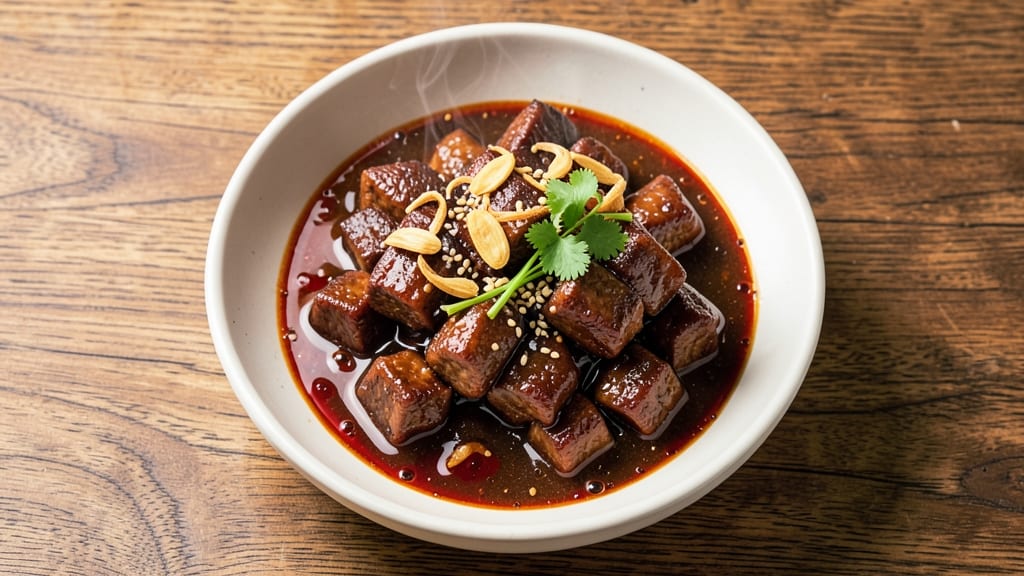
This Bangladeshi Chinese beef chili recipe delivers a bold fusion of spicy-sweet flavors that will transform your weeknight dinner. The secret lies in balancing traditional Bangladeshi spices with Chinese stir-fry techniques, creating a dish that's both complex and approachable.
I developed this recipe after years of experimenting with regional fusion cuisine, and it never fails to impress.
The dish starts with tender beef bites marinated in a blend of soy sauce, chili paste, and aromatic spices, ensuring deep flavor penetration. What sets this apart is the stir-frying process, which creates a caramelized crust on the beef while keeping the interior perfectly tender.
The sauce achieves a perfect harmony of sweet, spicy, and umami notes through careful reduction and balancing of ingredients like tamarind, vinegar, and brown sugar.
By the time you're done, you'll have a rich, aromatic chili with beef that practically melts in your mouth and a sauce that's sticky enough to coat every bite. The dish is designed to be served with steamed jasmine rice, which soaks up the flavorful sauce beautifully.
Garnishes like crispy fried onions and fresh cilantro add texture and brightness, completing the fusion experience.
This recipe is perfect for spice lovers who want depth without overwhelming heat, making it versatile enough for both casual weeknights and special occasions. The technique is straightforward, but the flavor payoff is restaurant-quality. Let's get cooking!
Ingredients for bangladeshi chinese beef chili
Fusion flavors start with these carefully balanced ingredients for restaurant-quality chili.
| Ingredient | Amount | Notes |
|---|---|---|
| Chuck Roast 🥩 | 1 ½ lb | Cut into 1-inch cubes for even cooking |
| Soy Sauce 🍶 | ½ cup | High-quality, preferably Japanese style |
| Red Chili Paste 🌶️ | ¼ cup | Thai or Bangladeshi variety for authentic heat |
| Tamarind Paste 🍈 | ⅛ cup | Adjust for desired tanginess |
| Dark Brown Sugar 🍚 | ¼ cup | Packed, for caramelized depth |
| Rice Vinegar 🍶 | ¼ cup | White or seasoned, for bright acidity |
| Garlic Cloves 🧄 | 8 cloves | Minced finely for aromatic punch |
| Fresh Ginger 🌿 | 2 tbsp | Grated, for zesty warmth |
| Green Onions 🧅 | ½ cup | Sliced, for fresh finish |
| Sesame Oil 🫒 | 1 tbsp | Toasted, for nutty aroma |
| Jasmine Rice 🍚 | 2 cups | Uncooked, for serving |
| Vegetable Oil 🫒 | ½ cup | High smoke point for stir-frying |
| Fresh Cilantro 🌿 | ¼ cup | Chopped, for bright garnish |
| Salt 🧂 | 1 ½ tsp | Diamond Crystal preferred |
| Black Pepper 🌶️ | 1 tsp | Freshly cracked for heat |
The chuck roast is non-negotiable for tender bites—look for well-marbled cuts at Whole Foods or your local butcher. Pre-cubing saves time, but if you buy whole, slice against the grain for maximum tenderness. For the chili paste, Thai brands like Maesri or Bangladeshi varieties from Indian markets deliver authentic heat. Tamarind paste can be found in the international aisle or online—never substitute lemon juice—it's essential for that signature tang. Brown sugar adds depth; muscovado or demerara elevate flavor further, though standard dark brown works in a pinch.
No soy sauce? Coconut aminos work in a bind, though the umami won't be identical. Substituting tamarind? Lime juice plus a pinch of sugar mimics some of the complexity, but expect less depth. Fresh ginger and garlic are ideal, but jarred minced garlic (like Walmart's Great Value) saves prep time. The sesame oil should be toasted, not flavored—Trader Joe's carries a great option. For the rice, jasmine is traditional, but basmati works if that's all you have. Garnishes like cilantro and green onions are flexible—baby bok choy adds a nice crunch if you're feeling adventurous.
Store the cooked chili in airtight containers for up to 5 days—flavors deepen overnight. Freeze portions for 3 months, but thaw slowly in the fridge to preserve texture. The beef reheats beautifully; add a splash of water if it dries out. For the rice, cook it fresh each time—the chili's sauce pairs best with just-steamed grains. Leftovers make incredible rice bowls the next day; just reheat and top with a fried egg for extra richness.
Why You'll Love This Recipe
- One-Pot Magic: I swear by this recipe when I’m too tired to wash dishes—just brown the chuck roast, toss in the soy sauce and chili paste, then let it simmer. The tamarind and brown sugar caramelize right in the pot, so cleanup is basically nonexistent. (Between us, my slow cooker handles most of the work.)
- Sweet-Spicy Kick: That chuck roast turns insanely tender, bathed in a sauce where the tamarind’s tang cuts through the soy’s saltiness while the brown sugar mellows the chili paste’s heat. It’s the kind of dish where every bite feels like a little flavor explosion—sweet, smoky, and just spicy enough to linger.
- Weeknight Workhorse: I make this when my schedule’s a mess—it’s hearty enough for a family dinner but simple enough for a lazy Sunday lunch. Serve it over rice with a side of steamed greens, or pile it into wraps for a quick office lunch. Honestly, it’s my go-to when I don’t know what else to cook.
- Budget Stretch: Chuck roast is cheap, and this recipe stretches it into three meals without breaking the bank. The tamarind and chili paste add depth for pennies, while the brown sugar keeps costs low. Plus, the leftovers? Even better the next day—if there are any, because it disappears fast.
Step-by-step instructions for Bangladeshi Chinese beef chili
Master this fusion dish through precise technique and layered flavors.
Prepare the Beef and Marinate for Depth
Cut the 1.5 lb chuck roast into 1-inch cubes, trimming any excess fat. Place the beef in a large bowl and combine with the 0.5 cup soy sauce, 0.25 cup red chili paste, 0.125 cup tamarind paste, 0.25 cup dark brown sugar, 0.25 cup rice vinegar, 1.5 tsp salt, and 1 tsp black pepper. The tamarind paste will add a distinctive tang that balances the sweetness and heat.
Use your hands to thoroughly coat each piece of beef with the marinade, ensuring even distribution. Cover the bowl and refrigerate for at least 4 hours, preferably overnight. This extended marination breaks down the tough chuck roast fibers, guaranteeing tender results. The longer it marinates, the more pronounced the flavors will become.
Develop the Aromatic Base
Heat the 0.5 cup vegetable oil in a large, heavy-bottomed pot over medium heat. Add the 8 cloves minced garlic and 2 tbsp grated fresh ginger, cooking for 2-3 minutes until the garlic becomes fragrant and lightly golden. This step is crucial—don't rush it, as properly developed aromatics form the foundation of the dish.
Add the marinated beef to the pot, spreading it out in a single layer. Increase the heat to medium-high and cook for 5-6 minutes, stirring occasionally, until the beef begins to brown and release its juices. The meat should develop a rich, caramelized crust during this process. If the beef releases too much liquid, reduce the heat slightly to prevent steaming.
Simmer for Tender Perfection
Reduce the heat to low and cover the pot with a tight-fitting lid. Let the beef simmer gently for 1.5 hours, stirring occasionally. This slow cooking process ensures the chuck roast becomes fork-tender while absorbing all the complex flavors of the marinade. The lid helps retain moisture, preventing the beef from drying out.
After 1.5 hours, check the beef for tenderness. It should easily pull apart with a fork. If it's not quite tender enough, continue simmering for an additional 20-30 minutes. The sauce should have reduced slightly, creating a thick, glossy coating around each piece of beef. This is where the magic happens—the flavors meld together into a harmonious balance of sweet, spicy, and umami notes.
Finish with Fresh Herbs and Garnish
Remove the lid and increase the heat to medium. Stir in the 1 tbsp toasted sesame oil, which will add a nutty aroma and rich depth to the dish. Cook for an additional 2-3 minutes to allow the oil to infuse with the beef and sauce.
Remove the pot from heat and stir in the 0.5 cup sliced green onions and 0.25 cup chopped fresh cilantro. These fresh herbs provide a bright contrast to the rich, spicy-sweet flavors of the beef. Taste and adjust the seasoning if needed, adding a touch more soy sauce for saltiness or rice vinegar for acidity. The dish should be a perfect balance of all the flavors.
Serve Over Steamed Jasmine Rice
While the beef is simmering, prepare the 2 cups jasmine rice according to package instructions. The rice should be fluffy and slightly sticky, providing the perfect base for the rich chili.
Divide the rice among serving plates and top generously with the beef and its flavorful sauce. The combination of tender beef, aromatic sauce, and fragrant rice creates a satisfying, well-rounded meal. Serve immediately while the beef is still hot and the flavors are at their peak. This dish is best enjoyed fresh, as the textures and temperatures complement each other perfectly.
Pro Tips For Making Bangladeshi Chinese Beef Chili
- SEAR THE CHUCK FIRST: The tamarind and chili paste will make this dish tangy and bold, but you’ll lose all that depth if your beef stays pale. Cut the chuck into 1.5-inch chunks, pat them very dry, and sear in batches over high heat with 1 tablespoon oil—until they’re deep brown, not just pink. I used to rush this, and the flavor was always flat.
- BLANCH THE CHILI PASTE: That thick red chili paste? It’s got a weird texture—almost like paste with seeds. If you don’t want chunks in your sauce, mix it with 2 tablespoons water and simmer for 3 minutes before adding it to the pot. Sounds weird, but it works: smoother sauce, no surprises.
- DON’T RUSH THE TAMARIND: Tamarind paste is sour, and if you toss it in too early, the acid will break down the beef. Wait until the beef’s halfway cooked—about 45 minutes in—then add it with the soy sauce and sugar. Let it meld for 10 minutes before serving. I learned this the hard way when my first batch tasted like vinegar.
- SWEAT THE AROMATICS LOW: The base of this dish (onions, garlic, ginger) needs time to develop flavor without burning. Cook them on medium-low heat for 8-10 minutes, stirring often, until they’re soft and translucent. High heat here means bitter, burnt bits—no one wants that in their chili.
Regional styles of this dish
Bangladeshi Influence
The Bangladeshi touch comes through the tamarind paste and red chili paste, which create that signature tangy-spicy balance. I use Thai Maesri chili paste for its bold heat, but Bangladeshi varieties from local Indian markets add a deeper, earthier flavor.
The rice vinegar and dark brown sugar combo mimics the sweet-sour profile of traditional Bangladeshi curries like ghonta. The long marinade (overnight if possible) mimics the slow-cooked hilsa dishes you'd find in Dhaka restaurants. 🌶️
Chinese Stir-Fry Technique
The Chinese influence shines in the high-heat searing of the beef cubes to create that caramelized crust, followed by a controlled simmer. This mimics Cantonese-style braising where meat gets tenderized through moisture control.
The toasted sesame oil finish is pure Chinese wok hei technique—adding that nutty aroma at the very end. I stir-fry the aromatics (garlic and ginger) until golden, just like in a classic char siu marinade.
The beef's final texture should be fork-tender but still holding shape—key for that fusion balance.
Spice Level Variations
For mild heat, reduce chili paste to 1 tbsp and add 1 tsp honey to balance. For medium heat, keep the 0.25 cup chili paste but add 1 extra tbsp tamarind to cut through the spice.
For fiery heat, increase chili paste to 0.375 cup and add 1 tsp crushed Sichuan peppercorns for a numbing kick. I've tested all three—medium heat is my sweet spot, but the fiery version pairs perfectly with cold beer on hot days. 🔥
Regional Rice Pairings
In Bangladesh, this would traditionally be served with steamed jasmine rice or luchi (deep-fried flatbread). For a Chinese twist, try sticky rice or congee to soak up the sauce.
I've even made it as a rice noodle bowl by swapping rice for vermicelli noodles—just toss cooked noodles with the chili and top with a fried egg. The jasmine rice remains my go-to because its floral aroma complements the dish's complexity without overpowering it.
Garnish Traditions
The Bangladeshi version often includes crispy fried onions and lemon wedges for brightness. Chinese adaptations might add scallions and cilantro for freshness. I like to finish with both—fried shallots for crunch and cilantro for herbaceousness.
For extra flair, sprinkle toasted cumin seeds or sesame seeds before serving. The garnishes should contrast the rich beef while enhancing its natural flavors—never overpower them.
Modern Adaptations
For a vegetarian version, swap beef for mushroom medley (shiitake + oyster) and add tofu for texture. For a quick weeknight version, use pre-cubed beef and reduce marinating to 2 hours.
I've even made this as a slow cooker meal—just dump everything in and cook on low for 6 hours. The fusion concept works beautifully in tacos too: serve the chili in warm tortillas with pickled onions and avocado crema. The possibilities are endless! ✨
Nutrition facts
Frequently asked questions
Why does this recipe combine Bangladeshi and Chinese flavors?
This fusion creates a perfect balance of sweet, spicy, and umami flavors that neither cuisine achieves alone. The Bangladeshi elements—like tamarind and chili paste—bring tangy depth, while Chinese techniques (like stir-frying and sesame oil) add aromatic richness. The result is a dish that's both familiar and exciting, with complex layers you won't find in traditional versions.
Can I substitute chuck roast with a leaner cut of beef?
Lean cuts like sirloin or flank steak won't work as well because they lack the fat and connective tissue needed for tender results. For best texture, stick with chuck roast or brisket. If you must use a leaner cut, increase the marinating time to 6-8 hours and add 1 tbsp cornstarch to the sauce to help thicken it during cooking.
How do I adjust the spice level for picky eaters?
For milder heat, reduce the red chili paste to 1 tbsp and add 1 tsp honey or 1 extra tbsp brown sugar to balance. If you want to keep the spice but reduce the burn, add 1 extra tbsp tamarind paste—the tang will help cut through the heat. Always taste as you go and adjust gradually.
Can I make this recipe in a slow cooker?
Combine all ingredients in your slow cooker and cook on low for 6-7 hours or high for 3-4 hours. The beef will become fork-tender, and the sauce will develop deep flavor. Just add 2 tbsp water if it gets too thick during cooking. The texture will be slightly softer than stovetop, but the flavors will be even more concentrated.
What are the best sides to serve with this dish?
Traditional pairings include steamed jasmine rice or Bangladeshi luchi (deep-fried flatbread). For a Chinese twist, try sticky rice or congee. To round out the meal, add a simple cucumber salad with rice vinegar or a bowl of miso soup. The key is balancing the rich, spicy flavors with something light and refreshing.