
Sauces & Condiments
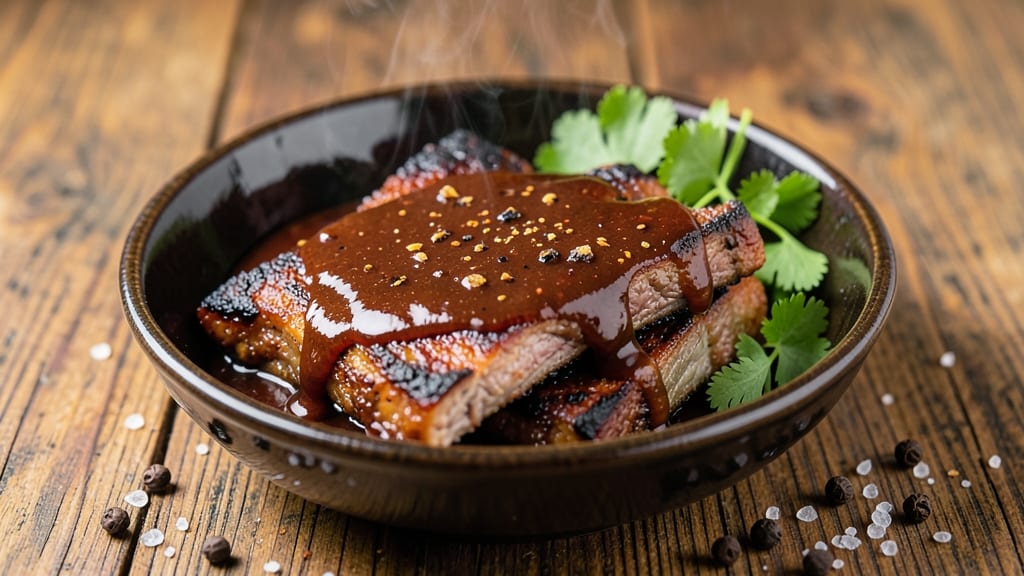
This barbecue sauce recipe for beef ribs is the one I've perfected after years of smoking competitions and backyard cookouts—it caramelizes beautifully on heat, balancing smoky depth with sweet tang. The secret lies in molasses and apple cider vinegar, which create that signature sticky glaze while keeping the sauce from overpowering the meat's natural richness. I developed this after realizing store-bought sauces lacked the complexity needed for slow-cooked ribs.
The sauce starts with a rich tomato base, where I slow-cook spices like smoked paprika and garlic powder to deepen their flavor before blending in molasses for that signature caramelized sweetness.
A touch of brown sugar helps it cling to the ribs without burning, while apple cider vinegar cuts through the richness for balance. This isn't just any sauce—it's the kind that transforms tough cuts into melt-in-your-mouth perfection.
What makes this sauce special is how it behaves under heat. The molasses and sugar caramelize gradually, creating a glossy, sticky glaze that locks in moisture while adding layers of flavor.
The spices bloom slowly, ensuring every bite delivers that perfect blend of smoky, sweet, and tangy notes. It's the kind of sauce that makes people ask for seconds—and then thirds.
Once you've made this batch, you'll want to keep it on hand. It stores beautifully in the fridge for up to 2 weeks, or you can freeze it for 3 months.
The flavors only deepen over time, making it perfect for meal prep or gifting to fellow BBQ enthusiasts. Let's get started on this game-changing sauce.
Ingredients for barbecue sauce recipe for beef ribs
Nine ingredients transform into the perfect sticky glaze for ribs—smoky, sweet, and tangy.
| Ingredient | Amount | Notes |
|---|---|---|
| Tomato Paste 🍅 | ½ cup | San Marzano preferred for sweetness |
| Molasses 🍯 | ⅓ cup | Unsulphured for best flavor |
| Apple Cider Vinegar 🍏 | ¼ cup | Raw apple cider preferred |
| Brown Sugar 🍚 | ¼ cup | Light or dark, packed |
| Smoked Paprika 🌶️ | 2 tbsp | High-quality for smoky depth |
| Garlic Powder 🧄 | 1 tbsp | Freshly ground preferred |
| Onion Powder 🧅 | 1 tbsp | Freshly ground preferred |
| Mustard Powder 🌶️ | 1 tsp | Yellow or Dijon |
| Ground Black Pepper 🌶️ | ½ tsp | Freshly ground for best flavor |
| Salt 🧂 | 1 ½ tsp | Diamond Crystal preferred |
| Water 💧 | 1 cup | For thinning consistency |
| Worcestershire Sauce 🍶 | 1 tbsp | Vegan if needed |
The molasses is non-negotiable here—it's what gives that signature caramelized depth. Grab the unsulphured kind from the baking aisle at Whole Foods or any grocery store. The tomato paste? San Marzano is worth the splurge for its sweetness and smooth texture. Apple cider vinegar should be raw and unfiltered if you can find it—Bragg is my go-to. For the spices, Penzeys bulk bins are ideal, but the regular grocery store stuff works fine. The smoked paprika is where the magic happens—don't skimp on quality here. I always buy extra because I use it in so many other dishes too.
No molasses? Maple syrup at the same amount works in a pinch, but it won't caramelize the same way. Short on tomato paste? Crushed tomatoes at double the amount (about 1 cup) will work, but you'll need to simmer it down. The Worcestershire sauce is optional but adds that umami punch—Lea & Perrins is the classic choice, but vegan versions like Annie's work perfectly. Want more heat? Add a pinch of cayenne. For a sweeter sauce, increase the brown sugar to 1/3 cup. The spices can be adjusted too—more paprika for smokiness, more mustard for tang. This sauce is incredibly flexible once you've got the base down.
This sauce keeps beautifully—2 weeks in the fridge with flavors deepening over time. For longer storage, freeze in ice cube trays for perfect single-use portions. Thaw overnight in the fridge or microwave for 30 seconds. I always make a double batch because it disappears fast. The leftovers make an amazing glaze for grilled chicken or pork chops too. Store in a glass jar with a tight lid to preserve all those smoky flavors.
Why You'll Love This Recipe
- Pantry-Friendly Magic: Honestly, I keep every single ingredient here on hand already—no special trips to the store. That tomato paste and molasses alone transform into something rich and smoky with just a whisk and 10 minutes of simmering.
- Deep, Sticky Goodness: The molasses and brown sugar caramelize into a glossy, finger-licking glaze that clings to ribs like it’s their job. That smoked paprika? It adds this subtle heat that makes every bite feel like a little reward.
- Tailgate or Tuesday: Slather it on ribs for a backyard cookout or toss it in a slow cooker for a weeknight dinner. Between us, I’ve even drizzled extra on grilled chicken thighs—no one judges, and no one complains.
- Make-Once, Use-Twice: A double batch lasts me through two rib sessions, and the leftovers? Perfect for brining chicken or deglazing a pan later. My freezer’s full of it, and my wallet’s happy—this sauce costs pennies per serving.
Step-by-step instructions for smoky sweet barbecue glaze
This sauce delivers deep, caramelized flavor that clings perfectly to ribs—let's build it layer by layer.
Bloom the Spices in Oil
Heat 2 tablespoons neutral oil (like vegetable or canola) in a medium saucepan over medium-low heat. Add the 2 tablespoons smoked paprika and toast for 1 minute until fragrant and slightly darker. This step unlocks the paprika's smoky depth—don't rush it or you'll burn the spices.
Next, whisk in the 1 tablespoon garlic powder, 1 tablespoon onion powder, 1 teaspoon mustard powder, 0.5 teaspoon ground black pepper, and 1.5 teaspoons salt. Cook for another 30 seconds, stirring constantly, until the mixture smells rich and aromatic. This dry spice blend forms the flavor foundation of your sauce.
Build the Base with Tomato and Molasses
Reduce heat to low and stir in the 0.5 cup tomato paste and 0.33 cup molasses. Let the mixture simmer for 5 minutes, stirring occasionally, until the tomato paste darkens slightly and thickens. The molasses will begin to caramelize, creating that signature deep, sweet flavor we want.
Here's where it gets interesting—the molasses adds complexity that store-bought sauces often miss. You'll see tiny bubbles form along the edges of the pan, and the mixture will take on a glossy sheen. If it looks too thick, we'll adjust it in the next step, but don't add water yet—we want to preserve that concentrated flavor.
Balance Sweetness and Acid
Add the 0.25 cup brown sugar and 0.25 cup apple cider vinegar all at once. Stir vigorously to dissolve the sugar completely—this prevents grainy texture in your final sauce. Let the mixture simmer for 8-10 minutes until it thickens noticeably and coats the back of a spoon.
The vinegar cuts through the sweetness while adding bright acidity that prevents the sauce from tasting cloying. You'll smell that perfect balance of caramelized sugar and tangy vinegar—this is the moment when the sauce truly comes together. If it's still too thick after 10 minutes, gradually whisk in the 1 cup water until you reach a glossy, spoonable consistency.
Finish with Worcestershire and Reduce
Stir in the 1 tablespoon Worcestershire sauce and let the sauce simmer uncovered for 10-12 minutes until it reduces by about 25%. You're looking for a sauce that coats the back of a spoon but still flows smoothly when drizzled. The reduction concentrates the flavors and creates that perfect clingy texture on ribs.
Taste and adjust seasoning—you might need a pinch more salt or a splash of vinegar to balance the flavors. The sauce should be sweet but not syrupy, smoky but not overpowering, with just a hint of tang. Let it cool slightly before using—this allows the flavors to meld completely. The sauce will thicken further as it cools, so don't over-reduce it now.
Test and Adjust for Ribs
For perfect rib application, let the sauce cool to room temperature. It should be thick enough to cling but still drizzle smoothly. If it's too thick after cooling, thin with 1-2 teaspoons water at a time. For extra richness, you can brush on a thin layer first, then add a thicker application after the ribs have cooked for 1 hour—this creates that beautiful caramelized crust.
This sauce plays well with both cooked and raw ribs. For raw ribs, apply after the first 1-2 hours of cooking. For pre-cooked ribs, brush on during the final 30 minutes of reheating. The key is patience—let the sauce caramelize on the ribs for that restaurant-quality finish. Store any leftovers in the refrigerator for up to 2 weeks or freeze for 3 months.
Pro Tips For Making Barbecue Sauce Recipe For Beef Ribs
- Simmer Slow and Steady: I learned this the hard way—boiling tomato paste turns it bitter. Keep the heat at a steady simmer (medium-low) and stir often. If it starts smoking, you’re pushing it too hard. This sauce needs time to meld, not a quick boil.
- Bloom the Spices First: Sprinkle smoked paprika and any other dry spices directly into the hot pan before adding liquids. Let them sizzle for 30 seconds—this wakes up their flavor. I used to skip this, and the sauce always tasted flat afterward.
- Balance the Sweetness Early: Taste the sauce after adding brown sugar and tomato paste, then adjust. Too much sugar? A splash of apple cider vinegar cuts through it. Too tangy? A pinch more sugar or a teaspoon of molasses smooths it out. Do this check before it thickens—fixing it later is a pain.
- Use Real Molasses, Not Syrup: I was skeptical until I tried it—molasses adds depth that corn syrup can’t match. If you’re using the cheaper stuff, add a dash of coffee or a pinch of cocoa powder to mimic that rich, almost bitter edge. It’s the thing that makes store-bought sauce taste homemade.
Pro cooking tips for barbecue sauce recipe for beef ribs
Spice Bloom Mastery
That initial 1-minute toast of smoked paprika in oil is where the magic starts—it deepens the smoky flavor without burning. I use a medium-low heat setting and stir constantly to prevent scorching.
The spices should smell rich and aromatic, not acrid. This step unlocks the full potential of your sauce, so don't skip it, even if it feels like a small detail. 🌶️
Molasses Caramelization
The molasses needs time to caramelize properly—don't rush the 5-minute simmer after adding it. You'll see the sauce develop a glossy sheen and tiny bubbles along the edges. This is when the deep, complex sweetness forms.
If you rush this step, you'll miss that signature caramelized depth that makes this sauce special. I've learned the hard way that patience here pays off in flavor.
Vinegar Balance
The apple cider vinegar isn't just for acidity—it cuts through the sweetness and prevents the sauce from tasting cloying. Add it all at once and stir vigorously to dissolve the brown sugar completely. This prevents graininess in your final sauce.
The perfect balance should taste sweet but not syrupy, with just a hint of tang. I always taste at this stage to make sure the flavors are harmonious before proceeding.
Reduction Timing
Reducing the sauce by 25% concentrates the flavors and creates that perfect clingy texture. I recommend simmering uncovered for 10-12 minutes and checking frequently. The sauce should coat the back of a spoon but still flow smoothly.
Over-reducing can make it too thick, so keep an eye on it. This is where many home cooks go wrong—they reduce too much and end up with a paste-like consistency.
Worcestershire Secret
The Worcestershire sauce adds that umami depth that takes your sauce from good to exceptional. Stir it in during the final reduction stage and let it simmer for 10-12 minutes to fully incorporate.
This is my signature move—it's what gives this sauce that restaurant-quality complexity. If you're using a vegan version, don't worry—the flavor is just as rich and complex. 🍶
Rib Application Tips
For perfect application, let the sauce cool to room temperature before brushing on ribs. It should be thick enough to cling but still flow smoothly. I recommend applying a thin layer first, then adding a thicker application after 1 hour of cooking.
This creates that beautiful caramelized crust that everyone loves. The sauce will thicken further as it cools, so don't over-reduce it now—you can always thin it with a splash of water if needed.
Nutrition facts
Frequently asked questions
Can I substitute molasses in this rib sauce?
Yes, but the flavor will change slightly. Maple syrup works in a 1:1 ratio for sweetness, though it won't caramelize as deeply. For a closer match, try blackstrap molasses (it's stronger and less sweet). If you're avoiding molasses entirely, a mix of brown sugar and apple cider vinegar can mimic some of its complexity, but the sauce may taste less rich.
How do I prevent my sauce from burning when brushing on ribs?
Apply the sauce in stages—start with a thin layer after 1-2 hours of cooking, then add more after 30-60 minutes. Keep your grill or smoker temperature between 225-250°F to avoid charring. If the sauce starts to darken too quickly, move the ribs to a cooler part of the grill or cover them loosely with foil. Patience is key—rushing leads to burnt sauce!
Can I make this sauce without Worcestershire sauce?
For umami depth, try 1 tablespoon soy sauce (or tamari for gluten-free) or 1 teaspoon fish sauce (if you eat seafood). Another option is 1/2 teaspoon liquid smoke for a smoky boost, though it won't replicate Worcestershire's complexity. The sauce will still be delicious—just slightly different in flavor profile.
Why does my sauce turn out too thick or too thin?
Sauce consistency changes as it cools—always test it at room temperature. If too thick, thin with 1 teaspoon water at a time. For thinning during cooking, simmer uncovered and stir frequently. If too thin, simmer uncovered for 5-10 extra minutes to reduce. The ideal texture should coat the back of a spoon but still drizzle smoothly.
How can I add heat to this sauce without overpowering it?
Start with 1/4 teaspoon cayenne pepper or 1/2 teaspoon chili flakes, then adjust to taste. For smoky heat, add 1/2 teaspoon chipotle powder during the spice bloom. Remember, flavors build as the sauce cooks—add heat gradually and taste as you go. A little goes a long way with molasses-based sauces!