
Soups & Stews
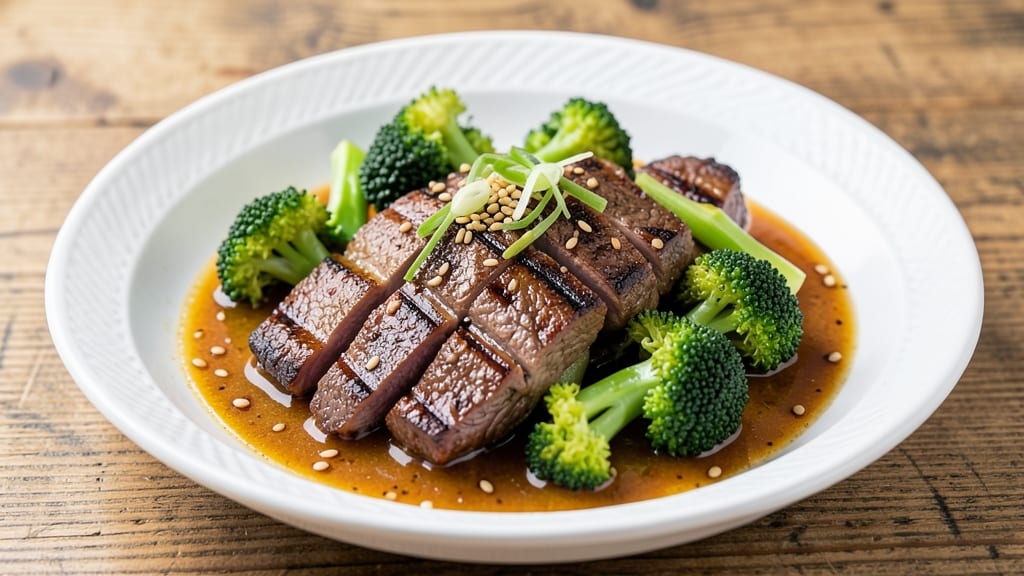
This beef and broccoli copycat recipe delivers restaurant-quality flavor with a savory soy-ginger sauce that clings to every bite. 🔥 The secret lies in high-heat stir-frying and a sauce that's thickened just enough to coat the beef and broccoli perfectly, creating that signature "wok hei" aroma.
I've adapted this classic dish for home cooks with standard equipment, ensuring the same bold flavors without requiring a wok.
The process begins with searing thinly sliced beef until it develops a deep mahogany crust, then quickly stir-frying fresh broccoli until it's vibrant green and just tender-crisp. While the vegetables cook, the sauce simmers until it reaches that ideal consistency—thick enough to coat but still silky smooth.
The combination of soy sauce, ginger, garlic, and a touch of sugar creates a perfect balance of savory, spicy, and slightly sweet notes.
What you'll end up with is a dish that's rich in umami flavor, with beef that's perfectly tender yet still holds its shape, and broccoli that's bright and crisp. The sauce clings to every piece, creating that satisfying "slurp" with each bite that you'd expect from your favorite Chinese restaurant.
This recipe serves four and comes together in about 30 minutes, making it perfect for weeknight dinners when you're craving takeout flavors at home.
Serve it over steamed jasmine rice for the full experience, or with your favorite noodles for a heartier meal. The beauty of this recipe is its adaptability—you can adjust the heat level to your preference or swap in other vegetables like bell peppers or snap peas. Let's get cooking!
Ingredients for beef and broccoli copycat
Restaurant-quality beef and broccoli starts with these 14 simple ingredients.
| Ingredient | Amount | Notes |
|---|---|---|
| Flank Steak 🥩 | 1 ¼ lb | Thinly sliced against grain |
| Fresh Broccoli 🥦 | 1 ½ lb | Cut into florets, stems peeled |
| Soy Sauce 🍶 | ½ cup | High-quality, light or all-purpose |
| Cornstarch 🌾 | 1 tbsp | For thickening sauce |
| Water 💧 | ½ cup | For cornstarch slurry |
| Sesame Oil 🫒 | 1 tbsp | Toasted, for aroma |
| Ginger Root 🌿 | 2 tbsp | Fresh, finely grated |
| Garlic Cloves 🧄 | 6 cloves | Minced, not pre-minced |
| Brown Sugar 🍯 | 1 tbsp | Light or dark |
| Vegetable Oil 🫒 | 2 tbsp | High smoke point |
| Green Onions 🧅 | 3 whole | Sliced, for garnish |
| Sesame Seeds 🌱 | 1 tbsp | Toasted, for garnish |
| Salt 🧂 | 1 tsp | Kosher or sea salt |
| Black Pepper 🌶️ | ½ tsp | Freshly ground |
The beef is everything here. Flank steak is the gold standard—it's lean but tender when sliced thin against the grain. Grab it from the butcher counter if possible, or ask for it pre-sliced at Whole Foods or Trader Joe's. Look for good marbling, not bone-dry cuts. Fresh broccoli should be vibrant green with tight florets—avoid those sad, yellowing ones at the back of the produce section. For the sauce, La Choy soy sauce or Kikkoman are my go-tos, but any high-quality brand works. The cornstarch needs to be pure—no instant rice mixes or anything with additives.
No fresh ginger? Ground ginger at half the amount will work in a pinch, but it lacks that bright, zesty kick. Pre-minced garlic? Fresh is non-negotiable—it makes all the difference. Swap the brown sugar for white sugar or honey if needed, though brown adds that caramel depth. The sesame oil is for aroma only—use the toasted variety from Trader Joe's for that nutty flavor. For extra heat, add a pinch of red pepper flakes. And if you're short on green onions, scallions or chives work too. The sauce will thicken as it sits, so if it's too thick right away, just stir in a splash of water.
This dish reheats beautifully—just toss it with a little water or soy sauce to loosen it up. Keeps for 3-4 days in the fridge, and freezes for 2 months. I always make extra because it tastes even better the next day as the flavors meld. Store the beef and broccoli separately if you want to reheat them fresh—just toss with the sauce when serving. Garnish with toasted sesame seeds right before eating so they stay crisp. Serve over jasmine rice for the full experience, or with noodles for a heartier meal.
Why You'll Love This Recipe
- Two-Ingredient Sauce Magic: The soy-cornstarch slurry transforms everything—no fancy reductions or simmering for hours. Just whisk, coat, and sear. That glossy, umami-packed glaze? Done in 10 minutes while you chop broccoli.
- Weeknight Workhorse: Serve it over rice for a full meal, toss it cold in salads, or pile it on toast for breakfast (yes, really). My kids ask for it more than pizza—honestly, the versatility keeps me from takeout burnout.
- Crispy-Tender Beef: Flank steak slices thin against the grain, then gets that perfect chew with the cornstarch crust. The broccoli stays bright and snappy, not mushy—because we’re talking quick stir-fry, not boiling.
- Budget Meal Stretch: A pound of flank steak feeds four, and the leftovers reheat like a dream. I’ll be real: this is my go-to for date nights and lazy Sundays. No fancy ingredients, just big flavor for every bite.
Step-by-step instructions for beef and broccoli copycat recipe
Here's how to nail that restaurant-worthy sauce and tender beef every time.
🔥 Step 1: Sear the Flank Steak to Perfection
Heat 2 tablespoons vegetable oil in a large skillet over high heat until shimmering. Pat the 1.25 lb flank steak completely dry with paper towels—this ensures a perfect sear. Add the steak in a single layer and cook undisturbed for 2-3 minutes until deep golden brown.
Here's the thing—don't touch it yet. You'll know it's ready when the edges are crispy and the steak releases easily from the pan. Flip and sear the other side for another 2-3 minutes. Remove the steak and set aside on a plate. That beautiful crust is what makes this dish sing!
🍳 Step 2: Build the Savory Soy-Ginger Sauce
In the same skillet (no need to clean it—those browned bits are flavor gold), add 2 tablespoons finely grated ginger root and 6 cloves minced garlic. Stir for 30 seconds until fragrant—this releases their aromatic oils. Pour in 0.5 cup soy sauce and 1 tablespoon brown sugar, scraping up all those delicious browned bits from the bottom.
Bring to a gentle simmer and cook for 2 minutes until the sauce slightly reduces. Here's where the magic happens: in a small bowl, whisk together 1 tablespoon cornstarch and 0.5 cup water to make a slurry. Slowly pour this into the simmering sauce while stirring constantly.
🥘 Step 3: Cook the Broccoli and Finish the Sauce
Add the 1.5 lb broccoli florets to the skillet and toss to coat in the sauce. Cover and cook for 4-5 minutes until the broccoli is bright green and tender-crisp—you want it to hold its shape but still have a little bite. If the sauce thickens too much, add 1-2 tablespoons water to loosen it.
Return the seared steak to the skillet and spoon the sauce generously over it. Let everything heat through together for 1-2 minutes. The sauce should coat the beef and broccoli beautifully, clinging to every bite. If it's not quite thick enough, add another ½ teaspoon cornstarch mixed with 1 teaspoon water to finish it.
🍽️ Step 4: Garnish and Serve Immediately
Transfer the beef and broccoli to serving plates. Drizzle with 1 tablespoon sesame oil and sprinkle with 3 sliced green onions and 1 tablespoon toasted sesame seeds. The sesame oil adds that final aromatic punch while the seeds give a lovely crunch.
Serve this dish piping hot over steamed rice or noodles. The sauce should be glossy and cling to everything, with perfect balance between the salty-sweet soy, fresh ginger, and tender beef. Don't skip the garnish—it makes all the difference in that restaurant-quality presentation!
Pro Tips For Making Beef And Broccoli Copycat
- SLICE THIN, NOT THICK: Flank steak’s got muscle—cut against the grain or you’ll chew like you’re eating shoe leather. Aim for ¼-inch slices, and if your knife’s getting tired, take a break. Thin strips cook faster and stay tender.
- DON’T BOIL THE BROCCOLLI: I used to toss raw florets in the wok with the beef, and they’d turn into sad, limp mush. Blanch them first in salted boiling water for 30 seconds, then shock in ice water. Crispy edges? Yes. Crunchy texture? Always.
- LET THE SAUCE REST: Mix cornstarch and water, then dump it in hot oil like you’re making a slurry. But don’t rush—let it simmer for 2 full minutes after adding soy sauce. Skimp here, and your sauce’ll taste thin and unfinished.
- SEAR THE BEEF FIRST: High heat, dry pan, 2 minutes per side—no crowding. The crust locks in flavor and keeps the steak from turning to rubber. If your wok’s too small, work in batches. (Yes, it’s annoying, but the payoff’s worth it.)
Best sauces and condiments for these flavors
Classic Soy-Ginger Base
The foundation of this dish is the soy-ginger sauce, where ½ cup soy sauce (I prefer Kikkoman for its balanced flavor) meets 2 tbsp freshly grated ginger and 6 minced garlic cloves. The ginger should be finely grated—use a Microplane for best results—to release its bright, zesty oils.
For depth, add 1 tbsp brown sugar (light or dark) to balance the saltiness. Simmer this mixture for 2 minutes before thickening to let the flavors meld. 🌿
Cornstarch Thickening Trick
Here’s my pro move: whisk 1 tbsp cornstarch with ½ cup water to create a smooth slurry. Slowly pour this into the simmering sauce while stirring constantly—this prevents clumping and ensures a silky, glossy finish.
If the sauce thickens too much, add 1-2 tbsp water to loosen it. For extra richness, stir in 1 tbsp toasted sesame oil at the end. This step is non-negotiable for that restaurant-style texture. 🍶
Umami Boosters
Elevate the sauce with 1 tsp oyster sauce (like Lee Kum Kee) for deeper umami, or swap in 1 tbsp hoisin for a sweeter twist. For heat, add ½ tsp chili garlic sauce or ¼ tsp red pepper flakes.
If you’re feeling adventurous, a splash of 1 tsp Shaoxing wine (or dry sherry) adds complexity. These tweaks turn a good sauce into an extraordinary one. 🔥
Sesame Oil Finish
Never skip the 1 tbsp toasted sesame oil drizzled at the end—it’s the secret to that aromatic "wok hei" (breath of the wok) that makes this dish sing. Use high-quality sesame oil (like Trader Joe’s or Kikkoman) and add it just before serving to preserve its nutty aroma.
Pair it with toasted sesame seeds and sliced green onions for a garnish that’s as beautiful as it is flavorful. ✨
Sauce Variations
For a spicy kick, add 1 tsp gochujang (Korean chili paste) to the sauce base. For a sweeter profile, increase the brown sugar to 2 tbsp and add ½ tsp white pepper for warmth.
If you love tang, stir in 1 tsp rice vinegar at the end. Each variation keeps the sauce balanced while adding a unique twist—experiment to find your favorite! 🌶️
Storage and Reheating
Let the sauce cool completely before storing in an airtight container in the fridge for up to 4 days. To reheat, warm over medium-low heat with 1-2 tbsp water to prevent scorching.
For leftovers, I like to toss the beef and broccoli separately and reheat them in the sauce—this keeps the broccoli crisp-tender. The sauce thickens as it cools, so thin with water if needed before serving. 💫
Nutrition facts
Frequently asked questions
Why does the beef need to be sliced thinly against the grain?
The grain direction matters because it determines the muscle fibers. Slicing against the grain shortens the fibers, making the beef more tender and easier to chew. For flank steak, aim for slices about ¼-inch thick—this ensures perfect tenderness while maintaining a good texture. If you're unsure which direction is against the grain, look for the widest part of the muscle and slice perpendicular to those lines.
Can I use a different cut of beef instead of flank steak?
Yes, but choose lean cuts that become tender when sliced thin. Sirloin or ribeye work well, though flank steak is ideal for its balance of flavor and tenderness. Avoid tougher cuts like chuck—they won't achieve the same texture. If using sirloin, trim excess fat first and slice it ⅛-inch thick for best results.
How do I prevent the broccoli from turning mushy?
Broccoli cooks quickly, so keep it moving in the pan and avoid overcrowding. Cook in 2 batches if needed, and stir frequently for the last 2 minutes of cooking. For extra crispness, blanch the florets in boiling water for 30 seconds before stir-frying. This jumpstarts the cooking process and helps maintain texture.
What if my sauce is too thick after adding the cornstarch?
Don't worry—just stir in 1-2 tablespoons water to loosen it. If it's still too thick, mix ½ teaspoon cornstarch with 1 teaspoon water and add it gradually while stirring constantly. The sauce should coat the back of a spoon but still be smooth, not gluey. For extra insurance, simmer for 30 seconds after adding the slurry to set the thickening.
Can I make this recipe in a slow cooker?
Not ideal for this dish, as slow cooking would make the beef tough and the sauce watery. However, you can adapt it by searing the beef first, then adding everything to the slow cooker on high for 1 hour. Just be prepared for less caramelization and a softer texture. For best results, stick to the stovetop method—it's quick and delivers that signature restaurant-style flavor.