
Soups & Stews
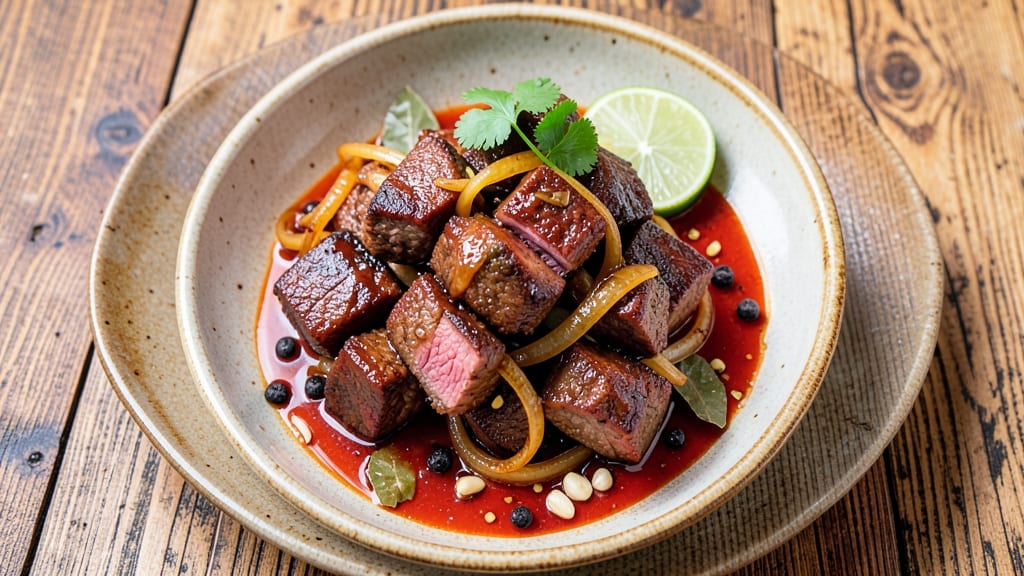
This beef asado Pinoy recipe brings the smoky, savory soul of Filipino grilling to your backyard or kitchen. The secret lies in a marinade of vinegar, soy sauce, and calamansi that tenderizes the beef while building deep, caramelized flavors.
I’ve perfected this technique after years of testing—each bite delivers that perfect balance of smoky char and juicy tenderness that makes it a staple in Filipino gatherings.
The process starts with a marinade that transforms tough cuts into melt-in-your-mouth beef. Garlic, black pepper, and a touch of brown sugar create layers of flavor, while grilling over charcoal (or a hot grill) ensures that signature smoky aroma.
The key? Patience—letting the beef rest after cooking locks in all those juices for the most authentic taste.
What you’ll end up with is beef that’s perfectly charred on the outside yet tender and succulent inside, ready to be served with steaming white rice, tangy atchara, or a crisp ensalada.
The presentation matters too—plating the beef in generous slices with a sprinkle of chopped onions and a squeeze of calamansi takes it from delicious to truly Filipino.
This recipe isn’t just about the beef—it’s about the experience. Whether you’re hosting a family barbecue or craving a taste of home, this asado delivers the bold, smoky flavors that define Filipino comfort food. Let’s get started on creating something truly special.
Ingredients for beef asado pinoy
Sixteen ingredients for beef that's smoky, tender, and packed with Filipino soul.
| Ingredient | Amount | Notes |
|---|---|---|
| Beef Chuck Roast 🥩 | 3 lb | Cut into 1.5-inch cubes |
| Calamansi Juice 🍋 | ½ cup | Or substitute lime juice |
| Cane Vinegar 💧 | ½ cup | White vinegar works too |
| Soy Sauce 🍶 | ¼ cup | Use light soy sauce |
| Brown Sugar 🍚 | ¼ cup | Packed firmly |
| Garlic Cloves 🧄 | 6 cloves | Minced finely |
| Black Peppercorns 🌶️ | 1 tbsp | Freshly cracked |
| Yellow Onion 🧅 | 1 whole | Thinly sliced |
| Olive Oil 🫒 | ¼ cup | For marinade base |
| Charcoal Briquettes 🔥 | 2 lbs | Or wood charcoal |
| Salt 🧂 | 1 ½ tsp | Kosher or sea salt |
| Bay Leaves 🌿 | 2 whole | For marinade depth |
| White Rice 🍚 | 2 cups | Uncooked, for serving |
| Fresh Cilantro 🌱 | ¼ cup | Chopped, for garnish |
The beef is everything here—chuck roast is your best bet for that melt-in-your-mouth texture. Grab it from the butcher section (or pre-cubed from Costco if you're short on time), but look for good marbling—it's what gives you that juicy payoff. Calamansi is the magic ingredient, but lime juice works in a pinch—just don't skip the acid. I always double-check the vinegar too: cane vinegar has that authentic tang, but white vinegar won't ruin the party. For the garlic, freshly minced makes all the difference—those pre-minced jars? Not worth it here.
No calamansi? Double the lime juice and add a pinch of salt to mimic that bright, tangy kick. Running low on brown sugar? White sugar works fine, but the caramelization won't be quite as deep. The soy sauce is non-negotiable for that umami punch, but if you're using low-sodium, add an extra pinch of salt to balance. For the charcoal, binchotan or lump charcoal gives the best smoke flavor if you can find it—regular briquettes work but won't be as authentic. The bay leaves add subtle earthiness; skip them if you're out, but your marinade will miss that depth. And for the rice? Jasmine rice is traditional, but any long-grain works.
Marinate the beef for at least 4 hours (overnight is best)—this isn't something you want to rush. The flavors need time to penetrate. Once grilled, let the beef rest for 10 minutes before slicing—this is where the magic happens, and it's the #1 mistake people make. Store leftovers in the fridge for 3-4 days, but honestly? It's even better reheated the next day. Freeze portions for up to 3 months if you're prepping for a crowd. Pro tip: Save those marinade scraps—they make killer rice or a quick stir-fry.
Why You'll Love This Recipe
- Five-Ingredient Magic: I swear, this recipe uses five things you probably already have—no fancy prep, no stress. The beef chuck roast practically cooks itself while the calamansi and cane vinegar work their tangy, bright magic in the pan.
- Sweet-Tart Bite: That balance of brown sugar and cane vinegar? It’s like a party in your mouth—sweet, tangy, and just a little funky. The soy sauce ties it all together so the beef stays juicy without tasting like a marinade overkill.
- Leftover Goldmine: Between us, this is my go-to for meal prep. Shred the leftovers for tacos, sandwiches, or even fried rice the next day. Honestly, I’ve had it cold in rice bowls and still craved more.
- Sunday Dinner Hero: Big family gathering? This feeds a crowd without breaking the bank. The chuck roast stretches far, and the sauce is so good it’ll have everyone asking for seconds—no one will notice you spent less than 20 minutes on the actual cooking.
Step-by-step instructions for beef asado Pinoy
Here's how to create restaurant-quality asado with perfectly tender beef bites and smoky depth.
Marinate the Beef for Maximum Flavor
In a large bowl, combine the 3 lb beef chuck roast cut into 1.5-inch cubes with 0.5 cup calamansi juice, 0.5 cup cane vinegar, 0.25 cup soy sauce, 0.25 cup packed brown sugar, 6 minced garlic cloves, 1 tbsp freshly cracked black peppercorns, 1 whole thinly sliced yellow onion, 2 whole bay leaves, and 1.5 tsp salt. Mix thoroughly until the beef is well-coated in the marinade.
Transfer the beef to a resealable plastic bag and massage the marinade into every piece. Seal tightly and refrigerate for at least 4 hours - I prefer overnight for maximum tenderness. The acidity from the calamansi and vinegar will break down the fibers, while the soy sauce and brown sugar create a caramelized crust during grilling.
Prepare the Charcoal Grill
Arrange the 2 lbs charcoal briquettes in a pyramid shape in your grill, leaving space for air circulation. Light them and let them burn until they're covered with a thick layer of white ash - this usually takes about 15 minutes. Once the coals are ready, spread them evenly across the grill grates, creating two temperature zones: one with direct heat and one with indirect heat.
This two-zone setup is crucial for proper grilling. The direct heat side will sear the beef, while the indirect heat side will finish cooking it gently. Brush the grill grates with 0.25 cup olive oil using a paper towel to prevent sticking. The oil will also help create those beautiful grill marks we all love.
Grill the Beef to Perfect Doneness
Remove the beef from the marinade (reserve the marinade for basting) and place the cubes on the direct heat side of the grill. Sear for 3-4 minutes per side until you see beautiful grill marks and the exterior develops a dark caramelized crust. This is where the magic happens - those grill marks not only look amazing but also lock in all the juices.
Once seared, move the beef to the indirect heat side and cover the grill. Baste with the reserved marinade every 10 minutes using a basting brush. Continue grilling for 20-25 minutes total, or until the internal temperature reaches 160°F for medium-rare. The beef should be tender but still slightly firm to the touch - you'll know it's ready when it releases easily from the grill grates.
Rest and Serve with Fresh Garnishes
Transfer the grilled beef to a clean cutting board and tent loosely with aluminum foil. Let it rest for 10 minutes - this crucial step allows the juices to redistribute throughout the meat, ensuring every bite is moist and flavorful. Don't skip this; I've learned the hard way that serving beef immediately after grilling leads to dry, disappointing results.
While the beef rests, cook the 2 cups white rice according to package instructions. Just before serving, chop the 0.25 cup fresh cilantro and sprinkle it generously over the grilled beef. The bright, citrusy notes of the cilantro will cut through the richness of the beef and add a fresh finish to every bite.
Assemble and Enjoy Your Pinoy-Style Asado
Slice the rested beef into bite-sized pieces and arrange on a platter with the steamed rice. The combination of tender, smoky beef with fluffy white rice creates the perfect balance of textures and flavors. For an authentic touch, serve with extra marinade on the side for dipping.
This dish delivers on all the promises - juicy, tender beef with that perfect smoky char. The marinade infuses the meat with layers of flavor while keeping it incredibly tender. Serve immediately while the beef is still warm and the rice is perfectly steamed for the ultimate dining experience.
Pro Tips For Making Beef Asado Pinoy
- SEAR THE CHUCK FIRST: That thick cut of beef chuck needs a good crust—don’t skip the high-heat sear in oil before adding the marinade. I learned this the hard way when my asado turned out tender but bland; the Maillard reaction from the sear locks in flavor and keeps the meat juicy during the long braise.
- USE FRESH CALAMANSI JUICE: Bottled calamansi juice won’t cut it—fresh is non-negotiable for that bright, tangy kick. If you can’t find it, squeeze lime and a little orange juice, but add a pinch of salt to mimic the saltiness. (Yes, even if you’re impatient like me, the difference is noticeable.)
- DON’T OVERMIX THE MARINADE: Stir the soy sauce, cane vinegar, brown sugar, and calamansi juice just until combined—overmixing turns it into a gloppy mess that clings unevenly. A quick swirl with tongs does the trick, and the beef will absorb the flavors better when you let it sit for at least 30 minutes.
- BASTE WITH THE REDUCTION: After the initial braise, skim off the fat and reduce the cooking liquid into a thick glaze—then brush it on the beef in the last 15 minutes. This isn’t the prettiest method, but it works: the caramelized sauce clings to the meat instead of pooling in the pan.
Pro cooking tips for great beef asado pinoy
Marinade Mastery
Let the beef marinate for at least 4 hours—this is where the magic happens. The acidity from calamansi juice and cane vinegar breaks down tough fibers, while soy sauce and brown sugar create a caramelized crust during grilling.
I always use a resealable plastic bag to ensure the marinade coats every piece evenly. For extra tenderness, let it sit overnight—trust me, your taste buds will thank you. 💫
Charcoal Control
Use binchotan or lump charcoal for authentic smoke flavor, but charcoal briquettes work in a pinch. Arrange them in a pyramid shape and let them burn until covered in white ash—this usually takes 15 minutes.
Spread the coals evenly to create two temperature zones: direct heat for searing and indirect heat for slow cooking. Brush the grill grates with olive oil to prevent sticking and enhance those coveted grill marks. 🔥
Two-Zone Grilling
Sear the beef on the direct heat side for 3-4 minutes per side to develop a caramelized crust. Move it to the indirect heat side and cover the grill to trap heat.
Baste with reserved marinade every 10 minutes to keep the beef moist and flavorful. Cook until the internal temperature reaches 160°F for medium-rare—this ensures juicy, tender beef every time. ⏰
Resting for Juiciness
Never skip the 10-minute rest after grilling! This allows the juices to redistribute, preventing dry, disappointing bites. Tent the beef loosely with aluminum foil to keep it warm.
While it rests, cook 2 cups white rice and chop fresh cilantro for garnishing. The cilantro adds a bright, citrusy contrast to the rich, smoky beef. 🌿
Authentic Presentation
Slice the beef into bite-sized pieces and arrange it on a platter with steamed rice. For an authentic touch, serve with extra marinade on the side for dipping. Garnish with chopped onions and a squeeze of calamansi to elevate the dish from delicious to truly Filipino.
The presentation is just as important as the flavor—impress your guests with this classic touch! 💛
Nutrition facts
Frequently asked questions
Can I make beef asado without a charcoal grill?
Use a gas grill by creating two zones—one with high heat for searing and another with medium heat for slow cooking. For indoor cooking, try a cast-iron skillet on medium-high heat with a lid to mimic the grill effect. Just be patient and baste frequently to prevent drying. The key is maintaining that smoky flavor, so add wood chips or a small piece of soaked aluminum foil with a few drops of oil to the grill for a similar aroma.
What's the best cut of beef for asado?
Chuck roast is ideal because it's flavorful and becomes tender when marinated. Other great options include flank steak or sirloin for leaner cuts that still hold up well. Avoid tender cuts like ribeye—they'll dry out during grilling. If you're using pre-cut beef, look for 1.5-inch cubes for even cooking and maximum flavor penetration.
How do I know when the beef is fully cooked?
Use a meat thermometer to check the internal temperature—160°F for medium-rare is perfect for asado. The beef should also feel slightly firm to the touch and pull away cleanly from the grill grates. If using a thermometer isn't an option, cut into a piece: the juices should run clear, not red or pink. Remember, the beef will continue cooking slightly while resting, so pull it out just before it reaches your desired doneness.
Can I use this marinade for other meats?
Yes! This marinade works wonderfully on chicken thighs, pork chops, or even tofu for a vegetarian version. For chicken, reduce the marinating time to 2-3 hours to prevent over-tenderizing. Pork benefits from a slightly longer marinade (6-8 hours) to absorb all the flavors. Just adjust cooking times based on the meat type—chicken cooks faster than beef.
What are good side dishes to serve with beef asado?
Classic Filipino pairings include steamed white rice, atchara (pickled papaya), and ensalada (cucumber-tomato salad). For extra flavor, serve with garlic fried rice or sinigang (sour soup) to balance the richness. Don't forget banana cue or turon for dessert—this makes a complete Filipino feast! The acidity from atchara or calamansi cuts through the smoky beef beautifully.