
Soups & Stews
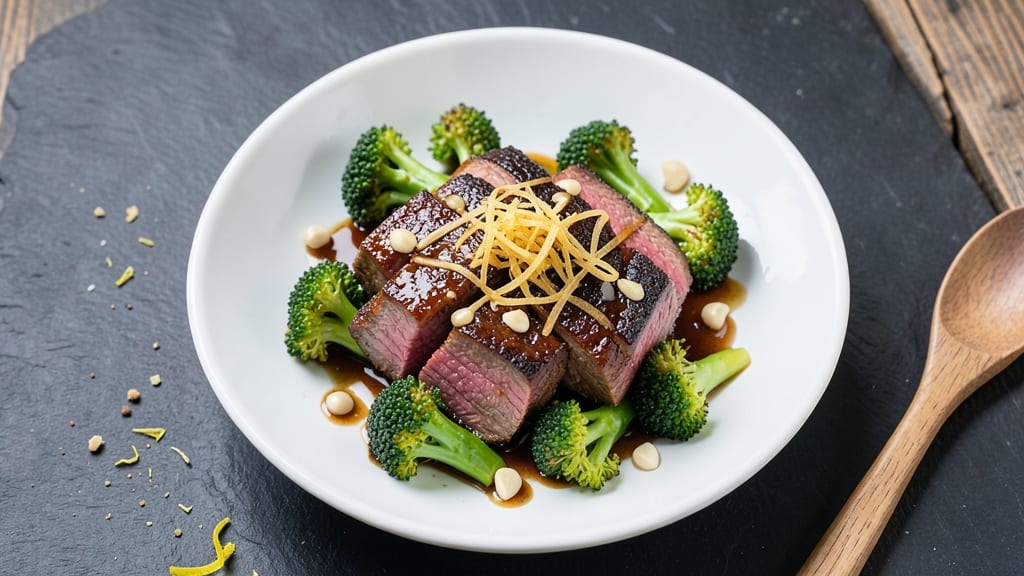
This Filipino-style beef and broccoli recipe Pinoy delivers a perfect balance of umami-rich soy-steamed beef and crisp-tender broccoli in a silky, savory sauce—just like your favorite karinderya dish.
The secret lies in marinating the beef with toyo (soy sauce), vinegar, and garlic, creating deep flavor while keeping the meat tender. Unlike Western versions, this Pinoy take incorporates Filipino pantry staples like patis (fish sauce) and calamansi (if available) for that signature tangy-sweet depth.
The cooking process transforms tough cuts into silky, melt-in-your-mouth beef while preserving the broccoli’s crunchy texture—no soggy florets here. A quick stir-fry in a hot wok or deep pan ensures the beef stays juicy, and the sauce thickens just enough to coat every bite without being gluey.
This isn’t just a side dish; it’s a full, satisfying meal with protein, veggies, and bold flavors in one pan.
What sets this apart is the Filipino technique of soy-steaming—cooking the beef in its marinade until tender before adding the broccoli for just the right amount of time. The result?
A dish that’s restaurant-quality at home, with a sauce that’s rich but not heavy, and broccoli that’s bright, crisp, and packed with flavor. Serve it over steamed rice, and you’ve got a complete, hearty dinner in under 45 minutes.
Whether you’re craving a weeknight comfort meal or a dish to impress guests, this beef and broccoli delivers authentic Filipino taste with minimal effort. The best part?
It’s versatile—swap in bell peppers or snap peas for extra veggies, or adjust the spice level with siling labuyo (chili) if you like it fiery. Let’s get cooking!
Ingredients for beef and broccoli recipe pinoy
Filipino pantry staples meet restaurant-quality beef and broccoli in this umami-packed dish.
| Ingredient | Amount | Notes |
|---|---|---|
| Beef Chuck Roast 🥩 | 1 ½ lb | Cut into 1-inch cubes, marinated overnight |
| Fresh Broccoli Crowns 🥦 | 2 lb | Cut into florets, stems peeled and sliced |
| Filipino Soy Sauce (Toyo) 🍶 | ½ cup | Dark soy preferred for color depth |
| Canola Oil 🫒 | 3 tbsp | High smoke point for stir-frying |
| White Vinegar 🍶 | 2 tbsp | For tenderizing and tang |
| Garlic Cloves 🧄 | 8 cloves | Minced finely for aromatic punch |
| Patis (Fish Sauce) 🍶 | 1 tbsp | Filipino brand preferred for authentic umami |
| Calamansi Juice 🍋 | 2 tbsp | Or substitute lime juice if unavailable |
| Sugar 🍚 | 1 tbsp | Balances acidity in sauce |
| Cornstarch 🌾 | 1 tbsp | For sauce thickening |
| Ground Black Pepper 🌶️ | ½ tsp | Freshly cracked for heat |
| Green Onions 🧅 | 3 whole | Sliced thin for garnish |
| Sesame Oil 🫒 | 1 tsp | For finishing aroma |
| Siling Labuyo (Chili) 🔥 | 1 whole | Optional for heat, seeds removed |
The beef cut matters—chuck roast delivers that signature karinderya tenderness when marinated properly. Grab a 1.5-pound package from the butcher section, not the pre-cut beef mix at the grocery store. For the broccoli, fresh crowns (not frozen) give that crisp texture—look for bright green florets with tight buds. The soy sauce? Filipino dark soy from Asian markets has more depth than regular soy sauce, but Lee Kum Kee works in a pinch. If you can't find calamansi, lime juice plus a pinch of sugar mimics that bright tang.
No patis? Soy sauce plus a dash of Worcestershire sauce gets you close, though it won't be quite as funky. Short on cornstarch? All-purpose flour at the same amount thickens the sauce, but cornstarch gives that glossy finish. The garlic should be minced so fine it's almost a paste—this is where the real flavor develops. For the chili, siling labuyo is ideal, but Thai bird's eye chili works if you can't find it. Pro tip: Toast the cornstarch in the pan for 30 seconds before adding liquid—it removes that raw flour taste and adds a nutty note to the sauce.
Marinate the beef at least 4 hours (overnight is best)—this is non-negotiable for tender results. Store marinated beef in a sealed container with the sauce in the fridge for up to 2 days. Broccoli keeps 5 days in the fridge if wrapped in a damp towel. The finished dish reheats beautifully—just add a splash of water and stir over medium heat. For leftovers, portion into airtight containers with a layer of plastic wrap pressed directly on the sauce to prevent a skin from forming. Freezes for 3 months if you're planning ahead.
Why You'll Love This Recipe
- One-Pan Magic: I swear by this recipe on nights when I’d rather not scrub a million dishes. The beef chucks away in the same pan as the broccoli—no extra pots, no fuss—just a simple sear, a splash of vinegar, and that rich Filipino soy sauce tying it all together. My counter stays clear, and my family stays happy.
- Umami Bomb: That Filipino soy sauce—Toyo—is the secret weapon here. It’s sweeter, deeper than regular soy, and when it caramelizes with the beef’s juices? Absolute flavor explosion. The vinegar cuts through the richness just enough to keep every bite balanced, and the broccoli stays crisp-tender instead of soggy.
- Leftover Hero: This dish tastes even better the next day, which is great because I always make extra. The beef gets more tender with time, and the sauce thickens into a glossy, savory glaze. Pack it for lunch or reheat it for dinner—it’s my go-to for busy weeks when I need a reliable, satisfying meal without the guesswork.
- Budget Game-Changer: Beef chuck roast is affordable, and a single package stretches for three meals easily. Fresh broccoli crowns are cheap and versatile, and a small bottle of Toyo soy sauce lasts for ages. Honestly, I’ve made this for under $10 per serving, and it still feels like a restaurant-quality dish. That’s a win in my book.
Step-by-step instructions for soy-steamed beef and broccoli
This Filipino-inspired dish delivers tender beef and crisp broccoli bathed in a rich, umami-packed sauce.
Prepare the Beef for Maximum Tenderness
Remove the marinated beef chuck roast from the refrigerator and pat it dry with paper towels. The overnight marinade should have already broken down the tough fibers, but we'll take it one step further. In a large bowl, combine 2 tablespoons white vinegar, 1 tablespoon patis (fish sauce), and 2 tablespoons calamansi juice. Add the beef cubes and toss gently to coat completely. Let them sit for 15 minutes—this final acid bath ensures fork-tender results.
While the beef marinates, prepare the broccoli. Cut the 2 lb fresh broccoli crowns into even florets, about 1.5 inches in size. Peel and slice the stems into ½-inch thick rounds. Blanch the broccoli in boiling water for 2 minutes to soften slightly, then immediately plunge into ice water to stop the cooking. Drain well and set aside—this step prevents overcooking when we stir-fry later.
Build the Sauce Foundation
In a small bowl, whisk together ½ cup Filipino soy sauce (toyo), 1 tablespoon sugar, and 1 tablespoon cornstarch. The cornstarch acts as our natural thickener, creating that signature glossy sauce. Set this mixture aside for now—it'll transform into our velvety sauce later.
Heat 3 tablespoons canola oil in a large wok or deep skillet over medium-high heat until shimmering. Add the 8 cloves minced garlic cloves and stir for 30 seconds until fragrant—don't let them brown or they'll turn bitter. This is where the aromatic foundation begins building. If using the whole siling labuyo (chili), add it now with seeds removed for controlled heat.
Cook the Beef to Perfect Doneness
Working in batches if needed, add the beef cubes to the wok in a single layer. Let them sear undisturbed for 2-3 minutes until they develop a deep brown crust. This initial sear locks in juices and builds flavor. Stir occasionally, breaking up any large chunks, and cook for an additional 3-4 minutes until the beef is 80% cooked through but still slightly pink in the center.
Remove the beef from the wok and set aside. In the same wok, add the blanched broccoli florets and stems. Stir-fry for 2-3 minutes until just tender-crisp—the stems should offer slight resistance when pierced with a fork. The broccoli should retain its vibrant green color and slight crunch. Season with ½ teaspoon ground black pepper and remove from heat.
Finish with the Signature Sauce
Return the wok to medium heat and pour in the reserved soy sauce mixture. Stir constantly for 1-2 minutes until the sauce thickens and coats the back of a spoon. The sauce should transform from thin to glossy, clinging to the broccoli and beef. If it thickens too quickly, add 1-2 tablespoons hot water to adjust consistency.
Add the cooked beef and broccoli back to the wok, tossing everything together. Drizzle with 1 teaspoon sesame oil and toss once more. The sesame oil adds a nutty aroma that elevates the dish. Taste and adjust seasoning—you might need a touch more soy sauce or sugar to balance the flavors. Garnish with thinly sliced 3 whole green onions for freshness and color.
Serve Immediately for Best Results
Transfer the beef and broccoli to a serving platter and serve immediately while steaming hot. The sauce should be silky and coat every piece of beef and broccoli. Each bite should deliver tender beef with a satisfying crunch from the broccoli, balanced by the rich, umami-packed sauce.
This dish pairs beautifully with steamed jasmine rice to soak up every last bit of that delicious sauce. The combination of textures—tender beef, crisp broccoli, and glossy sauce—makes this a standout Filipino-inspired meal that's sure to impress.
Pro Tips For Making Beef And Broccoli Recipe Pinoy
- Sear the Chuck Roast: Cut the beef into 1-inch slices first, then sear them in batches—don’t overcrowd the pan. I learned this the hard way: trying to cook all the slices at once just steams them instead of building that caramelized crust. A hot pan with canola oil (about 2 tablespoons) and 2 minutes per side makes all the difference.
- Blanch Broccoli First: Drop the broccoli crowns into boiling water for 30 seconds before stir-frying—this keeps them vibrant and prevents mush. My grandmother swore by this, and she was right: undercooked broccoli tastes bitter, and overcooked turns to soup.
- Deglaze with Vinegar: After searing the beef, splash in 1 tablespoon of white vinegar before adding Filipino soy sauce. The acid cuts through the richness and brightens the sauce—skip this, and you’ll end up with a flat, salty mess.
- Rest the Beef: Pile the cooked beef onto a plate, tent with foil, and let it sit for 5 minutes before tossing with broccoli. I was skeptical until I tried it: resting keeps the slices tender, not rubbery, and lets the sauce cling better. (Yes, even if you’re impatient like me.)
Dietary considerations for this beef and broccoli recipe pinoy
Gluten-Free Adaptation
This dish is naturally gluten-free if you use certified gluten-free soy sauce like San-J Tamari or Kikkoman Gluten-Free Soy Sauce. Regular soy sauce often contains wheat, so always check labels.
For extra safety, I recommend Filipino dark soy sauce brands from Asian markets, which are typically gluten-free but verify the packaging. The rest of the ingredients—beef, broccoli, vinegar, and spices—are inherently gluten-free, making this an easy adaptation for those avoiding gluten. 🌱
Low-Carb Options
To make this dish lower in carbs, skip the rice serving and focus on the protein and veggies. The beef provides 50+ grams of protein per serving, while broccoli adds fiber-rich vegetables. For extra flavor without carbs, serve with cauliflower rice instead of regular rice.
I like Trader Joe's Frozen Cauliflower Rice because it cooks quickly and absorbs the sauce beautifully. This version keeps the meal satisfying while cutting carbs significantly.
Vegetarian Swap
For a vegetarian version, replace the beef with extra-firm tofu or mushrooms. Press and marinate the tofu in the same soy-vinegar mixture for 30 minutes before cooking to absorb flavors.
I recommend King Oyster mushrooms for a meaty texture—slice them into ½-inch thick pieces and cook them with the beef marinade. The broccoli and sauce remain unchanged, delivering the same umami-rich experience without animal products. 🍄
Allergen-Friendly Tips
For soy allergies, substitute soy sauce with coconut aminos like Annie Chun's or Kala Health brands. These provide a similar umami profile without soy. If you're avoiding fish sauce (patis), replace it with 1 tablespoon additional soy sauce plus ½ teaspoon MSG for depth.
For sesame allergies, omit the sesame oil and use toasted coconut oil instead—it adds a neutral finish without overpowering the dish.
Spice Adjustments
If you prefer less heat, simply omit the siling labuyo (chili) entirely. For those who love spice, add 1-2 extra chilies or a pinch of cayenne pepper to the sauce. I like to include ½ teaspoon ground chili flakes in the final toss for a subtle kick.
For a smoky twist, add ½ teaspoon smoked paprika to the sauce mixture while thickening. Adjust to taste—this dish is versatile enough to handle any heat preference! 🔥
Nutrition facts
Frequently asked questions
Can I use regular soy sauce instead of Filipino toyo?
You can, but Filipino dark soy sauce (toyo) gives that signature rich color and deeper umami flavor. For a quick substitute, mix ¼ cup regular soy sauce with ¼ cup dark soy sauce or molasses for color. The dish will still taste great, though the sauce won't be as glossy or dark.
How do I keep the broccoli crisp-tender instead of mushy?
Blanching the broccoli first (for 2 minutes in boiling water) is key—it softens it just enough to prevent overcooking during stir-frying. Then cook it for only 2-3 minutes in the wok with high heat. Stir constantly and remove immediately when still slightly crisp. Overcrowding the pan also causes steaming, so cook in batches if needed.
What's the best cut of beef for this Pinoy-style dish?
Use chuck roast for the most tender, flavorful results—it's the traditional cut for Filipino beef dishes. Cut it into 1-inch cubes and marinate overnight for maximum tenderness. Brisket works too, but chuck is more widely available and delivers that perfect balance of richness and tenderness.
Can I make this dish ahead of time?
Yes! Cook the beef and broccoli as directed, then store in an airtight container in the fridge for up to 3 days. Reheat gently in a skillet with a splash of water to revive the sauce. For freezing, portion into airtight containers with plastic wrap pressed directly on the sauce to prevent a skin from forming. Thaw overnight in the fridge before reheating.
What if I don't have calamansi? What's the best substitute?
Use a mix of lime juice (2 tbsp) plus ½ tsp sugar to mimic calamansi's tangy-sweet balance. For extra depth, add ½ tsp white vinegar to the marinade. If you can't find calamansi, even just lemon juice works, though it'll be slightly less vibrant. The dish will still taste delicious—just a bit less bright.