
Soups & Stews
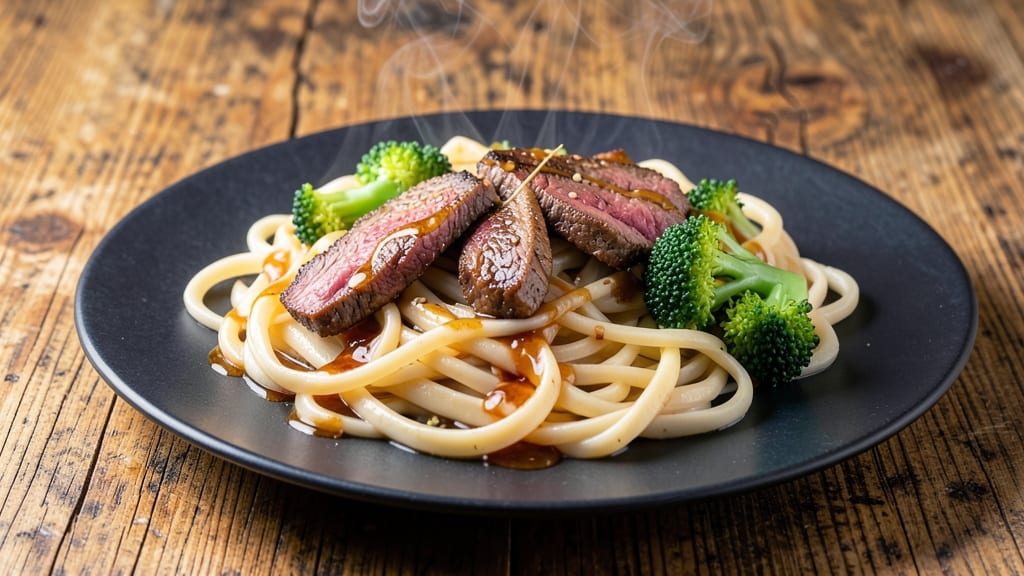
This beef and broccoli udon recipe delivers the perfect balance of tender wok-seared beef, crisp-tender broccoli, and silky udon noodles in a rich, savory sauce. The key lies in high-heat stir-frying for maximum flavor concentration, ensuring every bite is packed with umami and texture.
I developed this recipe after years of refining stir-fry techniques, and it consistently delivers restaurant-quality results at home.
The preparation process is straightforward but precise: marinate the beef in a simple soy-ginger-garlic blend to tenderize and infuse flavor, blanch the broccoli to maintain its vibrant green color, and cook the udon noodles just until al dente.
The sauce comes together quickly with a combination of soy sauce, oyster sauce, and a touch of brown sugar for depth. What sets this dish apart is the technique of stir-frying the beef in batches to achieve that signature wok-seared look and taste.
By the time you plate this dish, you'll have perfectly cooked udon noodles coated in a glossy, flavorful sauce, tender slices of beef with caramelized edges, and crisp-tender broccoli that adds both color and texture.
The dish is complete with a sprinkle of sesame seeds and sliced green onions for freshness and visual appeal. This recipe is designed to be both impressive and approachable, making it ideal for weeknight dinners or special occasions.
One of the best features of this recipe is its versatility—it works equally well as a main dish or a hearty lunch. The sauce can be adjusted to suit your taste preferences, whether you prefer it sweeter or more savory.
With careful timing and attention to heat levels, you'll achieve a dish that's as satisfying as it is delicious. Let's get started on creating this flavorful udon masterpiece.
Ingredients for beef and broccoli udon
Find these ingredients at your local Asian market or grocery store for restaurant-quality udon at home.
| Ingredient | Amount | Notes |
|---|---|---|
| Udon Noodles 🍜 | 8 oz | Fresh or dried, sliced thick |
| Flank Steak 🥩 | 1 lb | Thinly sliced against grain |
| Broccoli Florets 🥦 | 1 ½ lbs | Large florets, blanched first |
| Soy Sauce 🍶 | ½ cup | High-quality, light or dark |
| Oyster Sauce 🍴 | 2 tbsp | For authentic umami depth |
| Sesame Oil 🫒 | 1 tbsp | Toasted, for aroma |
| Brown Sugar 🍚 | 1 tbsp | Light or dark variety |
| Garlic Cloves 🧄 | 6 cloves | Minced, fresh preferred |
| Fresh Ginger 🌿 | 1 ½ tbsp | Grated, peeled |
| Vegetable Oil 🫒 | ½ cup | High smoke point |
| Sesame Seeds 🌾 | 1 tbsp | Toasted lightly |
| Green Onions 🧅 | 4 whole | Sliced thin, white and green |
| Salt 🧂 | 1 tsp | Kosher or sea salt |
| Black Pepper 🌶️ | ½ tsp | Freshly ground |
The flank steak is non-negotiable here—it's lean but tender when sliced thin against the grain. Ask your butcher to slice it if you're not comfortable doing it yourself. For broccoli, freshness matters: look for bright green florets with tight buds. Trader Joe's or H Mart usually have the best selection. Udon noodles can be fresh or dried—fresh ones cook faster, but dried are more shelf-stable. If using dried, soak them in hot water for 5-7 minutes before cooking.
No oyster sauce? Soy sauce plus a splash of fish sauce works in a pinch (just reduce the soy sauce by 1 tbsp). The sesame oil is all about aroma—use the toasted kind for that nutty flavor. Substitute vegetable oil if you don't have sesame oil, but add it at the very end for flavor. For the ginger, fresh is best, but powdered works at half the amount. The green onions? Any kind will do, but scallions have a milder taste if you prefer.
Blanch the broccoli first to keep it crisp-tender—90 seconds in boiling water, then ice bath. The sauce keeps for 3 days in the fridge, but the beef and noodles are best fresh. Double the sauce if you're freezing leftovers—it reheats beautifully. Store sesame seeds in a cool, dark place to keep their flavor for up to a year. For the beef marinade, prep it ahead and refrigerate for up to 24 hours for deeper flavor.
Why You'll Love This Recipe
- No-Fuss Prep: I swear by this recipe because it’s the kind of dinner that doesn’t require a grocery store haul. Flank steak slices thin, broccoli chopped rough—no fancy knife work—and the udon cooks in minutes while you stir-fry. Honestly, it’s the weeknight win I didn’t know I needed.
- Umami Bomb: That combo of soy and oyster sauce? Chef’s kiss. The broccoli stays crisp-tender, the beef gets that glossy, caramelized edge, and the udon soaks up the sauce like a sponge. It’s the kind of flavor that makes you pause mid-bite—even my picky husband asks for seconds.
- Lunchbox Hero: Between us, this is my go-to for meal prep. Toss leftover udon with a little sesame oil and pack it cold—it’s hearty enough to fill you up but light enough to not weigh you down. (Yes, even on a Tuesday lunch.)
- Budget Power Move: Flank steak stretches far when sliced thin, and broccoli’s one of the most affordable veggies out there. I’ve fed four people for under $15 with this, and the leftovers? Just as good reheated the next day—no sad, rubbery noodles here.
Step-by-step instructions for beef and broccoli udon
Here's how to make restaurant-quality beef and broccoli udon with perfectly seared beef and silky noodles.
Blanch the Broccoli Florets
Fill a large pot with water and bring to a rolling boil. Add the 1.5 lbs broccoli florets and cook for exactly 2 minutes—they should remain bright green and crisp-tender, not mushy. Immediately drain in a colander and rinse under cold water to stop the cooking process. This quick blanching preserves their vibrant color and slight crunch, which holds up beautifully in the stir-fry.
While the broccoli cooks, prepare an ice bath in a large bowl. Once drained, transfer the broccoli florets to the ice bath for 1 minute to shock them completely. This step is crucial—it stops any further cooking and keeps the florets from turning limp when they hit the hot wok later. Drain well and set aside on a clean kitchen towel.
Prepare the Udon Noodles
If using fresh udon noodles, rinse the 8 oz package under cold water to remove excess starch. This prevents the noodles from sticking together during cooking. For dried udon, soak them in warm water for 8-10 minutes until pliable but still firm to the bite. Drain thoroughly and toss with a tiny bit of vegetable oil to prevent sticking.
Here's the thing—udon noodles are thick and chewy, so they need special handling. Keep them in a colander and run them under cold water for 10 seconds to cool them slightly before assembling. This prevents them from overcooking when they hit the hot wok with the beef. Warm them gently in the sauce at the very end for that perfect silky texture.
Sear the Flank Steak
Heat a wok or large skillet over high heat until it's smoking hot. Add the 0.5 cup vegetable oil and swirl to coat the bottom evenly. Working in batches if needed, add the 1 lb flank steak slices and sear for 30-45 seconds per side until they develop a deep golden-brown crust. Don't overcrowd the pan—this prevents the steak from steaming instead of searing.
Once browned, remove the steak and set it aside on a plate. The beef should be cooked to medium-rare at this stage—it'll finish cooking when it hits the hot wok again with the sauce. If you prefer it more well-done, increase the searing time slightly, but be careful not to dry it out completely.
Build the Sauce and Combine
In the same wok, reduce heat to medium-high and add the 6 cloves minced garlic and 1.5 tbsp grated fresh ginger. Stir for 10 seconds until fragrant—don't let them burn, or they'll turn bitter. Add the 0.5 cup soy sauce, 2 tbsp oyster sauce, 1 tbsp brown sugar, and 1 tbsp sesame oil. Stir vigorously for 1 minute until the sauce begins to thicken slightly.
Return the seared beef to the wok along with the blanched broccoli florets. Toss everything together for 2 minutes until the beef is heated through and the broccoli is warmed through. The sauce should coat everything evenly, creating a glossy, flavorful glaze. If it's too thick, add 1-2 tablespoons of hot water to loosen it.
Finish and Serve
Remove the wok from heat and gently fold in the prepared udon noodles. Toss everything together for 1-2 minutes until the noodles are heated through and coated with the sauce. The noodles should be warm but still retain their chewy texture—overcooking will turn them mushy. Sprinkle with the 1 tbsp toasted sesame seeds and sliced 4 green onions.
Here's where it gets good—serve immediately while everything is hot. The beef should be tender yet slightly chewy, the broccoli crisp-tender, and the noodles silky with just a hint of resistance. Taste and adjust seasoning with additional soy sauce or black pepper if needed. This dish is all about balance—sweet, savory, umami, and a touch of heat from the ginger and garlic.
Pro Tips For Making Beef And Broccoli Udon
- Slice Steak Thinly First: I learned this the hard way—thick flank steak slices won’t sear properly and end up chewy. Cut against the grain into ⅛-inch slices before cooking, then freeze them for 20 minutes to firm up. They’ll hit the pan perfectly crisp in minutes.
- Blanch Broccoli Briefly: Skip the full boil—plunge broccoli florets in ice water for 30 seconds after a 2-minute steam. This keeps them bright green and just tender enough to hold up in the sauce, without turning to mush.
- Deglaze with Cold Sauce: After searing the beef, pour in 2 tablespoons of cold soy sauce first. The protein shock stops the pan from spattering while dissolving those precious browned bits—no need to scrape frantically.
- Cook Udon Al Dente: Udon goes from perfect to gluey fast. Test a piece at 30 seconds before the package says—it should have a slight bite. Drain immediately and rinse with cold water to stop cooking, then toss with sauce while still hot.
Flavor customization for this beef and broccoli udon
Spicy Kick
Add 1 tsp chili crisp or ½ tsp red pepper flakes to the sauce for a fiery twist. For heat lovers, mix 1 tbsp gochujang (Korean chili paste) with the oyster sauce before adding it to the wok.
Balance the spice with an extra ½ tsp brown sugar to prevent overpowering the dish. 🌶️
Sweet & Tangy
Boost the sauce’s complexity by adding 1 tbsp rice vinegar and ½ tsp honey> to the sauce mixture. This brightens the flavors and adds a subtle tang that complements the umami. For a deeper sweetness, replace the brown sugar with 1 tbsp maple syrup—it caramelizes beautifully during stir-frying.
Umami Bomb
Elevate the dish with an extra 1 tbsp fish sauce or ½ tsp MSG> (if you’re okay with it) for a deeper umami punch.
For a vegetarian-friendly boost, stir in 1 tsp mushroom powder> or 1 tbsp soy sauce> with a splash of water to mimic the savory depth. The key is to taste as you go—umami builds gradually.
Herbaceous Twist
Finish the dish with 2 tbsp chopped cilantro> or 1 tbsp Thai basil> for a fresh, aromatic note. For a more traditional touch, add 1 tsp dried shiitake powder> to the sauce—it adds an earthy, meaty flavor that pairs perfectly with beef.
Garnish with extra herbs right before serving to keep them vibrant.
Creamy Option
For a richer texture, stir in 2 tbsp coconut milk> or 1 tbsp cream cheese> at the end for a silky, velvety sauce. This works surprisingly well with the chewy udon and crisp broccoli.
If using coconut milk, reduce the sesame oil to ½ tbsp> to balance the richness. 💫
Smoky Depth
Infuse the sauce with smokiness by adding ½ tsp smoked paprika> or 1 tsp liquid smoke> (sparingly!).
For a more authentic touch, char 1 clove garlic> and ½ tsp ginger> directly over a gas flame or in a dry pan before mincing and adding to the sauce. This adds a subtle, campfire-like aroma that’s irresistible.
Nutrition facts
Frequently asked questions
Can I use dried udon noodles instead of fresh?
Yes! Dried udon works perfectly—just soak them in warm water for 8-10 minutes until pliable but still firm. Drain well and toss with a tiny bit of oil to prevent sticking. The key is to handle them gently when adding to the wok to avoid overcooking.
What's the best cut of beef for this recipe?
Flank steak is ideal because it's lean yet tender when sliced thin against the grain. If you can't find it, try sirloin or ribeye—just slice them paper-thin for perfect texture. Never use pre-sliced beef from the deli counter; fresh, thin slicing makes all the difference.
How do I prevent the broccoli from turning mushy?
Blanch the florets for exactly 2 minutes in boiling water, then shock them in ice water for 1 minute. This preserves their crisp-tender texture. When stir-frying, cook them for just 1-2 minutes until heated through—overcrowding the pan causes steaming, not searing.
Can I make this recipe ahead of time?
Prep the sauce and marinade up to 24 hours ahead, but assemble everything fresh for the best texture. The udon noodles and broccoli are best cooked to order—reheating can make them soggy. If storing leftovers, keep the components separate and reheat only the sauce before tossing.
What if I don't have oyster sauce?
No problem! Mix 1 tbsp soy sauce with ½ tsp fish sauce or ½ tsp Worcestershire sauce as a substitute. For extra umami, add ½ tsp mushroom powder or a splash of vegetable broth. The dish will still taste delicious—just slightly less complex.