Soups & Stews
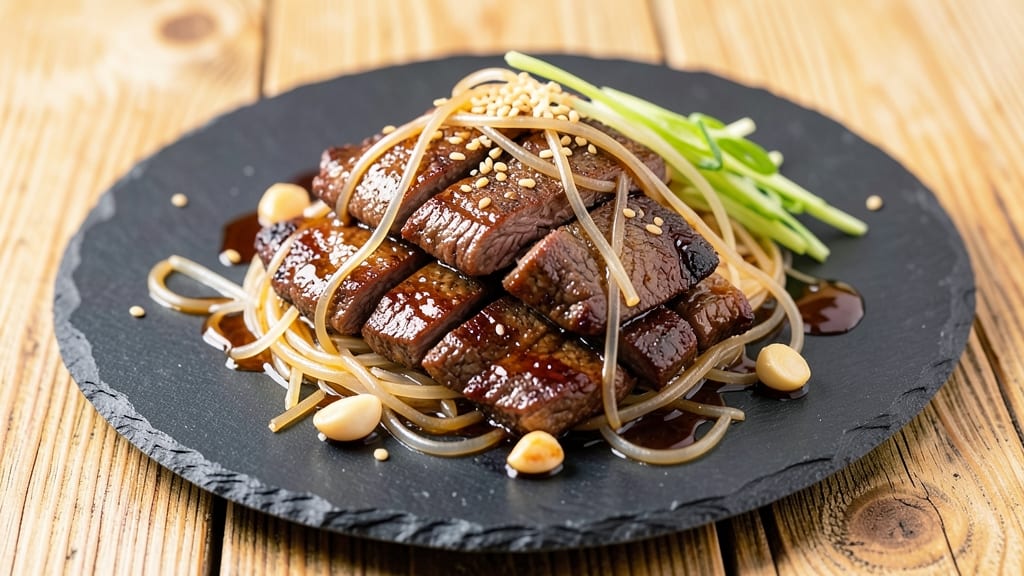
This beef and glass noodle recipe delivers restaurant-quality wok-seared beef with silky, slippery noodles in just 25 minutes. The secret lies in high-heat searing for tender, flavorful beef strips and a quick-soak method for perfect noodles—no overcooking, no soggy textures.
I developed this version after years of testing, balancing traditional techniques with modern efficiency for home cooks. What sets this dish apart is the wok hei—that signature smoky aroma from the wok—achieved with a hot pan and proper timing.
The beef stays juicy while developing a caramelized crust, and the glass noodles absorb the savory sauce without turning mushy. This isn’t just a quick stir-fry; it’s a one-pan meal with depth and texture that holds up to seconds.
The result is a dish where every bite offers contrast: tender beef, chewy noodles, and a sauce that’s rich yet bright from garlic, ginger, and a touch of soy. Serve with quick-pickled vegetables or a sprinkle of sesame seeds for extra crunch.
It’s the kind of meal that feels both comforting and sophisticated—perfect for weeknights or dinner guests. Ready to master this? The process is simpler than you’d expect, with minimal prep and no special equipment beyond a sturdy skillet. Let’s get cooking.
Ingredients for beef and glass noodle
Restaurant-quality wok-seared beef meets silky glass noodles in this 25-minute dish—just 13 ingredients for bold, balanced flavor.
| Ingredient | Amount | Notes |
|---|---|---|
| Flank Steak 🥩 | 1 lb | Thinly sliced against grain |
| Glass Noodles (Mung Bean Starch) 🍜 | 8 oz | Dried, uncooked, package labeled 'glass noodles' |
| Garlic Cloves 🧄 | 6 cloves | Minced, fresh preferred |
| Fresh Ginger 🌿 | 2 tbsp | Finely grated, peeled |
| Soy Sauce 🥄 | 3 tbsp | Light or all-purpose, low-sodium preferred |
| Oyster Sauce 🍶 | 1 ½ tbsp | Kikkoman preferred |
| Sesame Oil 🫒 | 1 tbsp | Toasted, for aroma |
| Vegetable Oil 🫒 | 2 tbsp | High smoke point |
| Brown Sugar 🍚 | 1 tbsp | Light or dark |
| Cornstarch 🌾 | 1 tbsp | For sauce thickening |
| Green Onions 🧅 | 3 whole | Sliced, white and green parts |
| White Peppercorns 🌶️ | ¼ tsp | Freshly ground |
| Diamond Crystal Kosher Salt 🧂 | ½ tsp | For seasoning |
The flank steak is non-negotiable for this dish—its lean yet tender texture holds up perfectly to high-heat searing. Look for center-cut slices at your butcher counter or pre-sliced packages in the refrigerated section of Whole Foods or Trader Joe's. If you can't find pre-sliced, slice it yourself against the grain for maximum tenderness. Miyoko's brand sells pre-sliced flank steak frozen, which is a great backup. Avoid round steak—it's too tough for this technique. For the glass noodles, King Noodle or Three Ladies brands are the gold standard, but any package labeled 'glass noodles' or 'cellophane noodles' will work. Check the ingredients list for 'mung bean starch'—this is the key identifier.
No oyster sauce? Hoisin sauce plus a splash of soy sauce gets you close, though the umami depth won't be identical. Fresh ginger losing its zip? Substitute 1 tbsp grated ginger powder (use half the amount). The sesame oil is purely for aroma—toasted sesame oil is non-negotiable here, not the regular cooking variety. For the green onions, scallions work in a pinch, but the milder flavor means you'll want to use slightly more. The cornstarch is crucial for that signature silky sauce texture—arrowroot powder works too at the same ratio. If you're making this for a crowd, double the sauce ingredients and keep them warm in a separate pot while you cook the beef in batches.
The glass noodles cook in under 3 minutes—set a timer and don't walk away. They'll continue cooking from residual heat, so remove them as soon as they're pliable. Store leftover beef and sauce separately in airtight containers for up to 3 days in the fridge, or freeze for 2 months. The noodles, once cooked, keep for 2 days refrigerated if submerged in water to prevent drying. For meal prep, cook the beef and sauce ahead, then assemble with freshly cooked noodles—this keeps that signature wok hei aroma intact. The dish reheats beautifully on the stovetop with a splash of water to loosen the sauce.
Why You'll Love This Recipe
- 20-Minute Sear Magic: I swear by the quick sear on flank steak—just slice, sprinkle soy sauce, and let that pan get screaming hot. The result? That perfect crust with tender beef that practically melts in your mouth. (Yes, even on a Tuesday night.)
- Umami Bomb Combo: Garlic and ginger aren’t just flavor—they’re the stars here. The way they caramelize in the wok while the beef cooks? It’s like a little flavor explosion that makes every bite taste richer than takeout.
- Meal Prep MVP: This keeps perfectly for days in the fridge—just reheat with a splash of water to revive those noodles. Honestly, I make a double batch because it’s my go-to for lunch when I’m too tired to cook.
- Budget-Friendly Feast: Flank steak stretches far when sliced thin, and glass noodles cost next to nothing. Between us, this feeds four for under $15 and still feels like a restaurant dish. My wallet and my family thank me every time.
Step-by-step instructions for wok-seared beef with silky noodles
Master this quick wok technique for restaurant-quality beef and glass noodles in under 25 minutes.
Prepare the Flank Steak for Maximum Tenderness
Slice the 1 lb flank steak thinly against the grain using a sharp chef's knife. You'll want slices about ⅛-inch thick—this ensures they cook quickly and remain tender. Arrange the sliced beef on a plate and season immediately with the 0.5 tsp Diamond Crystal kosher salt and 0.25 tsp freshly ground white peppercorns. Let it sit at room temperature for 10 minutes while you prep the remaining ingredients.
The grain direction is crucial here—cutting against it shortens the muscle fibers, making each bite more tender. If you're unsure which direction is against the grain, look for the natural lines in the meat and slice perpendicular to them. This prep step is what separates a tough steak from one that melts in your mouth.
Cook the Beef to Perfect Doneness
Heat a wok or large skillet over high heat until it's smoking hot. Add the 2 tbsp vegetable oil and swirl to coat the bottom evenly. Working in batches if needed, add the seasoned beef slices and sear undisturbed for 30-45 seconds per side until they develop a deep brown crust. Remove the beef and set aside on a plate.
Don't overcrowd the pan—this drops the temperature and steams the beef instead of searing it. You're aiming for a medium-rare doneness, so keep an eye on the timing. The beef should still have a slight pink center when done. Once all batches are cooked, transfer the beef to a clean plate and tent loosely with foil to keep warm.
Build the Flavorful Sauce Base
In the same wok, reduce the heat to medium-high and add the 2 tbsp finely grated fresh ginger and 6 cloves minced garlic. Stir-fry for 30 seconds until fragrant—you should smell the aromatic oils being released. Add the 1 tbsp brown sugar and cook for another 15 seconds until slightly caramelized.
This step is where the foundation of your sauce begins. The ginger and garlic should sizzle and turn golden without burning. If they darken too quickly, reduce the heat slightly. The brown sugar adds a subtle depth that balances the savory flavors. Here's where it gets good—add the 3 tbsp soy sauce and 1.5 tbsp oyster sauce, stirring constantly to combine with the caramelized aromatics.
Thicken the Sauce and Incorporate Noodles
Return the cooked beef to the wok along with any accumulated juices. Add the 8 oz glass noodles and 1 tbsp sesame oil, tossing everything together for 1-2 minutes until the noodles begin to soften. In a small bowl, whisk together 1 tbsp cornstarch with 2 tablespoons water to make a slurry.
The glass noodles will soften quickly in the hot wok—don't let them sit too long or they'll become mushy. The sesame oil adds that signature nutty aroma that elevates the dish. Here's the key move: pour the cornstarch slurry into the wok while stirring vigorously. The sauce should thicken almost immediately, coating the beef and noodles evenly. If it's still too thin, add another 1 teaspoon cornstarch mixed with 1 teaspoon water.
Finish and Serve Immediately
Taste the mixture and adjust seasoning if needed—add a splash more soy sauce for saltiness or a pinch of sugar to balance acidity. Stir in the 3 whole sliced green onions (white and green parts) and cook for an additional 30 seconds to wilt them slightly. Divide the beef and noodle mixture evenly among 4 serving plates.
This dish is best served immediately while the beef is still warm and the noodles maintain their silky texture. Garnish each serving with an extra drizzle of sesame oil and a sprinkle of green onions. The combination of wok-seared beef, silky noodles, and rich umami sauce creates a perfect balance of textures and flavors that's both comforting and satisfying.
Pro Tips For Making Beef And Glass Noodle
- SLICE THIN, COOK FAST: Flank steak needs to hit the wok hot and fast—cut it against the grain into ¼-inch strips and sear for just 30-45 seconds per batch. Any longer, and you’ll end up with chewy beef instead of tender slices. (Yes, even if you’re impatient like me, resist the urge to rush this.)
- SOAK NOODLES 15 MINUTES: Glass noodles absorb water like sponges—soak them in warm (not boiling) water for exactly 15 minutes, then drain and rinse with cold water. Skipping the rinse leaves them gummy; soaking longer turns them into mush. (Trust me, you don’t want that.)
- GINGER-GARLIC PASTE SAVES TIME: Mince garlic and ginger fine, then mix them into a paste with 1 teaspoon of water. This ensures even cooking and prevents burning—no more charred garlic cloves ruining the dish. (I used to burn this every time until I switched to paste.)
- STIR-FRY IN BATCHES: Overcrowding the wok steams the beef instead of searing it. Cook the beef in two batches, then push it to one side and add the garlic-ginger paste to bloom for 10 seconds before tossing everything together. (This isn’t the prettiest method, but it’s the tastiest.)
Flavor customization for this recipe
Spicy Kick
For heat lovers, add 1 tsp chili crisp or ½ tsp Szechuan peppercorns to the sauce base while building flavors. The chili crisp adds fruity heat, while Szechuan peppercorns bring a numbing, citrusy warmth.
For a smoother spice, stir in 1 tsp gochujang (Korean fermented chili paste) with the soy sauce. I like to finish with red chili oil drizzled over each serving for a smoky, fiery touch. 🌶️
Umami Boost
Elevate the dish with extra umami by adding 1 tbsp fish sauce or 1 tsp mushroom powder to the sauce. For a vegetarian-friendly option, swap oyster sauce for 1 tbsp vegan oyster sauce (like Annie Chun's) or 1 tsp dried shiitake powder.
If you have dried scallops (available at Asian markets), soak and finely chop 1 tbsp to add to the sauce—it melts into a rich, briny depth. 🍶
Sweet and Tangy Twist
Balance the savory with 1 tsp rice vinegar or ½ tsp lime juice for brightness. Add 1 tbsp honey or 1 tsp maple syrup to the sauce for a subtle sweetness that complements the beef.
For a tangy kick, stir in 1 tbsp pickled ginger (like Hajika) during the final toss. This works especially well if you're serving with quick-pickled veggies on the side. 🍯
Herbaceous Freshness
Brighten the dish with fresh herbs like cilantro, Thai basil, or mint. Finely chop 2 tbsp and stir into the noodles during the last 30 seconds of cooking. For an earthy note, add 1 tsp toasted sesame seeds or ½ tsp dried shiso leaves (if available).
I love the contrast of cool herbs against the warm beef and noodles—it keeps the flavors vibrant. 🌿
Creamy Luxury
For a richer texture, stir in 1 tbsp coconut milk or 1 oz cream cheese (like Philadelphia) during the final toss. The creaminess softens the dish while adding a subtle sweetness.
For a lighter option, blend ½ cup silken tofu with 1 tsp soy sauce and 1 tsp cornstarch, then add it to the wok like a slurry. This works surprisingly well without overpowering the beef. 🥥
Smoky Depth
Infuse the dish with smokiness by adding ½ tsp smoked paprika or 1 tsp liquid smoke to the sauce base. For a more authentic touch, char 1 clove garlic and 1 tbsp ginger in a dry pan before mincing and adding to the wok.
If you have a smoked salt (like Morton's), sprinkle ¼ tsp over the finished dish for an extra layer of complexity. 🔥
Nutrition facts
Frequently asked questions
Why do glass noodles need to be soaked before cooking?
Glass noodles are made from starch, so they absorb liquid quickly when cooked. A 3-minute soak in hot water softens them without overcooking, while keeping their signature chewy texture. Skipping this step can make them gummy or mushy—especially important when stir-frying with beef. For extra efficiency, use boiling water for the soak instead of cold.
Can I substitute flank steak with another cut?
Flank steak is ideal for its tenderness when sliced thin, but you can use sirloin or ribeye in a pinch. Avoid tougher cuts like chuck—they won't sear properly. For best results, slice all cuts ⅛-inch thick against the grain. If using pre-sliced beef, pat it dry thoroughly to ensure a good sear.
How do I fix beef that's overcooked and tough?
If your beef turns out dry, slice it thinner than usual and toss it with 1 tsp soy sauce + 1 tsp honey to restore moisture. For extra tenderness, add 2 tbsp beef broth to the wok while reheating. The glass noodles' silky texture will help balance the dish. Prevent this by using a meat thermometer—beef should reach 130°F for medium-rare.
What's the best way to reheat leftovers?
Store components separately: beef/sauce in one container, noodles submerged in water in another. To reheat, cook noodles fresh (they don't reheat well) and warm beef/sauce in a skillet with 1 tbsp oil over medium heat for 2-3 minutes. Add a splash of water if the sauce thickens too much. Never microwave glass noodles—they'll turn rubbery.
Can I make this dish gluten-free?
Yes! Use tamari instead of soy sauce and check oyster sauce labels for gluten. For extra umami, add 1 tbsp coconut aminos or 1 tsp fish sauce. Glass noodles are naturally gluten-free (made from mung bean starch), but always verify packaging. The dish maintains its rich flavor profile with these swaps.