
Soups & Stews
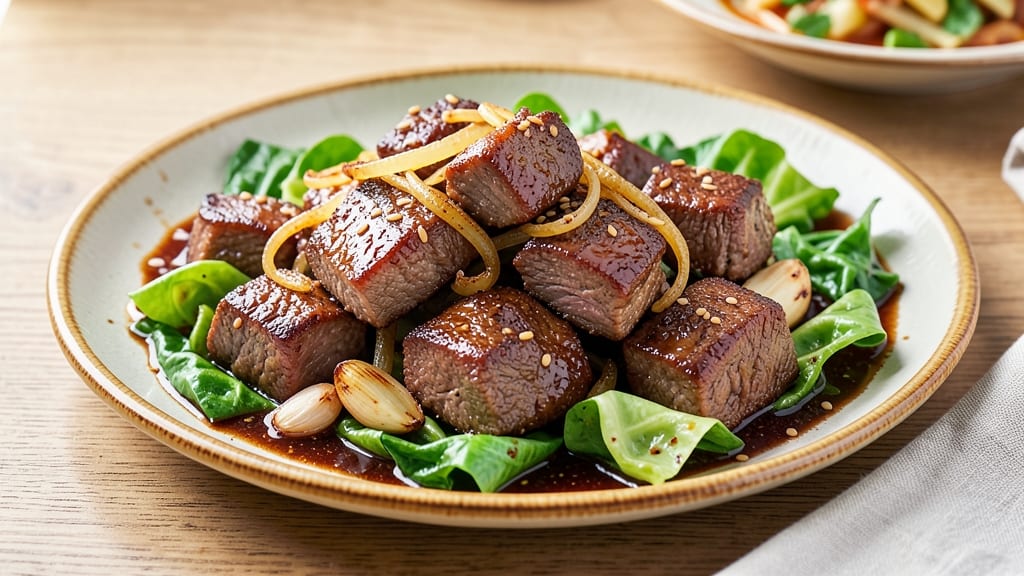
This beef and green cabbage recipe delivers a perfect balance of tender, savory beef and crisp-tender cabbage that transforms a simple weeknight dinner into a hearty, restaurant-worthy meal. The secret lies in braising the beef low and slow while preserving the cabbage's satisfying crunch through careful sautéing—no soggy bites here.
I developed this dish after realizing how often hearty stews lose texture in the cabbage, and this method fixes that completely.
The beauty of this recipe is its simplicity: just a handful of pantry staples and 30 minutes of active prep time, followed by hands-off braising that fills your kitchen with rich, aromatic steam.
The beef becomes fork-tender while absorbing deep flavors from garlic, soy sauce, and a touch of brown sugar, while the cabbage maintains its satisfying bite through quick sautéing in the same pot. It's the kind of dish that gets better as leftovers, with flavors deepening overnight.
What you'll end up with is a steaming bowl of golden-brown beef swimming in a glossy, savory sauce, topped with vibrant green cabbage that offers both texture and freshness in every bite.
The cabbage's natural sweetness pairs beautifully with the beef's rich umami, creating a harmony that's both comforting and sophisticated. This is the kind of meal that feels like a hug on a cold evening.
Perfect for feeding a family or meal prepping for the week, this recipe scales effortlessly while maintaining its balance of textures and flavors. The braising liquid can be reduced for a thicker sauce if preferred, or used as-is for a more brothy consistency.
Serve with crusty bread to soak up every last drop of that flavorful sauce—you'll be making this again before you finish your first bowl.
Ingredients for beef and green cabbage
Pantry staples plus a few fresh ingredients for a comforting beef and cabbage masterpiece.
| Ingredient | Amount | Notes |
|---|---|---|
| Beef Chuck Roast 🥩 | 1 ½ lb | Cut into 1.5-inch cubes |
| Green Cabbage 🥬 | 1 small head | Shredded, core removed |
| Yellow Onion 🧅 | 1 whole | Sliced into thin half-moons |
| Garlic Cloves 🧄 | 4 cloves | Minced, not pre-minced jar |
| Soy Sauce 🍶 | ½ cup | Low-sodium preferred |
| Brown Sugar 🍯 | 2 tbsp | Light or dark variety |
| Olive Oil 🫒 | 2 tbsp | Extra-virgin for richness |
| Beef Broth 💧 | 2 cups | Low-sodium preferred |
| Red Wine 🍷 | ½ cup | Dry red like Cabernet |
| Tomato Paste 🍅 | 1 tbsp | Squeeze tube preferred |
| Fresh Thyme 🌿 | 2 sprigs | Leaves only, stems removed |
| Salt 🧂 | 1 ½ tsp | Kosher or sea salt |
| Black Pepper 🌶️ | ½ tsp | Freshly ground preferred |
| Bay Leaves 🌿 | 2 whole | Removed before serving |
The beef is everything here—chuck roast for that melt-in-your-mouth texture. Grab it pre-cut from the grocery store meat department to save time, or ask your butcher to cube it for you. Costco or Trader Joe's usually have it ready to go. For the cabbage, look for a small head with crisp leaves—the tighter the better. Avoid those pre-shredded bags; they wilt fast. The onion and garlic? Yellow onion works best here, and fresh garlic cloves are non-negotiable—jarred garlic tastes like nothing. If you're short on time, frozen cabbage works in a pinch, but fresh is ideal.
No red wine? Beef broth with a splash of balsamic does the trick. Fresh thyme is best, but dried works at half the amount. The tomato paste can be skipped if you're not a fan, but it adds that deep umami punch. Substitute with 2 tbsp tomato sauce if needed. For the cabbage, if you can't find green, Napa cabbage or regular green cabbage both work—just adjust cooking time slightly. The brown sugar is key for balancing the soy sauce's saltiness, so don't skip it unless you're using a low-sodium version. The beef broth should be low-sodium—you're adding plenty of salt already.
This dish tastes even better the next day, so make extra. Store in an airtight container in the fridge for up to 5 days, or freeze for 3 months. The cabbage stays crisp if you add it back to the pot just before serving—no soggy bites here. For meal prep, portion the beef and sauce separately, then reheat with fresh cabbage. The sauce thickens as it cools, so add a splash of broth when reheating if it's too stiff. Crusty bread is a must—sourdough or baguette soaks up every last drop of that glorious sauce.
Why You'll Love This Recipe
- One-Pot Magic: The beef and cabbage practically cook themselves while you chop. Slice the onion, mince the garlic, and dump everything in one pot—no fancy steps, just layers of flavor building as it simmers.
- Savory-Sweet Crunch: That beef chuck roast turns tender, while the cabbage stays crisp-tender, soaking up the garlic and soy sauce until it’s ridiculously good—like a cross between a hearty stew and a quick stir-fry. Honestly, the contrast of textures makes every bite exciting.
- Meal Prep MVP: Between us, this is my go-to for lunches all week. The leftovers reheat beautifully—just add a splash of water—and the cabbage keeps its crunch, so it never feels like sad, mushy food. (Yes, even on a Tuesday night.)
- Budget Beef Boost: A chuck roast stretches farther than you’d think, and cabbage is practically free. I’ve fed four people for under $15, and they always ask for seconds. Not the fanciest cut, but it delivers serious satisfaction without breaking the bank.
Step-by-step instructions for savory braised beef with crunchy cabbage bites
This method delivers melt-in-your-mouth beef and perfectly tender cabbage with a rich, savory sauce.
Sear the Beef for Maximum Flavor
Heat a large Dutch oven over medium-high heat. Add the 2 tablespoons olive oil and let it get hot enough to shimmer. Working in batches if needed, add the 1.5 lb beef chuck roast cut into 1.5-inch cubes and sear for 3-4 minutes per side until deeply browned. This step is crucial—it builds layers of flavor that will infuse into the braising liquid.
As you sear, don't overcrowd the pan. If the beef releases easily from the pan, it's ready to move. Transfer the seared beef to a plate and set aside. You'll notice the pan will start to look dry—this is normal and actually helps create that beautiful caramelized crust on the beef.
Build the Flavor Base
In the same Dutch oven, add the 1 whole yellow onion sliced into thin half-moons and cook for 4-5 minutes until softened and starting to caramelize. Add the 4 cloves garlic cloves that have been minced and cook for 30 seconds until fragrant—don't let them burn, or they'll turn bitter.
Stir in the 1 tablespoon tomato paste and cook for 1 minute until it darkens slightly. This creates a rich, concentrated flavor that will form the foundation of your sauce. Pour in the 0.5 cup red wine and scrape up any browned bits from the bottom of the pan—this is where all the flavor hides.
Braise the Beef Until Tender
Return the seared beef to the Dutch oven. Add the 2 cups beef broth, 0.5 cup soy sauce, 2 tablespoons brown sugar, 1.5 teaspoons salt, 0.5 teaspoon black pepper, 2 sprigs fresh thyme with leaves only, and 2 whole bay leaves. Bring everything to a gentle simmer over medium heat.
Once simmering, cover the Dutch oven with a tight-fitting lid and transfer to a preheated 325°F oven. Let it cook for 2.5 to 3 hours until the beef is fork-tender. You'll know it's done when a knife slides in and out easily with no resistance. If you don't have an oven thermometer, check the internal temperature—it should reach 200°F at its thickest part.
Prepare and Add the Cabbage
While the beef braises, shred the 1 small head green cabbage, removing the core. In a large skillet, heat 1 tablespoon olive oil over medium heat. Add the shredded cabbage and cook for 5-6 minutes until it just begins to soften but still maintains some crunch. Season with a pinch of salt and set aside.
About 30 minutes before the beef is done, add the cabbage to the Dutch oven along with its cooking liquid. Stir gently to combine and let it simmer uncovered for the remaining time. The cabbage will absorb the rich braising liquid while maintaining its satisfying bite.
Finish and Serve
Once the beef is perfectly tender, remove the 2 whole bay leaves and discard them. Taste the sauce and adjust seasoning if needed—you might need a bit more soy sauce for umami depth or a touch more sugar to balance acidity. The sauce should coat the back of a spoon but still be saucy enough to coat the beef and cabbage.
Serve the braised beef and cabbage immediately, spooning the rich sauce over the top. Each bite should deliver tender beef with a perfect balance of sweet, savory, and slightly tangy flavors, complemented by the satisfying crunch of the cabbage. This dish tastes even better the next day, so make extra if you can!
Pro Tips For Making Beef And Green Cabbage
- Sear the Chuck Hard: That beef chuck roast needs a proper crust—don’t be shy with the oil or heat. I used to rush this, and the meat stayed bland. Now I sear it 4-5 minutes per side until deep brown, then add the onions and garlic. The extra effort makes the final dish taste like it simmered all day, not just an hour.
- Cut Cabbage Small: Big chunks of cabbage stay tough and watery. Quarter the head, then slice into ½-inch strips—think matchsticks, not half-moons. This ensures even cooking and a silky texture by the end. (Yes, it takes 10 minutes extra, but you’ll notice the difference.)
- Deglaze with Soy Sauce: After searing the meat, don’t just splash in water—use 2 tablespoons of soy sauce right away. It dissolves the browned bits (fond) and adds instant umami. I learned this the hard way: skipping it leaves the pan tasting flat, even after hours of simmering.
- Finish with Garlic Oil: Save a couple of minced garlic cloves for the last 5 minutes—toss them into the cabbage with a splash of the cooking liquid. The raw garlic mellows but adds a bright punch. (I know, it sounds counterintuitive, but trust me—it cuts through the richness of the beef.)
Serving suggestions for this recipe
Crusty Bread Pairings
Nothing complements this rich beef and cabbage like a warm, crusty loaf. I love serving it with a baguette or sourdough—the crisp exterior soaks up the flavorful sauce beautifully.
For extra indulgence, toast the bread with garlic butter before serving. If you prefer something heartier, try a rustic Italian loaf with a chewy interior. 🥖
Fresh Herb Garnishes
Brighten up the dish with fresh herbs that cut through the richness. A sprinkle of chopped parsley adds freshness, while thinly sliced scallions bring a mild onion bite. For a more aromatic touch, try cilantro or dill—just a few leaves make a difference.
I often finish with a tiny drizzle of extra-virgin olive oil for extra shine. ✨
Pickled Vegetable Contrast
Add a tangy crunch with quick-pickled vegetables like radishes or carrots. Thinly slice them and soak in rice vinegar, sugar, and a pinch of salt for 15-20 minutes.
The bright acidity balances the deep flavors of the beef and cabbage beautifully. For extra texture, try pickled red onions—they add a pop of color and sharpness. 🥬
Warm Potato Sides
For a heartier meal, serve with creamy or crispy potato sides. Garlic mashed potatoes add richness, while roasted baby potatoes bring a satisfying crunch. If you prefer something lighter, try smashed fingerling potatoes with rosemary and olive oil. The starchiness helps balance the savory beef. 🥔
Simple Salad Balance
A crisp salad keeps the meal light and fresh. I recommend a mixed greens salad with shaved fennel, apple slices, and a Dijon vinaigrette. The sweetness of the apple and the crunch of fennel contrast perfectly with the braised beef.
For a quicker option, toss arugula with lemon zest and toasted walnuts. 🥗
Cheese Course Option
End the meal with a simple cheese board featuring aged cheddar, brie, and blue cheese. Pair them with crackers, dried fruit, and nuts for a well-rounded finish. The creamy textures and bold flavors complement the hearty beef and cabbage beautifully. 🧀
Nutrition facts
Frequently asked questions
Can I substitute chuck roast with a different beef cut?
Yes! For a quicker cook time, use chuck shoulder or stew meat (both cook faster). If you prefer leaner beef, try top round, but it may stay slightly firmer. For extra richness, ribeye or sirloin work well but require shorter braising (1.5 hours). Adjust cooking time based on cut thickness.
How do I keep the cabbage from getting soggy?
Cook the cabbage separately in a skillet for 5-6 minutes until just tender-crisp, then add it to the pot only 30 minutes before serving. This preserves its crunch while letting it absorb the rich beef sauce. Never boil the cabbage—steaming or quick sautéing is key!
Can I make this dish in a slow cooker?
Follow the same searing steps, then transfer everything to a 6-quart slow cooker on low for 6-7 hours or high for 3-4 hours. Add the cabbage in the last 30 minutes to prevent overcooking. The slow cooker version tastes even richer with deeper flavors!
What if I don't have red wine?
No problem! Replace it with 2 cups beef broth plus 1 tablespoon balsamic vinegar for acidity. For extra depth, add 1 teaspoon Worcestershire sauce. The dish will still be delicious—just slightly less complex. Dry white wine works in a pinch too!
How should I store and reheat leftovers?
Store in an airtight container in the fridge for up to 5 days. Reheat gently on the stove with 1-2 tablespoons broth to loosen the sauce. For best texture, add fresh cabbage when reheating. Freeze for up to 3 months—thaw overnight in the fridge before reheating.