
Main Courses
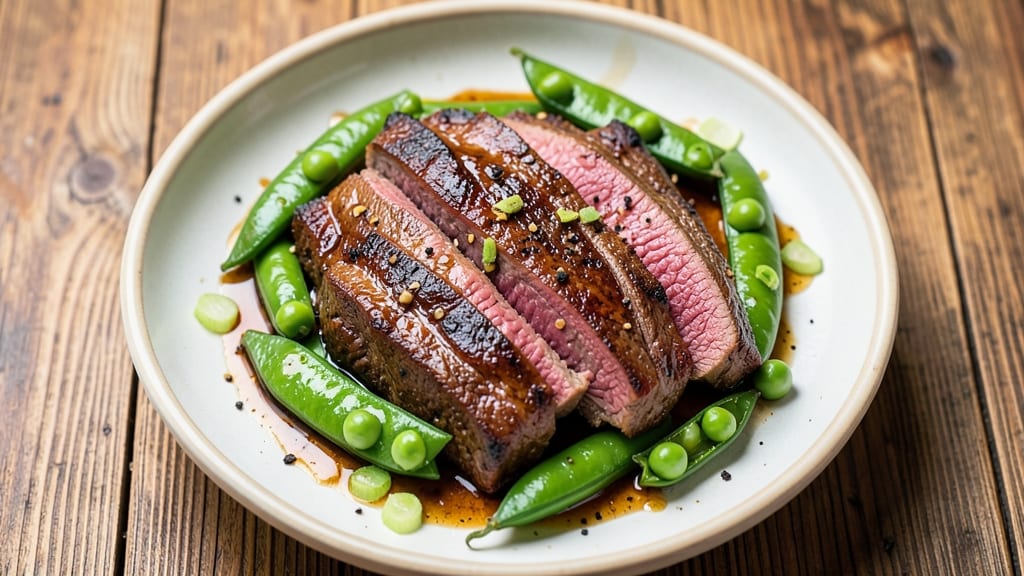
This beef and peapod stir fry delivers restaurant-quality wok-fired crunch with a silky, savory sauce that clings to every bite. The secret lies in high-heat searing that transforms tender beef strips into golden, caramelized perfection while preserving the snap of fresh peapods.
I developed this recipe after years of perfecting stir-fry techniques, ensuring the beef stays juicy and the vegetables retain their vibrant texture.
The foundation is simple: thinly sliced beef marinated in a blend of soy, ginger, and garlic, then quickly seared in a screaming-hot wok. Fresh peapods add a satisfying crunch that contrasts beautifully with the tender beef.
A quick homemade sauce—just soy sauce, oyster sauce, and a touch of honey—ties everything together with a glossy, umami-rich finish.
What you'll end up with is a dish that's bold in flavor but balanced in texture—crispy edges on the beef, tender yet slightly charred peapods, and a sauce that coats every component without overwhelming.
The aroma alone will have everyone gathering around the table, and the first bite delivers that perfect harmony of smoky, savory, and slightly sweet.
Serve over steamed jasmine rice or noodles to soak up every last drop of that flavorful sauce. This recipe scales beautifully for weeknight dinners or dinner parties, and the technique is straightforward enough for beginners but impressive enough for seasoned cooks. Let's get started!
Ingredients for beef and peapod stir fry
Restaurant-quality stir fry starts with these carefully chosen ingredients for perfect texture and flavor.
| Ingredient | Amount | Notes |
|---|---|---|
| Flank Steak 🥩 | 1 ¼ lb | Thinly sliced against grain |
| Fresh Peapods 🌱 | 1 ½ cups | Trimmed, ends removed |
| Low-Sodium Soy Sauce 🥄 | ⅓ cup | For marinade and sauce |
| Oyster Sauce 🍜 | 2 tbsp | High-quality for depth |
| Honey 🍯 | 1 tbsp | Light variety preferred |
| Fresh Ginger 🧄 | 2 tbsp | Finely grated, aromatic |
| Garlic Cloves 🧄 | 4 cloves | Minced, pungent aroma |
| Sesame Oil 🫒 | 1 tbsp | Toasted, for aroma |
| Neutral Oil 🫒 | 2 tbsp | Avocado or vegetable oil |
| Green Onions 🧅 | 3 whole | Sliced, for garnish |
| Jasmine Rice 🍚 | 1 ½ cups | Uncooked, long-grain |
| Sesame Seeds 🌰 | 1 tbsp | Toasted, for garnish |
| Red Chili Flakes 🌶️ | ½ tsp | Adjust to taste |
| Cornstarch 🌾 | 1 tbsp | For tenderizing beef |
The flank steak is non-negotiable—its lean yet tender texture holds up beautifully to high-heat searing. Look for USDA Choice grade with good marbling at Whole Foods or your butcher's counter. Thinly slice it against the grain (about 1/8-inch thick) for maximum tenderness. Fresh peapods should be vibrant green and crisp—avoid those with soft spots. For the soy sauce, Kikkoman or La Choy are reliable choices, but low-sodium is key to avoid overpowering the dish. The oyster sauce should be dark and glossy—Lee Kum Kee is the gold standard, but Wok Sauce works in a pinch.
No flank steak? Sirloin or ribeye work, but trim all visible fat. Substitute peapods with snow peas or asparagus (cut into 2-inch pieces). For a vegetarian twist, swap beef for extra-firm tofu (pressed and cubed). The honey can be replaced with maple syrup for a vegan option, though it alters the flavor subtly. If you're missing sesame oil, a pinch of toasted sesame seeds in the sauce adds depth. The cornstarch is crucial—it tenderizes the beef while marinating, so don't skip it. For the ginger, fresh is ideal, but 1 tsp ground ginger works in a bind (though it lacks the same aromatic punch).
Marinate the beef for at least 30 minutes (overnight is best) to maximize tenderness. Store raw beef in an airtight container in the fridge for up to 2 days. The peapods keep for 3-4 days in the crisper drawer, but use them within 2 days for peak crunch. The marinade (soy, ginger, garlic, honey) can be prepped 1 day ahead and stored in the fridge. Cooked rice reheats beautifully—portion it into containers for 3-4 days of meals. For leftovers, store the stir fry (without rice) for 2 days in the fridge or 3 months frozen. Always reheat gently to preserve texture.
Why You'll Love This Recipe
- One-Pan Magic: I swear by this for nights when I don’t want to scrub a million dishes. Throw everything—steak, peapods, sauce—in one hot pan, and 20 minutes later, you’re done. The honey glaze caramelizes right there, turning the peapods into little sweet bites without extra effort.
- Umami Bomb: That combo of low-sodium soy and oyster sauce? It’s like a flavor superpower. The steak stays tender but packs a punch, while the peapods soak up just enough sweetness to balance the savory. Honestly, I’ve tried fancier stir-fries, but this one’s the only one my picky teen actually finishes.
- Lunchbox Hero: Between us, this is my go-to for meal prep. Slice the cooled stir-fry into containers, and you’ve got a protein-packed lunch that’s way better than sad desk salads. The peapods stay crisp, the beef holds its shape, and the sauce keeps everything from drying out—even after a day in the fridge.
- Budget Win: Flank steak stretches far when sliced thin, and peapods are cheaper than you’d think if you buy them fresh in season. A single panful feeds four for under $15, and leftovers reheat like a dream. I’ll be real: it’s the kind of recipe that makes grocery night less stressful.
Step-by-step instructions for wok-fired beef and peapod stir fry
A perfect balance of tender beef, crisp peapods, and silky sauce awaits with this precise technique.
Prep the Beef and Marinade for Maximum Tenderization
Slice the 1.25 lb flank steak thinly against the grain into ¼-inch strips. Place the beef in a bowl and sprinkle with 1 tablespoon cornstarch, tossing to coat evenly. This creates a delicate barrier that keeps the beef tender during the quick stir-fry.
In a separate small bowl, whisk together ⅓ cup low-sodium soy sauce, 2 tablespoons oyster sauce, 1 tablespoon honey, 2 tablespoons finely grated fresh ginger, and 4 minced garlic cloves. Pour this marinade over the beef and let it sit for 15-20 minutes at room temperature. The acidity in the soy sauce and ginger begins breaking down the beef fibers, while the cornstarch pre-cooks slightly for extra tenderness.
Cook the Jasmine Rice to Al Dente Perfection
Rinse 1.5 cups jasmine rice under cold water until the water runs clear, then drain. In a pot, combine the rice with 2 cups water and bring to a boil. Once boiling, reduce heat to low, cover tightly, and simmer for 15 minutes. Remove from heat and let it steam, covered, for another 10 minutes. The rice should be tender but still slightly firm—this prevents a mushy texture when mixed with the stir-fry later.
While the rice cooks, trim the ends from 1.5 cups fresh peapods and slice the 3 whole green onions into 1-inch pieces. Set aside—these will add freshness and texture to the finished dish. The peapods should stay crisp, so don't overcook them during the stir-fry.
Stir-Fry the Beef Until Caramelized and Tender
Heat a wok or large skillet over high heat until smoking, then add 2 tablespoons neutral oil. Once shimmering, add the beef in a single layer and let it sear undisturbed for 1-2 minutes until the edges turn deep golden brown. This initial sear locks in juices and creates flavor. Stir-fry for another 2-3 minutes until the beef is 80% cooked but still slightly pink in the center—it will finish cooking with the peapods.
Remove the beef from the wok and set aside. Add 1 tablespoon sesame oil to the same wok, then stir-fry the peapods for 2-3 minutes until they blister slightly but remain crisp. Add the minced garlic and ½ teaspoon red chili flakes, stirring for 30 seconds until fragrant. The peapods should retain their vibrant green color and slight crunch.
Combine and Finish with the Silky Sauce
Return the beef to the wok along with any accumulated juices. Pour in the reserved marinade (strain if needed) and toss everything together for 1-2 minutes until the sauce thickens slightly and coats the beef. The sauce should glisten but not be gloppy—if it's too thick, add 1 tablespoon water to loosen it.
Taste and adjust seasoning with a pinch of salt if needed. The dish should balance sweet, salty, and slightly spicy notes. Garnish with 1 tablespoon toasted sesame seeds and sliced green onions for color and freshness. Serve immediately over the jasmine rice while the peapods are still crisp and the beef is hot.
Pro Tips For Making Beef And Peapod Stir Fry
- Slice Against the Grain: Flank steak’s fibers run long—cutting perpendicular means each bite melts instead of chews. Use a sharp knife and angle it low; I learned this after serving a plate of tough, stringy beef that had me cringing.
- Blanch Peapods First: Toss fresh peapods in boiling water for 30 seconds before stir-frying—this softens them just enough without turning them to mush. Skip this, and you’ll end up with crunchy pods that fight back against the beef.
- Deglaze with Soy Early: After searing the beef, splash in 2 tablespoons of low-sodium soy sauce before adding peapods. This builds flavor base faster than waiting until the end, and the beef absorbs more of that savory punch.
- Finish with Honey Last: Stir in honey only in the final 30 seconds—heat turns it bitter if you add it too soon. A quick toss coats everything evenly, balancing the saltiness without burning. (Yes, even if you’re impatient like me.)
Storing and reheating this beef and peapod stir fry
Fridge Storage Tips
Let your stir-fry cool completely before storing—this prevents condensation that makes the beef soggy. Transfer to an airtight container with a lid, separating the beef and peapods from the rice if you plan to reheat them separately.
The beef and veggies stay fresh for 2 days in the fridge, while the rice keeps for 3-4 days. I always store the sauce separately in a small jar to preserve its glossy texture. 🥄
Freezer-Friendly Methods
For longer storage, freeze the stir-fry (without rice) in single-serving portions using quart-sized freezer bags. Press out excess air to prevent freezer burn, and label with the date—it keeps for 3 months.
The beef and peapods will lose some crunch but retain their flavor. When ready to eat, reheat gently from frozen. 🧊
Reheating for Crispy Texture
For best results, reheat the beef and peapods in a skillet over medium heat with 1 teaspoon neutral oil for 2-3 minutes until heated through. Avoid microwaving—they’ll turn rubbery.
If reheating rice, use a steamer basket over simmering water for 3-5 minutes to restore fluffiness. A quick toss with ½ teaspoon sesame oil revives the aroma. ✨
Sauce Revival Tricks
The sauce thickens when cold, so thin it with 1 teaspoon water before reheating. For extra shine, add ½ teaspoon honey and warm gently. If the sauce separates, whisk vigorously or strain it through a fine-mesh sieve.
Store leftover sauce in the fridge for up to 1 week—it’s perfect for drizzling over noodles or tofu. 🍜
Meal Prep Shortcuts
Prep components ahead: marinate the beef the night before, cook the rice in advance, and store all elements separately. When ready to cook, reheat the beef and veggies together for 3-4 minutes in a hot wok.
Add fresh peapods and green onions at the end to keep them crisp. This method saves 20 minutes on busy weeknights. 💪
Garnish Like a Pro
Fresh garnishes elevate reheated stir-fry. Toast sesame seeds in a dry pan for 30 seconds until fragrant, then sprinkle over the dish. Slice green onions thinly and add them last to keep them vibrant.
A drizzle of sesame oil and a pinch of red chili flakes wakes up flavors without extra effort. 🌿
Nutrition facts
Frequently asked questions
Why do you marinate the beef for only 15-20 minutes instead of longer?
Marinating beef for too long can make it mushy when stir-fried. The 15-20 minute window lets the cornstarch and soy sauce tenderize the beef just enough while keeping it firm for that perfect wok-fired texture. For extra flavor, you can marinate overnight, but always bring it to room temperature before cooking for even cooking.
Can I substitute peapods with another vegetable?
Try snow peas or asparagus (cut into 2-inch pieces) for a similar texture. For a heartier option, use bell peppers or broccoli florets. Just adjust cooking times—peapods and snow peas cook in 2-3 minutes, while denser veggies like broccoli need 3-4 minutes. Always add them last for maximum crunch.
What if my wok isn't hot enough when I start cooking?
A cold wok steams the beef instead of searing it, making it tough. Heat your wok over high heat until it's smoking before adding oil. If it's not hot enough, you'll see oil pool instead of shimmer. For a quick fix, let it heat for 5 minutes or wipe it clean and start over. The wok hei (breath of the wok) is key for that signature smoky flavor!
How do I make this dish spicier?
Add 1 teaspoon extra red chili flakes during the final stir or drizzle with 1 tablespoon sriracha before serving. For heat lovers, toss in ½ teaspoon finely chopped Thai chilies with the peapods. Always taste as you go—adjust gradually to avoid overpowering the dish.
Can I use ground beef instead of flank steak?
Ground beef works, but the texture will be different—it’ll be softer and less tender. If using, brown it first in the wok, then drain excess fat before adding peapods. For best results, stick with thinly sliced flank steak or sirloin, as they hold up better to high-heat cooking and stay juicy.