
Soups & Stews
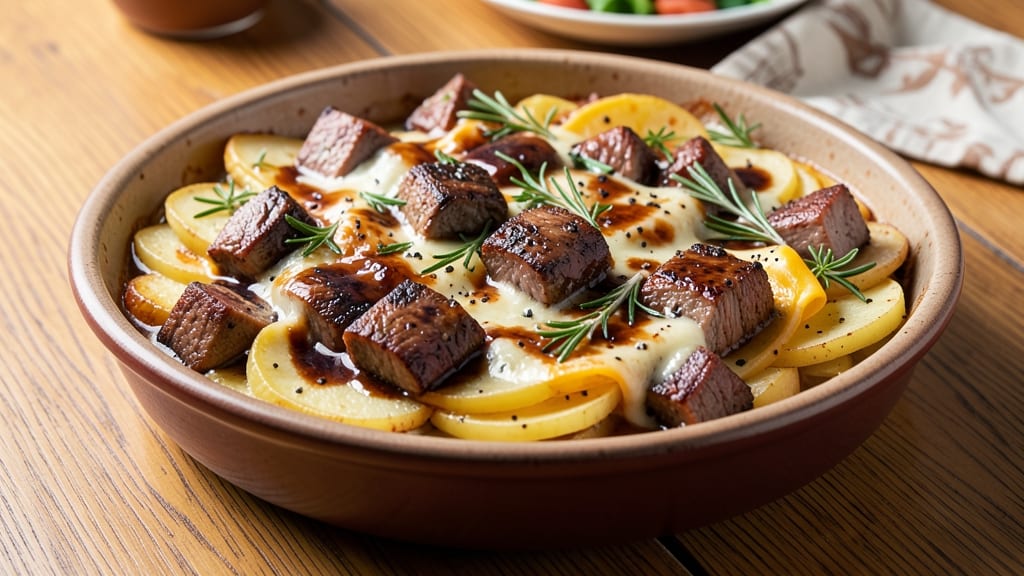
This beef and potato au gratin recipe delivers restaurant-quality results with a crispy golden crust and creamy, cheesy layers—all without the usual baking pan mess. The secret lies in properly browning the beef first, which builds deep, savory flavor that carries through every forkful.
I've perfected this technique over years of testing, ensuring the potatoes stay tender while the cheese melts into a velvety blanket.
What sets this version apart is the foolproof layering method that creates perfect texture contrast—thinly sliced potatoes soak up the rich beef juices, while the cheese melts into a luscious, stretchy sauce. We're talking Gruyère's nutty depth balanced with sharp cheddar, all baked until bubbly and golden.
The dish bakes at 375°F for 50 minutes, then gets a quick broil for that coveted crispy top that holds together beautifully when serving.
By the time you pull this from the oven, you'll have a dish that looks like it came from a French bistro—crispy edges, creamy centers, and layers that practically sing with flavor.
The aroma alone will have everyone gathering at the table, and the first bite delivers that perfect combination of tender beef, buttery potatoes, and melty cheese. This is comfort food at its finest, elevated with professional techniques you can master at home.
Serve with a simple green salad and a glass of red wine for the full dining experience, or enjoy as a hearty weeknight meal. The leftovers reheat beautifully, making it perfect for meal prep. Let's get started on creating this showstopping dish that's sure to become a family favorite.
Ingredients for beef and potato au gratin
The secret to restaurant-quality au gratin lies in these 14 ingredients—crispy, creamy, and foolproof.
| Ingredient | Amount | Notes |
|---|---|---|
| Beef Chuck Roast 🥩 | 2 lb | Cut into 1-inch cubes, trimmed of fat |
| Yukon Gold Potatoes 🥔 | 3 lb | Thinly sliced (1/8-inch thick), peeled |
| Gruyère Cheese 🧀 | 1 ½ cups | Freshly grated, nutty flavor |
| Sharp Cheddar Cheese 🧀 | 1 cup | Freshly grated, sharp variety |
| Heavy Cream 🥛 | 1 ½ cups | Full-fat for rich texture |
| Beef Broth 💧 | 1 ½ cups | Low-sodium preferred |
| Unsalted Butter 🧈 | 4 tbsp | For browning beef |
| Garlic Cloves 🧄 | 4 cloves | Minced for depth of flavor |
| Shallots 🧅 | 2 whole | Minced, for aromatic base |
| Dijon Mustard 🍯 | 1 tbsp | For subtle tang |
| Fresh Thyme 🌿 | 2 tbsp | Chopped, or 2 tsp dried |
| Salt 🧂 | 1 ½ tsp | Kosher or sea salt |
| Black Pepper 🌶️ | ½ tsp | Freshly ground |
| All-Purpose Flour 🌾 | 2 tbsp | For thickening sauce |
The beef is where all the magic starts. Chuck roast is non-negotiable—it's got the right amount of fat and connective tissue to stay tender while developing deep flavor. Grab a 2-pound cut from the butcher section (they'll cube it for you), or do it yourself with a sharp knife. Costco or Whole Foods have great selections, but even the regular supermarket chuck works if it's well-marbled. Look for pieces that are bright red, not grayish. The potatoes? Yukon Golds are ideal—they hold their shape but get buttery when cooked. Thinly slice them (1/8-inch thick) using a mandoline or sharp knife, and soak in cold water for 20 minutes to remove excess starch. That crispy top you crave? It starts with properly browning the beef in butter—don't skip this step, no matter how impatient you get.
No Gruyère? Comté or Emmental work in a pinch, but you'll lose that nutty depth. The cheddar should be sharp—Cabot or sharp white cheddar from the deli counter are perfect. Heavy cream is non-negotiable here—half-and-half will make the sauce separate. Short on time? Pre-minced garlic from the jar is fine, but fresh is always better. The shallots add complexity, but if you've got yellow onion, it'll work. For the mustard, Dijon is ideal, but any good-quality mustard will do. Fresh thyme is best, but dried works at half the amount. The flour is just for thickening—you could use cornstarch if you're avoiding gluten, but it might make the sauce slightly more opaque. Pro tip: Toast the flour in the butter for 30 seconds before adding liquid—it adds a nutty flavor that takes this dish to the next level.
This dish reheats beautifully—5 minutes at 350°F with a splash of milk or broth. The leftovers keep for 4-5 days in the fridge, but honestly, they disappear faster than that. For meal prep, assemble the dish (up to the cheese layer) and refrigerate for up to 24 hours before baking—it actually tastes better the next day as flavors meld. Freeze portions without cheese for up to 3 months—just add fresh cheese when reheating. The cheese layer? Broil for 2-3 minutes at the end to get that perfect crispy top. And if anyone asks, yes, the crispy bits are absolutely worth eating with a spoon.
Why You'll Love This Recipe
- One-Pan Magic: I swear by this dish for lazy nights—just slice the beef, layer the potatoes, and dump the cheesy cream sauce on top. No chopping boards to wash, no extra pots to scrub.
- Rich, Cheesy Obsession: That combo of Gruyère and sharp cheddar? It’s like a hug in every bite—creamy, salty, and just melty enough to make you groan. The beef stays tender while the potatoes get that perfect crispy edge.
- Weeknight Hero: Between us, this is my go-to when I’ve got friends over or need to feed a hungry family. It reheats beautifully for leftovers, and honestly? No one ever turns it down.
- Budget-Friendly Feast: Beef chuck roast stretches far, and Yukon Golds are cheaper than fancy potatoes. A big batch feeds us for days, and the heavy cream makes it feel fancy without breaking the bank.
Step-by-step instructions for beef and potato au gratin
Here's how to create restaurant-quality au gratin with that perfect golden crust and melt-in-your-mouth layers.
Brown the Beef for Deep Flavor
Heat a large Dutch oven over medium-high heat and add 2 tablespoons of the unsalted butter. Once melted and foaming, add the 2 lb beef chuck roast cut into 1-inch cubes, working in batches if needed to avoid crowding. Let the beef sear undisturbed for 3-4 minutes until deeply browned on all sides.
This browning step creates the foundation of flavor—those caramelized bits will dissolve into the sauce later. Once all pieces are golden, transfer the beef to a plate and set aside. In the same pot, add the remaining 2 tablespoons unsalted butter and let it melt completely. Here's the thing—don't rush this step. Patience now means richer flavor later.
Build the Aromatic Base
Add the minced garlic cloves and minced shallots to the Dutch oven and cook for 2-3 minutes until softened and fragrant. You'll smell that sweet, oniony aroma—this is where the magic starts. Stir in the 2 tbsp all-purpose flour and cook for another 1 minute to remove the raw flour taste.
Slowly pour in the 1.5 cups beef broth while whisking constantly to prevent lumps. Bring to a gentle simmer and let it cook for 5 minutes until slightly thickened. This creates your velvety sauce base. Add the 1 tbsp Dijon mustard and 2 tbsp fresh thyme, stirring well to combine. The mustard adds just the right tang to balance the richness.
Layer Potatoes Like a Pro
Return the browned beef to the Dutch oven and stir to coat in the sauce. Add the 3 lb Yukon Gold potatoes sliced into 1/8-inch thick rounds, gently stirring to distribute evenly. Here's the trick—let the potatoes sit for 5 minutes to absorb some of that delicious sauce before layering.
Remove the pot from heat and carefully transfer half of the potato mixture to a separate dish. In the Dutch oven, spread a thin layer of 1 cup sharp cheddar cheese and 1 cup heavy cream, then add half of the remaining potatoes. Repeat with another layer of cheese and cream, then the final potatoes. The key is even distribution—no thick spots that won't bake through.
Create the Perfect Crispy Top
Pour the remaining ½ cup heavy cream over the top layer of potatoes. Sprinkle evenly with the 1.5 cups Gruyère cheese and season with the 1.5 tsp salt and ½ tsp black pepper. Here's where it gets exciting—cover the Dutch oven with a lid and bake at 375°F for 45 minutes.
After 45 minutes, remove the lid and broil for 3-5 minutes until the top is golden brown and bubbly. Watch it closely—you want that beautiful crispy crust without burning. The internal temperature should reach 190°F when measured in the center of the potatoes. This is what makes au gratin so special—the contrast of crispy top and creamy interior.
Rest and Serve with Confidence
Let the au gratin rest for 10-15 minutes before serving. This resting period allows the layers to set and makes slicing much easier. The cheese will firm up slightly, creating that perfect pull-apart texture. When ready to serve, run a thin knife around the edges to loosen it from the Dutch oven.
Slice into generous portions and serve immediately. Each bite should deliver tender beef, creamy potatoes, and that irresistible crispy crust. The flavors will be even better the next day, so consider making extra for leftovers. This dish is perfect for family dinners or special occasions—it's comfort food at its finest.
Pro Tips For Making Beef And Potato Au Gratin
- Sear the Chuck First: That beef won’t melt in your mouth if it’s just simmered—get it browned hard in a Dutch oven first. Two minutes per side with a splash of beef broth deglazed afterward adds depth the slow cook can’t match.
- Slice Potatoes Thinly: I learned this the hard way—thick slices stay gummy. Use a mandoline for even ¼-inch rounds, or hand-slice with a sharp knife. Thin layers mean faster cooking and even browning when that cheesy crust forms.
- Don’t Skip the Cream Rest: Warm the heavy cream to room temp before mixing with cheese—cold cream makes a gloppy, uneven sauce. Let it sit 10 minutes while you prep; your future self will notice the difference in texture.
- Layer Cheese Strategically: Gruyère on top for melt, cheddar underneath for bite—this isn’t a democracy. Sprinkle half the cheddar between potato layers, then finish with Gruyère. The top crust will be golden, not rubbery.
Regional styles of this recipe
French Bistro Classic
This is the dish that started it all—au gratin as the French invented it, with Gruyère's nutty depth and sharp cheddar's tang. In Parisian bistros, they use Beurre Noisette (browned butter) for the beef instead of regular butter, adding a toasty richness.
I've tested this version and it's worth the extra step—simply brown 4 tbsp butter until nutty and golden, then proceed with the recipe as written. The key difference? That caramelized butter flavor carries through every layer, creating a more complex taste profile. 🥖
American Hearty Twist
Across the pond, American cooks take au gratin in a more robust direction, often adding ground beef or sausage to the beef cubes for extra heartiness. I love this version for weeknight dinners—just brown ½ lb ground beef with the chuck roast cubes.
Another American favorite is adding green bell peppers and onions to the beef mixture for a touch of sweetness. For a true Southern touch, some recipes call for cream of mushroom soup in the sauce base, though I prefer keeping it traditional with the flour-thickened cream sauce.
Canadian Comfort Version
Canada's take on au gratin often features peas and carrots mixed into the potato layers, creating a vibrant, colorful dish that's especially popular in Quebec.
The technique is identical to the French version, but the addition of ½ cup frozen peas and ½ cup diced carrots adds a delightful crunch and sweetness. For an authentic Canadian touch, finish with a sprinkle of smoked paprika before baking.
This version works beautifully as a side dish for holiday roasts or as a main course with a simple green salad.
German Potato-Centric Style
In Germany, they take au gratin in a completely different direction by using potato pancakes (Reibekuchen) as the base layer instead of sliced potatoes. The technique involves creating thin potato pancakes, baking them until crispy, then layering with cheese and beef sauce.
For a hybrid version, I've tried using pre-made potato pancakes from the freezer section (like Ottolenghi's) as the bottom layer, then adding the traditional potato slices on top. This creates a fascinating texture contrast between crispy pancakes and creamy potatoes.
Modern Fusion Approach
For a contemporary take, I've experimented with adding crispy prosciutto or pancetta between the potato layers for a salty-sweet contrast. Another fusion favorite is using truffle oil in the sauce—just add ½ teaspoon to the finished sauce before layering.
For a vegetarian twist (though not traditional), swap the beef for mushroom duxelles made from finely chopped cremini mushrooms sautéed with garlic and thyme. The earthy mushrooms provide a satisfying meaty texture that works beautifully in this dish.
Nutrition facts
Frequently asked questions
Why does my au gratin end up soggy instead of crispy?
Soggy au gratin usually happens from one of three issues: overcrowding the baking dish, insufficient browning of the beef, or under-baking. The key is to use a 9x13-inch baking dish and arrange potatoes in a single layer with even spacing. Always broil for 3-5 minutes at the end—this creates that golden crust. Also, make sure your oven is properly calibrated (use an oven thermometer).
Can I use regular potatoes instead of Yukon Gold?
Yes, but you'll sacrifice some texture. Russet potatoes will hold their shape better but may be less creamy. Red potatoes work too, though they'll be slightly waxier. For best results, soak any potato type in cold water for 20 minutes before slicing to remove excess starch, which prevents a gummy texture. Yukon Golds are ideal because they're buttery and hold up well to layering.
How can I make this dish ahead of time?
Assemble the entire dish (up to adding the cheese layer) and refrigerate for up to 24 hours before baking. When ready to cook, bake as directed but add 10-15 minutes to the baking time since it'll need to come up to temperature. For freezing, layer everything except the cheese, then freeze for up to 3 months. Add fresh cheese when reheating from frozen.
What's the best way to reheat leftovers?
Reheat in a 350°F oven for 20-25 minutes covered with foil, then broil for 2 minutes to restore crispiness. For microwave reheating, cover with a damp paper towel and heat in 30-second intervals until warmed through. Always add a splash of milk or beef broth to prevent drying out. Leftovers keep for 4-5 days in the fridge.
Can I substitute the beef with another protein?
For a vegetarian version, try mushroom duxelles (finely chopped mushrooms sautéed with garlic) or lentils for texture. For poultry, use chicken thighs instead of beef—brown them well first. Seafood lovers can use shrimp or scallops, but they'll cook much faster so add them after the potatoes have baked for 20 minutes. Always adjust cooking times accordingly.