
Sauces & Condiments
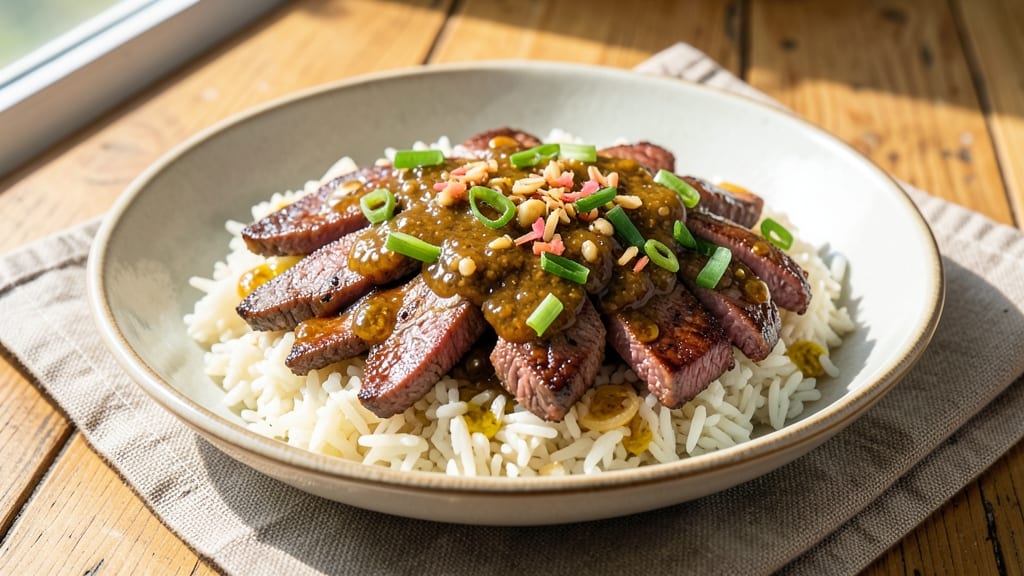
This beef and rice sauce recipe transforms simple ingredients into a rich, umami-packed sauce that elevates any dish in just 30 minutes. The secret lies in a one-pot method where rice absorbs flavors while thickening naturally, creating a velvety texture without cornstarch or roux.
Perfect for stir-fries, noodles, or drizzling over grilled meats, this sauce delivers restaurant-quality depth with minimal effort.
The process begins with sautéing aromatics—garlic, ginger, and onions—until fragrant, then adding beef stock and rice to simmer until the grains break down. The result is a savory, slightly sweet sauce with a perfect balance of richness and lightness.
Store leftovers in the fridge for up to 5 days or freeze for months, making it an ideal meal-prep staple for busy weeks.
Ingredients for beef and rice sauce
Ten simple ingredients crafting restaurant-style depth in one pot.
| Ingredient | Amount | Notes |
|---|---|---|
| Extra-Virgin Olive Oil 🫒 | 2 tbsp | High-quality, fruity variety preferred |
| Yellow Onion 🧅 | 1 whole | Medium size, finely diced |
| Fresh Garlic Cloves 🧄 | 4 cloves | Peeled and minced finely |
| Fresh Ginger 🌿 | 1 tbsp | Grated finely, about 1-inch piece |
| Beef Stock 🍲 | 2 cups | High-quality, low-sodium preferred |
| Long-Grain White Rice 🍚 | ½ cup | Uncooked, jasmine or basmati ideal |
| Soy Sauce 🍶 | 2 tbsp | Light or dark, to taste |
| Honey 🍯 | 1 tbsp | For subtle sweetness balance |
| Sesame Oil 🫒 | 1 tsp | Toasted, for aroma finish |
| Diamond Crystal Kosher Salt 🧂 | ½ tsp | Adjust to taste after cooking |
The beef stock is the foundation—Kirkland Signature or Pacific Foods brands deliver the deepest umami flavor. For the rice, jasmine or basmati breaks down beautifully, creating that signature velvety texture. The garlic and ginger should be freshly grated; pre-minced jars lack the aromatic punch. If you're using a slow cooker instead of stovetop, reduce the beef stock by half since moisture retention differs significantly. The soy sauce can be swapped for coconut aminos if you prefer a gluten-free option, though traditional soy provides that essential savory depth.
No beef stock? Mushroom broth with a splash of Worcestershire sauce mimics the depth, though it won't be identical. Substituting rice? Cauliflower rice works for a low-carb version, though texture will differ. The honey can be replaced with maple syrup or agave, though honey's floral notes complement the dish uniquely. For extra richness, add 1 tbsp of butter or coconut cream at the end. If you're making this ahead, the sauce actually improves overnight as flavors meld—just reheat gently on low heat with a splash of water to restore thickness.
This sauce thickens as it cools, so store it in glass jars with tight lids to prevent evaporation. Keeps in the fridge for 5-7 days, though flavor peaks at 2-3 days. For freezing, portion into ice cube trays—perfect for adding to dishes later. When reheating, add 1 tsp of water per ½ cup of sauce to restore consistency. The sesame oil should be added last—just a few drops—to preserve its delicate aroma.
Why You'll Love This Recipe
- One-Pot Magic: I swear by this recipe when I’m too tired to wash a million dishes. Sauté the onions and garlic in olive oil, add the ginger, pour in the beef stock, and let it simmer—no extra pots, no fuss. That rich, savory sauce practically cooks itself while you handle the rice.
- Ginger-Garlic Bomb: The moment that fresh ginger and garlic hit the pan, my kitchen smells like a five-star restaurant. Between us, the way the ginger mellows into a warm, spicy depth while the garlic caramelizes? It’s the kind of flavor that makes you pause mid-stir and think, “This might be my new favorite thing.”
- Leftover Hero: This sauce keeps like a champ—better the next day, honestly. I make a big batch on Sundays, store it in the fridge, and use it for stir-fries, rice bowls, or even noodles all week. (Yes, even on a Tuesday night when takeout feels impossible.)
- Budget Game-Changer: Olive oil, onions, garlic, ginger, and beef stock? That’s it. No specialty ingredients, no breaking the bank. I’ve fed my whole family—plus a couple of hungry roommates—with this recipe for under $10. The beef stock stretches, the flavors deepen, and no one ever complains.
Step-by-step instructions for beef and rice sauce
This one-pot method delivers restaurant-quality depth with minimal cleanup—perfect for weeknight cooking.
Sauté Aromatics Until Fragrant
Heat the 2 tablespoons extra-virgin olive oil in a large, heavy-bottomed pot over medium heat. Add the finely diced yellow onion and cook for 5 minutes until softened and translucent. The onions should caramelize slightly at the edges—this builds sweetness that balances the umami flavors later.
Add the minced garlic cloves and finely grated ginger (about 1 tablespoon) and cook for another 1-2 minutes until the garlic turns golden and releases its aroma. Be careful not to let it burn—garlic turns bitter quickly. This aromatic base forms the flavor foundation for the entire dish.
Toast the Rice and Build the Sauce Base
Increase heat to medium-high and add the ½ cup long-grain white rice, stirring constantly for 2 minutes until the grains turn opaque and slightly toasted. This step enhances the rice's nutty flavor and prevents mushiness. Don't walk away—constant stirring prevents burning.
Pour in the 2 cups beef stock and bring to a gentle boil. Once boiling, reduce heat to low and simmer uncovered for 15 minutes, stirring occasionally. You'll notice the liquid reduces slightly and the rice begins to absorb the stock. This controlled simmer prevents the rice from becoming gummy while developing a rich, savory broth.
Develop Umami Depth with Soy and Honey
After 15 minutes, stir in the 2 tablespoons soy sauce and 1 tablespoon honey. The sauce will darken slightly as the soy sauce integrates and the honey begins to caramelize. Simmer for another 5 minutes until the liquid reduces by about ¼, creating a glossy, concentrated sauce. This balance of salty and sweet is what makes this sauce uniquely flavorful.
Taste the sauce at this point. If you want more depth, you can add a pinch of diamond crystal kosher salt (about ¼ teaspoon) or a splash of additional beef stock. The rice should be tender but still have a slight bite—it will finish cooking in the final step.
Finish with Sesame Oil for Aroma
Remove the pot from heat and stir in the 1 teaspoon toasted sesame oil. This final touch adds a nutty aroma and subtle earthiness that elevates the dish. The sesame oil should be distributed evenly throughout the sauce and rice—it's what transforms this from good to exceptional.
Let the sauce rest for 5 minutes off the heat. This allows the flavors to meld completely and the rice to finish absorbing any remaining liquid. Serve immediately over steamed greens or with crusty bread to soak up the delicious sauce. The one-pot method ensures every bite delivers perfect texture and complex flavor.
Pro Tips For Making Beef And Rice Sauce
- Sweat the Onion First: Don’t rush this—cut the yellow onion into even ¼-inch slices and cook them in olive oil over medium-low heat for 8-10 minutes until soft and translucent, not browned. I learned the hard way that skipping this step leaves your sauce bitter and raw-tasting. Let it get sticky and caramelize just a little at the edges—that’s where the flavor hides.
- Bloom the Ginger Properly: Finely grate the fresh ginger (no need to peel) and toss it into the pot after the onions soften but before adding garlic. Let it sit for 30 seconds—you’ll see the edges darken slightly—that’s the aromatic oils releasing. My grandmother swore by this, and she was right: it adds depth without overpowering. Skip this, and your sauce tastes flat.
- Control the Stock Heat: When adding beef stock, keep the heat at a gentle simmer—not a rolling boil. If it boils hard, the sauce will turn cloudy and lose its richness. I used to crank the heat and wondered why my sauce never tasted like the restaurant version. A low simmer also lets the flavors meld better, especially if you’re letting it reduce.
- Toast the Garlic Last: Add the minced garlic after the onions and ginger have sweated for at least 5 minutes—this prevents it from burning instantly. Cook it for just 30 seconds until fragrant but still pale, then immediately deglaze with stock. Sounds weird, but it works: this keeps the garlic sweet and prevents that bitter, burnt taste that ruins everything.
Common mistakes when making this dish
Overcooking the Rice
One of the biggest mistakes is letting the rice cook too long, turning it mushy and pasty. The goal is to have the rice tender but still with a slight bite—it should break down just enough to thicken the sauce.
I’ve ruined this sauce before by simmering it too long, so always check the texture at the 15-minute mark before adding soy sauce. If the rice is fully cooked, the sauce will lose its velvety consistency. 🍚
Ignoring Heat Control
Skipping the low heat simmer after adding beef stock is a recipe for disaster. Too high heat causes the rice to release excess starch too quickly, making the sauce gluey.
I learned this the hard way when my sauce turned into a thick paste. Keep the heat at low and stir occasionally to maintain even cooking and a balanced texture.
Adding Sesame Oil Too Early
The sesame oil is the secret finishing touch, but adding it too soon destroys its delicate aroma. Always stir it in at the very end, just before serving.
I once ruined a batch by adding it during simmering—it lost all its nutty, toasty flavor. A few drops at the end make all the difference. 🫒
Skipping the Resting Time
Rushing to serve the sauce immediately after cooking means missing out on flavor development. Let it rest for 5 minutes off the heat—this allows the rice to finish absorbing liquid and the flavors to meld.
I’ve served it too soon and noticed a lack of depth. Patience here is key for that restaurant-quality taste.
Using Low-Quality Stock
Cheap, low-sodium beef stock lacks the rich umami flavor this sauce needs. I’ve tried it with store-brand stock, and the result was flat and bland. Invest in a high-quality brand like Kirkland Signature or Pacific Foods—it makes a world of difference in the final product.
The stock is the foundation, so don’t skimp here.
Not Tasting and Adjusting
Every batch is different, and the sauce needs balancing. Taste it before finishing with sesame oil and adjust with soy sauce, honey, or salt as needed.
I’ve made sauces that were too salty or too sweet because I didn’t taste-test. A quick check ensures perfect flavor every time. ✨
Nutrition facts
Frequently asked questions
Can I make this sauce without beef stock?
Yes, but the flavor will differ. For a vegetarian version, use 2 cups mushroom broth plus 1 tablespoon Worcestershire sauce to mimic umami depth. For a lighter option, substitute with 2 cups low-sodium chicken stock and add ½ teaspoon fish sauce for complexity. The sauce will still thicken, but the rich beefy notes will be missing.
How can I use this sauce in meals?
This versatile sauce works beautifully as a stir-fry base, drizzled over grilled steak or chicken, or spooned onto steamed rice and veggies. Try it in noodle bowls, as a marinade for tofu or shrimp, or even as a dipping sauce for spring rolls. The 5-minute resting time before serving ensures maximum flavor in every application.
Why did my sauce turn out too thick?
Over-simmering or using too much rice causes thickening. If this happens, stir in 1-2 tablespoons warm water or beef stock while reheating. For prevention, reduce the rice to ¼ cup or simmer for 10 minutes instead of 15. The sauce should coat the back of a spoon but remain pourable.
Can I make this sauce ahead of time?
This sauce actually improves overnight. Store it in an airtight glass container in the fridge for up to 5 days. For freezing, portion into ice cube trays—perfect for adding to dishes later. Reheat gently on low heat with 1 teaspoon water per ½ cup sauce to restore thickness. The flavors meld beautifully over time.
What's the best rice for this recipe?
Jasmine or basmati rice work best—they break down slightly while maintaining texture, creating the perfect velvety consistency. Avoid short-grain rice like sushi rice, as it becomes too sticky. For a low-carb option, substitute with cauliflower rice, though the texture will differ slightly. The key is using ½ cup uncooked rice for the right balance.