
Soups & Stews
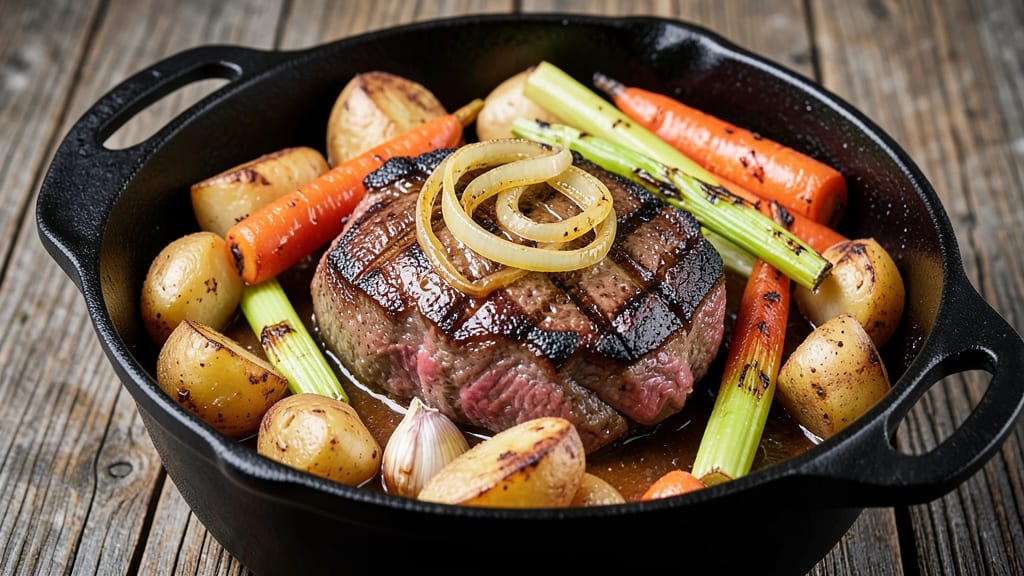
This beef anyhow recipe brings the soulful comfort of Southern kitchens to your table with its rich, slow-braised beef and tender vegetables. Born from resourcefulness, this hearty one-pot dish transforms tough cuts into melt-in-your-mouth perfection through hours of gentle cooking.
The caramelized onions and root vegetables add layers of sweetness and depth, turning simple ingredients into something extraordinary.
The beauty of beef anyhow lies in its simplicity and versatility—no fancy techniques required, just time and patience. A chuck roast or brisket becomes fork-tender while absorbing the flavors of onions, potatoes, and carrots, all simmered in a savory broth until the meat practically falls apart.
This dish is the ultimate comfort food, perfect for cold evenings when you crave something warm and satisfying.
What makes this recipe truly special is its ability to feed a crowd while requiring minimal effort after the initial prep. The slow cooking process allows flavors to meld together beautifully, creating a dish that tastes even better the next day.
Serve it with crusty cornbread or steamed collard greens for a complete Southern-inspired meal that feels like a hug in a bowl.
The result is a deeply flavorful, hearty stew that’s as nourishing as it is delicious—ideal for family gatherings or cozy weeknight dinners. Once you try this traditional beef anyhow, you’ll understand why it’s been a beloved staple in Southern kitchens for generations.
Ingredients for beef anyhow
Gather these hearty ingredients for a slow-cooked masterpiece that transforms tough beef into tender perfection.
| Ingredient | Amount | Notes |
|---|---|---|
| Chuck Roast 🥩 | 3 lb | Tough cut, marbled for flavor |
| Yellow Onions 🧅 | 3 whole | Large yellow, sliced into wedges |
| Russet Potatoes 🥔 | 3 lb | Yukon gold or red preferred |
| Carrots 🥕 | 4 whole | Medium, peeled and halved |
| Celery Stalks 🧅 | 4 whole | Trimmed and chopped |
| Garlic Cloves 🧄 | 6 cloves | Fresh, smashed for infusion |
| Beef Broth 💧 | 4 cups | Low-sodium preferred |
| Red Wine 🍷 | 1 cup | Bold, dry variety |
| Tomato Paste 🍅 | 2 tbsp | Smooth, no sugar added |
| Worcestershire Sauce 🍶 | 2 tbsp | Traditional, anchovy-free |
| Dried Thyme 🌿 | 1 tsp | Or 1 tbsp fresh |
| Black Peppercorns 🌶️ | 1 tsp | Freshly cracked |
| Salt 🧂 | 1 ½ tsp | Kosher, adjust to taste |
| Olive Oil 🫒 | 2 tbsp | Extra-virgin for richness |
The chuck roast is your star—look for marbled cuts with good fat distribution at Costco or Whole Foods. If you prefer brisket, ask the butcher for the flat cut, which stays tender. The onions? Yellow or Vidalia caramelize best, but red onions add color. For the potatoes, Yukon gold or red hold up better than russets—they won’t turn to mush. Celery adds depth, but if you’re short on time, frozen chopped celery works in a pinch. The garlic? Fresh is non-negotiable—jarred garlic lacks the punch.
No red wine? Substitute beef broth with 1 tbsp balsamic vinegar for acidity. Worcestershire sauce hard to find? Soy sauce plus a pinch of sugar mimics the umami. Thyme out of stock? Dried oregano at half the amount works, but fresh thyme is ideal. The tomato paste can be skipped if you’re avoiding it, but it adds deep, concentrated flavor. For a richer broth, add 1 cup of water and 1 beef bouillon cube. The olive oil? Use the good stuff—none of that cheap cooking oil. If you’re making this ahead, double the broth to account for evaporation during slow cooking.
This dish tastes even better the next day, so make extra. Store leftovers in the fridge for up to 5 days, or freeze for 3 months. For reheating, add 2 tbsp water or broth to prevent drying out. The meat will be fork-tender, but if you want it even softer, cover with extra broth when reheating. Serve with cornbread or crusty bread to soak up all that rich sauce—trust me, you’ll want seconds. If you’re prepping ahead, chop all veggies and store in the fridge until ready to cook.
Why You'll Love This Recipe
- One-Pot Magic: I swear by this—dump everything in a Dutch oven, add broth, and walk away. The chuck roast melts into tender perfection while the veggies caramelize right in the same pot. No chopping like a fine-dining chef, just rough dice and let it do its thing.
- Savory Depth Bomb: That slow-cooked chuck roast? It’s like beefy heaven—rich, juicy, and packed with umami. The onions and celery turn sweet and jammy, while the potatoes soak up all the flavor like little flavor sponges. Honestly, the first bite makes me forget about takeout.
- Leftovers That Don’t Suck: Between us, most beef stew leftovers are sad. Not this. The flavors only get better the next day, especially reheated with a splash of broth. I pack it for lunches all week—my kids fight over it, and my partner actually looks forward to leftovers.
- Budget Feast: A chuck roast stretches to feed six, and the veggies? They’re cheap staples that don’t skimp on taste. I’ll be real: this is my go-to when I’m pinching pennies but still want a meal that feels like a hug. Plus, it’s the kind of dish that makes grocery shopping feel like a win.
Step-by-step instructions for slow-braised beef anyhow
Here's how to transform tough chuck roast into melt-in-your-mouth beef with rich, caramelized vegetables.
Sear the Chuck Roast for Deep Flavor
Heat a large Dutch oven over medium-high heat until very hot. Add the 3 lb chuck roast and sear on all sides until deeply browned, about 8-10 minutes total. This step develops the Maillard reaction, creating that irresistible meaty aroma and flavor foundation.
I press down gently on the roast during the first minute to prevent curling, which ensures even contact with the pan. Once browned, remove the roast and set it aside on a plate. You'll notice the meat releases easily from the pan when properly seared—this is your signal to move to the next step.
Build the Flavor Base with Caramelized Vegetables
In the same Dutch oven, add the 2 tbsp olive oil and reduce heat to medium. Add the sliced 3 whole yellow onions and cook for 10 minutes until softened and beginning to caramelize. Stir occasionally to distribute the oil evenly.
Add the chopped 4 whole celery stalks and 4 whole carrots, stirring to combine. Cook for another 5 minutes until the vegetables soften slightly. This aromatic trio forms the flavor backbone of the dish—don't rush this step, as proper caramelization takes time.
Create the Braising Liquid
Increase heat to medium-high and add the 6 cloves garlic cloves, stirring for 30 seconds until fragrant. Immediately add the 2 tbsp tomato paste, stirring to coat the vegetables. Cook for 1 minute to develop the tomato flavor.
Deglaze the pan with the 1 cup red wine, scraping up all the browned bits from the bottom. Let it simmer for 2 minutes until reduced by half. Add the 4 cups beef broth, 2 tbsp Worcestershire sauce, 1.5 tsp salt, 1 tsp black peppercorns, and 1 tsp dried thyme. Stir well to combine all ingredients.
Braise Until Fork-Tender
Return the chuck roast to the Dutch oven, placing it in the liquid. Add the 3 lb russet potatoes, cut into 2-inch chunks. The potatoes should be partially submerged in the liquid—they'll absorb flavor as they cook.
Bring the liquid to a gentle simmer, then reduce heat to low. Cover and braise for 3-4 hours until the beef is fork-tender and easily pulls apart. I check the internal temperature after 2.5 hours—it should read 200-205°F when properly braised.
Rest and Serve with Flavorful Sauce
Once the beef is tender, remove it from the pot and let it rest on a cutting board for 10 minutes. This resting period allows the juices to redistribute throughout the meat. Meanwhile, skim any excess fat from the surface of the braising liquid.
Slice the beef against the grain into ½-inch thick slices. Return the beef to the pot and warm through for 2-3 minutes to absorb the flavorful sauce. Serve the beef anyhow with the caramelized vegetables and sauce spooned over the top. Each bite delivers tender beef, sweet caramelized onions, and earthy root vegetables in perfect harmony.
Pro Tips For Making Beef Anyhow
- Sear the Roast First: Chuck roast is forgiving, but a quick sear in a hot Dutch oven with oil and salt before adding liquids builds flavor that slow cooking alone won’t. I used to skip this, and the dish tasted like it was missing something—now I always do it, even if it’s just 2-3 minutes per side.
- Cut Potatoes Large: Small chunks turn mushy; big, uneven pieces (2-3 inches) stay firm and absorb flavors better. Russets hold up best—skip peeling if you’re short on time, but scrub them well. I learned this after serving a batch where the potatoes fell apart like wet cardboard.
- Don’t Overcrowd the Pot: Packing the Dutch oven too tight steams the veggies instead of browning them. Work in batches if needed, and let the onions, carrots, and celery sizzle for 5 minutes before adding potatoes. Sounds weird, but it works—your future self will notice the difference.
- Add Liquid Gradually: Start with just enough broth or water to barely cover the bottom, then add more as needed. Too much liquid at once dilutes the flavor, and you’ll end up with soup instead of tender beef and veggies. I was skeptical until I tried it—now I measure in splashes, not pours.
Essential equipment for beef anyhow
Dutch Oven Essentials
Your Dutch oven is the workhorse of this recipe—I swear by a Le Creuset 6-quart for its even heat distribution and durability. The deep sides prevent spills during braising, and the tight lid traps steam for tender beef.
If you don’t own one, a heavy-bottomed pot with a lid (like All-Clad) works too. Just ensure it’s large enough to hold all ingredients without crowding. 🔥
Meat Thermometer
A digital instant-read thermometer (I use ThermoWorks Smoke) is non-negotiable for perfect doneness. Check the beef’s internal temperature at 200-205°F—this ensures fork-tender results without drying out. Avoid cheap probes; accuracy matters when cooking for hours. For budget-friendly options, the Meater or Thermoworks Thermapen are great investments.
Sharp Knives
Invest in a chef’s knife and boning knife for precise cuts—especially when slicing the chuck roast against the grain. My Wüsthof Ikon 8-inch handles everything from chopping onions to carving beef. A sharpener (like Work Sharp) keeps blades in top condition. Dull knives make prep frustrating and unsafe.
Tongs for Handling
Use kitchen tongs (I prefer OXO Good Grips) to safely flip the beef and stir vegetables without burning your hands. Their sturdy build handles hot Dutch ovens effortlessly. Avoid wooden spoons—they char easily and can’t reach deep into the pot. A slotted spoon also helps skim excess fat later.
Slow Cooker Option
For hands-off cooking, a 6-quart slow cooker (like Hamilton Beach) works wonders. Transfer the seared beef and prepped veggies directly into the pot, then cook on low for 8-10 hours.
The slow cooker’s gentle heat mimics traditional braising. Just skip the Dutch oven’s caramelization step—opt for a separate pan for onions and garlic.
Nutrition facts
Frequently asked questions about beef anyhow
Why is this dish called "beef anyhow"?
This hearty stew gets its name from Southern tradition—it's a resourceful, one-pot meal that uses whatever vegetables were available. The "anyhow" reflects how it's made with whatever ingredients are on hand, often with tougher cuts of beef that become tender through slow cooking. It's comfort food at its most adaptable!
Can I use brisket instead of chuck roast?
A 3 lb brisket flat cut works beautifully—just ask your butcher to trim excess fat. The brisket will develop similar tenderness, though it may need 1-2 extra hours of braising time. For best results, slice against the grain after cooking to maximize tenderness. The flavor profile remains rich and satisfying.
How do I know when the beef is perfectly tender?
Use a meat thermometer for accuracy—the beef should reach 200-205°F internally. When properly cooked, it should fall apart easily with a fork. If you don't have a thermometer, check after 3 hours of braising: press a fork into the thickest part. If it slides in effortlessly, it's ready!
What's the best way to reheat leftovers?
Reheat gently in the Dutch oven over low heat with 2 tbsp extra broth or water to prevent drying. Cover and warm for 10-15 minutes, stirring occasionally. Microwaving works too—just cover with a damp paper towel and heat in 30-second intervals until warmed through. The beef will be even more tender after resting!
Can I make this dish in an Instant Pot?
Yes! Sear the beef first, then add all ingredients and cook on high pressure for 60 minutes, followed by a 10-minute natural release. The Instant Pot speeds up the process while maintaining tenderness. For best results, use the sauté function for the onions and garlic before pressure cooking. The flavors will still develop beautifully!