
Soups & Stews
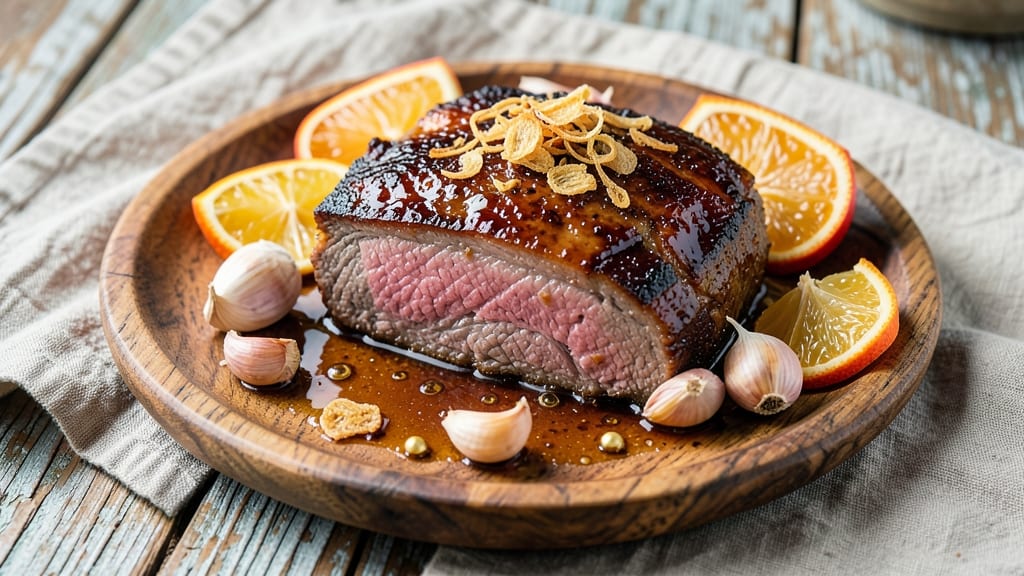
This beef asado Kapampangan recipe brings the smoky, spice-crusted flavors of the Philippines straight to your grill. 🔥 Roasting beef over charcoal with traditional Kapampangan seasonings creates a tender, caramelized masterpiece that's rich in history and flavor.
The secret lies in the marinade—a blend of garlic, soy sauce, and local spices—that transforms tough cuts into melt-in-your-mouth perfection.
The Kapampangan style of asado differs from other Filipino preparations by emphasizing a charred spice crust that forms on the outside while keeping the meat juicy inside.
This dish is traditionally served at family gatherings, where the smoky aroma fills the air and the sizzle of the grill becomes the soundtrack of celebration. The marinade isn't just flavorful—it's a time-honored technique passed down through generations.
What makes this recipe special is its balance of simplicity and depth. The beef develops a deep, smoky flavor from the charcoal grill, while the marinade adds layers of savory, slightly sweet, and umami notes.
Each bite delivers tender meat with a crispy exterior, making it a showstopper for any meal. The Kapampangan touch—often including a hint of vinegar or calamansi—elevates it beyond standard grilled beef.
Serve this beef asado Kapampangan with steamed rice, atchara (Filipino pickled papaya), and garlic rice for a complete feast. The sides complement the rich flavors while keeping the meal balanced. Ready to master this Filipino grill classic? Let's get started.
Ingredients for beef asado kapampangan
Six essential ingredients create this Kapampangan grill masterpiece—where smoky charcoal meets tender beef and vibrant Filipino flavors.
| Ingredient | Amount | Notes |
|---|---|---|
| Beef Chuck Roast 🥩 | 3 lb | Cut into 2-inch cubes, trimmed of excess fat |
| Garlic Cloves 🧄 | 10 cloves | Minced, for marinade and crust |
| Soy Sauce 🥄 | ½ cup | Filipino-style preferred, like Silver Swan |
| Calamansi Juice 🍋 | ¼ cup | Or substitute with lime juice (1:1) |
| White Vinegar 💧 | ¼ cup | Distilled white vinegar preferred |
| Brown Sugar 🍚 | ¼ cup | Packed, light or dark |
| Ground Black Pepper 🌶️ | 2 tsp | Freshly cracked peppercorns |
| Ground Cumin 🌿 | 1 tbsp | Toasted for deeper aroma |
| Smoked Paprika 🌶️ | 1 tbsp | For authentic Kapampangan crust |
| Olive Oil 🫒 | ¼ cup | Extra-virgin for high-heat searing |
| Charcoal Briquettes 🔥 | 2 lbs | Binchotan preferred for authentic flavor |
| Fresh Bay Leaves 🌿 | 2 whole | For subtle earthy depth |
| Green Onions 🧅 | 4 whole | Sliced, for garnish |
| Salt 🧂 | 1 ½ tsp | Diamond Crystal kosher salt |
The beef selection is critical for authentic texture. Chuck roast delivers that signature fall-apart tenderness when cooked low-and-slow, while the 2-inch cubes ensure even charring. Most Asian markets carry pre-cut beef chunks, but if buying whole, ask for chuck from the butcher—it's the traditional cut for Kapampangan asado. For the marinade, Silver Swan soy sauce adds that signature Filipino depth, though any high-quality soy works in a pinch. The calamansi is the secret weapon—its tart brightness cuts through the richness, but lime juice makes an excellent substitute if you can't find it at specialty stores.
No calamansi? Double the lime juice and add a pinch of salt to mimic the acidity. The brown sugar isn't just for sweetness—it helps create that signature caramelized crust when charred. Toast the cumin seeds first (dry pan for 2 minutes) before grinding for maximum aroma. For the charcoal, Binchotan briquettes from Japanese markets impart a cleaner smoke, but regular lump charcoal works perfectly. The green onions should be saved for garnish—chopping them just before serving preserves their freshness. If you're short on time, pre-minced garlic from a jar works, though fresh is always preferred for that pungent depth.
Marinated beef keeps 24 hours in the fridge, though the flavor develops best after 8 hours. Store in an airtight container with the marinade. For the charcoal, soak briquettes in water for 30 minutes before grilling—this extends burn time and creates more smoke. Leftover asado reheats beautifully on the grill or in a skillet with a splash of water. Portion into single-serving containers for meal prep, and the meat stays tender for 3 days refrigerated or 3 months frozen. The charred crust softens when reheated, so serve fresh when possible for that restaurant-quality crunch.
Why You'll Love This Recipe
- I’ll be real: the first batch disappears fast, but the seconds? Even better. The beef stays tender, the sauce clings like glue, and reheating it in a skillet with a splash of water turns it into something new—almost like a stir-fry. Budget-friendly? Absolutely. Waste-free? Even more so.
- Five-Ingredient Magic: Honestly, the pantry staples here—soy, vinegar, calamansi—are all things I already have. No specialty shopping, no fancy prep. Just slice the beef, toss it in a bowl, and let the marinade work its charm while you make rice or chop veggies.
- Tangy-Garlic Bomb: That crispy caramelized crust? It’s all the garlic and vinegar playing nice with the beef’s fat. The calamansi juice cuts through the richness like a bright, citrusy hug—sweet, salty, and just a little funky. My kids fight over the last piece, and I don’t even pretend to be surprised.
- Weeknight Workhorse: Between us, this is my lazy Sunday dinner and my "I have no idea what’s for dinner" Tuesday night. Serve it with rice for a quick meal, pile it on toast for breakfast the next day, or even stuff it into tortillas for tacos. It doesn’t judge your schedule.
Step-by-step instructions for beef asado Kapampangan
Master this Kapampangan technique for restaurant-quality charred crust and tender beef.
🍳 Step 1: Create the Spice Marinade and Crust
In a large bowl, combine the 0.5 cup soy sauce, 0.25 cup calamansi juice, 0.25 cup white vinegar, 0.25 cup brown sugar, 1 tbsp ground cumin, 1 tbsp smoked paprika, 2 tsp ground black pepper, 1.5 tsp salt, and 10 cloves minced garlic. Whisk until the brown sugar dissolves completely—this creates the marinade that will tenderize the beef and form the signature crust.
Transfer half of this marinade to a separate small bowl. In this bowl, add the 0.25 cup olive oil and mix well. This oil-rich mixture will become your crust—it's what creates that prized charred exterior when grilled. Set both bowls aside while you prepare the beef.
👨🍳 Step 2: Prepare the Beef for Grilling
Cut the 3 lb beef chuck roast into 2-inch cubes, trimming any excess fat. Arrange the beef cubes in a single layer in a large baking dish. Pour the remaining marinade (without the olive oil) evenly over the beef, ensuring each piece is well-coated. Cover and refrigerate for at least 4 hours, preferably overnight—this long marinating time is crucial for maximum tenderness and flavor penetration.
Before grilling, remove the beef from the refrigerator and let it sit at room temperature for 30 minutes. This ensures even cooking. While the beef comes to temperature, prepare your grill by lighting the 2 lbs charcoal briquettes and arranging them for direct high-heat grilling. Add the 2 whole fresh bay leaves to the hot coals—they'll infuse the smoke with subtle earthy depth.
🔥 Step 3: Grill with Charcoal and Charred Crust
When the charcoal is covered with white ash and produces clean blue smoke, arrange the beef cubes on the grill grates. Let them sear undisturbed for 4-5 minutes per side until they develop a deep charred crust. This is where the magic happens—the oil-rich crust mixture you prepared earlier gets brushed onto each piece right before it hits the grill, creating that signature blackened exterior while keeping the interior juicy.
After the initial sear, move the beef to indirect heat and continue grilling for 20-25 minutes, turning occasionally, until the internal temperature reaches 145°F for medium-rare. The beef should be fork-tender with a perfect pink center. Keep the grill lid closed as much as possible to maintain consistent heat.
🥘 Step 4: Rest and Garnish
Transfer the grilled beef to a cutting board and tent loosely with aluminum foil. Let it rest for 10 minutes—this crucial step allows the juices to redistribute throughout the meat, ensuring each bite is moist and flavorful. During this time, slice the 4 whole green onions into ¼-inch rounds for garnish.
After resting, arrange the beef asado on a platter and sprinkle with the sliced green onions. Serve immediately with steamed rice and a side of atchara (pickled papaya) to complement the rich, smoky flavors. The charred crust should be crisp and dark, while the interior remains tender with just a hint of pink in the center.
Pro Tips For Making Beef Asado Kapampangan
- Sear the Chuck First: Cast iron or stainless steel pan—get it screaming hot before adding the beef. I learned this the hard way with a chuck roast that turned out grayish instead of caramelized. A quick 2-3 minute sear on all sides locks in juices and builds flavor that the marinade (soy, vinegar, calamansi) will cling to later.
- Mince Garlic Like It’s 1985: No food processor—use your knife. Smash those cloves flat first, then chop into a fine paste. The oil in the pan will sizzle like crazy, and that’s exactly what you want. I skip this step sometimes, and the garlic just sits there like a sad, uncooked afterthought.
- Don’t Drown the Vinegar: White vinegar’s job is to tenderize, not flood the pan. Use just enough to deglaze—about 2 tablespoons for a 3-inch skillet—then immediately add the beef back in. Too much liquid means you’re steaming the meat instead of building flavor.
- Rest Under Foil: After cooking, tent that chuck roast with foil and let it sit for 10 minutes. I know, I know—you’re hungry now. But cutting into it too soon turns your perfectly tender slices into a sad, dry mess. The residual heat keeps it juicy, and the foil traps the steam. Trust me.
Troubleshooting perfect results
Charcoal Not Heating
If your charcoal isn't reaching the right temperature, try soaking Binchotan briquettes for 30 minutes before lighting—they burn hotter and longer. For regular briquettes, use a chimney starter to get them glowing evenly.
I've found that 2 lbs of charcoal needs 15-20 minutes to reach optimal 400-450°F for Kapampangan asado. 🔥
Marinade Too Watery
If your marinade separates or looks too thin, stir in 1 tbsp cornstarch mixed with 1 tsp water to thicken it slightly. The marinade should coat the beef but not pool—this helps create that signature charred crust.
I've had this happen when using too much calamansi juice, so adjust by adding 1 tsp soy sauce to balance the liquid.
Beef Overcooking
Use a meat thermometer to monitor internal temperature—145°F for medium-rare is ideal. If your beef is drying out, reduce grill heat to indirect medium and cover with foil for 5-10 minutes to steam gently.
I've learned to move pieces to cooler zones of the grill when they approach 140°F to prevent overcooking.
Uneven Charred Crust
The oil-rich crust mixture needs to be applied just before grilling—not too early, or it will burn before the beef sears. Use a pastry brush to spread it evenly.
If your crust isn't forming, try increasing the oil slightly (1 extra tbsp) or using a hotter section of the grill for the initial sear. 🌶️
Marinade Not Sticking
For tough cuts like chuck roast, pat the beef dry with paper towels before marinating—this helps the seasoning adhere better. If the marinade still won't stick, mix 1 tsp xanthan gum into the marinade to create a thicker coating.
I've also found that letting the beef sit at room temperature for 30 minutes before grilling makes a big difference.
Smoke Too Heavy
If your grill is producing too much smoke, reduce the charcoal by 25% and let it burn longer before adding food. For a cleaner smoke flavor, use Binchotan charcoal or add 2-3 apple wood chunks to the coals—they burn slower and produce less smoke.
Keep the grill lid closed as much as possible to contain the smoke. ✨
Nutrition facts
Frequently asked questions about beef asado Kapampangan
What makes Kapampangan asado different from regular grilled beef?
The Kapampangan style features a charred spice crust created by brushing the beef with an oil-rich marinade before grilling. This technique, combined with the unique blend of soy sauce, calamansi, and smoked paprika, gives it a distinct smoky-sweet flavor profile unlike standard grilled beef. The marinating time (at least 4 hours) also makes the meat exceptionally tender.
Can I substitute calamansi if I can't find it?
Yes! Use lime juice as a 1:1 substitute, but add an extra pinch of salt to compensate for the slightly different acidity. For best results, also add ½ teaspoon sugar to mimic calamansi's natural sweet-tart balance. The dish will still taste delicious, though the flavor won't be identical to the traditional Kapampangan version.
How do I achieve that perfect charred crust?
The secret lies in the oil-rich crust mixture applied just before grilling. Use a pastry brush to coat the beef evenly, then sear over direct high heat for 4-5 minutes per side until deeply charred. The crust forms when the oil caramelizes from the heat, creating that signature blackened exterior while keeping the inside juicy. A hot grill (400-450°F) is essential for this effect.
What sides pair best with Kapampangan beef asado?
Traditional pairings include steamed white rice, atchara (pickled papaya), and garlic rice. The tangy atchara cuts through the richness, while garlic rice adds another layer of savory flavor. For a complete meal, serve with a simple green salad or grilled vegetables to balance the dish.
Can I make this recipe without a charcoal grill?
Yes! Use a gas grill with a smoker box or even a cast-iron skillet on the stove. For the skillet method, heat it until smoking hot, then sear the beef with the oil-rich mixture. While charcoal gives the most authentic flavor, these alternatives still produce delicious results. Just monitor the heat carefully to prevent burning.