
Sauces & Condiments
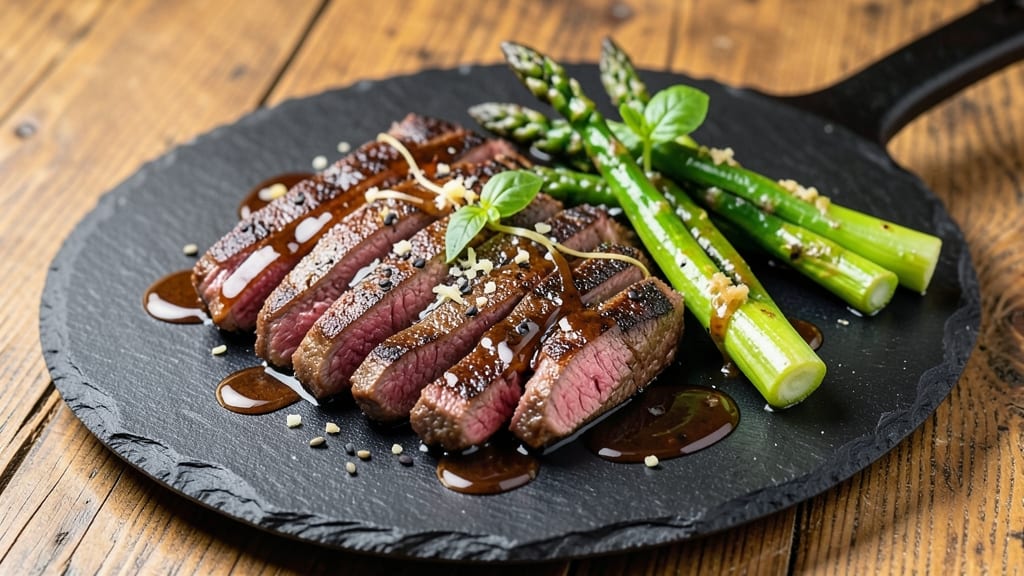
This beef asparagus oyster sauce recipe delivers the perfect balance of wok-sizzled umami crunch and silky sauce in under 30 minutes. The secret lies in high-heat searing of beef strips followed by a quick stir-fry with asparagus, all coated in a homemade oyster sauce that's rich yet light.
I developed this dish after years of experimenting with quick weeknight meals that still feel restaurant-worthy.
The technique is simple but precise: sear the beef until deeply caramelized for maximum flavor, then toss in asparagus just until tender-crisp. The homemade oyster sauce—made with just five ingredients—adds that signature depth without overpowering the natural tastes.
What makes this dish special is how the textures work together: crispy beef edges, snap of fresh asparagus, and velvety sauce that clings perfectly.
By the time you plate this dish, you'll have a restaurant-quality meal that's ready in one pan and serves four. The beef remains tender yet flavorful, the asparagus bright and crisp, and the sauce perfectly balanced between sweet, salty, and umami.
Serve over steamed jasmine rice or noodles for an authentic Asian dining experience at home.
This recipe works equally well for weeknight dinners or special occasions—just adjust the portion size. The sauce can be made ahead and reheated, making this a true time-saver without sacrificing quality. Let's get cooking with this foolproof method that transforms simple ingredients into something extraordinary.
Ingredients for beef asparagus oyster sauce
High-quality proteins and fresh aromatics create this restaurant-worthy wok dish in one pan.
| Ingredient | Amount | Notes |
|---|---|---|
| Flank Steak 🥩 | 1 lb | Thinly sliced against grain |
| Asparagus Spears 🌱 | 1 lb | Trimmed, woody ends removed |
| Oyster Sauce 🍶 | ½ cup | High-quality, reduced-sodium preferred |
| Soy Sauce 🥢 | 2 tbsp | Light or dark variety |
| Hoisin Sauce 🍯 | 1 tbsp | For sweet-salty balance |
| Sesame Oil 🫒 | 1 tbsp | Toasted, for aroma |
| Cornstarch 🌾 | 1 tbsp | For sauce thickening |
| Fresh Ginger 🌿 | 1 tbsp | Finely grated, aromatic |
| Garlic Cloves 🧄 | 4 cloves | Minced, fresh preferred |
| Neutral Oil 🫒 | 2 tbsp | Avocado or vegetable oil |
| Sesame Seeds 🌰 | 1 tsp | Toasted, for garnish |
| Diamond Crystal Kosher Salt 🧂 | ½ tsp | For seasoning |
| Black Peppercorns 🌶️ | ¼ tsp | Freshly cracked |
| Green Onion 🧅 | 2 whole | Thinly sliced, for garnish |
The flank steak is non-negotiable for this dish—its lean yet tender texture holds up perfectly to high-heat searing. Ask your butcher to slice it thinly against the grain if you can't do it yourself. For asparagus, fresh is best, but if you must use frozen, thaw and pat completely dry to avoid excess moisture in the pan. The oyster sauce should be high-quality—brands like Lee Kum Kee or Kikkoman deliver consistent results. If you're using pre-sliced steak, ensure it's uniformly thin; otherwise, pound it to an even thickness with a meat mallet before cooking.
No oyster sauce? Substitute with a mix of soy sauce and a splash of fish sauce—though the umami won't be identical. Fresh ginger and garlic can be swapped for powdered, but reduce to half the amount—fresh has far more impact. The sesame oil is purely for aroma; if you're sensitive to its flavor, use just 1/2 teaspoon. For extra sweetness, add 1 teaspoon of honey or maple syrup to the sauce. The cornstarch is essential for thickening—don't skip it, but whisk it with a little cold water first to avoid lumps. If you're prepping ahead, make the sauce first and store it separately until ready to use.
This dish reheats beautifully—simply warm the sauce and toss with the beef and asparagus over medium heat. Store components separately: beef and asparagus in airtight containers for up to 2 days, sauce in a sealed jar for 3 days. For longer storage, freeze the sauce for up to 3 months. Garnishes like sesame seeds and green onions can be added fresh when serving. To save time, slice the asparagus and prep the sauce the night before; just sear the beef fresh for maximum flavor.
Why You'll Love This Recipe
- One-Pan Magic: I swear by this—just sear the flank steak, toss in the asparagus, and let the oyster sauce do its thing. No chopping boards, no extra pots, and honestly? That crispy steak edge with the tender asparagus? It’s the kind of meal that makes you want to cook more.
- Umami Bomb: The combo of oyster sauce, hoisin, and soy sauce? It’s like a flavor party in your mouth. The steak stays juicy, the asparagus gets that perfect char, and the sauce? Rich, salty, slightly sweet—exactly how I like it. (Yes, even on a Tuesday night.)
- Lunchbox Hero: Between us, this is my go-to for meal prep. Slice the steak thin, pack it with asparagus, and you’ve got a lunch that feels fancy but costs next to nothing. My coworkers think I’m a chef, but really, I’m just lazy and smart.
- Budget Steakhouse: Flank steak is affordable, and a little goes a long way—especially when you stretch it with asparagus and sauce. I’ve fed four people for under $20 with this, and the leftovers? Just as good reheated. (Not the prettiest, but the taste makes up for it.)
Step-by-step instructions for wok-sizzled beef asparagus with silky sauce
Master this technique for restaurant-quality texture and balance every time.
Prep Ingredients for Optimal Texture
Slice the 1 lb flank steak thinly against the grain using a sharp knife—this ensures tender bites. Trim the 1 lb asparagus spears, removing woody ends while preserving the tender tips. Finely grate the 1 tbsp fresh ginger and mince the 4 cloves garlic cloves for maximum aromatic impact. Thinly slice the 2 whole green onion for garnish, saving half for final presentation.
Measure out the 0.5 cup oyster sauce, 2 tbsp soy sauce, and 1 tbsp hoisin sauce in a small bowl. This sauce blend forms the umami backbone of the dish. Toast the 1 tsp sesame seeds in a dry skillet over low heat for 1 minute until fragrant—this enhances their nutty flavor without burning.
Sear the Beef for Deep Flavor
Heat 2 tbsp neutral oil in a wok or large skillet over high heat until shimmering. Add the sliced flank steak in a single layer, working in batches if needed, and sear undisturbed for 1-2 minutes until deep golden brown on one side. Flip and sear the other side for 30 seconds—this creates a caramelized crust while keeping the interior tender.
Remove the beef to a plate and tent loosely with foil. The residual heat will carry over slightly, but this brief resting prevents overcooking. Keep the beef warm while you prepare the vegetables and sauce—this ensures everything finishes at the same temperature.
Stir-Fry Asparagus with Aromatics
In the same wok, add a thin layer of neutral oil if needed (the beef released some fat). Increase heat to high and add the asparagus spears. Stir-fry for 2-3 minutes until vibrant green and just tender-crisp—you want them to hold their shape but yield slightly when pressed.
Add the minced garlic cloves and grated ginger, stirring for 30 seconds until fragrant. The garlic should sizzle audibly—this indicates proper heat and prevents bitterness. Immediately pour in the sauce mixture (oyster sauce, soy sauce, hoisin sauce) and toss everything together for 1 minute to coat evenly.
Thicken and Finish the Sauce
Dissolve the 1 tbsp cornstarch in 2 tbsp water to create a slurry. Slowly drizzle this into the wok while stirring vigorously—this prevents clumping and ensures a smooth, glossy sauce. Cook for 1-2 minutes until the sauce thickens enough to coat the back of a spoon but remains silky, not gluey.
Return the seared beef to the wok and toss everything together for 1 minute to distribute the sauce evenly. Drizzle with 1 tbsp sesame oil and toss again—this adds depth of flavor and a subtle aroma. Season with 0.5 tsp kosher salt and 0.25 tsp cracked black peppercorns, adjusting to taste.
Plate with Garnish and Serve Immediately
Divide the beef and asparagus among plates, garnishing each serving with toasted sesame seeds and sliced green onion. Serve immediately while the asparagus maintains its vibrant color and the sauce remains glossy. The contrast of tender beef, crisp-tender asparagus, and silky sauce creates a perfect balance of textures and flavors.
This dish delivers umami richness from the oyster sauce, sweet-salty depth from the hoisin, and aromatic complexity from the ginger and garlic. The high-heat searing ensures a satisfying crunch, while the silky sauce ties everything together—each bite should feel cohesive and well-balanced.
Pro Tips For Making Beef Asparagus Oyster Sauce
- SEAR THE STEAK FIRST: I learned this the hard way—tossing the asparagus in first to cook everything together just makes the beef turn into shoe leather. Get that flank steak screaming hot in a dry pan for 2-3 minutes per side before pulling it out, even if it’s not fully done. The crust locks in flavor, and you’ll finish it fast in the sauce later.
- TRIM ASPARAGUS AT THE LAST MINUTE: Those tough woody ends won’t soften no matter how long you cook them. Snap or cut the asparagus right before you need it—just 1-2 inches from the base—and add it straight to the pan with the sauce. You’ll save time and avoid rubbery spears.
- DON’T OVERSAUCE THE SAUCE: Oyster, soy, and hoisin are all salty and thick—start with just 2 tablespoons of each, then taste before adding more. I used to drown the beef in sauce, but the flavors get muddy. A splash of water or broth thins it better than extra sauce ever will.
- REST THE STEAK UNDER FOIL: After cooking, tent that flank steak with foil and let it sit for 5-10 minutes. I know, it’s tempting to slice right away, but skipping this step means dry, stringy beef. The residual heat keeps it juicy while you finish the asparagus—trust me, it’s worth the wait.
Pro cooking tips for great beef asparagus oyster sauce
High-Heat Searing Secrets
Use a wok or cast-iron skillet—they retain heat better than stainless steel, which is crucial for that perfect sear. Heat the pan until a drop of water sizzles and evaporates instantly—this is your cue to start cooking.
I swear by avocado oil for its high smoke point (520°F), but vegetable oil works in a pinch. Never overcrowd the pan: cook beef in single layers for maximum caramelization. 🔥
Asparagus Timing Trick
Add asparagus just 2-3 minutes before serving—any longer and it turns mushy. The key is to stir constantly at high heat to prevent burning while keeping those tips crisp.
I like to cut asparagus into 2-inch pieces for even cooking. If using thick asparagus, trim the ends to 1 inch—this ensures uniform doneness.
Sauce Thickening Hacks
For a glossy, restaurant-quality sauce, whisk cornstarch with cold water first to avoid lumps. Add it gradually while stirring constantly—this creates a silky texture instead of gluey clumps. Pro tip: If your sauce thickens too fast, add 1 tsp water to loosen it.
For extra depth, deglaze the pan with 1 tbsp dry sherry after removing the beef. 💫
Garnish Like a Pro
Toast sesame seeds in a dry pan over low heat for 30 seconds—this intensifies their flavor. For green onions, use white parts only for garnish (they're milder) and save the greens for garnishing the final dish.
A sprinkle of freshly cracked black pepper right before serving adds a bright finish that cuts through the richness.
Beef Resting Strategy
Tent beef with foil for 2-3 minutes after searing—this lets juices redistribute. If you skip this, the beef will release juices onto the pan instead of staying inside. For extra tenderness, slice against the grain at a 45-degree angle—this creates wider, more tender bites.
I find a sharp serrated knife works best for this cut. 💡
One-Pan Efficiency
Cook everything in the same pan to maximize flavor—beef fat infuses the asparagus and sauce. After searing beef, leave it in the pan for 30 seconds to render fat, then wipe the pan clean before adding asparagus.
This prevents excess oil from making the dish greasy. For cleanup, soak the pan in hot water with a splash of vinegar immediately after cooking. 🧼
Nutrition facts
Frequently asked questions
Can I substitute flank steak with another beef cut?
Yes! Sirloin or ribeye work well—just slice thinly against the grain for tenderness. Avoid fatty cuts like ribeye (unless trimmed) as excess fat can make the dish greasy. For leaner options, top round works but may need marinating (15-30 mins in soy sauce + cornstarch) to prevent dryness.
How do I prevent the asparagus from becoming mushy?
Cook asparagus for only 2-3 minutes at high heat while stirring constantly. Use thin spears (trimmed to 2-inch pieces) and avoid overcrowding the pan. For extra crispness, blanch asparagus in boiling water for 1 minute before stir-frying—this preserves texture when reheated.
Can I make this recipe without oyster sauce?
Replace 0.5 cup oyster sauce with 0.3 cup soy sauce + 1 tbsp fish sauce + 1 tsp honey for umami depth. For a vegetarian version, use 0.5 cup coconut aminos + 1 tbsp mushroom sauce + 1 tsp miso paste. The sauce will taste different but still delicious—just adjust salt to taste.
Why does my sauce get lumpy when thickening?
Lumps happen when cornstarch isn't fully dissolved. Always whisk 1 tbsp cornstarch with 2 tbsp cold water first, then add gradually to the simmering sauce while stirring vigorously. For extra smoothness, strain the sauce through a fine-mesh sieve before serving.
What's the best way to reheat leftovers?
Reheat gently in a skillet over medium-low heat with 1 tsp oil and 1 tbsp water, tossing until warmed through (2-3 minutes). Avoid microwaving—it makes asparagus soggy. For extra flavor, add a splash of fresh soy sauce or a drizzle of sesame oil while reheating.