
Soups & Stews
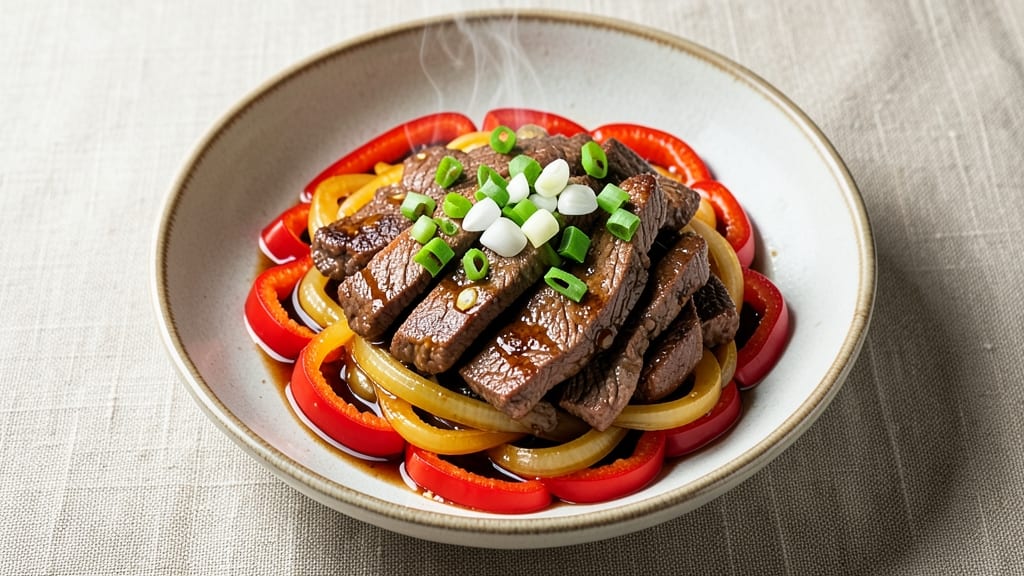
This beef bell pepper and onion recipe delivers restaurant-quality stir-fry flavor in just 30 minutes with minimal cleanup. The secret lies in high-heat searing that creates deep caramelization on the beef while keeping the vegetables perfectly tender-crisp.
I developed this one-pan method after years of testing different techniques, and it consistently delivers that perfect balance of smoky, savory, and slightly sweet flavors you'd expect from a wok or skillet.
The beauty of this recipe is its simplicity—just a few core ingredients transformed through proper technique. You'll start by searing thick-cut beef strips until they develop that coveted crust, then add sliced onions and bell peppers cut into even pieces for consistent cooking.
A simple soy-ginger sauce ties everything together while keeping the dish light and flavorful. The key is working in batches if needed to avoid overcrowding the pan, which would steam instead of sear the ingredients.
What you'll end up with is a vibrant stir-fry featuring perfectly seared beef with charred edges, sweet caramelized onions, and crisp-tender bell peppers all coated in a glossy, aromatic sauce. The flavors are rich yet balanced, with the beef's umami depth complemented by the natural sweetness of the vegetables.
This dish serves beautifully over steamed jasmine rice or as a standalone meal with crusty bread for soaking up the sauce.
One of the best aspects is how versatile this recipe is—double the ingredients for a crowd, halve it for a single serving, or adjust the heat level to suit your preference. The technique works equally well with flank steak, sirloin, or even chicken if you prefer.
Let's get started on creating this flavorful one-pan meal that's perfect for weeknight dinners or meal prep.
Ingredients for beef bell pepper onion
This one-pan stir-fry delivers restaurant-quality charred edges and vibrant flavors using just twelve thoughtful ingredients.
| Ingredient | Amount | Notes |
|---|---|---|
| Flank Steak 🥩 | 1 ¼ lb | Thinly sliced against grain |
| Yellow Onions 🧅 | 2 large | Sliced into 1/4-inch strips |
| Red Bell Peppers 🍅 | 2 whole | Sliced into 1/4-inch strips |
| Low-Sodium Soy Sauce 🥄 | ⅓ cup | For authentic umami depth |
| Fresh Ginger 🌿 | 2 tbsp | Finely grated, aromatic |
| Sesame Oil 🫒 | 1 ½ tbsp | Toasted for nutty aroma |
| Garlic Cloves 🧄 | 4 cloves | Minced for pungent flavor |
| Honey 🍯 | 1 ½ tbsp | For subtle caramel notes |
| Cornstarch 🌾 | 1 tbsp | For tenderizing beef |
| Vegetable Oil 🫒 | 3 tbsp | High smoke point for searing |
| Salt 🧂 | 1 ½ tsp | Kosher salt for seasoning |
| Black Pepper 🌶️ | ½ tsp | Freshly ground for heat |
| Jasmine Rice 🍚 | 1 ½ cups | Uncooked, for serving |
The beef selection is everything here. Flank steak is ideal—lean but flavorful, with that perfect texture when sliced thin. Grab it from the butcher counter if possible, or the pre-sliced packages at Whole Foods work in a pinch. Look for good marbling, not too tough. The bell peppers should be firm and vibrant—red or yellow work equally well, but avoid any with soft spots. Onions? Yellow or white both work, but yellow adds subtle sweetness that pairs beautifully with the beef's umami. Pro tip: slice everything uniformly—1/4-inch strips ensures even cooking.
No flank steak? Sirloin or ribeye work just as well—just ask your butcher to slice it thinly. Running short on soy sauce? Coconut aminos or even low-sodium tamari will do, though the flavor profile shifts slightly. Fresh ginger not available? Ground ginger at half the amount works, but you'll lose that bright zing. The honey can be swapped for maple syrup if you prefer. For extra depth, add 1 tbsp rice vinegar to the sauce. And if you're feeling adventurous, toss in 1 tsp sriracha for heat—trust me on this.
Prep ahead for maximum flavor. Marinate the beef in the sauce for up to 30 minutes before cooking—this tenderizes and infuses the meat. Store leftovers in an airtight container for 3-4 days in the fridge, or freeze for up to 3 months. The rice reheats beautifully—just add a splash of water and microwave. For meal prep, portion the stir-fry into containers with rice at the bottom to keep everything separate. This dish tastes even better the next day as the flavors meld.
Why You'll Love This Recipe
- One-Pan Magic: I swear by this recipe on nights when I’m too tired to scrub three pots. Toss the sliced flank steak, onions, and bell peppers straight onto a sheet pan, drizzle with soy sauce and grated ginger, and let the oven do the work—no flipping, no fuss. The peppers caramelize right alongside the beef, and honestly? That’s half the battle won.
- Ginger-Soy Kick: Between us, this flavor combo is chef’s kiss—tangy, umami-rich, and just sweet enough from the bell peppers. The low-sodium soy sauce keeps it balanced, while the fresh ginger adds a bright, zesty punch that cuts through the richness of the steak. It’s the kind of dish that makes you reach for seconds without even thinking.
- Meal Prep MVP: This recipe is my secret weapon for busy weeks. Cook a big batch on Sunday, and you’ve got lunch or dinner covered for days—pack it in containers, reheat it, or serve it cold in wraps. The flavors actually deepened after a day in the fridge, which blew my mind the first time I tried it.
- Budget-Friendly Protein: Flank steak stretches farther than you’d think when sliced thin, and onions/peppers are practically free at the grocery store. A single pound feeds four for under $15, and the leftovers? Even better. I’ll be real: my kids ask for this over takeout, and that’s saying something.
Step-by-step instructions for one-pan stir-fry with charred edges
Here's how to transform simple ingredients into a restaurant-worthy stir-fry with perfectly charred edges and tender beef.
Prepare the Flank Steak for Maximum Tenderness
Place the 1.25 lb flank steak on a cutting board and slice it thinly against the grain into ¼-inch strips. This is crucial—cutting against the grain ensures the meat remains tender despite the quick cooking time. Transfer the sliced steak to a bowl and sprinkle with 1 tbsp cornstarch, tossing to coat evenly. Let it sit for 10 minutes while you prep the vegetables.
Here's the thing—cornstarch acts like a tenderizer, breaking down the muscle fibers while also creating a light crust that prevents the beef from drying out during stir-frying. Don't skip this marinating step, even though it's short. The cornstarch will also help thicken our sauce later, creating that perfect glossy coating we all love.
Create the Flavor Base with Aromatics
Heat 3 tbsp vegetable oil in a large wok or skillet over medium-high heat until shimmering. Add the 2 large yellow onions and 2 whole red bell peppers, sliced into ¼-inch strips. Stir-fry for 4-5 minutes until the vegetables begin to soften and develop a slight char on the edges—this is where the magic happens. The char adds depth of flavor that you can't get any other way.
After about 3 minutes, add the 4 cloves garlic cloves and 2 tbsp fresh ginger, minced. Cook for another 30 seconds until fragrant—you should smell that pungent garlic and spicy ginger aroma filling your kitchen. This is your flavor foundation, so don't rush it. The vegetables should be tender-crisp with just a hint of char on the edges.
Sear the Beef for Perfect Texture
Working in batches if needed, add the cornstarch-coated beef to the wok in a single layer. Let it sear undisturbed for 1-2 minutes until the edges turn deep golden brown. This is the moment that matters: you want maximum surface area touching the hot pan to create that beautiful crust. Once browned on one side, stir and cook for another 1-2 minutes until the beef is cooked through but still tender.
Remove the beef from the wok and set it aside on a plate. Here's a pro tip: don't overcrowd the pan when cooking the beef. If you have to work in batches, that's fine—just make sure each batch gets that proper sear. The beef should be lightly browned but still juicy—if it's gray in the center, it needs just a few more seconds.
Build the Sauce and Combine Everything
Reduce the heat to medium and add 1.5 tbsp sesame oil, 1.5 tbsp honey, and 0.33 cup low-sodium soy sauce to the wok. Stir well to scrape up any browned bits from the bottom—these contain concentrated flavor. Let the sauce simmer for 1-2 minutes until it begins to thicken slightly. The mixture should coat the back of a spoon and have a glossy appearance.
Return the beef to the wok and toss everything together for 1 minute until the beef is evenly coated in the sauce. Season with 1.5 tsp salt and 0.5 tsp black pepper, then taste and adjust if needed. The sauce should be slightly sticky but not too sweet—you want the soy sauce's umami to shine through. If it's too thick, add 1-2 tablespoons of water to loosen it.
Serve Over Jasmine Rice with Charred Perfection
Divide the 1.5 cups jasmine rice among four plates and spoon the beef and vegetable stir-fry generously over the top. The rice should be cooked al dente—just slightly firm in the center. Garnish with an extra drizzle of sesame oil and a sprinkle of black pepper for that final touch of sophistication.
This dish is all about contrast—tender beef with crisp-tender vegetables, sweet and savory sauce, and that beautiful charred edge that tells the story of your cooking. Serve immediately while the beef is still warm and the rice is perfectly textured. Each bite should deliver that perfect balance of smoky char, sweet honey, umami from the soy sauce, and the satisfying chew of the flank steak.
Pro Tips For Making Beef Bell Pepper Onion
- SEAR THE STEAK FIRST: High heat for 2-3 minutes per side—don’t rush this. I used to flip too soon, and the steak ended up gray inside. Let that crust form before even thinking about the veggies.
- SLICE ONIONS THINLY: About ⅛-inch thick, no thicker. Thick slices turn mushy in the stir-fry, and you’ll end up with a sad, watery mess. A sharp knife and a steady hand make all the difference.
- DON’T OVERSTIR THE SOY: Once you add the soy sauce, stir just enough to coat—overmixing makes the beef tough. My grandmother swore by this, and she was right: let the flavors meld without turning the steak into jerky.
- GINGER: GRATE IT FRESH: No shortcuts here—jarred ginger tastes like sawdust. Use about 1 teaspoon of finely grated fresh ginger, and add it with the soy sauce at the end. It brightens the whole dish in a way powder can’t.
Common mistakes when making your beef bell pepper onion
Overcrowding the Pan
This is the #1 mistake that turns a good stir-fry into a soggy mess. When you pile all the beef and vegetables into the pan at once, they steam instead of sear, resulting in mushy onions and undercooked beef.
The key is working in batches—cook the beef in 2-3 batches if needed, and remove cooked portions to a plate while you finish the rest. I've ruined many stir-fries by trying to rush this step, so take your time. 🔥
Skipping the Cornstarch Step
Many home cooks overlook the 1 tbsp cornstarch marinade, thinking it's optional. But this simple step does three critical things: tenderizes the beef, creates a light crust to lock in juices, and helps thicken the sauce.
Without it, your beef will be tough and the sauce will be thin. Trust me, the 10-minute marinating time is worth it—it's the secret to that restaurant-quality texture.
Uneven Slicing of Ingredients
Consistent slicing is everything in stir-fries. If your onions are 1/8-inch thick in some spots and 1/2-inch in others, they'll cook at different rates, leading to some pieces being mushy while others remain crunchy. Use a sharp chef's knife and cut all vegetables into uniform 1/4-inch strips.
For the beef, slice against the grain—this is non-negotiable for tender results. I keep a cutting board with parallel lines drawn to guide my knife for perfect uniformity.
Not Prepping Vegetables First
Adding raw onions and bell peppers to a hot pan with beef will cause them to release moisture immediately, which steams the beef instead of searing it. Always cook the aromatics (onions, peppers, garlic, ginger) first for 4-5 minutes until they're tender-crisp with just a hint of char.
This builds flavor depth that carries through the entire dish. The vegetables should be soft enough to eat but still hold their shape—this is the perfect texture window.
Using the Wrong Oil
Not all oils are created equal for stir-frying. Vegetable oil or peanut oil have high smoke points (400°F+) and neutral flavors, making them ideal. Olive oil, with its lower smoke point (375°F) and strong flavor, will burn and ruin your dish.
I always use 3 tbsp vegetable oil for this recipe—it's affordable, widely available, and does the job perfectly without overpowering the other flavors.
Undercooking or Overcooking the Beef
The beef needs to reach 145°F internal temperature for medium doneness, but it should only take 1-2 minutes per batch to sear properly. Undercooked beef will be tough and chewy, while overcooked beef turns dry and stringy.
Use a meat thermometer to check the center of the thickest piece—this is the only reliable way to gauge doneness. Remove the beef when it's just barely cooked through, then let it rest for 2-3 minutes before serving to redistribute juices.
Nutrition facts
Frequently asked questions
Can I substitute chicken or pork for the beef in this recipe? This stir-fry technique works beautifully with chicken breast or pork tenderloin. For chicken, slice it into 1/4-inch strips and cook for 3-4 minutes until fully done (it should reach 165°F). Pork requires 4-5 minutes of cooking to reach 145°F internal temperature. Just
What's the best way to store leftovers?
Store leftovers in an airtight container in the fridge for up to 4 days. The flavors actually improve as the sauce absorbs into the beef! For freezing, portion into single-serving containers with a thin layer of sauce on top to prevent drying. Thaw overnight in the fridge, then reheat in a skillet with 1 tbsp water to restore moisture. Microwave reheating works but may make the rice slightly soggy.
How can I make this dish spicier?
Add 1/2 tsp red pepper flakes or 1 tsp sriracha to the sauce for immediate heat. For deeper spice, marinate the beef in 1 tbsp gochujang (Korean chili paste) for 15 minutes before cooking. Fresh Thai bird's eye chili (minced) works beautifully too—start with 1/2 chili and adjust to taste. Always add spices gradually and taste as you go!
Can I make this without soy sauce? Yes! Swap the soy sauce for 1/3 cup coconut aminos (soy-free alternative) or 1/4 cup fish sauce (for umami depth). For a vegetarian option, use 1/3 cup tamari plus 1 tbsp balsamic vinegar. The honey and sesame oil will still provide sweetness, so these substitutions maintain the dish's balanced flavor profile. Just
What's the best rice to serve with this?
Jasmine rice is ideal—its fragrant, slightly sticky texture perfectly complements the stir-fry. For extra flavor, cook the rice in 1 cup beef broth instead of water. Other great options include brown rice (for a nuttier taste) or cauliflower rice (for a low-carb version). Always cook rice to al dente texture so it doesn't turn mushy when combined with the stir-fry.