
Main Courses
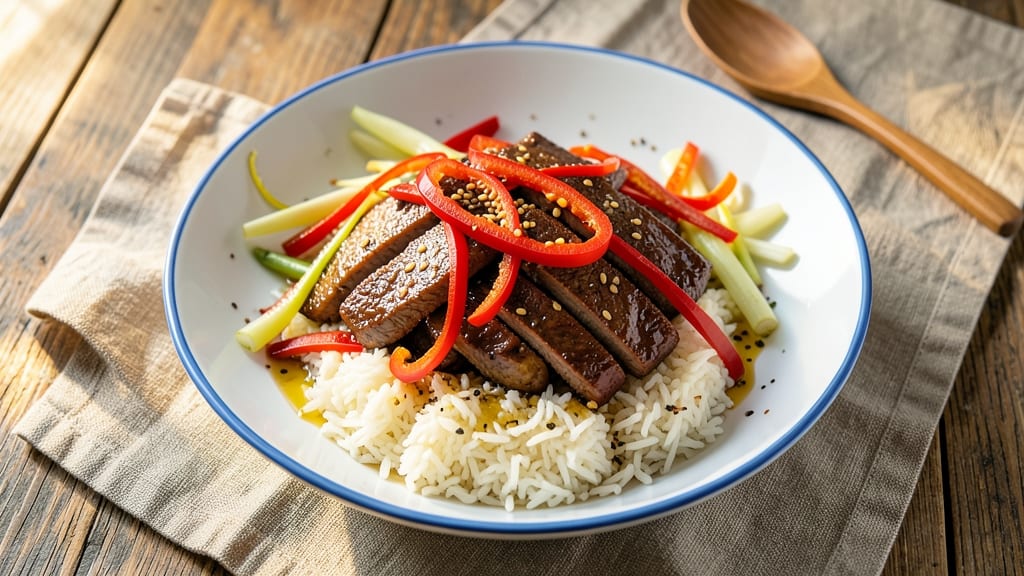
America's Test Kitchen beef stir fry delivers restaurant-quality caramelized bites with a foolproof high-heat wok technique. The secret lies in properly searing the beef first, then finishing with a quick stir-fry that locks in juices and develops deep, savory flavors.
This method transforms tougher cuts into tender, flavorful pieces that hold up to the sauce without turning mushy.
What sets this recipe apart is the balance of texture and flavor—crisp edges on the beef, vibrant vegetables, and a sauce that's both sweet and umami-rich without overpowering.
The high-heat technique creates that coveted "wok hei" (breath of the wok) aroma, while the marinade ensures every bite is packed with flavor. It's designed for home cooks with standard kitchen equipment, not just professional chefs.
By the time you're done, you'll have a dish that's restaurant-worthy but made in your own kitchen—juicy beef with caramelized edges, crisp-tender vegetables, and a sauce that clings perfectly to every piece. The combination of proper searing, high-heat cooking, and flavorful sauce creates a stir-fry that's both satisfying and impressive.
Serve over steamed jasmine rice or noodles for the full experience, or adjust the sauce to suit your taste preferences. This recipe proves you don't need a wok to achieve professional results at home.
Ingredients for america's test kitchen beef stir fry
Restaurant-quality stir-fry starts with the right ingredients—tender beef, vibrant vegetables, and a sauce balanced for depth.
| Ingredient | Amount | Notes |
|---|---|---|
| Flank Steak 🥩 | 1 ½ lb | Cut into 1-inch strips, trimmed of fat |
| Cornstarch 🌾 | 1 tbsp | For velveting beef |
| Soy Sauce 🍶 | 2 tbsp | Kosher salt variety preferred |
| Sesame Oil 🫒 | 1 tbsp | Toasted, for aroma |
| Bamboo Shoots 🌱 | 1 cup | Drained, sliced |
| Bell Peppers 🌶️ | 2 whole | Red and green, sliced |
| Carrots 🥕 | 2 whole | Baby or julienned |
| Garlic Cloves 🧄 | 6 cloves | Minced, for marinade |
| Fresh Ginger 🌿 | 1 tbsp | Grated, for marinade |
| Hoisin Sauce 🍶 | 2 tbsp | For sauce depth |
| Oyster Sauce 🍶 | 2 tbsp | For umami richness |
| Rice Vinegar 🍶 | 1 ½ tbsp | For brightness |
| Neutral Oil 🫒 | 3 tbsp | Avocado or vegetable |
| Jasmine Rice 🍚 | 1 ½ cups | Uncooked, for serving |
| Sesame Seeds 🌱 | 1 tbsp | Toasted, for garnish |
The flank steak is critical here—look for marbled cuts with good fat distribution for tenderness. Whole Foods or butcher shops carry high-quality options, but standard grocery stores often have pre-sliced versions. If using a whole cut, slice against the grain for maximum tenderness. The cornstarch step (velveting) transforms tougher cuts into silky bites—don't skip it. For the vegetables, freshness matters most: crisp bell peppers and carrots hold up best to high heat. Bamboo shoots add texture without overpowering the beef's flavor.
No sesame oil? Toasted peanut oil at half the amount works in a pinch, though the aroma differs. The soy sauce should be Kosher salt variety—regular soy sauce can be too salty. Substituting coconut aminos reduces sodium but loses some depth. For the sauce, hoisin and oyster sauce are non-negotiable—they create that signature umami-sweet balance. Trader Joe's carries affordable versions, but Lee Kum Kee is the gold standard. The rice vinegar adds brightness; apple cider vinegar can substitute but tastes slightly sharper. If your carrots are large, julienne them for even cooking.
Prep the beef and sauce first—they'll wait while vegetables cook. Store marinated beef in an airtight container for up to 24 hours (flavor improves overnight). The sauce components keep for 1 week in the fridge, though fresh is always better. Jasmine rice cooks in 15 minutes—start it simultaneously with stir-frying. Leftover stir-fry reheats beautifully; add a splash of water or broth to prevent drying. Garnish with toasted sesame seeds right before serving for maximum crunch—they lose texture when stored.
Why You'll Love This Recipe
- No-Fuss Prep: I swear by the 10-minute marinade—just soy sauce, a pinch of sugar, and a splash of sesame oil. The flank steak practically tenderizes itself while I chop veggies or toss in whatever’s in the crisper (bell peppers, snap peas, even leftover carrots). Honestly, the hardest part is waiting for the pan to heat.
- Umami Bomb: That cornstarch toss? It’s not just for thickening—it gives the beef a crisp-tender edge that’s dangerously addictive. Pair it with the bamboo shoots’ sweet crunch and a drizzle of sesame oil at the end, and you’ve got a flavor combo that’ll make your takeout order gather dust.
- Weeknight to Potluck: Same recipe, endless uses. Toss it over rice for a quick dinner, pack it in bento boxes for lunch, or double the batch and freeze half for when you’re too tired to cook. Between us, it’s the only stir-fry I bring to gatherings—no one ever asks what’s in it, but they always ask for the recipe.
- Budget Workhorse: Flank steak stretches farther than you’d think when sliced thin, and bamboo shoots? They’re a pantry staple that lasts forever. I’ve made this for $12 and fed four people—plus, leftovers reheat like a dream (microwave or skillet, no judgment). My wallet and my family thank me every time.
Step-by-step instructions for america's test kitchen beef stir fry
Master the high-heat wok technique to achieve caramelized beef and perfectly tender vegetables every time.
Prepare the Beef for Velveting and High-Heat Cooking
Cut the 1.5 lb flank steak into 1-inch strips, trimming any visible fat. Place the beef strips in a medium bowl and add the 1 tbsp cornstarch, tossing to coat evenly. This step is critical—velveting creates tender, juicy beef that won't dry out during high-heat cooking.
In a separate small bowl, whisk together the 2 tbsp soy sauce, 1 tbsp sesame oil, 6 cloves minced garlic, and 1 tbsp grated fresh ginger. Pour this marinade over the beef and toss gently to distribute evenly. Let the beef marinate for 15-20 minutes at room temperature. This allows the cornstarch to begin breaking down the muscle fibers, ensuring a silky texture when cooked.
Cook the Jasmine Rice to Perfect Al Dente
Rinse the 1.5 cups jasmine rice under cold water until the water runs clear, then drain well. In a medium saucepan, combine the rice with 2 cups water and bring to a boil over high heat. Once boiling, reduce heat to low, cover tightly with a lid, and simmer for 15 minutes. Remove from heat and let it steam, covered, for another 10 minutes. This resting period ensures each grain is perfectly al dente.
Fluff the rice gently with a fork and keep it covered until ready to serve. The rice should be moist but not mushy—each grain should hold its shape while still being tender. If the rice feels undercooked, return it to the heat for 2-3 minutes covered. This step is foundational; overcooked rice will absorb too much of the stir-fry's sauce.
Stir-Fry Vegetables at High Heat for Crisp-Tender Perfection
Heat a 14-inch wok or large skillet over high heat until a drop of water sizzles and evaporates instantly. Add 1 tbsp neutral oil and swirl to coat the bottom. Add the 2 whole bell peppers (sliced into strips), 2 whole carrots (julienned), and 1 cup bamboo shoots, stirring constantly for 3-4 minutes until the vegetables are brightly colored and just tender-crisp. Overcooking will turn them mushy—this is where timing matters most.
Push the vegetables to one side of the wok and add another 1 tbsp neutral oil. Let the oil heat until shimmering, then add half of the marinated beef in a single layer. Cook undisturbed for 1-2 minutes until the beef develops a deep brown crust. Stir and repeat with the remaining beef, working in batches to avoid overcrowding. The high heat is essential—it creates those coveted caramelized bits that add depth of flavor.
Combine and Finish with the Signature Sauce
Return all the beef and vegetables to the wok. Add the 2 tbsp hoisin sauce, 2 tbsp oyster sauce, and 1.5 tbsp rice vinegar, stirring vigorously to combine. Cook for an additional 1-2 minutes until the sauce coats everything evenly and the beef reaches an internal temperature of 145°F. The sauce should glisten and cling to the beef and vegetables, creating a cohesive stir-fry.
Taste and adjust seasoning if needed. The dish should balance sweetness from the hoisin, umami from the oyster sauce, and brightness from the rice vinegar. If the sauce is too thick, add 1-2 tablespoons hot water to loosen it. Remove from heat immediately—this dish is best served fresh off the wok while the vegetables retain their crispness.
Plate and Garnish for Restaurant-Quality Presentation
Divide the jasmine rice evenly among four plates, creating a base. Spoon the beef and vegetable stir-fry over the rice, ensuring each serving has a generous portion of caramelized beef. Drizzle any remaining sauce from the wok over the top for extra flavor. Garnish each plate with 1 tbsp toasted sesame seeds, sprinkling them evenly for a final touch of texture and aroma.
Serve immediately while the stir-fry is piping hot. The contrast of warm, caramelized beef over cool jasmine rice creates the perfect balance. Each bite should deliver tender beef with a crisp exterior, perfectly cooked vegetables, and a sauce that ties everything together. This technique ensures a restaurant-quality result at home every time.
Pro Tips For Making America'S Test Kitchen Beef Stir Fry
- Slice Against the Grain: The ATK recipe calls for thin, even slices—about ¼-inch thick—but I learned the hard way that cutting against the grain makes the steak tender enough to eat with chopsticks. If you’re struggling, freeze the steak for 20 minutes first; it’ll hold its shape better when slicing.
- Marinate the Bamboo Shoots: The recipe treats bamboo shoots as a neutral veggie, but I’ve found they soak up flavor like a sponge. Toss them in 1 tablespoon soy sauce and ½ teaspoon sesame oil while you prep the rest—it adds depth without extra effort.
- Start Hot, Then Back Off: The steak needs a screaming-hot pan to sear fast, but after 30 seconds, drop the heat to medium-high. I used to keep it blistering, and the edges overcooked before the center was done. The ATK method guarantees perfect medium-rare every time.
- Use Less Cornstarch Than You Think: The recipe’s cornstarch slurry is for thickening, but too much makes the sauce gluey. Measure it by the teaspoon—start with 1, stir, then add another if needed. I’ve ruined stir-fries by doubling it; trust the initial amount.
Regional styles of this recipe
Midwest Homestyle Twist
Swap the traditional hoisin for ½ cup barbecue sauce (like Kansas City-style) and add ½ cup diced red onion to the stir-fry. The smoky-sweet flavors pair beautifully with the beef, and the onions add a familiar Midwest crunch.
Serve with cornbread instead of rice for a true comfort food mashup. 🌽
Southern BBQ Beef Stir-Fry
Inspired by Southern pitmasters, this version uses ½ cup apple cider vinegar instead of rice vinegar and 1 tbsp smoked paprika in the marinade. Add ½ cup sliced jalapeños for heat and finish with a drizzle of hot honey before serving. The tangy-sweet balance is pure Southern soul food. 🌶️
Pacific Northwest Fresh Take
Leverage local ingredients by using fresh Dungeness crab (½ lb, chopped) instead of beef and adding 1 cup sliced zucchini and ½ cup snap peas. Swap the soy sauce for ½ cup coconut aminos and finish with toasted coconut flakes instead of sesame seeds.
The light, fresh flavors reflect the region’s coastal cuisine. 🦀
New England Clam Chowder Stir-Fry
For a coastal twist, add 1 cup chopped clams (or canned clams, drained) and ½ cup chopped celery to the stir-fry. Use 1 tbsp Old Bay seasoning in the marinade and finish with chopped parsley and a squeeze of lemon.
Serve over buttered egg noodles for a hearty, seafood-forward dish. 🦪
Southwest Chili-Lime Stir-Fry
Infuse the sauce with 1 tbsp lime zest and 1 tsp chili powder, then add ½ cup diced mango and ¼ cup chopped cilantro for a sweet-spicy kick. The lime brightens the dish, while the mango adds tropical freshness. Serve with warm tortillas for a fusion favorite. 🍍
Texas-Style Brisket Stir-Fry
Replace the flank steak with 1.5 lb thinly sliced smoked brisket (pre-cooked and cooled) and add ½ cup sliced black olives and ¼ cup chopped jalapeños.
Use ½ cup beef broth instead of water in the sauce for deeper flavor. The smoky, savory profile is pure Texas comfort food. 🥩
Nutrition facts
Frequently asked questions
Can I substitute flank steak with another cut of beef?
The recipe works best with flank steak because of its lean texture and natural marbling, but you can substitute with skirt steak or sirloin if needed. Avoid tougher cuts like chuck roast—they won’t tenderize properly with this method. If using a different cut, increase marinating time to 30 minutes and slice against the grain for maximum tenderness.
Why does the beef need cornstarch? What if I don’t have any?
The cornstarch creates a "velveting" effect, making the beef silky and juicy. Skip it only if you have 1 tbsp arrowroot powder or all-purpose flour as substitutes. Without it, the beef will still cook but may be slightly chewier. The high-heat stir-fry technique compensates, but the texture won’t be as luxurious.
How do I achieve the best high-heat wok technique without a wok?
A 12-inch cast-iron skillet or heavy stainless steel pan works perfectly—just preheat it over high heat until smoking hot. Avoid nonstick pans, as they can’t handle the required heat. For extra crispiness, use a wire cooling rack over a baking sheet to drain excess oil after searing the beef.
Can I make this stir-fry ahead of time?
Cook the beef and vegetables separately, then refrigerate in an airtight container for up to 24 hours. Reheat in a skillet over medium-high heat with a splash of water or broth to restore moisture. The sauce can be made ahead and stored for 1 week, but add it fresh when reheating for the best flavor. Garnish with sesame seeds right before serving for maximum crunch.
What if my stir-fry sauce is too thick?
Thin the sauce with 1-2 tablespoons hot water or beef broth while stirring over medium heat. Avoid cold liquids, as they can shock the sauce and make it separate. For extra depth, add a pinch of cornstarch mixed with water to thicken it back up if needed. The sauce should coat the back of a spoon but still flow smoothly.