
Main Courses
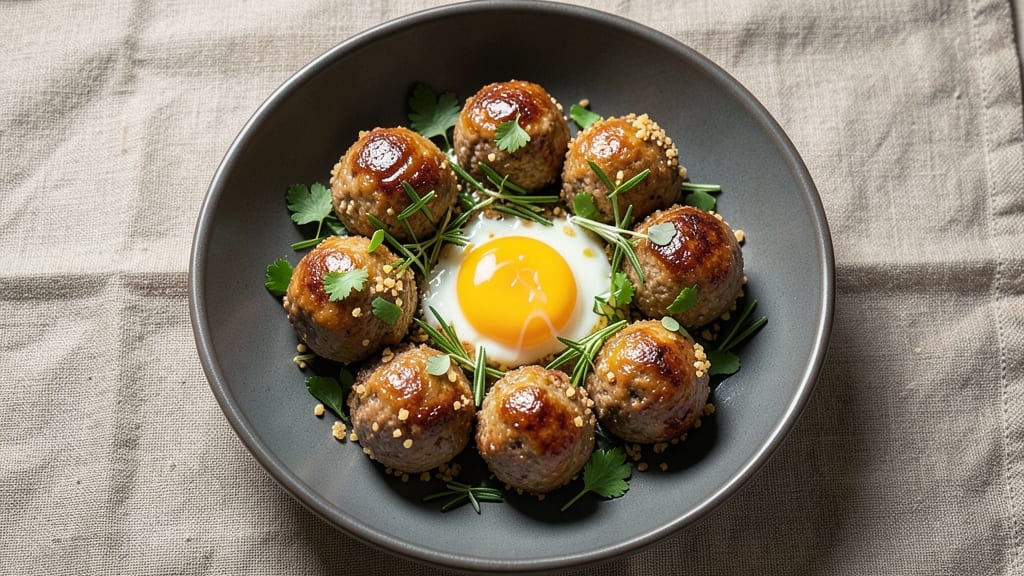
This Angus beef meatballs recipe delivers melt-in-your-mouth perfection with a herb-crusted exterior and juicy, tender centers—the kind of dish that transforms ordinary weeknights into special occasions.
The secret lies in using high-quality Angus beef, which stays rich and flavorful even after cooking, while a blend of breadcrumbs and fresh herbs creates a satisfying texture that holds up beautifully. Unlike leaner cuts, Angus beef maintains its succulence, making these meatballs worth the extra effort.
The process is straightforward but precise: finely ground beef, aromatic herbs, and just the right amount of moisture ensure each meatball forms perfectly without falling apart.
Whether you pan-fry for a crispy crust or bake for even cooking, the result is consistently restaurant-quality—bold in flavor, tender in texture, and impossible to resist. This recipe also works beautifully as an appetizer, main course, or even a hearty sandwich filling.
Pair these meatballs with a bold red wine like Cabernet Sauvignon or a malty craft beer to complement their rich, savory profile. The herb crust adds freshness that cuts through the beef's richness, while the juicy centers guarantee every bite is satisfying.
Serve with marinara sauce, garlic mashed potatoes, or a fresh garden salad for a complete meal that feels both elegant and approachable.
What sets these meatballs apart is their ability to deliver foolproof results—no guesswork, no overcooking, just consistently perfect meatballs every time. The technique is designed for home cooks who want restaurant-quality flavor without the complexity. Ready to elevate your next meal? Let’s get started.
Ingredients for angus beef meatballs
High-quality Angus beef and aromatic herbs create restaurant-quality meatballs with perfect texture and flavor.
| Ingredient | Amount | Notes |
|---|---|---|
| Angus Beef Ground 🥩 | 1 ½ lb | 80% lean, finely ground for texture |
| Fresh Parsley 🌿 | ½ cup | Finely chopped, stems removed |
| Fresh Rosemary 🌿 | ¼ cup | Finely chopped, fresh preferred |
| Fresh Thyme 🌿 | ¼ cup | Finely chopped, stems removed |
| Panko Breadcrumbs 🍞 | ¾ cup | Light and crispy for crust |
| Large Eggs 🥚 | 2 whole | Room temperature for binding |
| Garlic Cloves 🧄 | 4 cloves | Minced for aromatic depth |
| Shallots 🧅 | 2 whole | Finely minced, adds sweetness |
| Extra-Virgin Olive Oil 🫒 | ¼ cup | High-quality, fruity variety |
| Diamond Crystal Kosher Salt 🧂 | 1 ½ tsp | Fine grain for seasoning |
| Freshly Ground Black Pepper 🌶️ | 1 tsp | Cracked peppercorns preferred |
| Unsalted Butter 🧈 | 2 tbsp | For pan-frying, full-fat preferred |
| Heavy Cream 🥛 | ¼ cup | For moisture balance |
| Marinara Sauce 🍅 | 2 cups | Homemade or high-quality jarred |
The Angus beef is non-negotiable here—look for 80% lean ground beef at your butcher or specialty grocer like Whole Foods or Costco. The marbling ensures juiciness without excess fat. Fresh herbs are critical: Trader Joe's or local farmers markets carry the best parsley, rosemary, and thyme. Avoid dried herbs here—they lack the bright, fresh flavor needed to cut through the beef's richness. If using frozen herbs, thaw and pat them dry before chopping to prevent excess moisture in your meatball mixture.
No panko? Crushed cornflakes work in a pinch, though they won't be as crispy. Substituting dried herbs? Use one-third the amount of fresh—dried thyme and rosemary are acceptable, but parsley loses its vibrant flavor when dried. For extra richness, replace half the heavy cream with whole milk. The marinara sauce can be homemade (use San Marzano tomatoes for sweetness) or a high-quality jarred brand like Rao's—avoid watery, overly seasoned varieties. If pan-frying, butter creates a golden crust, but olive oil works if you prefer a lighter finish.
Form the meatballs and refrigerate for at least 30 minutes before cooking—they'll hold their shape better. Store cooked meatballs in an airtight container with a thin layer of olive oil on top to preserve moisture for up to 4 days in the fridge. For longer storage, freeze on a parchment-lined tray before transferring to a bag—this prevents clumping. Reheat gently in a skillet with a splash of beef broth or directly from frozen in the oven at 350°F for 20 minutes for best texture.
Why You'll Love This Recipe
- No-Fuss Assembly: Honestly, I swear by this recipe because it’s that simple—just toss the ground Angus with chopped herbs, a pinch of salt, and those crispy panko breadcrumbs. No marinating, no fancy binders, just roll, bake, and go.
- Herb-Packed Richness: Between us, the rosemary and thyme in these meatballs? It’s like a little burst of Mediterranean vacation in every bite. The panko gives that satisfying crunch, but the beef stays juicy—no dry, tough meatballs here.
- Weeknight to Dinner Party: I make these for lazy Tuesdays and impress guests on Sundays. They’re great with marinara for a quick pasta night, but also hold up perfectly on skewers for a summer BBQ. (Yes, even on a Tuesday night.)
- Leftovers That Don’t Suck: Here’s what sold me—these meatballs reheat like a dream. Toss them in a pan with a splash of broth, and they’re just as good the next day. Plus, the Angus stretches further than cheaper cuts, so your wallet thanks you too.
Step-by-Step instructions for herb-crusted Angus beef meatballs
These meatballs deliver restaurant-quality juiciness with a fragrant herb crust every time.
Prepare the Herb Mixture and Bind Ingredients
In a medium bowl, combine the 0.5 cup fresh parsley, 0.25 cup fresh rosemary, and 0.25 cup fresh thyme. Use a sharp chef's knife to chop all herbs into an even, fine texture—this ensures even distribution throughout the meatballs. Add the 0.75 cup panko breadcrumbs and mix thoroughly with a fork to create a uniform herb-breadcrumb blend.
In a separate bowl, whisk together the 2 whole large eggs until fully combined. Add the 2 whole shallots (finely minced) and 4 cloves garlic (minced), then stir in the 1.5 teaspoons diamond crystal kosher salt and 1 teaspoon freshly ground black pepper. This pre-mixed seasoning ensures every bite has balanced flavor without overpowering the delicate Angus beef.
Combine Ingredients for Maximum Juiciness
In a large mixing bowl, gently combine the 1.5 lb angus beef ground with the herb-breadcrumb mixture from Step 1. Using your hands, work the beef and breadcrumbs together just until incorporated—overmixing develops gluten and makes the meatballs tough. Add the egg mixture and mix gently, being careful not to overwork the meat.
Here's the secret: I press the mixture lightly in the bowl to test its cohesion. If it holds together when pressed but doesn't stick to your fingers, it's ready. If it crumbles excessively, add 1 tablespoon extra panko breadcrumbs at a time until it forms a firm but tender mass. The goal is a texture that's moist enough to stay juicy when cooked but firm enough to hold its shape.
Form and Sear the Meatballs
Using a kitchen scale or measuring spoon, portion the mixture into 16 equal 1.5-ounce meatballs (about 1 tablespoon each). Roll them gently between your palms to create smooth, round shapes—don't press too hard or they'll flatten. Arrange them on a parchment-lined baking sheet and refrigerate for 15 minutes to firm up slightly before cooking.
Heat a large skillet over medium-high heat and add 2 tablespoons unsalted butter and 0.25 cup extra-virgin olive oil. Once the butter foams and the oil shimmers (about 1 minute), carefully add the meatballs in a single layer. Cook undisturbed for 3-4 minutes until they develop a deep golden-brown crust on all sides. You'll know they're ready when they release easily from the pan—this indicates they've formed a proper sear that locks in juices.
Simmer in Creamy Marinara Sauce
Transfer the seared meatballs to a large Dutch oven or deep skillet. Pour in the 2 cups marinara sauce and bring to a gentle simmer over medium-low heat. Stir occasionally to coat the meatballs evenly in the sauce. After 5 minutes, reduce heat to low and add the 0.25 cup heavy cream, stirring gently to combine.
Cover and simmer for 15-20 minutes, stirring occasionally, until the meatballs reach an internal temperature of 160°F and the sauce thickens slightly. The cream will create a velvety finish while maintaining the meatballs' juiciness. Taste the sauce and adjust seasoning with additional salt or pepper if needed—Angus beef is naturally flavorful, but the herbs and marinara may need balancing.
Rest and Serve for Perfect Texture
Remove the meatballs from the sauce and transfer them to a serving platter. Tent loosely with aluminum foil and let rest for 5 minutes before serving. This resting period allows the juices to redistribute, ensuring each bite remains moist and flavorful. Ladle the creamy marinara sauce over the top and serve immediately with crusty bread or over your choice of pasta.
The result should be meatballs with a crisp exterior, a fragrant herb-infused crust, and a juicy, tender center that practically melts in your mouth. The cream-enriched marinara adds a luxurious finish that elevates these beyond ordinary beef meatballs—this is the kind of dish that makes your guests ask for the recipe.
Pro Tips For Making Angus Beef Meatballs
- CHILL THE MEAT FIRST: I learned this the hard way—skip it, and your meatballs turn out dense and greasy. Pat the angus beef cold from the fridge, then let it sit in the bowl for 10 minutes before mixing. The fat redistributes, and the texture stays juicy instead of rubbery.
- TOSS HERBS IN OIL: Fresh rosemary and thyme lose their punch when just chopped. Pulse them briefly in a food processor with a splash of olive oil, then mix into the meatballs. This coats the leaves so they release flavor during cooking instead of floating away—no more bland bites.
- DON’T OVERWORK THE MIX: After a few batches, I finally stopped kneading the meat like dough. Once the panko and herbs are folded in, just gently combine with your hands—overmixing heats the fat and makes the meatballs tough. Two turns per meatball is enough.
- SEAR IN BATCHES: Crowd the pan, and you’ll steam the meatballs instead of browning them. Use a nonstick skillet and cook them in a single layer over medium-high heat, turning once. If you’re making a big batch, work in two rounds—golden crusts make all the difference.
Dietary considerations for this angus beef meatballs
Gluten-Free Adaptation
For gluten-free diners, replace the panko breadcrumbs with 1 cup gluten-free breadcrumbs or almond flour for binding. I recommend Bob’s Red Mill 1:1 Gluten-Free Breadcrumb—it mimics the texture of regular panko while staying crispy.
Add 1 tablespoon cornstarch to the mixture to help absorb moisture and prevent crumbling. The meatballs will still hold together beautifully, though they may be slightly denser. 🥗
Dairy-Free Options
Skip the heavy cream in the sauce and substitute with ½ cup full-fat coconut milk for richness. Use 2 tablespoons dairy-free butter (like Miyoko’s) when searing to avoid cross-contamination.
The coconut milk adds a subtle sweetness that complements the herbs perfectly. For extra creaminess, blend ¼ cup silken tofu into the marinara sauce before simmering.
Low-Carb Version
Cut out the breadcrumbs entirely and use 1 cup finely ground pork rinds (like Schar’s) as a binder. These rinds add zero carbs while providing structure. Reduce the heavy cream to 2 tablespoons and replace the rest with unsweetened almond milk to keep the dish keto-friendly.
The meatballs stay tender and flavorful without the starches.
Allergen-Friendly Swaps
For nut allergies, omit almond flour and use 1 cup crushed gluten-free cornflakes instead of panko. If avoiding eggs, replace them with 2 tablespoons ground flaxseed mixed with 3 tablespoons water (let sit for 5 minutes to thicken).
For a soy-free option, ensure your marinara sauce contains no soy-based additives—Rao’s Soy-Free Marinara is a great choice.
Protein-Packed Boost
Add ¼ cup finely chopped mushrooms (like cremini) to the meatball mixture for extra umami and moisture. For high-protein diets, include 2 tablespoons nutritional yeast (for a cheesy flavor) or 1 scoop unflavored whey protein powder (mix into the egg mixture).
These additions keep the meatballs dense and satisfying without altering the texture significantly. 💪
Nutrition facts
Frequently asked questions
Why does Angus beef make better meatballs than regular ground beef?
Angus beef's higher fat content (about 20-25%) creates juicier meatballs that stay tender even after cooking. The marbling also adds rich flavor, while its fine texture blends smoothly without developing gluten when mixed. Regular ground beef (often 85% lean) can dry out more easily and lacks the same depth of flavor.
Can I make these meatballs ahead of time?
Form the meatballs and refrigerate them on a tray for up to 24 hours before cooking. For longer storage, freeze uncooked meatballs for 3 months. Cook from frozen by adding 5-7 minutes to the simmering time. The flavor actually improves slightly after resting overnight in the fridge.
What's the best way to prevent meatballs from falling apart?
Don't overmix the ingredients—just combine until barely incorporated. Use panko breadcrumbs (not regular) for better structure, and add 1 tablespoon extra breadcrumbs if the mixture feels too wet. Chill the formed meatballs for 15 minutes before cooking to help them hold their shape. Pan-searing first creates a crust that locks in moisture.
Can I use these meatballs in pasta dishes?
Yes! These meatballs work perfectly with any pasta shape. For a quick meal, toss them with fettuccine and the creamy marinara sauce. For extra richness, add ½ cup grated Parmesan to the sauce at the end. The herb crust adds freshness that cuts through the richness of the beef and pasta.
How do I reheat leftover meatballs?
For best texture, reheat in a skillet over medium-low heat with 1 tablespoon butter or olive oil until warmed through (3-4 minutes). Avoid microwaving—they'll get rubbery. For sauce-coated meatballs, warm the sauce separately and toss them together at the end. If reheating from frozen, bake at 350°F for 20 minutes with a splash of broth.