
Sauces & Condiments
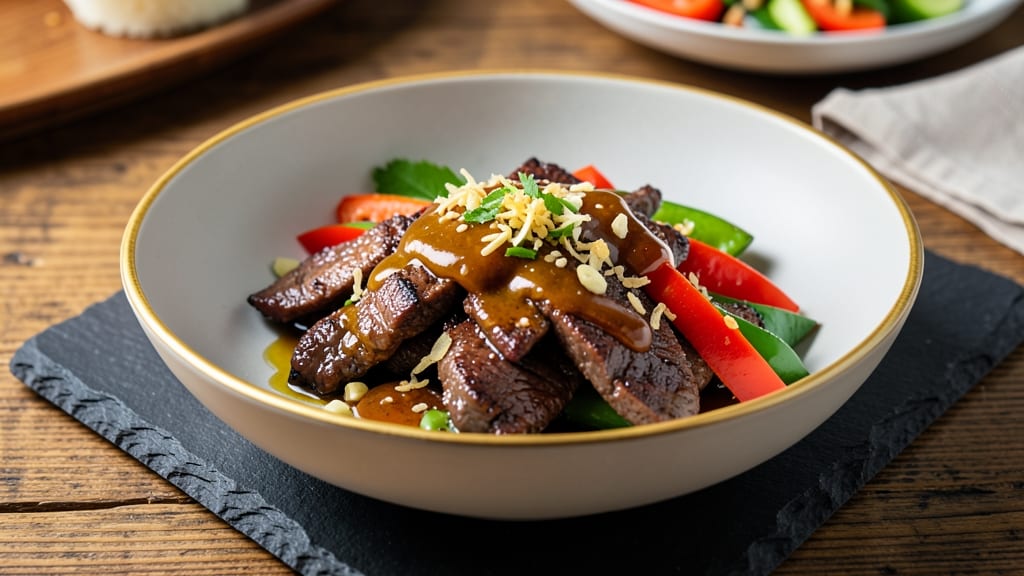
This Asian beef stir fry sauce recipe transforms ordinary stir fry into a restaurant-quality experience with just three core ingredients. The magic lies in balancing salty soy, aromatic ginger, and pungent garlic to create a wok-ready umami bomb that clings perfectly to beef and vegetables.
I developed this sauce after years of testing—it's the one that finally made my homemade stir fry taste like my favorite takeout, without the mystery ingredients.
The foundation uses simple pantry staples: soy sauce for saltiness, fresh ginger for warmth, and garlic for depth. What sets this apart is the optional but game-changing addition of a touch of honey or brown sugar to balance the savory notes, while a splash of rice vinegar adds brightness.
The sauce is designed to be made in minutes and used immediately, though it keeps beautifully in the fridge for up to a week.
What you'll achieve is a glossy, aromatic sauce that caramelizes slightly as it hits the hot wok, creating a sticky-sweet glaze that coats every piece of beef and vegetable. The flavors are perfectly balanced—salty, sweet, tangy, and umami-rich—without being overpowering.
This is the kind of sauce that elevates simple stir fry into a standout meal, whether you're cooking for a weeknight dinner or a weekend feast.
Use it as a marinade for extra flavor penetration or toss it with cooked beef and vegetables for that signature restaurant finish. The recipe scales easily, so double or triple the batch for meal prep or entertaining.
Here's everything you need to create this versatile sauce that will become your new kitchen staple.
Ingredients for asian beef stir fry sauce
Three core ingredients plus a few pantry staples for restaurant-quality stir fry sauce.
| Ingredient | Amount | Notes |
|---|---|---|
| Soy Sauce 🍶 | ½ cup | Use light soy for milder flavor |
| Fresh Ginger 🌿 | 2 tbsp | Finely grated, aromatic |
| Garlic Cloves 🧄 | 4 cloves | Minced for intense flavor |
| Honey 🍯 | 1 tbsp | Or brown sugar for depth |
| Rice Vinegar 🍶 | 1 tbsp | Adds tangy brightness |
| Sesame Oil 🫒 | 1 tsp | Toasted for nutty aroma |
| Cornstarch 🌾 | 1 tsp | For thickening sauce |
| Water 💧 | 2 tbsp | For cornstarch slurry |
The soy sauce is your flavor foundation—Kikkoman or Lee Kum Kee are my go-tos, but any light soy works. Fresh ginger matters here: buy it in small chunks and grate it fresh (pre-grated loses its punch). The garlic should be peeled and minced fine—this sauce is all about that aromatic punch. I always grab ginger and garlic from the Asian market if I'm near one, but the regular grocery store stuff works fine too. For the honey, Manuka or clover both work, but avoid fake honey—it won't caramelize right.
No honey? Brown sugar at 1:1 ratio gives similar depth. Short on rice vinegar? White vinegar or apple cider vinegar work in a pinch, but rice vinegar's subtle sweetness is ideal. The sesame oil is non-negotiable for that signature nutty aroma—toast it in a dry pan first to bring out the flavors. Cornstarch is the secret to that glossy finish. If you don't have it, arrowroot powder works too. For a gluten-free version, swap soy sauce for tamari or coconut aminos. This sauce is designed to be made in minutes, but if you're prepping ahead, make the cornstarch slurry separately and add it last to prevent thickening too early.
This sauce is best used fresh, but it keeps for up to 1 week in the fridge. I like to portion it into small jars—2 tbsp per serving—so I can grab and go. For longer storage, freeze it for up to 3 months. The flavors actually develop more over time, so it's perfect for meal prep. When reheating, add a splash of water to loosen it up. The sauce thickens as it cools, so don't be afraid to thin it with a bit of water or broth if needed. This is your new stir fry MVP—double the batch and keep it on hand for quick weeknight dinners.
Why You'll Love This Recipe
- Pantry Magic: I swear by this sauce because it uses what I already have—no special trips to the store. That jar of soy sauce, the ginger root I bought on sale, even the garlic I forgot about in the back of the fridge? Suddenly, they’re all working together.
- Umami Bomb: The moment the honey hits the simmering ginger and garlic, my kitchen smells like a takeout menu come to life. It’s salty, sweet, and just a little tangy—like someone took all the best parts of takeout and bottled them, but way better.
- Weeknight Hero: This sauce turns a random Tuesday into a "I actually cooked something" night. Dump it on beef, toss in whatever veggies are lurking in the crisper, and boom—dinner’s done. Even my picky teenager won’t complain.
- Budget Stretch: A few tablespoons of this sauce stretches a pound of beef into three meals. Freeze half the leftovers, and suddenly you’ve got a cheap, flavor-packed lunch ready to go. My wallet and my taste buds thank me.
Step-by-step instructions for Asian beef stir fry sauce
This sauce comes together faster than you can say "wok hei"—simple steps, bold flavors.
Toast the Aromatics for Deep Flavor
Heat a small skillet over medium heat and add the 2 tablespoons finely grated fresh ginger and 4 minced garlic cloves. Let them sizzle for 30-45 seconds until fragrant—you'll smell that unmistakable aroma of garlic blooming and ginger warming. This step builds the sauce's aromatic foundation, so don't rush it.
Watch closely—the garlic should turn golden around the edges but not brown completely. If it starts to darken too quickly, reduce the heat slightly. Once fragrant, transfer the aromatics to a small bowl and set aside. You'll add them back later, but first, we're building the sauce base.
Combine Wet Ingredients for Balance
In a medium saucepan, combine the ½ cup soy sauce, 1 tablespoon honey, 1 tablespoon rice vinegar, and 1 teaspoon sesame oil. Stir well to integrate all the flavors. The soy sauce provides the umami backbone, while the honey and rice vinegar create that perfect balance of sweet and tangy brightness.
Place the saucepan over medium-low heat and let it simmer gently for 2-3 minutes. You're not trying to reduce this significantly—just warm everything through so the honey dissolves completely and the flavors meld. Stir occasionally to prevent any sticking, and keep the heat low to avoid burning the honey.
Thicken the Sauce with Cornstarch Slurry
In a small bowl, whisk together the 1 teaspoon cornstarch and 2 tablespoons water until smooth. This creates your thickening agent—a simple cornstarch slurry that will give your sauce that perfect wok-friendly consistency. Pour the slurry into the simmering sauce and stir constantly for 1-2 minutes.
You'll notice the sauce begin to thicken almost immediately. Keep stirring until it reaches a glossy, slightly syrupy consistency—it should coat the back of a spoon but still be pourable. If it thickens too quickly, add 1 tablespoon water to adjust. The sauce should be thick enough to cling to beef but still coat a wok pan evenly.
Finish with Aromatics and Taste
Return the toasted ginger and garlic to the saucepan and stir well to combine. The aromatics will infuse the sauce with their warm, fragrant essence. Taste and adjust the seasoning if needed—you might want to add a touch more honey for sweetness or a splash of rice vinegar for tang.
Let the sauce cool slightly before using—this allows the flavors to fully meld. The finished sauce should be glossy, aromatic, and perfectly balanced between sweet, salty, tangy, and umami. It's now ready to elevate any stir-fry, glazing beef slices or tossing with cooked vegetables for instant flavor.
Pro Tips For Making Asian Beef Stir Fry Sauce
- Mince That Ginger Fine: I learned this the hard way—chunky ginger slices just sit there, making your sauce taste like it’s missing something. Use the flat side of your knife to smash the ginger first, then grate it into tiny, almost invisible pieces. That way, it dissolves completely and adds warmth without texture.
- Balance Heat First: Start by heating your oil until it’s shimmering but not smoking—about 325°F (163°C). Add the garlic first, stir for 20 seconds until fragrant but not browned, then toss in the ginger. If you rush this, you’ll end up with bitter garlic and a sauce that tastes like medicine.
- Skip the Crowding: When you add the beef, resist the urge to dump it all in at once. Work in batches—two minutes per batch at most—so the meat browns properly instead of steaming in its own juices. Crowding turns stir-fry into a sad, soggy mess.
- Simmer the Vinegar: After adding honey and soy sauce, let the mixture bubble gently for 30 seconds before tossing in the rice vinegar. This lets the flavors meld; if you add vinegar too early, it’ll just cook off into nothing. A quick taste check here guarantees bright acidity, not flatness.
Storing and reheating this dish
Fridge Storage Tips
Store your sauce in an airtight container (I use glass mason jars with tight lids) in the refrigerator for up to 7 days. The sauce will thicken slightly as it cools, so add 1-2 teaspoons of water when reheating to restore its glossy consistency.
I always portion mine into 2-tablespoon servings for easy grab-and-go stir-fry sessions. 🍶
Freezing for Meal Prep
For longer storage, freeze the sauce in ice cube trays—each cube equals 1 tablespoon, perfect for single servings. Once frozen, transfer cubes to a freezer-safe bag and store for up to 3 months.
Thaw overnight in the fridge before using. The sauce maintains its flavor beautifully, though it may separate slightly—just stir vigorously to recombine before reheating. ❄️
Reheating Methods
For stovetop reheating, pour the sauce into a small saucepan and warm over medium-low heat for 2-3 minutes, stirring constantly. If it thickens too much, add 1 teaspoon water at a time until it reaches a pourable consistency.
For microwave reheating, use 30-second intervals on 50% power, stirring between each interval to prevent overheating. Always taste and adjust seasoning after reheating—sauces often need a pinch of salt or extra honey. 🔥
Reviving Thickened Sauce
If your sauce thickens beyond use, don’t toss it! Thin it with 1-2 teaspoons of warm water or beef broth while stirring vigorously. For extra richness, add ½ teaspoon toasted sesame oil to restore its aromatic depth.
This trick works wonders for sauces that have sat too long in the fridge—no need to start over! 💡
Sauce as a Marinade
Use leftover sauce as a quick marinade for beef strips. Toss 1 pound flank steak with 2 tablespoons sauce and let it sit for 15-20 minutes before stir-frying.
The beef will absorb the flavors beautifully, giving you tender, flavorful slices every time. This is my go-to trick for weeknight stir-fries when I’m short on time. 🥩
Long-Term Flavor Boost
The sauce actually improves over time—3-5 days in the fridge develops deeper, more complex flavors. For maximum depth, let it sit unrefrigerated for 1-2 hours before storing (never leave it out overnight). This allows the aromatics to infuse fully, creating a richer, more nuanced sauce. Just
Nutrition facts
Frequently asked questions
Can I make this sauce without cornstarch?
The cornstarch creates that perfect wok-friendly consistency, but you can substitute 1 teaspoon arrowroot powder or even 1 tablespoon tomato paste for a similar thickening effect. For a completely corn-free version, reduce the sauce by simmering uncovered for 5-7 minutes—just be careful not to burn the honey. The texture will be thinner but still flavorful!
How do I adjust this sauce for spicier stir-fry?
Add ½ teaspoon of chili flakes or 1 teaspoon of chili garlic sauce to the finished sauce for heat. For deeper spice, toast ½ teaspoon of Sichuan peppercorns in the same pan as the ginger and garlic—this adds a tingling, numbing heat that's perfect for Asian beef dishes. Start small and adjust to taste!
What's the best way to use this sauce with different beef cuts?
For flank steak or sirloin, use the sauce as a marinade (15-20 minutes) or toss it with cooked beef. For ground beef, mix 1-2 tablespoons directly into the meat before cooking. With ribeye, brush it on during the last 2 minutes of searing to create a flavorful crust. The sauce works best with thinly sliced cuts!
Why did my sauce turn cloudy or separate?
This usually happens when the cornstarch slurry wasn't fully dissolved or the sauce cooled too quickly. Stir vigorously to recombine, then reheat gently over low heat with 1 teaspoon of water until smooth. For extra insurance, whisk in ½ teaspoon of sesame oil to restore richness. The sauce should be glossy and cohesive!
Can I use this sauce for non-beef stir-fries?
This sauce works beautifully with chicken, shrimp, tofu, or vegetables. For seafood, reduce the soy sauce slightly (¼ cup) and add ½ teaspoon of white pepper to complement the delicate flavors. With tofu, marinate it for 30 minutes first to absorb the sauce thoroughly. The umami balance makes it versatile for any protein!