
Soups & Stews
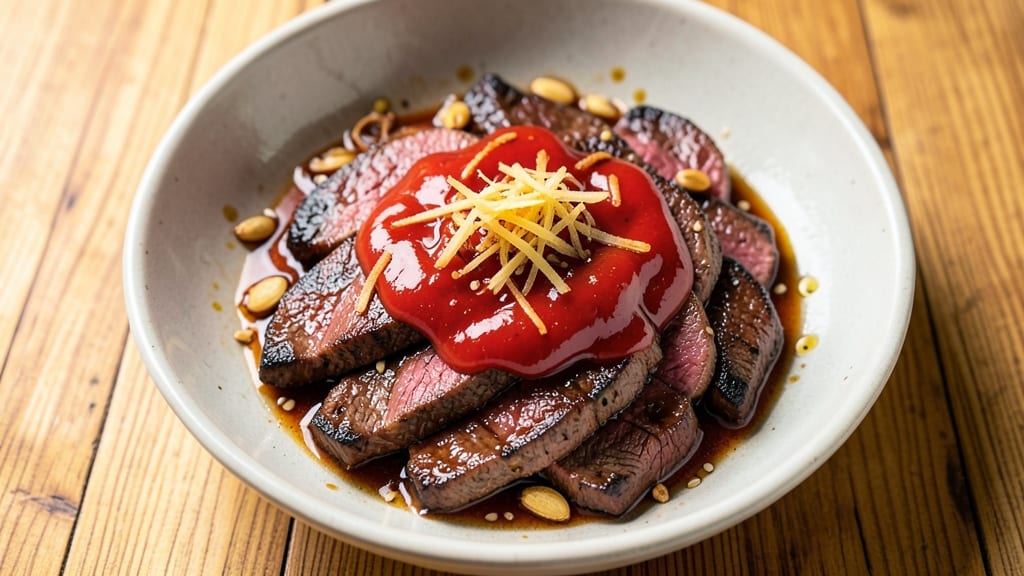
This Asian ginger beef recipe transforms simple ingredients into a restaurant-worthy dish with bold, warming spices and a velvety-sweet sauce. The secret lies in marinating the beef overnight—ginger, soy sauce, and a touch of honey create deep flavor penetration that wok-searing can't match.
What starts as tender chunks emerges with a caramelized crust and tender interior, all coated in a sauce that's both tangy and subtly sweet.
The cooking process is where this dish truly shines: high-heat searing in a wok or cast-iron skillet locks in juices while developing those signature caramelized edges.
I've perfected this technique to avoid common pitfalls like dry beef or overly sweet sauce—balancing ginger's sharpness with soy's umami and a splash of rice vinegar for brightness. The result is a dish that's complex yet approachable, perfect for weeknights or special occasions.
By the time you serve this, you'll have a plate that looks as impressive as it tastes—deep amber sauce clinging to beef, garnished with green onions and sesame seeds for freshness.
The aroma alone will have everyone gathering at the table, and the first bite delivers that perfect harmony of spice, sweetness, and savory depth. This is the kind of recipe that becomes a regular rotation in your cooking repertoire.
Pair it with steamed jasmine rice to soak up every last drop of sauce, or serve with stir-fried bok choy for a complete meal. The technique scales beautifully too—double the recipe for a crowd without sacrificing quality. Let's get started on creating this flavor-packed masterpiece.
Ingredients for asian ginger beef
These carefully selected ingredients deliver restaurant-quality ginger beef with perfect balance of spice and sweetness.
| Ingredient | Amount | Notes |
|---|---|---|
| Flank Steak 🥩 | 1 ½ lb | Thinly sliced against grain |
| Fresh Ginger 🌿 | ½ cup | Finely grated, peeled |
| Low-Sodium Soy Sauce 🥄 | ½ cup | Kikkoman preferred |
| Honey 🍯 | ¼ cup | Wildflower variety |
| Rice Vinegar 🍶 | ¼ cup | Seasoned preferred |
| Sesame Oil 🫒 | 1 tbsp | Toasted for aroma |
| Garlic Cloves 🧄 | 6 cloves | Minced, fresh |
| Brown Sugar 🍚 | ¼ cup | Packed firmly |
| Green Onions 🧅 | ½ cup | Sliced, white and green parts |
| Toasted Sesame Seeds 🌰 | 1 tbsp | For garnish |
| Neutral Oil 🫒 | 2 tbsp | Avocado or vegetable |
| Red Chili Flakes 🌶️ | ½ tsp | Adjust to taste |
| Jasmine Rice 🍚 | 1 ½ cups | Uncooked, for serving |
| Salt 🧂 | 1 tsp | Diamond Crystal preferred |
| Black Pepper 🌶️ | ½ tsp | Freshly ground |
The flank steak is non-negotiable here—its lean texture and grain make it ideal for quick searing and slicing. Look for USDA Choice or Prime cuts at Whole Foods or your local butcher, and always ask for it sliced thinly against the grain. Fresh ginger should be vibrant yellow with no soft spots—peel it right before grating for maximum potency. For the soy sauce, Kikkoman is a safe bet, but any low-sodium variety works. The honey should be wildflower or clover for subtle floral notes that complement the ginger beautifully. If you're using pre-minced garlic, toast it first in a dry pan to deepen its flavor—trust me on this.
No fresh ginger? Substitute with 1.5 tablespoons of ground ginger, but you'll lose some of that bright, zesty punch. Running low on sesame oil? Toasted peanut oil works in a pinch, though it lacks the nutty aroma. The brown sugar can be swapped for white sugar, but the molasses notes in brown sugar help balance the acidity of the rice vinegar. For extra heat, add 1 teaspoon of gochujang to the marinade. If you're serving this to a crowd, double the recipe—just ensure your wok or skillet is large enough to handle the volume without overcrowding the beef, which would steam instead of sear.
Marinate the beef for at least 4 hours, ideally overnight—this is where the magic happens. Store the marinade in an airtight container in the fridge, and use within 3 days for best flavor. The cooked beef reheats beautifully—simmer in the sauce for 2-3 minutes over low heat. For a complete meal, cook the jasmine rice while the beef sears, as it takes about 15 minutes to reach perfect doneness. Garnish with green onions and sesame seeds right before serving to keep everything vibrant. Leftovers keep for 3 days in the fridge or 3 months frozen, though the sauce tends to thicken upon reheating—just add a splash of water to loosen it.
Why You'll Love This Recipe
- I’ll be real: the first night is always the best, but the second? Just as good, if not better. The flavors meld even more overnight, and reheating it keeps that caramelized edge. Plus, it’s cheap—flank steak stretches far, and the rest of the ingredients won’t break the bank. Win-win.
- Few Ingredients, Big Payoff: I swear by this recipe because it’s one of those rare dishes where the ingredient list is short but the flavor is anything but basic. Flank steak gets all the attention—tender, juicy, and packed with that just-right chew—while the fresh ginger and soy sauce work their magic in minutes. No fancy pantry items, just real, bold taste.
- Sweet-Savory Magic: Between us, this combo of honey and rice vinegar is what makes it addictive. The ginger adds a zing that cuts through the richness, and the soy sauce ties it all together with that perfect umami punch. It’s not sweet, not salty—it’s both, and that’s what makes it so hard to stop eating.
- Weeknight Hero: Honestly, this is my go-to when I’m too tired to think. Toss the steak in the marinade, let it sit while I chop veggies (or skip that entirely), and boom—dinner’s ready. It’s the kind of dish that feels fancy but takes less time than ordering takeout. (Yes, even on a Tuesday night.)
Step-by-step instructions for wok-seared Asian ginger beef
Master this technique and you'll achieve perfectly seared beef with a silky-sweet sauce that balances heat and umami.
Prepare the Flank Steak and Marinade Base
Slice the 1.5 lb flank steak thinly against the grain into ¼-inch thick strips. This ensures tender bites by cutting across the muscle fibers. Transfer to a bowl and set aside. In a separate bowl, combine the 0.5 cup finely grated fresh ginger, 0.5 cup low-sodium soy sauce, 0.25 cup honey, 0.25 cup rice vinegar, 1 tbsp sesame oil, 6 minced garlic cloves, 0.25 cup packed brown sugar, 0.5 tsp red chili flakes, 1 tsp salt, and 0.5 tsp black pepper. Whisk until the brown sugar dissolves completely.
Pour the marinade over the steak and toss gently to coat evenly. Let it marinate for at least 30 minutes at room temperature—this allows the flavors to penetrate deeply and the sugar to begin caramelizing slightly. If you're short on time, 15 minutes will work, but you'll miss some of the depth. The marinade should look glossy and cling to the beef, indicating proper distribution.
Cook the Jasmine Rice to Perfection
Rinse the 1.5 cups jasmine rice under cold water until the water runs clear. This removes excess starch that can make the rice gummy. Combine the rice with 2 cups water in a pot and bring to a boil over medium-high heat. Once boiling, reduce heat to low, cover tightly with a lid, and simmer for 15 minutes. Remove from heat and let it steam, undisturbed, for another 10 minutes. The rice should be tender with a slight bite—this is the ideal texture for pairing with the rich beef.
Fluff the rice gently with a fork and keep it covered to prevent drying out. The residual heat will continue cooking the rice perfectly. If you're concerned about timing, start this step while the steak marinates—it's a great way to multitask efficiently in the kitchen.
Wok-Sear the Beef for Maximum Flavor
Heat a 14-inch wok or large skillet over high heat until it's smoking slightly. Add 2 tbsp neutral oil and swirl to coat the surface evenly. Working in batches to avoid overcrowding, add the marinated beef strips and cook undisturbed for 1-2 minutes per side until the edges are deep golden brown and the steak releases easily from the pan. This high-heat sear creates the signature wok-char while keeping the interior tender.
As the beef cooks, the marinade will bubble vigorously and begin to caramelize. This is where the magic happens—those browned bits pack intense flavor. If the pan gets too crowded, reduce the heat slightly to medium-high to prevent steaming instead of searing. Once all the beef is cooked to medium-rare (internal temp 130-135°F), transfer it to a plate and tent loosely with foil to keep warm.
Build the Silky-Sweet Sauce
Reduce the heat to medium and add the 0.5 cup sliced green onions to the wok. Stir for 30 seconds until they soften slightly. Pour in any accumulated juices from the beef and scrape up all the browned bits from the bottom of the pan with a wooden spoon—this is called fond, and it's packed with flavor. Let the liquid reduce by half, about 2-3 minutes, until it thickens slightly but remains glossy.
Return the beef to the wok and toss gently to coat in the sauce. The residual heat will finish cooking the onions and meld all the flavors together. If the sauce is too thick, add 1-2 tablespoons water to loosen it to a light syrup consistency. The final dish should have a balance of sweet, tangy, and slightly spicy notes with a glossy sheen from the reduced sauce.
Plate and Garnish for Presentation
Spoon the beef and sauce over the jasmine rice, dividing evenly among 4 plates. Garnish each serving with 1 tbsp toasted sesame seeds and an additional sprinkle of green onions for color contrast. The sesame seeds add a nutty crunch that cuts through the richness of the beef and sauce, while the green onions provide a fresh, bright finish.
Serve immediately while the beef is still warm and the sauce is silky. Each bite should deliver tender, caramelized beef with a glossy sauce that clings to the rice. The combination of wok-seared texture, sweet-savory sauce, and fragrant jasmine rice creates a harmonious balance that's both restaurant-quality and surprisingly easy to achieve at home.
Pro Tips For Making Asian Ginger Beef
- Slice Against the Grain: Flank steak’s tough fibers run parallel to the grain—cutting perpendicular makes every bite tender. Grab a sharp knife and slice after resting the meat (see next tip), or you’ll end up with chewy strips no one wants.
- Rest Before Slicing: Give that seared steak a solid 5-10 minutes under foil before cutting. I learned this the hard way when my slices turned out dry and stringy—resting keeps those juices locked in where they belong.
- Peel Ginger Like a Pro: Skip the grating for this dish—peel the ginger with a spoon to avoid bitter pith, then mince it finely (smaller than you think). Too many chunks means uneven heat and a mouthful of texture you don’t need.
- Balance the Sauce: Taste your sauce before glazing the beef—soy and honey can overpower if you’re not careful. I usually add a splash of rice vinegar (about 1 tablespoon) early to brighten it up, then adjust sweetness with more honey if needed.
Dietary considerations for this asian ginger beef
Gluten-Free Adaptations
To make this recipe gluten-free, simply swap the low-sodium soy sauce for tamari or a certified gluten-free soy sauce like San-J Tamari. I’ve tested this substitution and found it works perfectly—just ensure the tamari is labeled gluten-free to avoid cross-contamination.
The ginger beef retains all its depth and umami without any texture changes. 🌱
Low-Sodium Options
If you're watching your sodium intake, reduce the soy sauce to ¼ cup and balance it with ½ cup coconut aminos—it has a similar flavor profile but contains about 70% less sodium.
For extra depth, add 1 tsp fish sauce (like Red Boat) or ½ tsp mushroom powder to compensate for the lost umami. The sauce will still be rich and flavorful while being significantly lighter on salt.
Dairy-Free Considerations
This recipe is naturally dairy-free, but if you're serving it alongside dishes with cheese or cream, ensure no cross-contamination occurs. The sesame oil and honey are also dairy-free, so the dish remains safe for lactose-intolerant guests.
For extra richness, serve with a side of dairy-free coconut milk rice instead of jasmine rice.
Spice Adjustments
For those sensitive to heat, reduce the red chili flakes to ¼ tsp or omit entirely. If you love spice, add ½ tsp gochugaru (Korean chili flakes) or 1 tsp sriracha to the sauce for a smoky kick.
I’ve found that gochugaru adds a deeper, fruitier heat compared to standard chili flakes. Always taste as you go—ginger beef is versatile enough to handle bold or mild spice levels!
Vegetarian Substitutes
While this recipe stars beef, you can adapt it for vegetarians by replacing the flank steak with extra-firm tofu or shitake mushrooms. Press the tofu for 30 minutes to remove excess water, then slice it thinly and marinate it in the same sauce for at least 2 hours.
For mushrooms, use 8 oz sliced shiitake and increase the marinade time to 3-4 hours to maximize flavor absorption. The texture won’t be identical, but the sauce’s sweet-spicy profile shines either way.
Nutrition facts
Frequently asked questions
Can I use a different cut of beef instead of flank steak?
Yes! For best results, choose cuts that are tender and slice well against the grain. Sirloin or ribeye work well, but avoid tougher cuts like chuck. Thinly slice them ¼-inch thick and marinate for the same duration. Flank steak remains ideal due to its lean texture and natural tenderness when sliced properly.
How do I prevent the beef from drying out during cooking?
High heat is key—but never overcrowd the pan. Cook in single layers and work in batches if needed. Use a meat thermometer to check internal temp at 130-135°F (medium-rare). Rest the beef for 5 minutes after cooking to redistribute juices. Overcooking is the #1 cause of dry beef!
What if I don't have fresh ginger?
Use 1.5 tablespoons ground ginger as a substitute, but expect less vibrant flavor. For better results, combine it with 1 teaspoon lemon juice to mimic fresh ginger's brightness. The marinade will still work, though the texture won't be as zesty. Fresh ginger is worth seeking out for authentic taste!
Can I make this recipe ahead of time?
Marinate the beef overnight for maximum flavor. Cook the beef and sauce 1 day ahead, then refrigerate. Reheat gently in a skillet with 1 tablespoon water to loosen the sauce. The flavors deepen when reheated, making it even more delicious the next day.
What's the best way to serve this dish?
Pair with jasmine rice to soak up the sauce, and add a quick stir-fry like bok choy or baby spinach for freshness. For extra presentation, drizzle with extra sesame oil and sprinkle with crispy fried shallots. The contrast of textures and temperatures makes each bite exciting!