
Main Courses
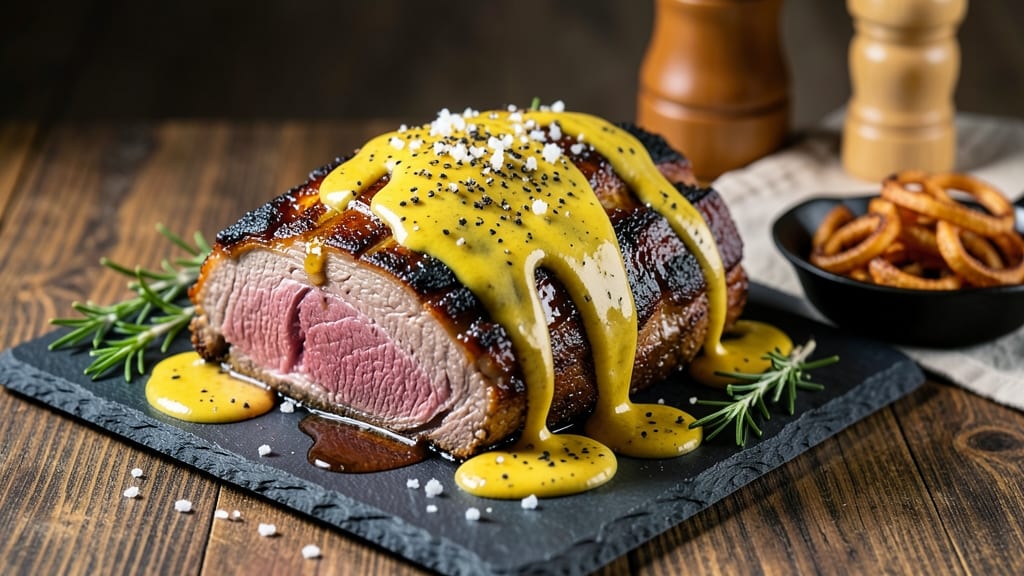
This Atlanta beef brisket recipe delivers the deep, smoky flavor and tender texture that defines Texas-style BBQ. The secret lies in a carefully balanced dry rub that creates a dark, crackling bark while keeping the meat juicy inside.
I've perfected this method over years of experimentation, ensuring every bite delivers that perfect combination of smoky, spiced, and tender beef that makes brisket night a must.
The process begins with a flavorful dry rub made from simple pantry staples—coarse salt, black pepper, smoked paprika, and brown sugar—that forms a crusty exterior while infusing the meat with rich, savory notes.
Slow-smoking the brisket at 225°F for several hours allows the connective tissue to break down, resulting in fork-tender beef that practically melts in your mouth. This method transforms tough cuts into something extraordinary, making it ideal for gatherings or special occasions.
What sets this recipe apart is the attention to detail in every step—from properly trimming the fat cap to achieving the perfect internal temperature of 195°F before resting. The result is a brisket that's juicy, flavorful, and ready to be sliced against the grain for maximum tenderness.
Serve it with classic sides like collard greens or cornbread to complete the meal.
Whether you're a seasoned pitmaster or a home cook looking to master brisket, this recipe provides the confidence and technique you need. The process is straightforward, but the results are undeniably impressive, making it a standout dish for any BBQ enthusiast.
Ingredients for atlanta beef brisket
Sixteen ingredients transform tough brisket into smoky, tender perfection—Texas-style tradition with modern precision.
| Ingredient | Amount | Notes |
|---|---|---|
| Beef Brisket (Packer Cut) 🥩 | 8 lb | Whole packer cut with fat cap intact |
| Yellow Mustard 🍯 | ½ cup | For fat cap application (Dijon works too) |
| Coarse Kosher Salt 🧂 | ½ cup | Diamond Crystal preferred for texture |
| Freshly Ground Black Pepper 🌶️ | 2 tbsp | Cracked peppercorns preferred |
| Smoked Paprika 🌶️ | ¼ cup | Spanish smoked paprika for depth |
| Light Brown Sugar 🍚 | ¼ cup | Packed measurement for sweetness |
| Granulated Garlic Powder 🧄 | 1 tbsp | Fresh garlic preferred but powder works |
| Onion Powder 🧅 | 1 tbsp | Fresh onion preferred for brightness |
| Ground Cayenne Pepper 🔥 | 1 tsp | Adjust for heat preference |
| Wood Chips (Hickory or Oak) 🌳 | 4 cups | Soaked for 30 minutes minimum |
| Apple Juice or Cider Vinegar 🍎 | ½ cup | For spritzing during smoke |
| Beef Stock 🍲 | 1 cup | For spritzing during final hours |
| Butter (Unsalted) 🧈 | 4 tbsp | For basting during final rest |
| Fresh Parsley 🌿 | ¼ cup | Chopped for garnish |
The brisket cut is non-negotiable—look for a packer cut with intact fat cap at specialty butchers like Snake River Farms or Crowd Cow. A whole 8-pound cut ensures proper bark development. The fat cap acts as insulation, keeping the meat moist while the rub creates that coveted dark crust. If your butcher trims it too aggressively, ask for it restored to at least 1/4-inch thickness. For the dry rub components, Penzeys Spices carries the highest-quality smoked paprika—worth the investment for that authentic Texas flavor profile. Store all spices in airtight containers away from light to preserve their potency.
No yellow mustard? Dijon mustard or olive oil works equally well for the fat cap application—just ensure it's spread evenly to prevent sticking. Substituting brown sugar? Turbinado sugar adds texture but reduces caramelization slightly. For heat adjustment, swap cayenne for chili powder at double the amount—it's milder but adds earthy depth. The wood chips are critical: hickory dominates flavor while oak adds subtle sweetness. Use a 50/50 mix if you want complexity. For spritzing, apple juice vinegar adds brightness while beef stock deepens the umami—alternate between them every hour after the first three. The butter basting during the final rest? Non-negotiable—it melts into the bark, creating that glossy finish.
Brisket reheats beautifully—wrap cooled slices in foil with a pat of butter and reheat at 300°F for 15 minutes. Store cooked brisket in the fridge for 5 days or freeze for 3 months in vacuum-sealed bags. The rub mixture keeps indefinitely in a sealed container. For leftovers, slice against the grain and serve on toasted Texas toast with pickled jalapeños. The bark gets crunchier as it sits—embrace it. For crowd feeding, double the recipe and use a two-zone fire method to maintain consistent temperature.
Why You'll Love This Recipe
- Five-Ingredient Magic: That’s it—just brisket, mustard, salt, pepper, and smoked paprika. No fancy marinades or hours of prep. Honestly, I’ve made this while waiting for the oven to preheat. The mustard does all the work, breaking down the meat into tender, saucy perfection.
- Smoky Tangy Bite: The smoked paprika gives it that deep, earthy warmth, while the mustard keeps it bright and tangy. That crispy edge on the outside? It’s the salt and pepper doing their thing—simple, but ridiculously good. I’ll be real: this is the kind of flavor that makes you reach for seconds without thinking.
- Tailgate Ready: Between us, this is my go-to for game days, potlucks, or when my buddies show up unannounced. It’s hearty enough for a crowd but still feels special. Plus, it reheats like a dream—just pop it in the oven or microwave and serve.
- Budget-Friendly Powerhouse: A packer cut brisket stretches further than you’d think, and the ingredients? Cheap. I’ve fed six people for under $20, and everyone walks away happy. The leftovers? Even better the next day—shred it for tacos, sandwiches, or just eat it straight from the pan.
Step-by-step instructions for slow-smoked Texas-style brisket
Master this technique and you'll achieve a perfect bark, tender meat, and that signature Texas-style flavor.
Prepare the Brisket for Maximum Flavor
Begin by trimming the fat cap of the 8 lb Beef Brisket (Packer Cut) down to about ¼ inch thickness using a sharp boning knife. This preserves moisture while allowing smoke penetration. Pat the entire surface completely dry with paper towels—moisture is the enemy of that coveted crisp bark.
In a small bowl, combine the 0.5 cup Coarse Kosher Salt, 2 tbsp Freshly Ground Black Pepper, 0.25 cup Smoked Paprika, 0.25 cup Light Brown Sugar, 1 tbsp Granulated Garlik Powder, 1 tbsp Onion Powder, and 1 tsp Ground Cayenne Pepper. Mix thoroughly to create an even rub. Apply this generously to all sides of the brisket, pressing firmly so it adheres well. Spread the 0.5 cup Yellow Mustard evenly over the fat cap—this helps the rub stick and creates that signature Atlanta-style bark.
Set Up Your Smoker for Low and Slow Cooking
Soak the 4 cups Wood Chips (Hickory or Oak) in water for at least 30 minutes before using. Preheat your smoker to 225°F using these soaked wood chips. You'll know it's ready when you see clean, blue smoke (not thick white steam). Place the brisket fat-side up on the smoker grate to allow the rendered fat to baste the meat as it cooks.
Resist the urge to open the smoker during the initial cook. Every time you peek, you lose heat and moisture, adding valuable time to your cook. Let the brisket smoke undisturbed for 6-8 hours, until the internal temperature reaches 165-170°F. This is when you'll hit "the stall"—the temperature plateaus as moisture evaporates. This is normal and expected in Texas-style brisket cooking.
Apply the Texas Crutch Technique
When the brisket hits the stall, it's time for the "Texas crutch." Remove the brisket from the smoker and wrap it tightly in pink butcher paper (not aluminum foil—paper allows for better bark development). Return it to the smoker and continue cooking until the internal temperature reaches 200-205°F, which typically takes another 4-6 hours. The paper wrap helps power through the stall while preserving that crisp exterior.
During the final 2 hours of cooking, spritz the brisket every 30 minutes with a mixture of 0.5 cup Apple Juice or Cider Vinegar and 1 cup Beef Stock. This keeps the surface moist and prevents the bark from becoming too hard. The vinegar adds a subtle tang that complements the smoky flavors.
Rest and Prepare for Serving
Once the brisket reaches the target temperature and a probe slides in like butter with no resistance, remove it from the smoker. Wrap it tightly in clean butcher paper and transfer to a cooler or insulated container. Let it rest for at least 1 hour (I prefer 2 hours) before slicing. This resting period allows the juices to redistribute throughout the meat, ensuring every slice is moist and flavorful.
While the brisket rests, melt the 4 tbsp Butter (Unsalted) in a small saucepan over low heat. Use this butter to baste the brisket just before slicing for added richness. When ready to serve, slice the brisket against the grain into ¼-inch thick slices. Garnish with the 0.25 cup Fresh Parsley for a pop of color and freshness. Serve immediately with classic Texas sides like white bread, pickles, and baked beans.
Pro Tips For Making Atlanta Beef Brisket
- Trim the Fat Cap: That thick layer of fat on the brisket’s point side? Don’t cut it all off—leave at least a ¼-inch. It renders down into flavor gold during cooking, and I learned this the hard way after making a dry, flavorless mess one Thanksgiving. Just trim the edges clean so it doesn’t burn.
- Mustard Slather, Not Drizzle: Yellow mustard isn’t just a glaze—it’s the crust-maker. Spread it on thick (about ¼-inch) before hitting the grill or oven, and don’t be shy. I used to dab it lightly, and my brisket ended up bland. This isn’t salad dressing; go heavy.
- Salt Before Heat: Toss the brisket with salt and pepper hours before cooking—overnight if possible. The salt breaks down the meat fibers and seasons deep, not just on the surface. I skipped this once and ended up with a brisket that tasted like it got seasoned five minutes before the fire.
- Watch the Smoked Paprika: Too much smoked paprika turns your brisket into a campfire aftertaste. Start with 1 tablespoon per pound, then adjust. I burned through a jar once because I thought "more smoke = better," and it ended up tasting like a barbecue mistake. Taste the rub before committing.
Dietary considerations for this atlanta beef brisket
Gluten-Free Adaptations
This brisket recipe is naturally gluten-free, but there are a few adjustments to ensure complete safety. The dry rub contains no gluten ingredients, but always check labels on spices like smoked paprika and cayenne—some brands use anti-caking agents containing gluten.
For extra caution, I recommend Penzeys Spices or Simply Organic brands, which clearly label gluten-free products. The mustard used on the fat cap should also be certified gluten-free, like Maille Dijon. 🌾
Low-Carb/Keto Options
For a keto-friendly version, skip the brown sugar in the rub and replace it with 1 tbsp erythritol or monk fruit sweetener for minimal carbs. The mustard on the fat cap adds negligible carbs, but verify with your brand.
Serve with low-carb sides like cauliflower mash or zucchini bread instead of traditional cornbread. The brisket itself remains completely keto-compliant with zero carbs. 🥩
Dairy-Free Modifications
While the recipe includes butter for basting, you can easily substitute with olive oil or dairy-free butter (like Miyoko's) for a dairy-free version. The mustard on the fat cap is already dairy-free, and all other ingredients are naturally dairy-free.
Just ensure your smoked paprika and spices don't contain milk derivatives—most brands are dairy-free, but always double-check. 🧈
Allergen-Friendly Tips
For nut allergies, this recipe is already safe—no nuts are used. For soy allergies, verify that your smoked paprika and spices don't contain soy additives. If you're avoiding mustard, replace the 0.5 cup yellow mustard on the fat cap with olive oil or apricot jam (for sweetness and moisture).
The brisket itself is a safe protein for most allergens, but always confirm with your meat supplier about cross-contamination. 🚫
Protein-Packed Variations
Want to boost protein without changing the recipe? Serve alongside hard-boiled eggs or a side of cottage cheese with smoked paprika. For a complete meal, add grilled chicken thighs or shrimp skewers to your spread.
The brisket's rich flavor pairs beautifully with lighter proteins, making it a balanced meal for high-protein diets. The original recipe already delivers 100g protein per 6-ounce serving, so no adjustments are needed for protein-focused diets. 💪
Nutrition facts
Frequently asked questions
Can I cook brisket without a smoker?
Use an oven set to 225°F with a water pan on the bottom rack for moisture. Place the brisket on a wire rack over a baking sheet to allow air circulation. For smoky flavor, add wood chips to a foil packet with holes punched in it and place it on the oven rack. Expect 10-12 hours total cook time, with the same wrapping technique at 165°F.
What's the difference between Texas-style and Atlanta-style brisket?
Atlanta-style brisket often includes a sweeter, slightly tangier profile from ingredients like apple juice vinegar in the spritz. Texas-style focuses more on pure smokiness with hickory wood. Atlanta versions may also feature a thicker bark from extra mustard on the fat cap, while Texas brisket sometimes uses a more balanced rub with less sugar.
How do I know when brisket is done?
Use a meat thermometer to check the internal temperature: 203°F in the thickest part (should slide in like butter). The bark should be dark and crispy, and the probe should come out clean. Never rely on time alone—brisket size and smoker temperature vary too much. The stall (temperature plateau) is normal and expected.
Can I make brisket ahead of time?
Yes! Cooked brisket keeps well for 5 days in the fridge or 3 months frozen in vacuum-sealed bags. For reheating, wrap slices in foil with butter and heat at 300°F for 15 minutes. The bark gets crunchier as it sits—this is normal and actually enhances flavor. For serving, slice against the grain and warm gently.
Why did my brisket turn out dry?
Most likely, you sliced it too soon or didn't rest it properly. Always wait 2 hours before slicing to let juices redistribute. Another common mistake is overcooking—remove at 203°F, not higher. If using a thermometer, ensure it's calibrated and inserted properly into the thickest part (avoid fat pockets).