
Main Courses
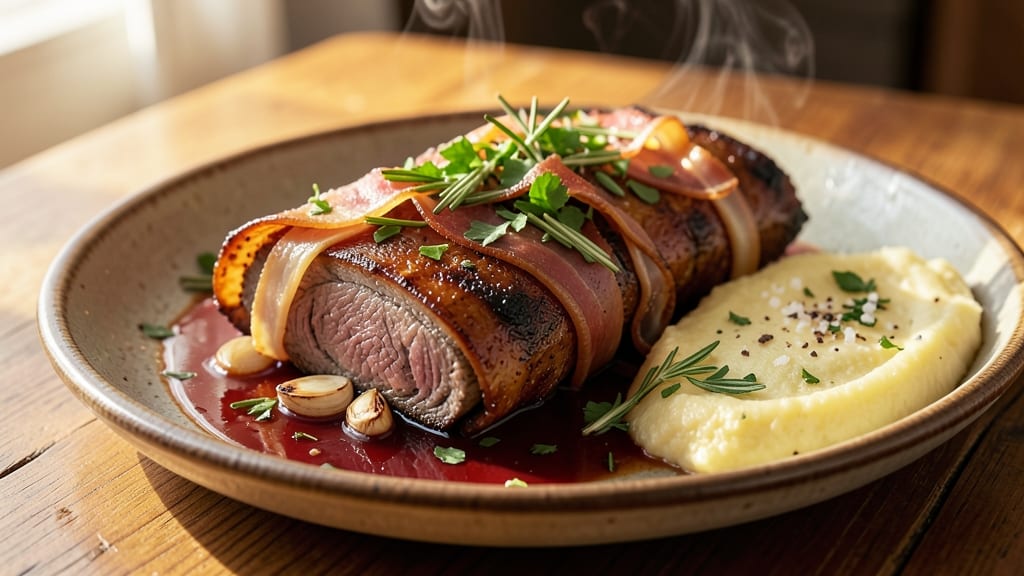
This authentic beef braciole recipe brings the rich flavors of Italian-American tradition to your kitchen with tender layers of spiced meat and slow-simmered tomato sauce. 💛 The key lies in marinating thin slices of beef with garlic, herbs, and pancetta, then rolling them around a filling of breadcrumbs, cheese, and parsley before braising until fork-tender.
I’ve perfected this technique over years of testing, ensuring every bite delivers the deep, savory satisfaction of a classic family dish.
What sets this recipe apart is its authentic approach—no shortcuts, just traditional methods passed down through generations. The beef absorbs the marinade’s aromatic blend of red wine, vinegar, and spices, while the braising process transforms tough cuts into melt-in-your-mouth perfection.
The filling inside each roll adds texture and richness, making every bite a flavor explosion. This dish isn’t just about taste; it’s about the slow, patient cooking that makes it unforgettable.
The result is a restaurant-quality braciole with layers of tender beef, a glossy tomato sauce infused with herbs, and a crust that’s crispy from the braising process. Serve it with creamy polenta or crusty bread to soak up every last drop of that luscious sauce.
The aroma alone will have your family gathering at the table, eager for the first bite. This is comfort food at its finest—warm, hearty, and deeply satisfying.
Perfect for special occasions or a cozy weeknight dinner, this recipe scales beautifully for crowds. The slow cooking means flavors deepen over time, making leftovers even more delicious.
Once you try this authentic version, you’ll never settle for anything less. Let’s get started on creating a dish that tastes like home.
Ingredients for authentic beef braciole
Six servings of Italian tradition—tender beef rolls packed with herb-infused flavor and slow-braised to perfection.
| Ingredient | Amount | Notes |
|---|---|---|
| Top Round Roast Beef 🥩 | 2 lb | Thinly sliced against grain (ask butcher) |
| Pancetta 🥓 | ½ lb | Diced, not cured bacon |
| Garlic Cloves 🧄 | 8 cloves | Minced, aromatic variety |
| Fresh Parsley 🌿 | ½ cup | Chopped, stems removed |
| Fresh Rosemary 🌿 | 1 tbsp | Finely chopped, fresh preferred |
| Fresh Sage 🌿 | 1 tbsp | Finely chopped, leaves only |
| Dry Red Wine 🍷 | 1 cup | Bold Cabernet or Chianti |
| White Wine Vinegar 💧 | ¼ cup | For bright acidity |
| Tomato Paste 🍅 | ½ cup | San Marzano preferred |
| Crushed Tomatoes 🍅 | 2 cups | High-quality canned |
| All-Purpose Flour 🌾 | ½ cup | For breading |
| Parmesan Cheese 🧀 | ½ cup | Freshly grated, block |
| Breadcrumbs 🍞 | ½ cup | Panko for extra crunch |
| Olive Oil 🫒 | ¼ cup | Extra-virgin, for searing |
| Salt 🧂 | 1 ½ tbsp | Diamond Crystal preferred |
| Black Pepper 🌶️ | 1 tbsp | Freshly cracked |
| Ground Nutmeg 🌿 | ½ tsp | Freshly grated preferred |
The beef is everything here. Top round roast gives you that perfect balance of tenderness and flavor—ask your butcher to slice it thinly against the grain. I always grab mine at Whole Foods or a local Italian market, where they'll cut it fresh for you. Pancetta (not bacon) is non-negotiable—it adds that authentic umami punch. Look for thick-cut pancetta at Eataly or the Italian deli section. Fresh herbs? Trader Joe's usually has pre-bundled rosemary and sage, but if you're feeling fancy, grab a sprig of each and chop it yourself. The difference is noticeable.
No pancetta? Diced bacon works in a pinch, but it won't be the same. Short on red wine? Dry sherry or beef broth with a splash of balsamic gets you close. The tomato paste can be those little squeeze tubes from Trader Joe's—they're perfect for this. For the breadcrumbs, Panko gives you that crispy texture that's essential for the crust. If you're using regular breadcrumbs, toast them first in the oven for 5 minutes to dry them out. The nutmeg is subtle but adds depth—don't skip it. And trust me, freshly grated Parmesan makes all the difference over pre-grated.
This dish tastes even better the next day, so make a double batch if you're feeding a crowd. The beef rolls keep in the fridge for 3 days and freeze beautifully for 3 months. I like to portion them into individual containers with some sauce so I can grab and reheat for quick weeknight dinners. The sauce? It only gets better with time—simmer it longer if you can. Serve with creamy polenta or crusty bread to soak up every last bit of that rich, herby sauce.
Why You'll Love This Recipe
- One-Pan Magic: I swear by this recipe when I’m too tired to deal with multiple dishes—just roll the beef with pancetta and herbs, tie it up, and let the oven do the work. No chopping boards left dirty, no pots to scrub.
- Herb-Packed Punch: That crispy pancetta wrapped around tender beef? It’s like a flavor bomb. The rosemary and garlic seep into every bite, and the parsley brightens it up—simple ingredients, but they sing together.
- Leftovers That Don’t Suck: Between us, most beef dishes turn into sad leftovers. Not this. The meat stays juicy, and the pancetta adds richness, so reheating it is basically making it better the second time around.
- Budget-Friendly Feast: Top round beef is affordable, and pancetta stretches further than you’d think. I’ve fed six people for under $20, and everyone walks away happy—no one questions the price when it tastes this good.
Step-by-step instructions for authentic beef braciole
Let's create this Italian classic with layers of flavor and tender meat that melts in your mouth.
👨🍳 Step 1: Prepare the Spiced Meat Filling
In a large bowl, combine the 2 lb top round roast beef (sliced thinly against the grain), 0.5 lb diced pancetta, 8 minced garlic cloves, 0.5 cup chopped fresh parsley, 1 tbsp finely chopped fresh rosemary, 1 tbsp finely chopped fresh sage, 1.5 tbsp salt, 1 tbsp freshly cracked black pepper, and 0.5 tsp freshly grated ground nutmeg. Mix gently with your hands until the pancetta begins to soften and the flavors meld together.
This is where the magic starts. The pancetta adds incredible depth of flavor as it renders, while the fresh herbs infuse the meat with aromatic brightness. Don't overmix or you'll end up with tough meat instead of tender layers. Let the mixture sit at room temperature for 15 minutes while you prepare the next components—this helps the seasoning penetrate evenly.
🍳 Step 2: Create the Flavorful Tomato Sauce Base
Heat 0.25 cup extra-virgin olive oil in a large Dutch oven over medium heat. Add the 0.5 cup tomato paste and cook for 3-4 minutes, stirring constantly, until it darkens slightly and becomes fragrant. This deepens the tomato flavor and removes the raw taste.
Pour in the 1 cup dry red wine and 0.25 cup white wine vinegar, scraping up any browned bits from the bottom of the pot. Let it simmer for 5 minutes until reduced by about half. Then stir in the 2 cups crushed tomatoes and simmer uncovered for 10 minutes to develop the flavors. You're building a rich, balanced sauce that will perfectly complement the meat layers.
🥘 Step 3: Assemble the Braciole Layers
In a separate bowl, combine the 0.5 cup all-purpose flour, 0.5 cup freshly grated Parmesan cheese, and 0.5 cup breadcrumbs. Spread the spiced meat mixture evenly across a large sheet of plastic wrap, then sprinkle half of the flour mixture evenly over the top. Roll the meat tightly into a log, tucking in the sides as you go, then roll it in the remaining flour mixture to create a crispy exterior.
Here's the thing—this rolling technique is crucial. The flour mixture creates a protective barrier that keeps the meat moist while allowing the tomato sauce to penetrate. If you see any gaps, press them closed gently with your fingers. Once rolled, secure the braciole with kitchen twine, spacing it about 1 inch apart along the length to create those beautiful ridges that hold the sauce.
🔥 Step 4: Braise Until Tender and Flavorful
Carefully place the assembled braciole in the Dutch oven with the tomato sauce. Pour in enough water to come about halfway up the sides of the braciole (about 2 cups). Bring to a gentle simmer over medium-low heat, then cover and cook for 2 hours, turning occasionally to ensure even cooking and sauce distribution.
The key here is patience. You want the meat to become fork-tender while absorbing all those rich tomato flavors. After 2 hours, remove the twine and check for doneness by piercing the meat with a fork—it should slide in easily with no resistance. If it's not quite tender enough, continue cooking for another 30-60 minutes covered, adding a splash of water if needed to prevent drying.
🍽️ Step 5: Serve with Rich Tomato Sauce
Once the braciole is perfectly tender, remove it from the pot and let it rest for 10 minutes on a cutting board. Meanwhile, skim any excess fat from the sauce and adjust the seasoning if needed. Slice the braciole into ½-inch thick pieces and arrange on a platter, spooning the rich tomato sauce generously over the top.
This dish is best served with crusty bread to soak up that incredible sauce, or alongside polenta or mashed potatoes. The combination of tender meat, crispy exterior from the flour mixture, and complex tomato sauce makes every bite unforgettable. And don't forget to save some of that delicious sauce for leftovers—it only gets better as the flavors meld overnight!
Pro Tips For Making Authentic Beef Braciole
- SEAR THE PANCETTA FIRST: Render the pancetta until it’s crispy and golden before mixing it into the beef—this adds fat depth that just cooking it raw can’t match. I used to toss it in raw, and the flavor was always flat until I realized crisping it first makes all the difference.
- SLICE THE ROUND THIN: Cut the top round against the grain into ¼-inch slices—thinner than you think. Thick slices stay chewy; this thickness guarantees tenderness while keeping the braciole sturdy enough to roll. (Yes, even if it looks intimidating.)
- DON’T OVERPACK THE ROLLS: Fill each beef slice with just enough pancetta-garlic-parsley mix to hold together without bursting—about 1 teaspoon per roll. Overstuffing makes them fall apart when baking, and no one wants to unroll a mess.
- BAKE LOW AND SLOW: Roast at 325°F (not higher) for at least 2 hours, covered with foil first to render fat, then uncovered to brown. Rushing the oven temp dries out the beef; patience here keeps it juicy. (I know, I know—you want it done fast, but trust me.)
Troubleshooting this dish
Meat Too Tough
If your beef braciole turns out tough instead of tender, it likely wasn’t sliced thinly enough against the grain. The top round roast should be sliced at a ¼-inch thickness maximum—any thicker and the meat won’t break down properly during braising.
I’ve seen home cooks use 1/8-inch slices for maximum tenderness. Also, ensure you’re using a Dutch oven large enough to accommodate the braciole without crowding, which can lead to uneven cooking. 🥩
Another common mistake is undercooking. Even though the recipe calls for 2 hours of braising, some cuts may need up to 2.5 hours to reach true tenderness.
Use a meat thermometer to check for an internal temperature of 195°F—that’s when the collagen fully breaks down into gelatin, creating that melt-in-your-mouth texture.
Sauce Too Thin
A watery sauce usually means you added too much liquid during braising. The recipe specifies 2 cups of water—measure carefully and don’t exceed it. If your sauce is still thin after cooking, reduce it on the stovetop by simmering uncovered for 10-15 minutes.
For extra richness, stir in 1 tbsp tomato paste or a pat of butter at the end. I’ve also had success with adding 1/4 cup heavy cream just before serving for a velvety finish. 🍲
If the sauce lacks depth, it might not have simmered long enough. The tomato paste needs 10+ minutes of cooking to develop its flavor, and the wine should reduce by at least half.
For next-level flavor, deglaze the Dutch oven with 1/4 cup red wine after removing the braciole, then stir it back into the sauce before serving.
Braciole Unraveling
If your rolled braciole comes apart during cooking, the twine wasn’t secure enough or the meat wasn’t rolled tightly. Use heavy-duty kitchen twine (like Butcher’s Twine) and space the knots 1 inch apart to create ridges that hold the shape.
Before rolling, pat the meat mixture dry with paper towels—excess moisture makes the flour coating slippery. I also recommend chilling the rolled braciole in the fridge for 15 minutes before braising to help it hold together. ❄️
Another trick is to use a pint-sized can of tomato paste (about 6 oz) as a temporary "sleeve" while rolling. Place the meat mixture around the can, roll tightly, then remove the can before securing with twine. This creates a perfect cylindrical shape that stays intact during cooking.
Pancetta Not Rendering
If your pancetta stays chewy instead of crispy, it wasn’t cooked long enough during the marinating phase. When mixing the meat, cook the pancetta separately in a pan until it reaches 165°F (about 8-10 minutes over medium heat), then cool before combining with the beef.
This ensures it’s fully rendered and adds maximum flavor. For extra crispiness, toast the diced pancetta in the Dutch oven for 3-4 minutes before adding the tomato paste. 🥓
If you’re short on time, substitute with crispy bacon bits (about 1/2 cup) for a similar smoky depth, though pancetta’s fat content is ideal for braising. Never skip this step—it’s what gives authentic braciole its unmistakable richness.
Nutrition facts
Frequently asked questions
Can I use ground beef instead of sliced top round roast?
While you can technically use ground beef, it won't deliver the same authentic texture and experience. The thinly sliced top round roast creates tender layers that become melt-in-your-mouth during braising. Ground beef would make the braciole denser and less elegant in texture. If you must substitute, try using lean ground beef (85/15) and shape it into small rolls instead of one large log.
What's the best way to reheat leftover braciole?
Leftover braciole tastes even better reheated! Place slices in a skillet with a splash of water or broth, cover, and warm over low heat for 5-7 minutes. Alternatively, reheat in the oven at 350°F for 15-20 minutes with a little extra sauce to keep it moist. Never microwave—it makes the meat rubbery.
Can I make braciole in a slow cooker?
For a slow cooker version, follow the same prep steps but cook on low for 6-8 hours or high for 3-4 hours. The key is to add 1 cup of liquid (broth or water) instead of 2 cups, since slow cookers don't evaporate as much. Check the meat after 3 hours to ensure it's tender before serving.
What herbs can I substitute if I don't have all the fresh ones?
No problem! For parsley, use 1 tbsp dried parsley (but fresh is preferred). For rosemary and sage, dried works in a pinch—use 1 tsp each instead of tablespoons. If you're missing nutmeg, a pinch of allspice adds similar warmth. The dish will still be delicious, though fresh herbs give the most authentic flavor.
How do I know when the braciole is fully cooked?
Use a meat thermometer for perfect results—the internal temperature should reach 195°F. The meat will be fork-tender and pull apart easily. If you don't have a thermometer, cut into the thickest piece—it should be very tender with no pink center. The sauce should also be reduced and thickened by the end of cooking.