
Main Courses
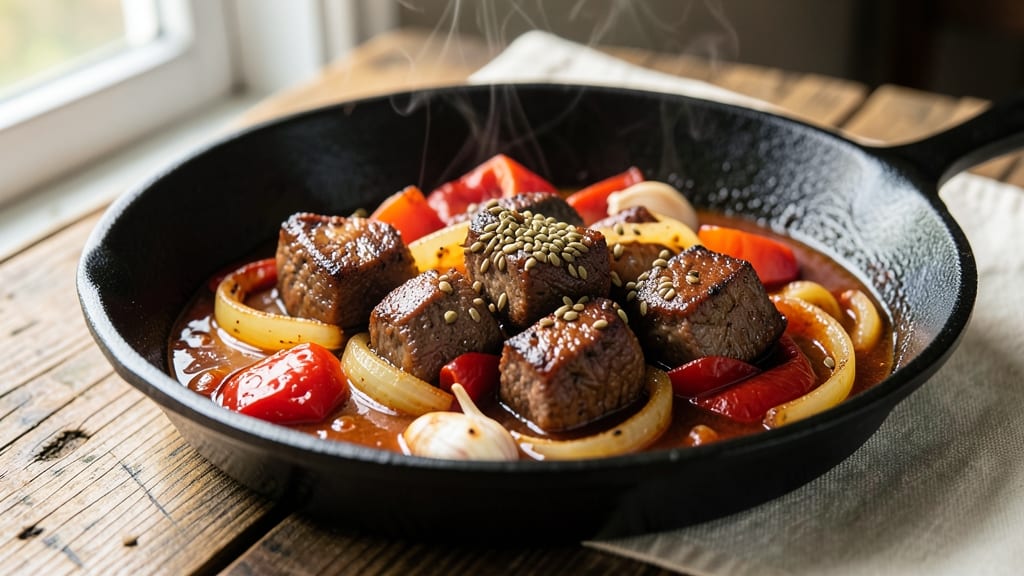
This Bavarian beef goulash recipe delivers hearty, paprika-spiced comfort in every bite—where tender beef and root vegetables simmer into rich, aromatic perfection. The secret lies in slow-braising tough cuts until they melt, while sweet paprika and caraway build depth that defines Bavarian soul food.
I've perfected this version to balance tradition with modern convenience, ensuring restaurant-quality results without hours at the stove.
What sets this goulash apart is the layered approach: beef first browns deeply for flavor, then simmers with onions, peppers, and aromatic spices until the meat practically falls apart. The root vegetables—carrots, potatoes, and celery—soak up the savory broth while developing sweet, caramelized edges.
This isn't just a stew; it's a flavor experience that transforms simple ingredients into something deeply satisfying.
The result is a tender, deeply flavorful stew where each component—beef, vegetables, and sauce—works in perfect harmony. The paprika adds warmth, caraway brings earthy notes, and a touch of vinegar brightens the richness.
Serve with crusty bread to soak up every last drop of that velvety, spiced broth. This is the kind of dish that turns weeknight dinners into family gatherings.
While traditional Bavarian goulash often includes dumplings, this version keeps it flexible—pair with buttered noodles, crusty rye bread, or even over mashed potatoes for a modern twist.
The beauty of this recipe is its adaptability while staying true to its roots. Ready to transform your kitchen into a Bavarian tavern? Let's get cooking.
Ingredients for bavarian beef goulash
Sixteen ingredients transform into a deeply satisfying Bavarian beef goulash with tender beef and aromatic root vegetables.
| Ingredient | Amount | Notes |
|---|---|---|
| Beef Chuck Roast 🥩 | 2 ½ lb | Pre-cut into 1.5-inch cubes |
| Yellow Onions 🧅 | 2 whole | Medium size, sliced |
| Red Bell Peppers 🌶️ | 2 whole | Medium size, diced |
| Fresh Garlic Cloves 🧄 | 6 cloves | Peeled, minced |
| Sweet Paprika 🌶️ | 2 tbsp | Hungarian preferred |
| Ground Caraway Seeds 🌿 | 1 tsp | Freshly ground preferred |
| Tomato Paste 🍅 | ½ cup | High-quality, no sugar added |
| Beef Broth 💧 | 4 cups | Homemade or quality low-sodium |
| Carrots 🥕 | 4 medium | Peeled, cut into chunks |
| Celery Stalks 🧅 | 3 whole | Cut into 1-inch pieces |
| Russet Potatoes 🥔 | 2 lb | Peeled, cubed |
| Red Wine Vinegar 🍷 | 1 tbsp | Dry, full-bodied |
| Bay Leaves 🍃 | 2 whole | Fresh preferred |
| Black Peppercorns 🌶️ | 1 tsp | Freshly cracked |
| Kosher Salt 🧂 | 1 ½ tsp | Diamond Crystal preferred |
The beef is non-negotiable—chuck roast delivers that melt-in-your-mouth texture after slow braising. Look for well-marbled cuts at Whole Foods or your local butcher shop; the fat renders down beautifully. If you're short on time, pre-cut chuck roast from the grocery store's meat department works perfectly. For the paprika, Hungarian sweet paprika (like Rosenbrand) adds that authentic depth, but regular paprika in a pinch still delivers. Caraway seeds should be toasted in a dry pan for 30 seconds before grinding to release their aromatic oils—Penzeys sells pre-ground caraway if you're short on time.
No fresh bay leaves? Dried bay leaves at one-third the amount work fine, though fresh adds a brighter note. Short on red wine vinegar? Apple cider vinegar or even a splash of lemon juice keeps the brightness. The tomato paste can be swapped for crushed tomatoes (1 cup), but paste concentrates the flavor beautifully. For the root vegetables, baby carrots or frozen diced carrots save chopping time without sacrificing texture. And if you've got pre-cut celery sticks in the fridge, use those—they're perfect for this recipe.
This goulash tastes even better the next day as flavors meld, so double the batch and freeze half for future meals. Store leftovers in an airtight container in the fridge for up to 5 days, or freeze for 3 months. I like to portion it into individual containers so reheating is a snap—just add a splash of water or broth and warm through. The beef becomes fork-tender, and the vegetables soak up all that rich, spiced broth. Perfect for meal prep or feeding a crowd.
Why You'll Love This Recipe
- One-Pot Magic: I swear by this recipe—just toss the beef, onions, and peppers into the same pot, let the paprika and garlic work their spell, and walk away. No extra dishes, no stress, and that deep, smoky aroma fills the kitchen while you do anything but cook.
- Smoky-Sweet Obsession: That sweet paprika isn’t just a garnish—it’s the star, turning tough chuck roast into melt-in-your-mouth strips with a crispy edge. The bell peppers add a bright, almost candy-like sweetness that cuts through the richness, making every bite feel like a little flavor explosion.
- Leftovers That Beg: Between us, this dish tastes better the next day. The flavors meld into this rich, hearty stew that’s perfect for lunches, freezer meals, or even stuffed into sandwiches. Honestly, I’ve reheated mine three times and still crave more.
- Budget Feast for All: A chuck roast stretches across multiple meals, and onions, peppers, and garlic are cheap staples. You’re feeding a crowd for less than takeout, and the leftovers? They’re the kind of meal that makes people ask, “What’s for dinner?”—then stick around for seconds.
Step-by-step instructions for Bavarian beef goulash
Here's the method for rich, tender beef goulash with deep paprika flavor and perfectly cooked vegetables.
Sear the Beef Chuck Roast
Heat a large Dutch oven over medium-high heat until hot. Add the 2.5 lb beef chuck roast (pre-cut into 1.5-inch cubes) in a single layer, working in batches if needed. Let each piece sear undisturbed for 2-3 minutes until deeply browned on all sides. This step develops the deep, meaty flavor that forms the foundation of the goulash.
Remove the seared beef and set aside. Don't drain the browned bits from the pot—they're packed with flavor. This initial searing creates a rich, caramelized crust that won't dissolve during the long cooking process, ensuring maximum flavor in every bite.
Build the Flavor Base
In the same Dutch oven, add 2 tablespoons sweet paprika and 1 teaspoon ground caraway seeds. Stir constantly for 30 seconds until the spices are fragrant and the paprika begins to darken slightly. Add 6 cloves minced fresh garlic and cook for another 30 seconds until aromatic.
Add the 2 whole sliced yellow onions and 2 whole diced red bell peppers to the pot. Cook for 5-6 minutes until the onions soften and the peppers begin to caramelize. Stir occasionally to prevent burning. This step develops the sweet, smoky depth that characterizes Bavarian goulash.
Develop the Sauce
Stir in the 0.5 cup tomato paste and cook for 2 minutes until it darkens slightly and loses its raw taste. Pour in the 4 cups beef broth and bring to a simmer. Add the 1 tablespoon red wine vinegar, 2 whole bay leaves, and 1 teaspoon freshly cracked black peppercorns. Return the seared beef to the pot, along with any accumulated juices.
Bring to a gentle boil, then reduce heat to low and cover partially. Let the goulash simmer for 1 hour, stirring occasionally. This initial cooking time allows the beef to begin breaking down and the flavors to meld. The liquid should reduce slightly but still coat the beef.
Add Vegetables and Simmer
Add the 4 medium peeled carrots (cut into chunks), 3 whole celery stalks (cut into 1-inch pieces), and 2 lb peeled russet potatoes (cubed) to the pot. Stir gently to combine with the beef and broth. Add the 1.5 teaspoons kosher salt and adjust the seasoning with additional salt or pepper if needed.
Return the goulash to a simmer and cook uncovered for 45-50 minutes, stirring occasionally, until the beef is fork-tender and the vegetables are cooked through. The potatoes should be soft enough to pierce easily with a fork, and the carrots should be tender but still hold their shape. This final cooking time ensures the vegetables absorb the rich, paprika-infused broth while maintaining their texture.
Final Adjustments and Serving
Remove the 2 whole bay leaves from the pot. Taste the goulash and adjust the seasoning if needed, adding more salt, pepper, or even a pinch of sugar to balance the acidity from the vinegar. The goulash should be rich, slightly sweet from the caramelized vegetables, and deeply spiced with paprika and caraway.
Serve the goulash hot, ladled over crusty bread or buttered egg noodles. The beef should be so tender it nearly falls apart with a gentle touch, and the vegetables should be cooked to perfection. This dish tastes even better the next day as the flavors continue to develop, so consider making extra for leftovers.
Pro Tips For Making Bavarian Beef Goulash
- SEAR THE ROAST FIRST: I used to skip this step, thinking the long simmer would handle it—but the meat stays bland if you don’t. Get that Chuck Roast screaming hot in a dry skillet for 4-5 minutes per side until deep brown, then pull it out. The crust locks in flavor during the slow cook, and you’ll taste the difference.
- CHAR THE PAPRIKA: Sweet paprika loses its magic if you toss it in at the end. After browning the onions and peppers, turn the heat to medium and cook the paprika with a splash of beef broth for 30 seconds—just until it smells toasty. This deepens the smoky notes without burning it. (Yes, even if it looks weird.)
- DON’T SKIP THE GARLIC MINCE: Whole garlic cloves won’t infuse the goulash—they’ll just sit there like flavorless pebbles. Mince those cloves fine (or buy pre-minced) and let them bloom in the oil for 30 seconds after the onions soften. That’s when the allicin wakes up and actually works.
- USE THE PEPPER SEEDS: Toss the red bell pepper seeds into the pot with the flesh—don’t peel them out. They add a subtle bitterness that balances the sweetness and rounds out the dish. (I know, it’s counterintuitive, but trust me on this one.)
Best sauces and condiments for this recipe
Creamy Paprika Sauce
This rich, velvety sauce transforms your goulash into a luxurious experience. After the initial simmer, stir in ½ cup heavy cream and 2 tablespoons sour cream to create a silky texture that coats the beef and vegetables beautifully.
For extra depth, add 1 teaspoon Hungarian paprika and a pinch of sugar to balance the acidity. Let it simmer gently for 5 minutes—just until the sauce thickens slightly but doesn’t curdle. 🥄
Sour Cream Finish
A dollop of sour cream at the table adds tangy brightness that cuts through the richness. I like to stir ¼ cup sour cream into the finished goulash during the last 5 minutes of cooking—this keeps it smooth and prevents curdling.
For a restaurant-worthy touch, top each serving with an extra spoonful and a sprinkle of fresh dill or chives. The contrast of cool cream against the warm stew is pure comfort food magic.
Mustard Twist
Swap out the vinegar for 1 tablespoon Dijon mustard during the sauce development stage to add complexity. The mustard’s sharpness enhances the paprika’s warmth and balances the sweetness of the carrots and potatoes. For a smoky kick, add ½ teaspoon smoked paprika along with the regular paprika.
This variation feels modern yet stays true to Bavarian roots—it’s a favorite in my household when we want something a little different. 🌶️
Caramelized Onion Topping
Elevate your goulash with a caramelized onion garnish. Cook 1 large onion thinly sliced in 1 tablespoon butter over low heat for 30 minutes, stirring occasionally, until deep golden brown. The sweet, jammy onions add another layer of flavor that pairs beautifully with the paprika and beef.
Spoon a generous spoonful over each serving just before eating—it’s like a sweet, savory crown for your goulash. 🍯
Herb-Infused Oil
Brighten the dish with herb-infused oil. Heat ¼ cup olive oil with 1 tablespoon each of fresh parsley, thyme, and rosemary until fragrant (about 2 minutes). Drizzle over the finished goulash just before serving.
The herbs add a fresh, aromatic note that cuts through the richness, while the oil keeps everything moist. This is especially nice if your goulash has been sitting in the fridge overnight—it feels fresh and vibrant. ✨
Crispy Fried Onions
Add texture with crispy fried onions. Thinly slice 1 large onion and fry in 2 tablespoons neutral oil (like vegetable or canola) over medium heat for 5-6 minutes until golden and crisp.
Sprinkle them over the top of the goulash right before serving—they add a delightful crunch that contrasts perfectly with the tender beef and soft vegetables. Store-bought fried onions (like French’s) work in a pinch, but homemade tastes infinitely better. 🥔
Nutrition facts
Frequently asked questions
Can I use a different cut of beef for this Bavarian goulash?
While chuck roast is ideal for its marbling and tenderness, you can substitute with brisket or stew beef—both work beautifully. Avoid lean cuts like sirloin, as they won't become tender enough during the 1.5-hour simmer. If using brisket, cut it into 1-inch cubes and sear thoroughly to develop flavor.
How do I make this goulash without wine vinegar?
No problem! Swap the 1 tablespoon red wine vinegar for 1 teaspoon apple cider vinegar or even ½ teaspoon lemon juice to brighten the dish. The acidity balances the richness, but if you're avoiding vinegar entirely, omit it and adjust salt slightly to compensate. The paprika and caraway will still shine without it.
Why does my goulash turn out too watery?
This usually happens when the beef isn't seared enough or the vegetables release too much liquid. First, always brown the beef deeply before adding liquid. Second, if using frozen vegetables, thaw and pat them dry. For a thicker sauce, simmer uncovered for 10-15 extra minutes to reduce the broth, or stir in 1 tablespoon cornstarch mixed with water as a slurry.
Can I prepare this goulash ahead of time?
This dish tastes even better the next day as flavors meld. Store leftovers in an airtight container in the fridge for up to 5 days or freeze for 3 months. Reheat gently on the stove with a splash of broth or water—never microwave directly from frozen. The beef will be even more tender after resting overnight.
What's the best way to serve Bavarian goulash?
Traditionally, it's served with crusty rye bread or buttered egg noodles to soak up the rich sauce. For a modern twist, pair with mashed potatoes or roasted root vegetables. Garnish with fresh parsley or a dollop of sour cream for brightness. The key is warm, hearty sides that complement the deep flavors.