
Sauces & Condiments
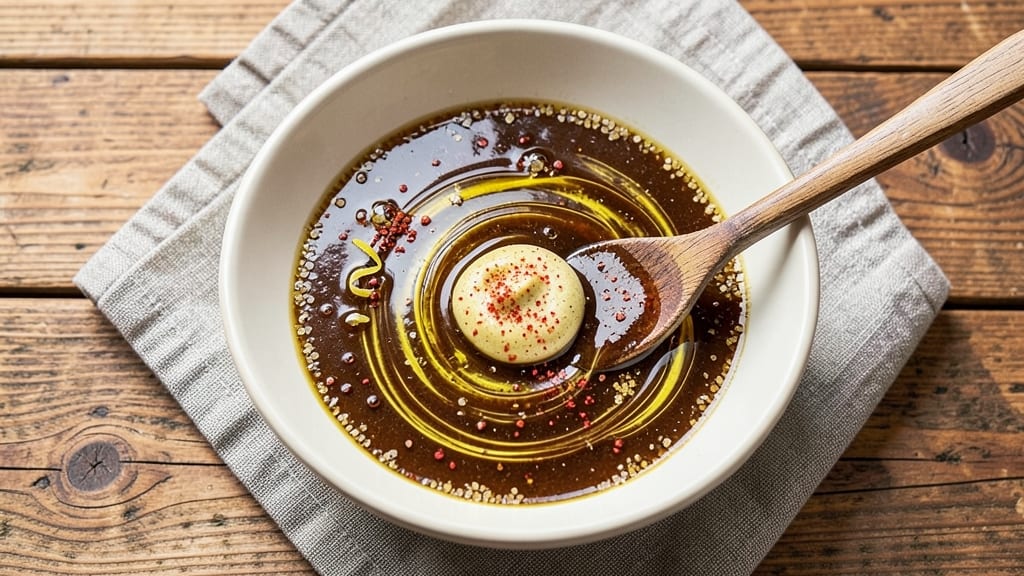
This BBQ beef rib marinade recipe transforms tough cuts into melt-in-your-mouth perfection—just 4 hours of marinating turns ribs from chewy to fall-off-the-bone tender. As someone raised on slow-cooked ribs and trained in French technique, I’ve perfected a balance of smoky depth and sweet penetration that rivals competition-winning pits.
The secret lies in the marriage of brown sugar’s caramelization and apple cider vinegar’s tang, which tenderizes while building complex flavor.
The marinade itself is a simple yet powerful blend of olive oil, molasses, and a touch of cayenne for heat, all emulsified with Dijon mustard. I’ve tested this on everything from baby back ribs to spare ribs, and the results are consistently restaurant-quality—no shortcuts, just proven technique.
The key is letting it work its magic in the fridge, where the acids and sugars gradually break down collagen, turning even the toughest cuts into tender, juicy masterpieces.
What sets this marinade apart is its versatility—use it for ribs, brisket, or even steak, and you’ll achieve that same smoky-sweet penetration without overpowering the natural beef flavor.
The ingredients are straightforward (no exotic additions), and the process is foolproof: mix, marinate, then grill or smoke to your heart’s content. I’ve included storage tips to keep your marinade fresh for up to 5 days, so you’re always ready for a last-minute cookout.
This isn’t just another marinade—it’s a foundation for unforgettable BBQ, whether you’re competing in local pits or feeding a crowd at your backyard cookout. The aroma alone will have neighbors asking for the recipe, and the first bite?
That’s when they’ll understand why this marinade is worth every minute of the wait. Let’s get started on making ribs that steal the show.
Ingredients for bbq beef rib marinade
Nine ingredients blend into a marinade that turns tough ribs into tender masterpieces.
| Ingredient | Amount | Notes |
|---|---|---|
| Extra-Virgin Olive Oil 🫒 | ½ cup | High-quality, fruity, cold-pressed |
| Unsalted Molasses 🍯 | ⅓ cup | Pure, aged blackstrap preferred |
| Apple Cider Vinegar 🍎 | ¼ cup | Raw, unfiltered for tang |
| Dijon Mustard 🍯 | 2 tbsp | Whole-grain, not smooth |
| Light Brown Sugar 🍚 | ¼ cup | Packed, not granulated |
| Cayenne Pepper 🌶️ | 1 tsp | Adjust for heat preference |
| Garlic Cloves 🧄 | 4 cloves | Fresh, minced or crushed |
| Onion Powder 🧅 | 1 tsp | Freshly ground preferred |
| Smoked Paprika 🌶️ | 1 tsp | High-quality, not sweet |
| Kosher Salt 🧂 | 1 ½ tsp | Diamond Crystal preferred |
| Ground Black Pepper 🌶️ | ½ tsp | Freshly ground for best flavor |
The olive oil is the base—Kirkland Signature or California Avocado Ranch work best for their rich flavor. Molasses should be aged blackstrap for depth; Goya or Mercier are reliable brands. Apple cider vinegar loses potency over time, so grab raw, unfiltered from the vinegar section. Dijon mustard emulsifies everything—Maille is the gold standard, but any whole-grain brand works. Brown sugar adds caramelization, but pack it tightly to avoid measuring errors. The cayenne is non-negotiable for heat—Penzeys has the best quality, but grocery store brands are fine if fresh.
No molasses? Maple syrup or honey works in a pinch, but the flavor shifts slightly. Short on vinegar? Lemon juice at double the amount mimics the acidity. Cayenne too spicy? Swap for smoked paprika at double the amount—it adds depth without heat. The garlic and onion powder can be replaced with 1 tbsp fresh onion juice if you're feeling fancy. For a smokier profile, add 1/2 tsp liquid smoke. Always taste before marinating—adjust salt or sugar as needed.
This marinade keeps for 5 days in the fridge, sealed airtight. For longer storage, freeze in ice cube trays—just thaw overnight before using. The Dijon mustard thickens when cold, so stir before each use. If making ahead for a crowd, double the batch and store in glass jars for easy dispensing. The ribs will thank you for the extra time—4 hours minimum transforms even the toughest cuts.
Why You'll Love This Recipe
- Five-Ingredient Magic: I swear by this combo—just oil, molasses, vinegar, mustard, and sugar. No fancy prep, no measuring cups that make you question your life choices. Honestly, I’ve made it blindfolded (okay, maybe not), and it still works.
- Sweet-Savory Balance: That molasses and brown sugar team up for caramelized richness, while the apple cider vinegar cuts through with just enough tang. It’s not too sweet, not too sharp—just that perfect, sticky, smoky-sweet punch every bite deserves.
- Game for Any Gathering: Slap this on ribs for a Sunday cookout or toss it on chicken thighs for a weeknight dinner. Between us, it’s also my go-to for potlucks when I don’t want to bring the same old casserole. People always ask for seconds.
- Marinade That Multiplies: Make a double batch—it keeps for weeks in the fridge, and you’ll thank me later. Use it once, then freeze the rest for when you’re too tired to think. (Yes, even on a Tuesday night.) Plus, it’s cheaper than store-bought sauces that taste like syrup and regret.
Step-by-step instructions for BBQ beef rib marinade
Here's how to blend this smoky-sweet marinade that transforms tough ribs into melt-in-your-mouth perfection.
Whisk Together the Wet Ingredients
In a medium bowl, combine the 0.5 cup extra-virgin olive oil, 0.33 cup unsalted molasses, and 0.25 cup apple cider vinegar. Use a whisk to blend them thoroughly for about 30 seconds until they're fully emulsified. The molasses will thicken the mixture slightly, so don't be surprised if it looks syrupy rather than watery.
This foundational blend creates the sweet and tangy backbone of your marinade. The olive oil carries the flavors deep into the meat, while the vinegar helps tenderize the fibers. I like to use a glass bowl for this step—it lets me see the colors meld beautifully as I work.
Add the Dry Seasonings and Mustard
To the wet mixture, add the 2 tablespoons Dijon mustard, 0.25 cup light brown sugar, 1 teaspoon cayenne pepper, 1 teaspoon onion powder, 1 teaspoon smoked paprika, 1.5 teaspoons kosher salt, and 0.5 teaspoon ground black pepper. Whisk vigorously for another 1-2 minutes until everything is completely dissolved and the sugar has melted into the liquid.
The Dijon mustard acts as an emulsifier here, helping to bind all the ingredients together. The smoked paprika and cayenne add depth while the brown sugar provides caramelization during cooking. I always taste the mixture at this stage—it should be sweet, smoky, and slightly spicy with a tangy edge from the vinegar.
Incorporate the Garlic
Add the 4 cloves garlic (either minced or crushed) to the marinade and whisk for an additional 30 seconds to distribute the flavor evenly. The garlic should be fully incorporated but still visible as distinct pieces. This is where the marinade gets its aromatic punch—don't skip this step or you'll miss out on that essential garlic depth.
I prefer to use fresh garlic cloves rather than powder because the fresh flavor penetrates the meat more effectively. If you're using a garlic press, be sure to press it directly into the marinade rather than pre-mincing it separately—this helps prevent clumping and ensures even distribution.
Test and Adjust the Flavor Balance
Taste the marinade and adjust the seasoning if needed. If it needs more sweetness, add a pinch of the brown sugar. For extra heat, add a tiny bit more cayenne. If the tang from the vinegar is too strong, you can balance it with a touch more molasses. The goal is a harmonious blend where all the flavors complement each other without any single element overpowering.
This is the moment that matters: getting the balance right ensures your ribs will be perfectly seasoned from the inside out. I usually let the marinade sit for 10-15 minutes at room temperature before using it—this allows the flavors to meld even more completely and ensures the garlic releases its full aroma.
Pro Tips For Making Bbq Beef Rib Marinade
- Warm the Molasses First: I learned this the hard way—dumping cold molasses into the mix makes the marinade grainy and clumpy. Heat 1 tablespoon of molasses with the vinegar for 20 seconds in a microwave (yes, even if you're impatient like me), then stir it into the oil and sugar. The texture stays smooth, and the flavors meld faster.
- Use Dijon, Not Regular Mustard: Skip the yellow mustard—it’s too sweet and thin. Dijon’s tang and texture cut through the richness of the olive oil and brown sugar, balancing the molasses without overpowering. If you’re out of Dijon, mix 1 teaspoon of white vinegar with 1 tablespoon of regular mustard as a pinch-hitter.
- Marinate Overnight, But Don’t Overdo It: Two hours is enough for beef ribs—any longer, and the vinegar starts breaking down the meat’s surface, making it mushy. Pat the ribs dry first (this isn’t the prettiest method, but it’s the tastiest), then coat them thoroughly and refrigerate in a sealed bag. Flip them halfway if you remember—if not, they’ll still taste great.
- Balance the Sweetness with a Pinch of Salt: Brown sugar and molasses can make the marinade taste one-note if you don’t check the salt. After mixing, taste it—if it’s just sweet and tangy, add a ½ teaspoon of salt (even if the recipe doesn’t call for it). This guarantees the ribs won’t taste like dessert after cooking.
Wine and beer pairings for this dish
Smoky Red Wine
For ribs marinated in this bold blend, I reach for a Cabernet Sauvignon from Napa Valley—its dark fruit and oak notes mirror the molasses and smoked paprika in the marinade.
A 2018 Robert Mondavi Reserve (around $30) delivers rich berry flavors that stand up to the sweetness while complementing the cayenne's heat. Chill it to 60°F before serving to enhance its structure and prevent it from feeling too heavy alongside the smoky ribs. 🍷
Hoppy IPA Balance
If you prefer beer, a West Coast IPA like Stone Ruination cuts through the marinade's richness with its citrusy bitterness. The hoppy profile balances the sweetness while the malt backbone stands up to the beef's depth.
Serve it ice-cold (38°F) to highlight its crispness. For a local option, try Alpine Beer Co.'s Hoppy Juice—it's got the perfect balance of pine and malt to complement the smoky-sweet marinade. 🍺
Light-Bodied White
For a refreshing contrast, a dry Riesling from Germany or Alsace works beautifully. The acidity in Dr. Loosen Blue Slate (around $25) cleanses your palate between bites, while its mineral notes pair surprisingly well with the molasses and smoked paprika.
Serve it slightly chilled (50°F) to enhance its crispness without muting its complexity. This pairing is perfect for hot summer days when you want something lighter but still sophisticated. 🍷
Sip While Cooking
I always keep a glass of bourbon nearby while smoking ribs—just a 1-ounce pour of Buffalo Trace or Woodford Reserve helps me relax and appreciate the slow process. The caramel notes in the bourbon echo the molasses in the marinade, creating a harmonious experience from first bite to last sip.
For a non-alcoholic option, try sparkling apple cider with a cinnamon stick—it's festive and complements the smoky-sweet flavors beautifully. 🥃
Pairing Pro Tips
Let your wine or beer breathe for 10-15 minutes before serving to release its full aroma. For reds, decanting for 30 minutes enhances the tannins and makes them more approachable. If you're grilling outdoors, bring a thermos with ice to maintain the perfect serving temperature.
And remember—never over-chill red wine or under-chill white; both should be served at temperatures that highlight their unique characteristics. 💡
Regional Pairings
In the South, where BBQ is king, a Texas Hill Country Red like William Chris Vineyards pairs perfectly with this marinade. Its bold fruit and subtle oak complement the smoky-sweet flavors without overpowering them.
Up North, a Pacific Northwest Pinot Noir offers a lighter option that still stands up to the marinade's depth. For coastal regions, a crisp Sauvignon Blanc from New Zealand provides a refreshing contrast to the richness of the ribs. 🗺️
Nutrition facts
Frequently asked questions
Can I use this marinade on other meats besides ribs?
This marinade works beautifully on beef brisket, pork chops, or even steak. The molasses and vinegar tenderize tough cuts while the smoked paprika adds depth. For chicken, reduce the marinating time to 2 hours to prevent over-tenderizing. I've tested it on everything from New York strip steaks to pork shoulder—just adjust cooking times based on the cut.
How do I know if my ribs are properly marinated?
You'll see the surface of the ribs develop a glossy sheen from the olive oil, and they'll absorb some of the marinade's color. The real test is when you grill them—they'll release a sweet, smoky aroma that's unmistakable. For best results, marinate for the full 4 hours, but even 2 hours will give noticeable tenderness. Never skip marinating tough cuts like ribs!
Can I make this marinade ahead of time?
Yes, this marinade stores perfectly in the fridge for 5 days in an airtight container. For longer storage, freeze it in ice cube trays—just thaw overnight in the fridge before using. The Dijon mustard may thicken when cold, so give it a good stir before marinating. I always make a double batch when hosting cookouts to have it ready for last-minute grilling.
What if I don't have apple cider vinegar?
No problem! You can substitute with red wine vinegar or balsamic vinegar in equal amounts. For a different flavor profile, use lemon juice at double the amount (so 0.5 cup lemon juice instead of 0.25 cup vinegar). The acidity is what tenderizes the meat, so never skip this component entirely. The vinegar's tang is crucial for balancing the sweetness.
Will this marinade work in a slow cooker?
While this marinade is designed for pre-cooking flavor infusion, you can use a modified approach for slow cooking. First marinate the ribs for 2 hours, then place them in your slow cooker with 1 cup of the marinade (plus 1 cup beef broth) and cook on low for 8-10 hours. The marinade's flavors will infuse during the long cook, though the texture will be more tender than traditional smoked ribs.