
Sauces & Condiments
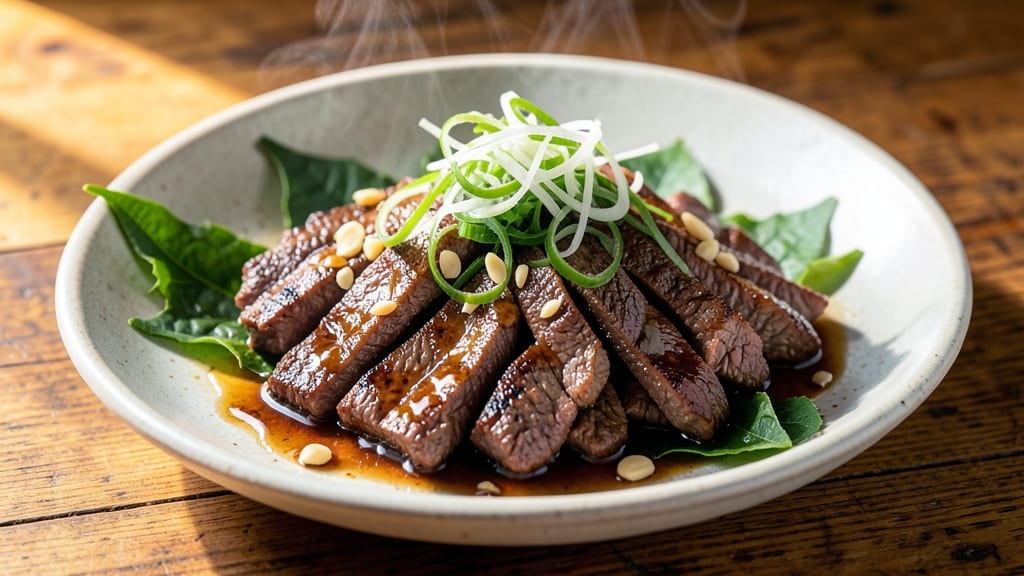
This beef ampalaya with oyster sauce delivers a perfect balance of tender beef, crisp-tender greens, and rich umami flavors in every bite. The dish transforms humble ingredients into a restaurant-worthy meal through careful wok technique and precise sauce integration.
What makes this recipe special is how the oyster sauce elevates simple beef and vegetables into something deeply flavorful without overpowering the natural taste of the ingredients.
At its core, this dish is about achieving the right texture contrast—juicy beef strips, crisp-tender ampalaya leaves, and a glossy oyster sauce that coats everything perfectly. The beef cooks quickly in the wok, maintaining its tenderness while developing a subtle caramelization.
Meanwhile, the ampalaya leaves wilt just enough to maintain their satisfying crunch, creating that perfect textural experience in every mouthful.
What you'll end up with is a vibrant, aromatic dish that's equally satisfying as a main course or a flavorful side. The oyster sauce adds layers of complexity—sweet, salty, and slightly funky—that complement both the beef and vegetables beautifully.
This recipe is designed to be approachable yet impressive, making it perfect for weeknight dinners or special occasions when you want to showcase your cooking skills.
The beauty of this dish lies in its versatility. While the traditional version uses beef, you can easily adapt it for pescatarians by substituting shrimp or scallops. The oyster sauce can also be adjusted to taste, allowing you to control the richness based on your preference.
Serve it over steamed rice for a complete meal, or pair it with crusty bread to soak up every last bit of that flavorful sauce.
Ingredients for beef ampalaya with oyster sauce
These vibrant ingredients come together in a wok to create restaurant-quality beef ampalaya with bold umami flavors.
| Ingredient | Amount | Notes |
|---|---|---|
| Beef Sirloin 🥩 | 1 ½ lb | Thinly sliced against grain |
| Ampalaya Leaves 🌿 | 1 lb | Fresh, crisp-tender variety |
| Oyster Sauce 🍜 | ½ cup | High-quality, thick consistency |
| Garlic Cloves 🧄 | 6 cloves | Minced, aromatic variety |
| Green Onions 🧅 | ½ cup | Sliced, white and green parts |
| Sesame Oil 🫒 | 1 tbsp | Toasted, for aroma |
| Soy Sauce 🥢 | 2 tbsp | Light or dark preferred |
| Brown Sugar 🍚 | 1 tbsp | Packed, for caramelization |
| Vegetable Oil 🫒 | 2 tbsp | High smoke point |
| White Pepper 🌶️ | ½ tsp | Freshly ground preferred |
| Salt 🧂 | 1 tsp | Kosher or sea salt |
| Lime 🍋 | 1 whole | Juiced, for brightness |
| Steamed White Rice 🍚 | 2 cups | Cooked, for serving |
The beef is everything here—sirloin gives you that perfect tenderness when sliced thin against the grain. Look for well-marbled cuts at Whole Foods or your local Asian market, where they'll often slice it for you. Ampalaya leaves are the star of the show; if you can't find them fresh, substitute bok choy or Swiss chard but they won't have the same satisfying crunch. For the oyster sauce, Lee Kum Kee is my go-to—it's rich but not overpowering, and the thick consistency is key for that glossy finish. Garlic and green onions should be fresh, not dried or powdered—those little jars of pre-minced garlic? Not worth it here.
No oyster sauce? Substitute with a mix of soy sauce and a splash of fish sauce—just add a pinch of sugar to mimic the depth. Running out of ampalaya? Baby spinach or watercress works in a pinch, but they'll wilt faster. The brown sugar is non-negotiable for that caramelized touch, but if you're watching sugar, use coconut sugar instead. Sesame oil is all about aroma—just a tablespoon, but it transforms the dish. And if you're feeling adventurous, swap the beef for shrimp or scallops to keep it pescatarian while maintaining that same wok-sizzled texture.
This dish reheats beautifully—just a quick stir in the wok with a splash of water to revive the sauce. Keeps for 3-4 days in the fridge, but honestly, it's even better the next day as the flavors meld. For meal prep, portion the sauce and rice separately so you can reheat just what you need. The beef and greens are best eaten fresh, but the sauce alone makes a fantastic dipping sauce for up to a week. Freeze portions of the sauce in ice cube trays for easy use later—just thaw and reheat.
Why You'll Love This Recipe
- One-Pan Magic: I swear by this recipe on days when I’d rather not scrub a million dishes. Sear the beef, toss in the ampalaya leaves and garlic, and let the oyster sauce do its thing—no extra pots, no fuss. The leaves wilt right in the pan, and you’re left with a dish that feels fancy but took less time than waiting for takeout.
- Umami Bomb: That first spoonful of oyster sauce hitting the pan? Instant flavor upgrade. The garlic and beef caramelize into something rich, while the ampalaya adds a subtle bitterness that balances it all out. It’s the kind of dish where every bite tastes like you put in effort—even if you didn’t.
- Leftover Goldmine: This recipe actually improves the next day. The flavors meld even more, and the beef stays tender. I’ll be real: I make it on Sundays just so I can reheat portions all week. Add a quick scramble of eggs or some rice, and suddenly you’ve got a full meal without extra work.
- Budget-Friendly Feast: Beef sirloin might sound fancy, but you only need a small cut for this—it’s all about the sauce and the leaves doing the heavy lifting. Ampalaya’s cheap, oyster sauce stretches far, and the garlic and green onions are pantry staples. It’s the kind of dish that makes you feel like you’re treating yourself without breaking the bank.
Step-by-step instructions for wok-sizzled beef ampalaya
Here's how to transform tender beef sirloin and crisp ampalaya into a restaurant-worthy dish with deep umami flavors.
Prepare the Beef and Ampalaya
Slice the 1.5 lb beef sirloin thinly against the grain for maximum tenderness. I like to cut it into ¼-inch thick strips that will cook quickly in the wok. While you work, separate the 1 lb ampalaya leaves into individual leaves and remove any thick stems. The leaves should be crisp-tender—discard any that feel tough or wilted.
In a medium bowl, combine the sliced beef with 2 tbsp soy sauce, 1 tbsp brown sugar, 1 tsp salt, and ½ tsp white pepper. Let this marinate for 15 minutes while you prep the rest. The sugar will begin caramelizing on the beef's surface, creating a beautiful crust during cooking. Don't skip this step—it builds flavor foundation.
Sear the Beef in High Heat
Heat a wok or large skillet over high heat until it's smoking hot. Add 2 tbsp vegetable oil and swirl to coat. Working in batches if needed, add the marinated beef and sear for 2-3 minutes until deep golden brown on all sides. The high heat is crucial—it creates that wok-char flavor while keeping the beef tender.
Remove the beef and set aside. If your wok isn't large enough to hold everything at once, don't worry—just cook the beef in two batches. The residual heat will keep it warm while you finish the rest. Here's where the magic happens: the Maillard reaction from the searing develops those rich, savory notes that define this dish.
Build the Umami Sauce
In the same wok, reduce heat to medium-high and add 6 cloves minced garlic. Sauté for 30 seconds until fragrant—don't let it burn, or you'll get bitter flavors. Add ½ cup sliced green onions and stir for another 30 seconds until softened.
Pour in ½ cup oyster sauce and 1 tbsp sesame oil, scraping up any browned bits from the bottom of the wok. These bits are packed with flavor—don't miss them! Let the sauce simmer for 1-2 minutes until slightly reduced. The oyster sauce should coat the back of a spoon, creating a glossy, velvety consistency that will cling beautifully to the beef and greens.
Wok-Sizzle the Ampalaya
Return the seared beef to the wok and add the 1 lb ampalaya leaves. Stir-fry for 2-3 minutes until the leaves just begin to wilt but still maintain their bright green color. Overcooking will turn them mushy—you want that perfect balance of tender-crisp texture. The leaves should be vibrant and slightly curled at the edges.
Squeeze the juice from 1 whole lime over everything and toss to combine. The acidity brightens all the rich flavors and cuts through the umami. Taste and adjust seasoning—you might want to add a splash more soy sauce or a pinch of salt depending on your oyster sauce's saltiness. The dish should be perfectly balanced between sweet, salty, and tangy.
Serve Over Steamed Rice
Transfer the beef ampalaya to a serving platter and spoon any remaining sauce from the wok over the top. Serve immediately over 2 cups steamed white rice—the hot rice will help distribute those delicious saucy bits. The presentation should be vibrant: deep brown beef, bright green ampalaya, and glossy sauce.
Each bite should deliver tender beef with a caramelized crust, crisp-tender ampalaya, and a rich oyster sauce that coats every mouthful. The lime juice adds that final bright note that makes the whole dish sing. This is the kind of dish that tastes even better the second time around—so make sure you've got leftovers!
Pro Tips For Making Beef Ampalaya With Oyster Sauce
- SEAR THE BEEF FIRST: Ampalaya’s earthy flavor needs beef with depth, not just boiled tenderness. Hit the sirloin with a quick 2-minute sear in a screaming-hot pan before simmering—those browned edges carry flavor through the long cook. I used to skip this and wondered why my dish tasted flat.
- WILT AMPALAYA IN STAGES: Dumping all the leaves in at once turns them to mush. Instead, add them in batches over the last 5 minutes of cooking, stirring gently. The first batch wilts first—let it collapse completely before adding more. This keeps the texture bright and slightly crisp, not limp.
- THIN THE OYSTER SAUCE: Store-bought oyster sauce is thick and cloying in this dish. Dilute it with 2 tablespoons of water or beef broth per 3 tablespoons of sauce before adding to the pot. My grandmother called it "the difference between restaurant quality and home-cooked disappointment."
- SAVE THE GREEN ONIONS: Don’t chop the green onions until the very end. Toss them in raw at serving to keep their fresh bite sharp against the rich beef and sauce. If you must prep ahead, store them in ice water—it slows wilting and keeps them vibrant. (Yes, even if you’re impatient like me.)
Perfect pairings for this dish
Rice Pairing Essentials
Steamed jasmine rice or long-grain white rice is the perfect foundation for this dish—its neutral flavor lets the beef and oyster sauce shine. I use 2 cups cooked rice per serving to soak up the rich sauce while keeping each bite distinct.
For extra fluffiness, cook the rice with a ½-inch slice of ginger and a pinch of salt in the water. 🍚
For a modern twist, try forbidden black rice—its nutty flavor complements the umami depth of the oyster sauce beautifully. If you're short on time, microwaveable rice packs (like Tupperware Ready in 5) work in a pinch, though freshly steamed rice always tastes best.
Sauce Variations
Want to adjust the sauce? Swap ½ cup oyster sauce for ¼ cup soy sauce + 1 tbsp fish sauce + 1 tsp brown sugar for a vegetarian-friendly version. For extra richness, add 1 tbsp hoisin sauce—it deepens the caramelized notes.
I also love finishing with 1 tsp chili crisp for heat lovers, or a drizzle of sriracha for a quick kick. 🌶️
Drink Pairings
A crisp Satsuma green tea cuts through the dish's richness without overpowering it. For beer lovers, a light lager like Asahi Super Dry keeps the palate clean.
If you prefer wine, a dry Riesling with its citrus notes balances the umami perfectly. Avoid heavy reds—they’ll clash with the bright lime finish.
Garnish Game-Changers
Top with crushed roasted peanuts for crunch and a nutty contrast. Thinly sliced red chili adds visual pop and heat. For freshness, toss with cilantro leaves—just add them after serving to keep the dish vibrant. A sprinkle of toasted sesame seeds elevates the aroma and adds texture. ✨
Side Dish Harmony
Serve with pickled daikon and carrot for tangy contrast—just slice ½ cup daikon and ½ cup carrot into matchsticks, then soak in 1 tbsp rice vinegar + 1 tsp sugar for 20 minutes.
Another winner: steamed bok choy with a drizzle of black vinegar—its peppery bite balances the dish’s richness.
Nutrition facts
Frequently asked questions
Can I substitute ampalaya leaves with other greens?
Yes! If you can't find ampalaya, use baby spinach or Swiss chard—they'll wilt faster, so cook them for just 1-2 minutes to maintain texture. For a closer match, try watercress or bok choy, but expect slightly different flavors. The key is to keep the greens vibrant and slightly crisp-tender.
How do I make this dish vegetarian?
Replace the beef with extra-firm tofu (pressed and cubed) or mushrooms (shiitake or oyster). For the oyster sauce, use ¼ cup soy sauce + 1 tbsp vegetarian fish sauce + 1 tsp brown sugar to mimic the umami depth. The dish will still be packed with flavor—just adjust the cooking time for tofu (3-4 minutes in the wok).
Why does my oyster sauce taste too salty?
Oyster sauce varies in saltiness—some brands are much saltier than others. If yours is too strong, balance it with 1 tbsp lime juice or a splash of water to thin it out. For extra depth, add ½ tsp brown sugar to enhance the caramelized notes. Always taste as you go! The sauce should be glossy but not overwhelmingly salty.
Can I prepare this ahead of time?
The sauce and beef can be made 1 day ahead—store them separately in the fridge. Reheat gently in the wok with a splash of water to revive the sauce. The greens are best added fresh, but you can blanch them in boiling water for 30 seconds and store in ice water until ready to cook. This dish actually tastes better the next day as flavors meld!
What’s the secret to getting that perfect wok-char flavor?
It’s all about high heat and proper timing. Use a wok or cast-iron skillet and heat it until it’s smoking hot before adding oil. Work in batches if needed, and sear the beef for just 2-3 minutes until deep golden brown. The key is to avoid overcrowding—this lets the beef develop that irresistible crust. Don’t walk away; constant motion is crucial!