
Main Courses
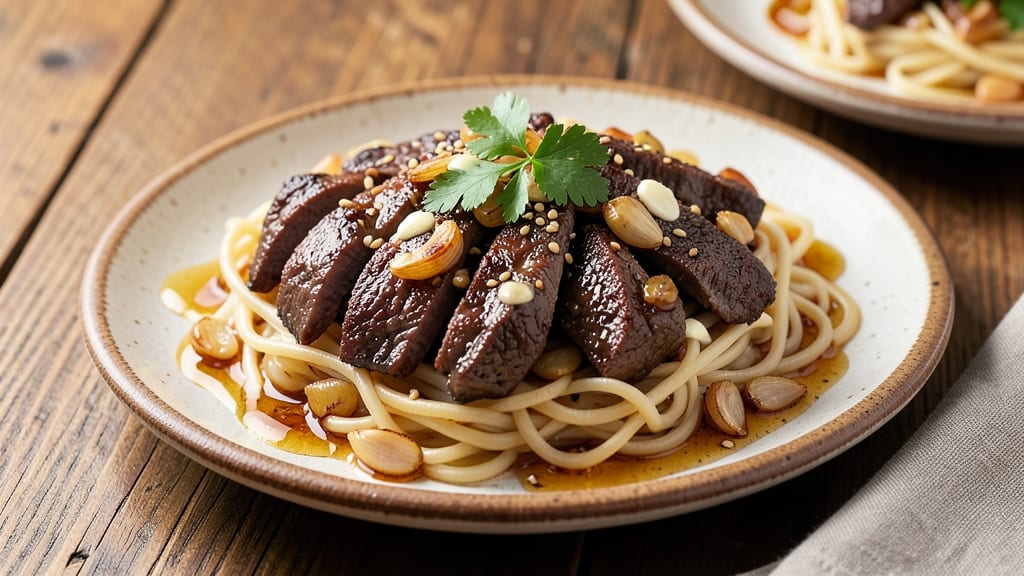
This beef and butter noodles recipe delivers restaurant-quality richness that transforms simple ingredients into a velvety, flavor-packed dish. The secret lies in searing tender beef strips until golden, then simmering them in a fragrant broth that clings to every strand of egg noodles.
Every bite combines melt-in-your-mouth beef with a creamy butter sauce infused with garlic and herbs—simple yet deeply satisfying.
The process begins with properly searing the beef to lock in juices before building the sauce, which balances butter's richness with aromatic garlic and a touch of white wine for brightness. Cooking the noodles just until al dente ensures they absorb the flavorful broth without becoming mushy.
This method transforms a basic weeknight meal into something special that feels indulgent yet remains approachable for home cooks.
What makes this recipe stand out is how the butter sauce transforms ordinary noodles into something luxurious—creamy yet not heavy, with just enough savory depth from the beef.
The result is a dish that's perfect for chilly evenings, offering hearty comfort without requiring advanced techniques. Serve with steamed greens or crusty bread to complete the meal.
Whether you're recreating a classic Chinese-style beef noodle soup or creating a modern butter garlic version, this recipe delivers consistent results. The key is patience in building the sauce and proper timing with the noodles. Let's create a dish that feels like a restaurant favorite in your own kitchen.
Ingredients for beef and butter noodles
Buttery richness meets tender beef and silky noodles—just twelve ingredients for a restaurant-worthy weeknight meal.
| Ingredient | Amount | Notes |
|---|---|---|
| Flank Steak 🥩 | 1 lb | Thinly sliced against grain |
| Egg Noodles 🍜 | 12 oz | Fresh or dried, al dente preferred |
| Unsalted Butter 🧈 | ½ cup | Cold, cut into 1-inch pieces |
| Garlic Cloves 🧄 | 6 cloves | Minced, not chopped |
| Shallots 🧅 | 2 whole | Finely minced, 2 tbsp total |
| Dry White Wine 🍷 | ¼ cup | Sauvignon Blanc preferred |
| Beef Broth 💧 | 1 ½ cups | Homemade or quality low-sodium |
| Fresh Thyme 🌿 | ¼ cup | Leaves only, stems removed |
| Fresh Parsley 🌿 | ⅛ cup | Chopped, for garnish |
| Sesame Oil 🫒 | 1 tbsp | Toasted, for aroma |
| Soy Sauce 🥢 | 1 tbsp | Light or regular |
| Kosher Salt 🧂 | 1 ½ tsp | Diamond Crystal preferred |
| Ground Black Pepper 🌶️ | ½ tsp | Freshly ground |
| Vegetable Oil 🫒 | 1 tbsp | For searing beef |
The beef makes or breaks this dish. Flank steak is ideal—lean but tender when sliced thin against the grain. Grab it from the butcher counter if possible, or use pre-sliced from the deli section at Whole Foods or Trader Joe's. Look for good marbling but not too much fat. For the butter, Plugrá or Land O'Lakes work perfectly, but avoid salted varieties—the sauce needs pure richness. Fresh thyme and parsley are worth seeking out at farmers markets, but the dried versions at Penzeys or your local grocery store will do in a pinch.
No white wine? Dry vermouth or apple juice works in a bind, but the acidity matters. The beef broth should be rich but not overly salty—Kettle & Fire or homemade is best. For the noodles, fresh egg noodles from Trader Joe's or Costco absorb flavor better than dried, but any quality brand will work. If you're short on time, pre-cooked frozen noodles (like Martini) save 5 minutes. The sesame oil adds depth—don't skip it, but use the toasted kind from Asian markets for that nutty aroma. Need to swap? Toasted sesame seeds at half the amount work too.
Store prepped beef in an airtight container for up to 2 days in the fridge, but it's best used fresh. The butter sauce keeps for 3 days refrigerated, so make extra—it's perfect over rice or toast. Freeze portions for 3 months if you're prepping ahead. For the noodles, cook them just until al dente—they'll finish in the sauce. Leftovers reheat beautifully—just add a splash of water or broth to prevent drying out. This dish tastes even better the next day as flavors meld.
Why You'll Love This Recipe
- Minimal Chopping Required: Between us, slicing flank steak and shallots is the only prep you’ll do. I swear, I’ve made this while scrolling through my phone—no knife skills needed, just quick minces and a sear.
- Rich Butter Magic: That first spoonful of melted butter coating the noodles? It’s like a hug for your taste buds. The garlic and shallots caramelize right into it, making every bite taste like you spent hours cooking.
- Office Lunch Hero: Honestly, this is my go-to for meal prep. Pack the leftovers in a container, and by lunchtime, you’ve got a satisfying, protein-packed meal that doesn’t scream “microwave regret.”
- Budget-Friendly Feast: Flank steak stretches further than you’d think, and a stick of butter goes a long way. I’ve fed four people for under $20 with this—plus, the leftovers taste just as good reheated the next day.
Step-by-step instructions for beef and butter noodles
Master this technique and you'll create a dish where every noodle strand is perfectly coated in rich, velvety beef broth.
Sear the Flank Steak for Maximum Flavor
Heat a large skillet over medium-high heat until hot. Add the 1 tablespoon vegetable oil and swirl to coat the pan. Working in batches if needed, add the 1 lb flank steak sliced against the grain and sear for 2-3 minutes per side until deeply browned and just cooked through.
Real talk: Don't overcrowd the pan or the steak will steam instead of sear. You want those edges to turn deep golden brown—this builds the foundation for your rich broth. Once seared, transfer the beef to a plate and set aside, leaving all the browned bits in the pan. These bits, called fond, are packed with flavor that will dissolve into your sauce.
Build the Butter-Braised Base
Reduce heat to medium and add the 0.5 cup unsalted butter cut into 1-inch pieces. Let it melt completely, about 1 minute, then add the 6 cloves minced garlic and 2 whole finely minced shallots. Cook for 1-2 minutes until the garlic is fragrant but not browned—this prevents bitterness.
Here's the thing—don't walk away. Garlic burns faster than you think. Once fragrant, pour in the 0.25 cup dry white wine and scrape up all those browned bits from the bottom of the pan with a wooden spoon. This deglazing step captures every last bit of flavor that would otherwise stick to the pan.
Simmer the Aromatic Broth
Add the 1.5 cups beef broth, 1 tbsp soy sauce, and 1.5 tsp kosher salt. Bring to a gentle simmer and let it reduce by half—about 5-7 minutes—until the liquid is thickened and coats the back of a spoon. Stir in the 0.25 cup fresh thyme leaves and 0.5 tsp ground black pepper.
The reason we reduce the broth is to concentrate the flavors. You want a sauce that's rich enough to cling to each noodle strand without being watery. If it reduces too quickly, add a splash of water to maintain the simmer. The thyme should infuse its earthy aroma into the broth, creating that restaurant-quality depth.
Cook the Noodles to Al Dente Perfection
While the broth simmers, cook the 12 oz egg noodles in a separate pot of well-salted boiling water according to package instructions until 1 minute shy of al dente. Reserve 1 cup of pasta water before draining—this starchy liquid is essential for creating the perfect sauce consistency.
I always test the noodles by tasting one—it should have a slight bite to it. Undercooked noodles finish cooking in the sauce, preventing mushiness. Drain the noodles but don't rinse them; the surface starch helps the sauce cling beautifully to each strand.
Combine and Finish with Toasted Sesame Oil
Add the drained noodles to the skillet with the beef broth and toss gently to combine. If the sauce seems too thick, add 2-3 tablespoons of the reserved pasta water at a time until it reaches your desired consistency—it should coat the noodles without being soupy.
Return the seared beef to the skillet and toss everything together. Remove from heat and stir in the 1 tablespoon toasted sesame oil. This final touch adds a nutty aroma that elevates the dish. Let it sit for 1 minute off the heat so the flavors meld completely. Garnish with 0.125 cup chopped fresh parsley before serving immediately.
Pro Tips For Making Beef And Butter Noodles
- Slice Thin, Sear Fast: Flank steak’s a tough cut—don’t let it turn chewy. Cut it paper-thin against the grain (about ¼-inch slices) and sear in batches for 1-2 minutes per side on high heat. Crowd the pan and you’ll steam the beef instead of browning it, which kills that rich, buttery flavor you’re going for.
- Melt Butter Slow: Unsalted butter’s your star here, but don’t rush it. After searing the beef, lower the heat to medium-low and let the butter melt into a foamy, golden pool—this takes 2-3 minutes. Skim off the browned bits (they’re bitter) and you’ll end up with a silky sauce, not a greasy mess.
- Toast Shallots First: Raw shallots in butter? They’ll just sit there, sad and watery. Finely dice them, then cook in the same pan you seared the beef—no oil needed—for 3-4 minutes until soft and golden. This step makes a real difference in flavor, even if it feels like an extra step.
- Salt the Noodles Early: Egg noodles soak up butter like sponges, but they also absorb salt. Toss them with a pinch of salt while cooking (about ½ teaspoon per pound) so they’re seasoned from the start. Add salt later and you’ll end up chasing flavor instead of savoring it.
Troubleshooting this dish
Sauce Too Thin?
If your sauce feels watery after combining with noodles, don’t panic—this happens when the broth didn’t reduce enough. The fix? Add 2-3 tablespoons of reserved pasta water at a time, stirring gently until the sauce clings to the noodles.
The starch in the pasta water acts like a glue, thickening the sauce instantly. For extra richness, stir in 1 extra tablespoon of cold butter at the end—it’ll melt into a velvety finish. 🌟
Beef Overcooked or Dry?
Flank steak is lean and cooks fast, so 2-3 minutes per side is ideal—any longer and it’ll turn tough. If your beef tastes dry, try slicing it thinner against the grain next time.
For extra moisture, add 1 teaspoon of beef broth to the skillet while the beef rests, then toss it in just before serving. Pro tip: Use a meat thermometer to check for 140°F internal temp—that’s perfect for tender, juicy strips.
Noodles Mushy or Undercooked?
Cooking noodles to al dente (1 minute shy of package time) is key—they’ll finish in the hot sauce. If they’re still firm after tossing, return the skillet to low heat for 1-2 minutes, stirring occasionally.
For mushy noodles, next time undercook them by 2 minutes and finish in the sauce. Fresh egg noodles hold up better than dried, but if you’re using dried, Martini brand is my go-to for texture.
Butter Separating or Burning?
Butter burns faster than you’d think—keep heat at medium when melting it, and never walk away. If your butter separates, whisk in 1 teaspoon of cold water to re-emulsify it.
For extra stability, add the butter in small pieces while stirring constantly. And always use unsalted butter—salted varieties can make the sauce taste unevenly salty. 🧈
Flavor Too Mild?
Boost depth by adding 1 extra clove of garlic or ½ teaspoon of toasted sesame seeds to the sauce. For umami, stir in 1 teaspoon of fish sauce or ½ teaspoon of white miso paste at the end.
If the wine deglaze tastes sharp, reduce it longer—3-5 minutes of simmering softens the acidity. A pinch of red pepper flakes adds heat without overpowering.
Broth Not Clinging to Noodles?
This usually means the sauce lacks starch or fat. Toss in 1 tablespoon of cold butter or 2 tablespoons of pasta water to help the sauce coat the noodles. For extra cling, add 1 teaspoon of cornstarch mixed with 1 tablespoon water, then stir until thickened.
The key is tossing gently—don’t overmix, or the sauce will break apart. 💫
Nutrition facts
Frequently asked questions about beef and butter noodles
Can I use ground beef instead of flank steak?
You can, but the texture will differ. Ground beef works best for a heartier, meatier dish—just brown it well with 1 tablespoon of oil until fully cooked through (5-6 minutes). For authentic tenderness, stick with flank steak sliced thinly against the grain. If using ground beef, add 1 teaspoon of Worcestershire sauce to deepen the flavor.
How do I make this dish vegetarian?
Swap the beef for mushroom strips (shiitake or cremini) sautéed until golden, or use tofu or tempeh marinated in soy sauce and garlic. Replace beef broth with vegetable broth and add 1 teaspoon of miso paste for umami. The butter sauce remains the same—just as rich and flavorful!
What's the best way to reheat leftovers?
Reheat gently in a skillet over low heat with 1 tablespoon of water or broth to prevent drying. Stir frequently for 3-4 minutes until warmed through. Avoid microwaving—it makes the sauce separate. For extra richness, stir in 1 tablespoon of cold butter at the end to restore creaminess.
Can I make this dish ahead of time?
Yes! Prepare the sauce (without noodles) up to 3 days ahead and store it in an airtight container. Reheat gently, then cook fresh noodles separately and toss them in just before serving. The beef can be seared and refrigerated for 2 days, but finish cooking it fresh for best texture.
What sides pair well with this dish?
For a balanced meal, try steamed broccoli or asparagus to cut through the richness, or add crusty bread to soak up the sauce. A simple side salad with lemon vinaigrette adds freshness. For extra indulgence, serve with garlic-roasted potatoes or blistered green beans.