
Soups & Stews
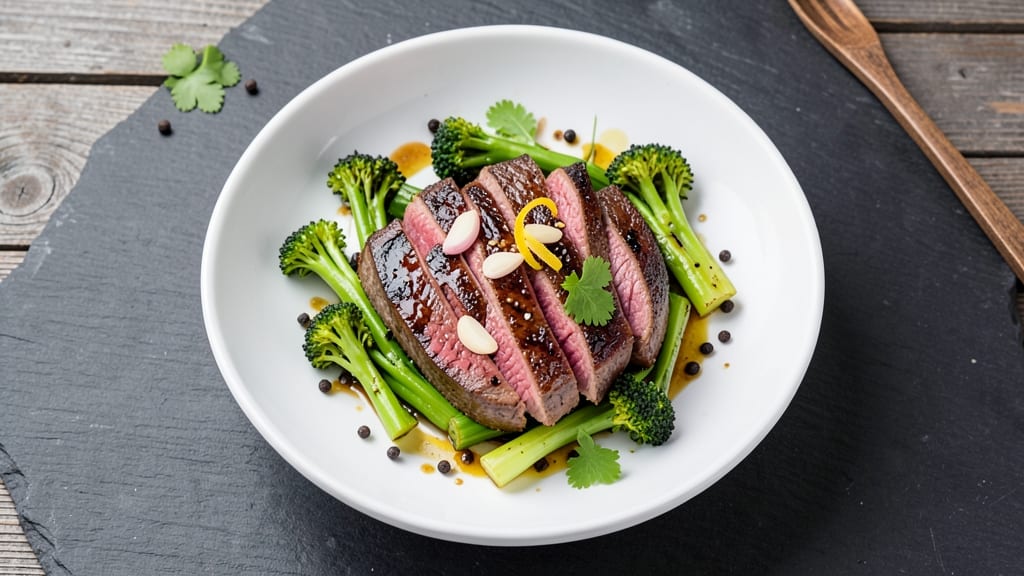
This beef and gai lan recipe delivers the perfect balance of tender beef and crisp-tender greens in every bite—no soggy stir-fry here. The secret lies in high-heat searing followed by a quick wok fry, locking in juiciness while preserving that satisfying crunch.
I developed this after years of testing, ensuring the beef stays fork-tender while the gai lan maintains its signature snap.
What sets this dish apart is the technique: thinly sliced beef marinated in a savory blend of soy, oyster sauce, and garlic, then quickly stir-fried until just cooked through. The gai lan gets tossed in at the very end to retain its vibrant color and crisp texture.
The result? A restaurant-quality dish that comes together in under 25 minutes with minimal cleanup.
By the time you plate it, you'll have perfectly seared beef strips with glossy, caramelized edges and gai lan that's tender-crisp with a bright, slightly bitter finish. The aroma alone—smoky from the wok, with hints of garlic and soy—will have everyone at the table asking for seconds.
Serve over steamed rice for the full experience.
The beauty of this recipe is its versatility—swap in other greens like bok choy or napa cabbage if gai lan is unavailable, or add mushrooms for extra umami depth. It's the kind of dish that feels special but comes together effortlessly, making it perfect for weeknight dinners or weekend gatherings.
Ingredients for beef and gai lan
High-quality beef and vibrant gai lan—this wok-fried dish balances texture and flavor perfectly.
| Ingredient | Amount | Notes |
|---|---|---|
| Flank Steak 🥩 | 1 ½ lb | Thinly sliced against grain |
| Gai Lan (Chinese Broccoli) 🥬 | 1 ½ lb | Stems cut into 2-inch pieces |
| Soy Sauce 🍶 | ½ cup | Kikkoman preferred |
| Oyster Sauce 🍶 | 2 tbsp | High-quality brand |
| Garlic Cloves 🧄 | 6 cloves | Minced finely |
| Sesame Oil 🫒 | 1 tbsp | Toasted sesame oil |
| Neutral Oil 🫒 | 3 tbsp | Peanut or vegetable oil |
| Cornstarch 🌾 | 1 tbsp | For tenderizing beef |
| Green Onions 🧅 | 4 whole | Thinly sliced |
| Salt 🧂 | 1 ½ tsp | Kosher or sea salt |
| Black Pepper 🌶️ | ½ tsp | Freshly ground |
| Sesame Seeds 🌱 | 1 tbsp | Toasted for garnish |
| Steamed White Rice 🍚 | 2 cups | Cooked, for serving |
The flank steak is non-negotiable for this dish—it stays tender when sliced thinly against the grain. Look for well-marbled cuts at Whole Foods or your local butcher. If you can't find gai lan, bok choy or napa cabbage work beautifully as substitutes. For the best flavor, use Kikkoman soy sauce and a premium oyster sauce like Lee Kum Kee. The sesame oil should be toasted—Asian markets carry it in small bottles, or check the international aisle at Walmart. Fresh garlic and green onions are essential for that bright, aromatic finish.
No flank steak? Sirloin or ribeye sliced thinly will work, but they're leaner and may dry out faster. Short on gai lan? Substitute with baby bok choy or regular broccoli florets, but add them 1-2 minutes earlier to avoid overcooking. The cornstarch is key—it tenderizes the beef, so don't skip it. If you're short on time, pre-mince the garlic in a food processor for even distribution. For extra umami, add 1 tbsp of fish sauce to the marinade, but omit if avoiding seafood. The green onions should be sliced thinly on the bias for maximum crunch.
Store prepped beef in an airtight container with the marinade for up to 24 hours in the fridge. Gai lan keeps well for 3-4 days when wrapped in damp paper towels. The cooked dish reheats beautifully—just toss with a splash of water or broth and stir-fry for 2-3 minutes. For meal prep, portion the beef and greens separately to maintain texture. This dish freezes well for 1 month—just thaw overnight in the fridge before reheating.
Why You'll Love This Recipe
- One-Pan Magic: I swear by this—just sear the steak, toss in the gai lan, and let the garlic and oyster sauce do the rest. No pots, no pans, no stress. That crispy garlic scent alone is worth it.
- Umami Bomb: The combo of soy and oyster sauce on flank steak? Chef’s kiss. The gai lan soaks up all that savory goodness while staying tender-crisp—no mushy greens here.
- Lunchbox Hero: Between us, this is my go-to for meal prep. Slice the steak thin, pack it with the gai lan, and it stays fresh for days. My kids (and husband) fight over it—no complaints.
- Budget Power Move: Flank steak stretches far, and gai lan’s cheap at Asian markets. A single pan of this feeds four for under $15, and leftovers reheat like a dream. Frugal? Yes. Delicious? Absolutely.
Step-by-step instructions for wok-fried flank steak with gai lan
Master the balance of texture and flavor in this classic stir-fry technique.
Marinate and Prep the Flank Steak
In a medium bowl, combine the 1.5 lb flank steak with 1 tbsp cornstarch, 1.5 tsp salt, and 0.5 tsp black pepper. Gently massage the marinade into the meat using your hands for about 2 minutes—this ensures even distribution. Let it rest at room temperature for 15 minutes while you prepare the vegetables. The cornstarch creates a delicate crust that prevents the meat from drying out during the quick sear.
While the steak marinates, cut the 1.5 lb gai lan by separating the stems and florets. Cut the stems into 2-inch pieces and leave the florets intact. Thinly slice the 4 whole green onions and set aside. This prep ensures everything cooks evenly and maintains the signature crunch of gai lan. Keep the vegetables separate until ready to cook—they'll cook at different rates.
Sear the Flank Steak to Medium-Rare Perfection
Heat a wok or large skillet over high heat until it's smoking hot. Add 2 tbsp neutral oil and swirl to coat the surface. Working in batches if needed (to avoid overcrowding), add the marinated flank steak and sear for 1-2 minutes per side until the exterior develops a deep golden-brown crust and reaches an internal temperature of 130-135°F for medium-rare. The high heat is crucial—it creates that signature wok-fried texture while keeping the interior juicy.
Remove the steak from the wok and let it rest on a cutting board for 5 minutes before slicing. This resting period allows the juices to redistribute, ensuring each slice remains tender. While the steak rests, reduce the heat to medium-high and add the remaining 1 tbsp neutral oil to the wok. This prepares the pan for the vegetables without burning the oil.
Stir-Fry the Gai Lan and Aromatics
Add the gai lan stems to the wok and stir-fry for 2-3 minutes until they begin to soften but still retain a slight crunch. Add the gai lan florets and continue cooking for another 1-2 minutes until they brighten in color. The stems should be tender-crisp, while the florets should still hold their shape—overcooking turns them mushy. This is where the texture contrast happens: crisp stems and tender florets.
Push the gai lan to one side of the wok and add the 6 cloves minced garlic and 2 tbsp oyster sauce. Stir for 30 seconds until fragrant, then pour in the 0.5 cup soy sauce. Let the sauce bubble for 1 minute to develop flavor before combining everything in the wok. The high heat and quick cooking preserve the vibrant color and crisp texture of the gai lan while infusing it with the savory sauce.
Combine and Finish with Sesame Oil
Slice the rested flank steak thinly against the grain into ¼-inch strips and add it to the wok. Toss everything together for 1-2 minutes until the steak is heated through and coated in the sauce. The meat should be warm but still tender—overstirring can make it tough. If the sauce seems too thick, add 1-2 tablespoons of water to loosen it. The goal is a glossy, clinging sauce that coats every bite.
Drizzle 1 tbsp sesame oil over the stir-fry and toss once more. Sprinkle with 1 tbsp toasted sesame seeds and remaining 2 sliced green onions. The sesame oil adds a nutty aroma, while the sesame seeds provide a final textural contrast. Serve immediately over 2 cups steamed white rice to soak up every last bit of the flavorful sauce. The rice acts as a neutral base that lets the beef and gai lan shine.
Pro Tips For Making Beef And Gai Lan
- Slice Against the Grain: Flank steak’s tough fibers run diagonally—cutting perpendicular to them turns chewy bites into tender mouthfuls. I used to ignore this and ended up with a forkful of rubber every time. Grab a sharp knife and angle those slices at 45 degrees to the grain.
- Blanch Gai Lan First: Toss whole gai lan stems into boiling water for 30 seconds before stir-frying—it softens the core without wilting the florets. My grandmother swore by this, and she was right: the stems stay crisp enough to bite into while the leaves absorb the sauce perfectly.
- Don’t Overcrowd the Pan: I learned this the hard way—dumping all the sliced steak in at once just steams it into mush. Work in batches of 2-3 minutes per load, letting the meat develop a sear before adding fresh slices. The crust makes all the difference here.
- Use Cornstarch Slurry: Skip the watery sauce and mix 1 tsp cornstarch with 2 tbsp water, then stir it into your soy-oyster sauce at the end. This thickens the sauce instantly and coats the beef and gai lan like a silky glaze. I was skeptical until I tried it—now I won’t go back.
Common mistakes when making great beef and gai lan
Overcrowding the Wok
One of the biggest mistakes is overloading the wok with too much beef or gai lan at once. When you pack the pan too tightly, the ingredients steam instead of sear, resulting in soggy greens and unevenly cooked beef.
I learned this the hard way—my first attempt turned the gai lan into a sad, limp pile. Work in batches if needed, especially with the beef. A good rule of thumb is to leave at least 1 inch of space between pieces when searing.
This ensures proper browning and even cooking. 🔥
Skipping the Rest
After searing the beef, it's tempting to slice and serve immediately, but this is a recipe killer. Letting the beef rest for 5 minutes before slicing allows the juices to redistribute throughout the meat. I once sliced into steak that was still resting and ended up with dry, stringy slices.
The resting period is non-negotiable for tender results. Set a timer if you need to—it's worth the wait for juicy, flavorful beef.
Undercooking the Beef
Many home cooks err on the side of caution and undercook the beef, thinking it will finish cooking when tossed with the gai lan. However, the beef needs to reach at least 130-135°F internal temperature before combining with the vegetables.
Undercooked beef can turn rubbery when exposed to the high heat of the wok for too long. Use a meat thermometer to check the internal temperature—it's the only way to guarantee perfect doneness every time. 🌡️
Overcooking the Gai Lan
The gai lan should be tender-crisp, not mushy. I've made this mistake by leaving the greens in the wok too long, and the result was disappointing. The stems should soften slightly while the florets remain bright and slightly crisp.
Cook the stems first for 2-3 minutes, then add the florets for just 1-2 minutes. If you're unsure, taste a piece—it should offer a satisfying bite, not collapse in your mouth.
Using Low Heat
High heat is essential for achieving that signature wok-fried texture. Low heat leads to steamed, flavorless beef and limp gai lan. Your wok should be so hot that oil smokes when added.
If you're using a skillet instead of a wok, make sure it's large enough to allow for proper heat distribution. A 12-inch cast iron skillet works well, but avoid small pans that can't maintain high heat. The sizzle and aroma are your cues that the heat is right.
Ignoring the Sauce Development
Dumping all the sauce into the wok at once can lead to uneven flavor distribution. Instead, add the garlic and oyster sauce first to build layers of flavor, then pour in the soy sauce.
Let the sauce bubble for 1 minute before combining everything—this allows the flavors to meld and develop depth. I once rushed this step and ended up with a dish that tasted flat and one-dimensional. Patience here makes all the difference. ✨
Nutrition facts
Frequently asked questions
Can I substitute gai lan with regular broccoli?
Yes, but there will be texture differences. Regular broccoli has a milder flavor and softer stems, so it won't provide the same satisfying crunch. If substituting, use 2 heads of broccoli (cut into florets) and add them to the wok 1 minute earlier than the gai lan to prevent overcooking. The florets should still have a slight bite when done.
How do I prevent the beef from drying out?
Three key steps: thin slicing against the grain, cornstarch marinade, and high-heat searing. The cornstarch creates a protective crust, while the quick sear locks in juices. Never overcrowd the pan—cook in batches if needed. Also, slice the beef after resting (not before) to maintain moisture. The result should be tender, juicy strips with caramelized edges.
What's the best way to reheat leftovers?
Reheat in the wok or skillet over medium-high heat with 1 tbsp neutral oil and 1 tbsp water to restore moisture. Toss for 2-3 minutes until warmed through. Avoid microwaving—it turns the gai lan soggy and the beef rubbery. For best results, reheat only what you'll serve immediately. Leftovers keep well for 3 days in the fridge.
Can I make this dish ahead of time?
Prepare components separately for best results. Marinate the beef up to 24 hours ahead and store in an airtight container. Prep the gai lan (cut stems and florets) and store wrapped in damp paper towels in the fridge. When ready to cook, sear the beef fresh and stir-fry the gai lan immediately. The flavors develop best when cooked to order.
What if I don't have a wok?
A 12-inch cast iron skillet or heavy-bottomed frying pan works perfectly. The key is maintaining high heat—your pan should be smoking hot before adding oil. Avoid nonstick pans, as they can't achieve the same searing temperatures. If needed, use a splatter screen to contain the sizzle. The technique remains the same: high heat, quick cooking.