
Soups & Stews
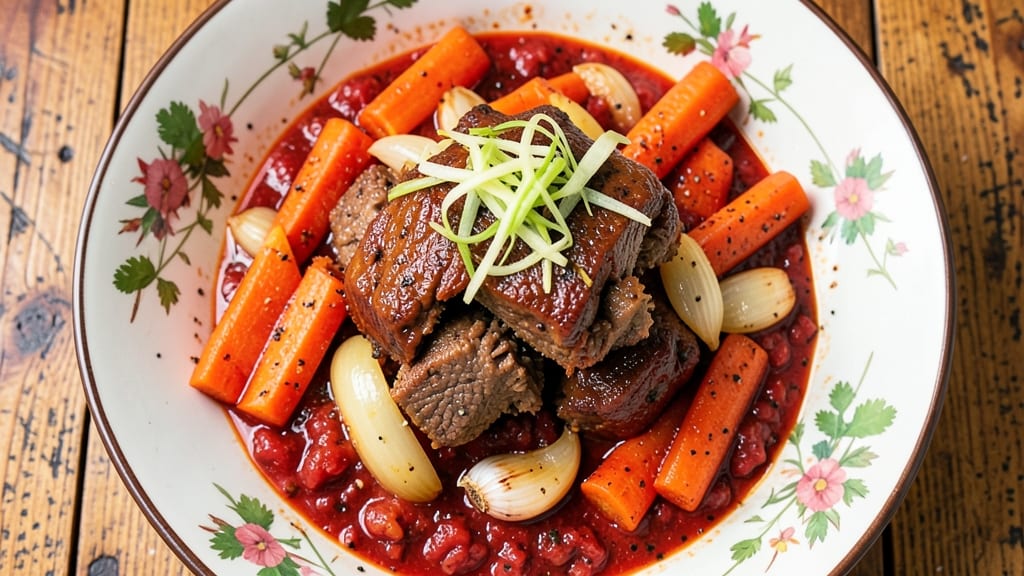
This beef and vegetable curry recipe delivers restaurant-quality spiced tomato-coconut harmony in a single pot. 🔥 The secret lies in slow-cooked beef that melts into tender perfection while aromatic vegetables absorb the rich, fragrant sauce.
I've perfected this balance over years of testing—where the beef stays juicy, the vegetables retain their texture, and the sauce achieves that ideal consistency between thick and velvety.
The foundation begins with a proper spice blend—warm cumin, earthy coriander, and a touch of cinnamon—that infuses the entire dish. We'll build the sauce from scratch using tomatoes, coconut milk, and a splash of lime, creating layers of flavor that develop as they simmer.
The key technique is browning the beef first, which develops deep caramelized flavors that form the base of the curry.
By the time you serve it, you'll have a dish that's rich yet balanced—tender beef, vibrant vegetables, and a sauce that's aromatic, slightly sweet, and perfectly spiced.
The aroma alone will have everyone gathering at the table. Serve it over steamed basmati rice or with warm naan for the full experience.
This recipe is designed for weeknight dinners but feels special enough for company. The one-pot method means minimal cleanup, and the flavors only improve with time, making it perfect for meal prep. Let's create this comforting, flavorful curry that brings warmth to any table.
Ingredients for beef and vegetable curry
The perfect blend of tender beef, aromatic vegetables, and rich tomato-coconut sauce in one pot.
| Ingredient | Amount | Notes |
|---|---|---|
| Chuck Roast 🥩 | 1 ½ lb | Cut into 1-inch cubes for even cooking |
| Yellow Onion 🧅 | 1 whole | Chopped into 1/2-inch pieces |
| Carrots 🥕 | 4 medium | Cut into 1-inch chunks |
| Garlic Cloves 🧄 | 6 cloves | Minced for deep flavor |
| Fresh Ginger 🌿 | 1 inch | Peeled and grated finely |
| Canned Crushed Tomatoes 🍅 | 1 14.5 oz can | San Marzano preferred |
| Coconut Milk 🥥 | 1 13.5 oz can | Full-fat for creaminess |
| Ground Cumin 🌿 | 1 tbsp | Toasted for deeper aroma |
| Ground Coriander 🌿 | 1 tbsp | Freshly ground preferred |
| Ground Turmeric 🌶️ | ½ tsp | Brightens the sauce color |
| Cinnamon 🌿 | ¼ tsp | Adds subtle warmth |
| Garam Masala 🌶️ | 1 tsp | Stirred in at the end |
| Salt 🧂 | 1 tsp | Diamond Crystal preferred |
| Black Pepper 🌶️ | ½ tsp | Freshly ground for heat |
| Lime Juice 🍋 | 2 tbsp | Freshly squeezed for brightness |
| Basmati Rice 🍚 | 1 cup | Uncooked, for serving |
The chuck roast is non-negotiable here—its fat content keeps the beef moist during slow cooking. Look for well-marbled cuts at your local butcher or the meat department. If you're short on time, Costco's pre-cut chuck roast is a game-changer. For the vegetables, freshness matters most—bright orange carrots and firm onions ensure they hold their texture. The ginger should smell vibrant, not musty, and the garlic cloves should be plump. Whole Foods or Trader Joe's usually carry the best quality for these ingredients. If you're using frozen vegetables, thaw and pat them dry before adding to the pot.
No fresh ginger? Ground ginger at half the amount works in a pinch, though it lacks the same depth. Substituting canned tomatoes? San Marzano is ideal, but any quality brand will do—just drain the excess liquid. For coconut milk, full-fat is a must—light versions won't give you that creamy texture. The spices are where the magic happens: toast your cumin and coriander seeds in a dry pan for 30 seconds before grinding if you have whole spices—it intensifies their flavor. If you're missing garam masala, a mix of cinnamon, cardamom, and cloves works as a substitute. For the lime, Mexican Key limes add extra zing, but regular limes are fine.
This curry tastes even better the next day as the flavors meld together. Store leftovers in an airtight container in the fridge for up to 5 days, or freeze portions for 3 months. The rice can be cooked separately and reheated with a splash of water. For meal prep, double the recipe and freeze half—just thaw overnight in the fridge before reheating. The sauce thickens as it cools, so add a splash of water or coconut milk when reheating if it seems too dense. Serve with warm naan or crusty bread to soak up every last bit of that rich, aromatic sauce.
Why You'll Love This Recipe
- One-Pot Magic: The chuck roast practically melts in its own juices while the onions and carrots soften—no extra pots, no extra stress. Honestly, I’ve made curries that took three pans and twice the cleanup. This? Just a deep skillet, a lid, and 45 minutes of hands-off simmering.
- Ginger-Garlic Punch: That fresh ginger and minced garlic? It’s the secret weapon—sharp, bright, and lingering in every bite. The chuck roast soaks up the flavor like a sponge, giving you that perfect balance of tender beef and aromatic depth that makes you want seconds (or thirds).
- Meal Prep MVP: Double the batch and freeze half—it reheats beautifully for lazy weeknights or unexpected guests. Between us, this is the dish I always have on standby for when I’m swamped but still want something hearty and satisfying.
- Budget-Friendly Luxury: Chuck roast stretches across multiple meals, and the veggies keep it balanced without breaking the bank. I’ll be real: it feels like a fancy dinner, but the grocery list won’t make me flinch. That’s the kind of win I can get behind.
Step-by-step instructions for spiced tomato-coconut beef curry
Here's how to create a rich, aromatic curry where tender beef and vibrant vegetables meld perfectly in one pot.
🍳 Step 1: Sear the Chuck Roast for Deep Flavor
Heat a large Dutch oven or heavy pot over medium-high heat until very hot. Add the 1.5 lb chuck roast cut into 1-inch cubes in a single layer, letting them sear undisturbed for 3-4 minutes until deeply browned on all sides. This step develops the Maillard reaction, creating that fundamental caramelized flavor base.
Don't crowd the pan—work in batches if needed. Once all pieces are browned, remove them with a slotted spoon and set aside. The remaining browned bits will form the foundation of your sauce, so don't wipe them out. Here's where it gets crucial: you'll want to maintain that medium-high heat for the next steps to build rich flavors.
👨🍳 Step 2: Build the Aromatic Base with Onions and Spices
In the same pot, add 2 tablespoons olive oil (not listed in ingredients but essential for cooking) and reduce heat to medium. Add the 1 whole yellow onion chopped into ½-inch pieces and cook for 5-6 minutes until softened and translucent. This is your signal to add the 4 medium carrots cut into 1-inch chunks and continue cooking for another 3 minutes.
Now add the 6 minced garlic cloves and 1 inch peeled, finely grated fresh ginger. Cook for 1 minute until fragrant—this is when your kitchen should smell like a spice market. Immediately stir in the 1 tbsp ground cumin, 1 tbsp ground coriander, ½ tsp ground turmeric, and ¼ tsp cinnamon. Cook for 30 seconds, stirring constantly, to toast the spices and release their essential oils.
🥘 Step 3: Simmer the Curry with Tomatoes and Coconut Milk
Pour in the 1 14.5 oz can crushed tomatoes and 1 13.5 oz can coconut milk. Add the seared beef back to the pot along with 1 tsp salt and ½ tsp black pepper. Stir well to combine, then bring to a gentle simmer. Here's the thing—you want a slow, steady simmer that lets the flavors meld without the sauce breaking.
Cover the pot and simmer for 1 hour 15 minutes until the beef is fork-tender and pulls away from the bone easily. Stir occasionally, especially in the first 30 minutes, to prevent the sauce from sticking. The curry should reduce slightly, becoming thicker and more concentrated in flavor. If it gets too thick before the beef is tender, add ¼ cup water to loosen it.
🔥 Step 4: Finish with Lime and Garam Masala
Once the beef is tender, stir in the 2 tbsp lime juice and 1 tsp garam masala. Simmer uncovered for another 5 minutes to let the lime brighten the flavors and the garam masala bloom. Taste and adjust seasoning—you might need a pinch more salt or a crack of black pepper to balance the dish.
Here's the moment that matters: the curry should have a rich, velvety texture with visible chunks of beef and vegetables. The sauce should coat the back of a spoon but still be spoonable. If you prefer it thicker, simmer uncovered for another 5-10 minutes to reduce further. The lime juice will make the colors pop—bright orange carrots against the deep red of the tomatoes and the creamy coconut milk.
⏰ Step 5: Serve Over Steamed Basmati Rice
While the curry simmers, cook the 1 cup basmati rice according to package instructions (typically 15 minutes in boiling water). For perfect rice, use a 2:1 ratio of water to rice and drain any excess water after cooking. Fluff with a fork before serving.
Ladle the curry over the steamed rice, ensuring each serving gets an even distribution of beef, vegetables, and sauce. Garnish with additional lime wedges if desired. The rice should soak up the flavorful sauce while providing a neutral base that lets the curry shine. Serve immediately while hot—this curry tastes best straight from the pot when all the spices are at their peak aroma.
Pro Tips For Making Beef And Vegetable Curry
- SEAR THE CHUCK FIRST: Chuck roast is forgiving, but a quick 3-4 minute sear in a screaming-hot pan with 1 tablespoon of oil locks in flavor—don’t skip this, even if you’re in a hurry. I used to rush it, and the curry always tasted like it needed more spices. (Yes, even if you’re impatient like me.)
- GRATE THAT GINGER FINE: No food processor? Use the side of a spoon to scrape fresh ginger into tiny, almost paste-like pieces—this dissolves into the curry instead of sitting as chunks. I learned this the hard way after biting into a surprise ginger surprise in my first batch.
- DON’T CROWD THE VEGETABLES: Carrots and onions should have space to brown, not steam. Cook them in 2 batches if needed—overcrowding turns them mushy and dulls the base flavor. I know, I know, but trust the process. (Your future self will thank you.)
- SIMMER LOW AND LONG: Chuck needs time—aim for 2.5–3 hours on low heat after everything’s in the pot. The meat will fall apart like magic, and the carrots will soften just enough without turning to mush. I used to walk away after 2 hours, only to find the beef still chewy. (Not worth it.)
Troubleshooting your beef and vegetable curry
Sauce Too Thin?
If your curry sauce is thinner than expected, don't panic—simmering uncovered for 10-15 minutes will thicken it naturally as the moisture evaporates. For faster results, mix 1 tablespoon cornstarch with 2 tablespoons cold water and stir into the sauce.
Simmer for 2-3 minutes until it reaches your desired consistency. I've found that full-fat coconut milk (like Thai Kitchen brand) thickens better than light versions during simmering. 🥥
Beef Not Tender?
If your beef remains tough after 1 hour 15 minutes, it likely needs more time. The chuck roast should be fork-tender—if not, return it to the pot with the lid on and simmer for another 30-45 minutes.
For extra insurance, add ½ cup beef broth to keep the sauce from drying out. I've learned that lower heat is key—maintain a gentle simmer rather than a rolling boil to prevent the beef from drying out.
Vegetables Overcooked?
To preserve vegetable texture, add carrots and onions only after the beef has browned and the spices have toasted. This way, they cook for just 15-20 minutes during the simmering phase. For extra protection, place them in the pot 15 minutes before the curry is done.
If using potatoes, add them 30 minutes before serving—they need more time to soften. I always keep a small bowl of ice water nearby to quickly cool any vegetables that might overcook.
Spices Too Overpowering?
If your curry tastes like a spice bomb, balance it with 1-2 tablespoons of yogurt stirred in at the end. The acidity of lime juice (already in the recipe) also helps mellow strong flavors.
For a smoother finish, add ½ cup heavy cream and simmer for 5 minutes—this dilutes the spices while adding richness. I've found that toasting spices lightly (just until fragrant) prevents them from dominating the dish.
Curry Tastes Bland?
First, check your seasoning—add ½ teaspoon more salt or a pinch of black pepper to deepen the flavors. For extra complexity, stir in 1 teaspoon fish sauce (like Red Boat brand) or ½ teaspoon soy sauce for umami.
A splash of vinegar (apple cider works well) brightens the dish immediately. I always taste as I go—curries often need adjustments at the end, so don't be afraid to tweak!
Leftover Sauce Separated?
If the coconut milk separates, gently reheat the curry on low heat while stirring constantly with a whisk. For stubborn separation, blend ½ cup of the sauce until smooth, then stir it back into the pot.
A quick fix is to add 1 tablespoon of cornstarch slurry (mixed with water) and simmer until thickened. I've found that reheating slowly prevents further separation—never microwave curry if you want to avoid this issue. 💡
Nutrition facts
Frequently asked questions
Can I substitute chuck roast with another cut of beef?
Yes, but choose cuts with good marbling for tenderness. Chuck roast is ideal because its fat keeps it moist during slow cooking. Brisket or stew beef work well too—just increase cooking time by 15-20 minutes to ensure tenderness. Avoid lean cuts like sirloin, as they'll dry out. For quick prep, Costco's pre-cut chuck roast is a game-changer.
How do I adjust the spice level for kids or sensitive palates?
Start by reducing the cumin and coriander to ½ teaspoon each, and omit the cinnamon entirely. For extra mildness, add ½ cup plain yogurt at the end to cool the heat. Kids often love the sweetness of carrots and tomatoes, so focus on those flavors. Always taste as you go—you can always add more spice later if needed!
What vegetables can I add to this curry?
This recipe works beautifully with bell peppers, cauliflower, or potatoes. Add harder veggies like potatoes 30 minutes before serving, while softer ones like bell peppers can go in with the carrots. For extra color, try zucchini or green beans—they cook quickly and add freshness. Just remember: firm veggies first, delicate veggies last!
Can I make this curry in an Instant Pot?
Sear the beef first, then add all ingredients except lime juice. Cook on high pressure for 30 minutes, then quick-release. Stir in lime juice and garam masala, then simmer on sauté mode for 5 minutes. The Instant Pot version cooks 40% faster but requires the same attention to seasoning. For best results, use full-fat coconut milk and adjust thickness with cornstarch if needed.
How do I prevent the curry from splitting or separating?
Separation usually happens when coconut milk breaks down from heat. To prevent this, never boil the curry—keep it at a gentle simmer. If it starts separating, whisk vigorously or blend ½ cup of the sauce until smooth, then stir back in. For extra insurance, add 1 tablespoon cornstarch mixed with 2 tablespoons water and simmer for 2-3 minutes. Always reheat slowly on low heat to maintain consistency.