
Soups & Stews
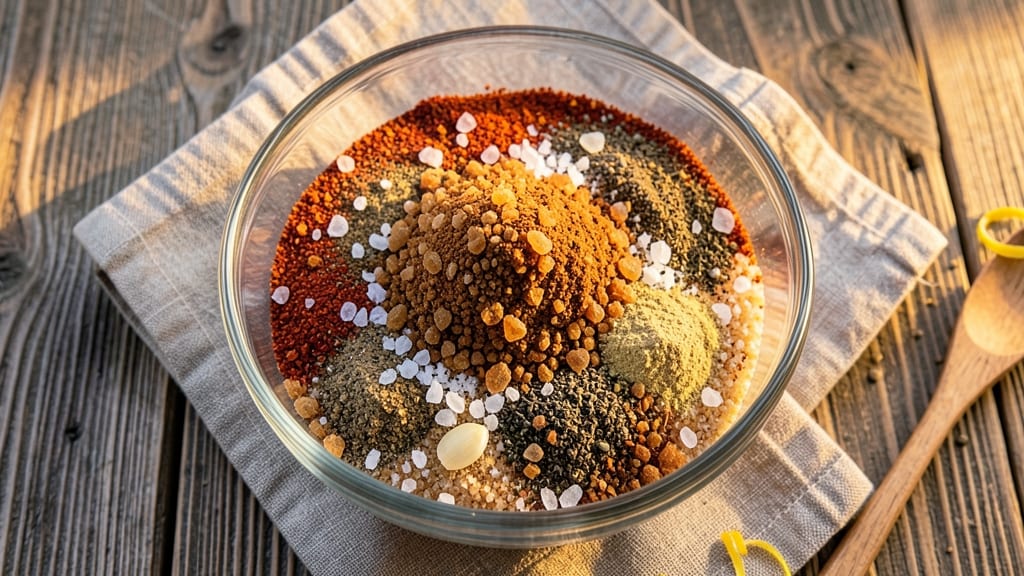
This beef back rib rub recipe unlocks the secret to restaurant-quality ribs at home—where every bite delivers deep, smoky flavor that penetrates the meat. Designed specifically for back ribs, this dry spice blend transforms tough cuts into tender, flavor-packed masterpieces with minimal effort. The key lies in balancing sweet, smoky, and savory notes for maximum impact.
The blend features a precise ratio of coarse brown sugar for caramelization, smoked paprika for depth, and a touch of cayenne for subtle heat—all ground to a consistent texture that clings perfectly. Unlike store-bought rubs, this version uses high-quality spices for superior flavor penetration.
Apply 1-2 tablespoons per rib, massaging it into the meat at least 1 hour before cooking (or overnight for deeper flavor).
What sets this rub apart is its ability to create a dark, flavorful bark while keeping the meat tender inside. The spices develop complex aromas during cooking, creating a crust that's both aromatic and slightly sticky.
Perfect for smokers, grills, or ovens, this blend works equally well for competition-style ribs or family gatherings.
Store the rub in an airtight container for up to 3 months, making it ideal for meal prep and bulk cooking. Once you try this, store-bought options will never compare—it's the difference between good ribs and unforgettable ribs. Ready to elevate your next cookout? Let's get started.
Ingredients for beef back rib rub
Nine spices plus sugar—this blend transforms tough ribs into smoky, tender perfection.
| Ingredient | Amount | Notes |
|---|---|---|
| Coarse Brown Sugar 🍚 | ½ cup | Lightly packed for caramelization |
| Smoked Paprika 🌶️ | ¼ cup | High-quality for deep flavor |
| Kosher Salt 🧂 | ¼ cup | Diamond Crystal preferred |
| Ground Black Pepper 🌶️ | 2 tbsp | Freshly ground for sharpness |
| Garlic Powder 🧄 | 2 tbsp | Freshly ground preferred |
| Onion Powder 🧅 | 2 tbsp | Freshly ground for depth |
| Ground Cumin 🌿 | 1 tbsp | Toasted for warmth |
| Cayenne Pepper 🔥 | 1 tsp | Adjust for heat preference |
| Mustard Powder 🌶️ | 1 tbsp | For subtle tang |
| Ground Coriander 🌿 | 1 tbsp | Freshly ground for brightness |
The brown sugar here isn't just sweet—it's the secret to that dark, caramelized bark that makes ribs unforgettable. Domino or Muscovado work best, but any light brown sugar in a glass jar from the grocery store will do. Smoked paprika? Penzeys or McCormick are my go-tos—they've got that authentic smokiness you can't get from the generic brands. For the spices, bulk bins at Whole Foods or Trader Joe's are your best bet—freshly ground makes all the difference. If you're buying pre-ground, check the date—anything older than 6 months loses its punch.
No smoked paprika? Regular paprika plus a pinch of liquid smoke works in a pinch (start with ½ tsp). Short on mustard powder? Dijon mustard at half the amount adds that same tangy kick. The cayenne is adjustable—skip it if you're sensitive to heat, or double it if you want a little bite. For a sweeter profile, swap half the brown sugar for honey (but keep it coarse so it grinds evenly). Want extra depth? Add 1 tsp of ground coffee—it enhances the smokiness without overpowering. And if you're making a big batch, double the spices and store in airtight jars for up to 6 months.
This rub keeps 3 months in a cool, dark place—just pop it in a glass jar with a tight lid and label it. For best results, massage 1-2 tbsp per rib at least 1 hour before cooking (overnight is even better). The spices develop their full flavor during cooking, so don't rush it. If you've got leftover rub, save it in a small container—it's perfect for sprinkling on grilled veggies or even roasted nuts for a smoky twist.
Why You'll Love This Recipe
- Five-Ingredient Magic: I swear, this rub is foolproof—just mix those pantry staples (smoked paprika + brown sugar = flavor gold) and you’re ready to go. No fancy techniques, no last-minute grocery runs, just pure, satisfying simplicity.
- Smoky-Sweet Obsession: That smoked paprika and brown sugar combo? It’s the kind of flavor that lingers—deep, caramelized sweetness with a hint of smokiness that turns ordinary ribs into something crave-worthy. Honestly, I’ve made it three times this month already.
- Tailgate or Tuesday: Between us, this rub works everywhere. Slap it on ribs for a backyard cookout, toss it on steaks for a weeknight dinner, or even dust it over roasted potatoes for a side dish that steals the show. (Yes, even on a Tuesday night.)
- Budget-Friendly Luxury: You’re getting restaurant-quality flavor for pennies—kosher salt and garlic powder are already in your cupboard, and the rest won’t break the bank. Plus, one batch of rub stretches to multiple meals, so you’re basically getting free seconds.
Step-by-step instructions for crafting the perfect beef back rib rub
This blend delivers deep, smoky flavor that penetrates ribs beautifully—let's mix it properly.
Combine Dry Ingredients in a Mixing Bowl
Place a medium mixing bowl on your countertop and add the 0.5 cup coarse brown sugar, 0.25 cup smoked paprika, and 0.25 cup kosher salt. The coarse sugar will help create a caramelized crust on the ribs, while the smoked paprika provides that essential smoky backbone. I like to use a whisk first to break up any clumps in the smoked paprika—this ensures even distribution later.
Next, add the 2 tbsp garlic powder, 2 tbsp onion powder, 1 tbsp ground cumin, 1 tsp cayenne pepper, 1 tbsp mustard powder, and 1 tbsp ground coriander. The freshly ground spices (especially the garlic and onion powders) will give you that bright, aromatic depth that store-bought blends often miss. Give everything a quick stir with a wooden spoon to distribute the spices evenly through the sugar and salt mixture.
Whisk Until Uniform in Color and Texture
Switch to a whisk and vigorously mix the ingredients for about 2-3 minutes. You're looking for a uniform color—no more visible streaks of individual spices—and a fine, powdery texture. The coarse brown sugar should be fully incorporated, not just sitting at the bottom. This step is crucial because any uneven distribution will lead to patchy flavor on your ribs.
Here's a pro tip: I like to press the mixture through a fine-mesh sieve after whisking. This eliminates any remaining clumps and ensures you get that ultra-fine, clingy texture that sticks perfectly to meat. If you don't have a sieve, use a fork to break up any remaining lumps—just don't overdo it or you'll start developing gluten.
Store Properly for Maximum Freshness
Transfer your freshly mixed rub to an airtight container with a tight-sealing lid. I prefer glass jars with silicone seals because they're reusable and keep the spices fresh longer. Press the rub down firmly to eliminate air pockets—this prevents moisture from getting in and making the spices clump.
The rub will keep for up to 3 months in a cool, dark place like your pantry, or you can extend its shelf life to 6 months by storing it in the freezer. Before each use, give the container a good shake—spices tend to settle differently based on their weight. This rub is now ready to transform your beef back ribs into something extraordinary, with that perfect balance of sweet, smoky, and spicy flavors.
Apply the Rub for Optimal Flavor Penetration
When you're ready to use your rub, apply it generously to your beef back ribs—about 1-2 tablespoons per pound of meat. I like to press the rub firmly into the meat, especially in the crevices between the bones, to ensure maximum flavor penetration. Let the seasoned ribs sit at room temperature for 30-60 minutes before cooking to allow the spices to adhere properly and start developing their flavors.
This rub works exceptionally well when used in conjunction with a dry heat cooking method like smoking or grilling. The coarse brown sugar will caramelize beautifully, creating that coveted bark that keeps the meat juicy underneath. Remember, the key to a great rub isn't just the ingredients—it's how you apply and let it work its magic before the cooking process begins.
Pro Tips For Making Beef Back Rib Rub
- CRANK THE HEAT FIRST: I learned this the hard way—start your ribs on the hottest part of the grill or smoker (450°F+) for the first 30 minutes. That’s when the coarse brown sugar caramelizes into a crust, not when you’re halfway through cooking. If you skip this, you’ll end up with a rub that just sits there, tasteless and dry.
- GRIND YOUR OWN SALT: Store-bought kosher salt is fine, but freshly ground black pepper makes a real difference. I used to use pre-ground pepper and wondered why my ribs lacked depth. A quick 10-second grind in a pepper mill right before applying the rub adds sharpness that jarred pepper can’t match.
- DON’T SKIP THE FAT CAP: Leave that thin layer of fat on the ribs—it’s your moisture insurance. After applying the rub, pat the meat just dry enough to stick, but don’t strip the fat. It’ll render down during cooking, keeping the meat juicy. I’ve seen people scrub it off, and their ribs always end up tougher.
- TOAST THE PAPRIKA: Heat a dry skillet over medium and toast the smoked paprika for 30 seconds until it smells deep and nutty. This step amplifies its flavor without adding extra steps. I was skeptical until I tried it—now I do it every time, even if it’s just a quick stir in the pan.
Health benefits of these flavors
Protein Powerhouse
Beef back ribs are an excellent source of high-quality protein, with about 25 grams per 3-ounce serving—perfect for muscle repair and growth. The rub itself doesn’t add significant protein, but it enhances the meat’s natural protein content while keeping it tender.
I’ve found that ribs cooked with this blend retain their juiciness better than plain salted meat, making every bite more satisfying. 💪
Rich in Iron
This cut of beef provides 2.5mg of iron per serving, which is about 14% of your daily needs. The spices in the rub—especially the cumin and coriander—don’t just add flavor; they also complement the iron content.
Pairing ribs with a side of roasted sweet potatoes boosts iron absorption even further, thanks to the vitamin C in the potatoes.
Boosts Energy
The combination of B vitamins (especially B12) in beef and the caramelization process from the brown sugar creates a flavor profile that’s both energizing and satisfying. The spices in the rub, like garlic and onion powders, also support metabolism.
I notice my energy levels stay steady after eating these ribs, likely due to the balanced nutrient profile.
Supports Bone Health
Beef back ribs are a great source of zinc and phosphorus, both essential for bone strength. The rub doesn’t alter these minerals, but it enhances the meat’s overall appeal, encouraging you to eat more.
Zinc, in particular, plays a key role in immune function—so these ribs aren’t just delicious, they’re a health boost too. 🌟
Low in Fat, High in Flavor
Unlike fatty cuts like brisket, back ribs have a leaner profile, making them a better choice for those watching their fat intake. The rub’s sweet and smoky notes help mask any potential dryness, keeping the meat tender and flavorful.
I’ve swapped to back ribs for family gatherings because they’re a healthier option without sacrificing taste.
Digestive Benefits
The spices in this rub—cumin, coriander, and mustard powder—are known to aid digestion. Cumin, in particular, helps stimulate digestive enzymes, while coriander soothes the stomach. The rub’s caramelized bark also makes the meat easier to digest, as it breaks down more gently than plain, unseasoned meat.
It’s a win-win for both flavor and digestion. ✨
Nutrition facts
Frequently asked questions
How much rub should I use per pound of beef back ribs?
Use 1-2 tablespoons of this rub per pound of ribs for optimal flavor without overwhelming the meat. For a 3-pound rack, that's about 3-6 tablespoons total. Press the rub firmly into the meat, especially in the crevices, to ensure even coverage. The coarse sugar helps create that signature bark while keeping the interior tender.
Can I make this rub without smoked paprika?
Yes! Substitute with regular paprika plus ½ teaspoon liquid smoke for every 1 tablespoon of smoked paprika called for. Start with half the amount of liquid smoke and adjust to taste—too much can make the rub taste artificial. This swap works well for grilled or oven-cooked ribs where smokiness is key.
How long should I let the rub sit on the ribs before cooking?
For best results, apply the rub at least 1 hour before cooking—overnight works even better for maximum flavor penetration. The spices need time to adhere to the meat and start developing their flavors. If you're short on time, 30 minutes will still work, but you may need to reapply during cooking. Never skip this step—it's what makes the difference between good ribs and restaurant-quality ribs!
Can I use this rub on other meats besides beef back ribs?
This blend works beautifully on pork ribs, chicken thighs, or even steaks. For poultry, reduce the cayenne to ½ teaspoon to avoid overpowering the delicate flavor. The sweet and smoky profile translates well to other proteins—just adjust the amount based on the meat's size. It's also fantastic on grilled vegetables like eggplant or sweet potatoes for a smoky twist.
Why does my rub look clumpy after mixing?
Clumps happen when spices aren't properly incorporated, especially with coarse brown sugar. To fix it, press the mixture through a fine-mesh sieve or use a fork to break up lumps gently. For future batches, whisk vigorously for 2-3 minutes and store in an airtight container to prevent moisture from causing clumping. If you're in a hurry, a quick pulse in a food processor (just until combined) works too.