
Main Courses
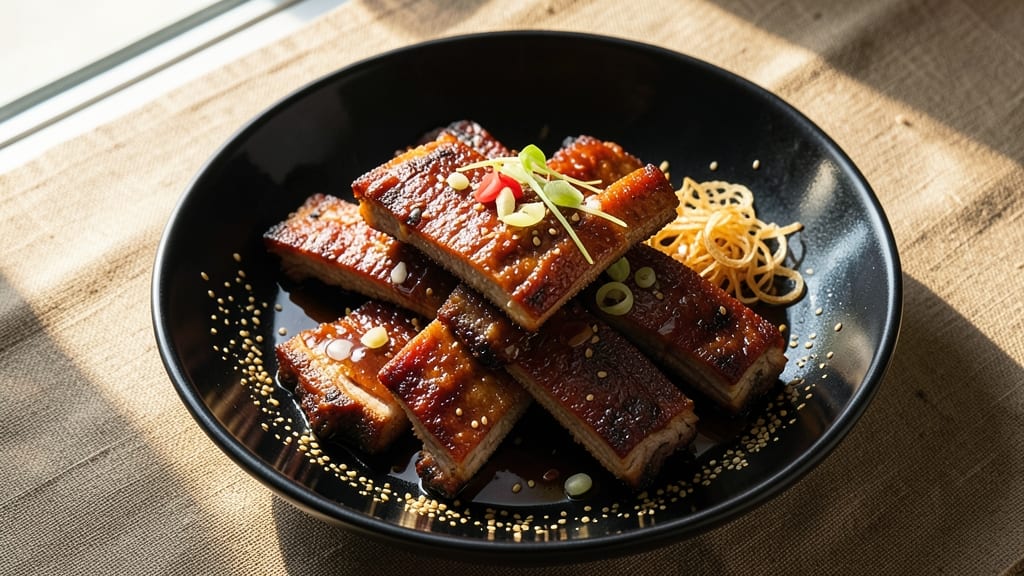
This Asian style beef ribs recipe delivers restaurant-quality flavor with a smoky five-spice glaze that balances sweet, spicy, and umami notes perfectly. The secret lies in marinating the ribs overnight with a blend of soy sauce, brown sugar, and aromatic spices, then slow-cooking them until tender with a sticky-sweet crust.
I've perfected this technique over countless batches, ensuring the meat falls apart while maintaining that coveted caramelized exterior.
The five-spice glaze transforms ordinary beef ribs into a showstopping main course—think tender, fall-off-the-bone meat with a glossy, slightly crispy surface that clings to every bite. This method works equally well on the grill, in the oven, or even a slow cooker, giving you flexibility for any cooking setup.
The combination of star anise, cinnamon, and Sichuan peppercorn creates depth that elevates these ribs beyond basic barbecue.
What makes this recipe truly special is how it captures authentic Asian flavors without requiring specialty ingredients. The marinade infuses the meat with complexity, while the glaze adds that signature sticky-sweet crunch that's impossible to resist.
Serve with steamed jasmine rice and quick-pickled vegetables for a complete meal that feels both comforting and sophisticated.
Whether you're hosting a dinner party or craving a weeknight treat, these ribs deliver impressive results with minimal effort. The slow cooking process means you can set it and forget it, while the glaze adds that professional touch that makes everything taste like it came from a high-end restaurant.
Here's how to make them perfectly every time.
Ingredients for asian style beef ribs
Four pounds of beef ribs and a blend of aromatic spices transform into restaurant-worthy Asian-style ribs with sticky-sweet glaze.
| Ingredient | Amount | Notes |
|---|---|---|
| Beef Ribs (Baby Back) 🍖 | 4 lb | Bone-in, meaty ends preferred |
| Soy Sauce 🥫 | ½ cup | Low-sodium preferred for balance |
| Brown Sugar 🍚 | ½ cup | Packed, light or dark |
| Sesame Oil 🫒 | 1 tbsp | Toasted, for aroma |
| Garlic Cloves 🧄 | 6 cloves | Minced, fresh preferred |
| Ginger Root 🌿 | 2 tbsp | Freshly grated, peeled |
| Five-Spice Powder 🌶️ | 1 tbsp | Authentic blend, not substitute |
| Star Anise 🌟 | 2 whole | Lightly crushed for infusion |
| Sichuan Peppercorns 🌶️ | 1 tsp | Toasted, lightly crushed |
| Cinnamon Sticks 🌿 | 2 whole | For aromatic depth |
| Honey 🍯 | 2 tbsp | Wildflower preferred |
| Red Wine Vinegar 🍷 | 1 tbsp | Dry, for acid balance |
| Olive Oil 🫒 | 2 tbsp | For rib coating |
| Diamond Crystal Kosher Salt 🧂 | 1 ½ tsp | For seasoning |
| Fresh Black Peppercorns 🌶️ | 1 tsp | Freshly cracked |
The ribs are the foundation—bone-in baby backs with meaty ends ensure maximum flavor and tenderness. Source them from a trusted butcher or Costco for consistent quality. Look for good marbling and vibrant color. For the five-spice blend, Penzeys Spices or Spicewalla offer authentic versions, but a well-stocked Asian market will have reliable options. Sichuan peppercorns are non-negotiable for that signature tingling heat; toast them lightly in a dry pan before crushing for maximum aroma. Star anise and cinnamon sticks should be whole and aromatic—discard any that smell musty or stale.
No five-spice powder? Combine 2 teaspoons each of cinnamon, fennel, clove, and star anise for a DIY version. Substitute honey with maple syrup or agave if needed, though honey adds depth. Sesame oil can be omitted if you dislike its strong flavor, but the toasted variety adds a nutty richness that complements the glaze. For the ribs, if you can't find baby backs, spare ribs work too, though they may require slightly longer cooking. The marinade keeps well for 3 days in the fridge, so make it ahead if possible—it deepens in flavor over time.
Store leftover ribs airtight in the fridge for 3-4 days, though they're best enjoyed fresh. The glaze thickens as it cools, so reheat gently with a splash of water or broth to restore its silky texture. For longer storage, freeze ribs with their glaze for up to 3 months. Portion into single servings before freezing for easy reheating. The spices in the marinade can be prepped a week ahead and stored in an airtight container in a cool, dark place—just add the wet ingredients when ready to marinate.
Why You'll Love This Recipe
- One-Pan Magic: The ribs go in raw, come out fall-off-the-bone tender—no fancy equipment, just a sheet pan and 30 minutes. Honestly, the only mess is the good kind: sticky sesame oil fingers and the faintest garlic scent lingering in your kitchen.
- Sweet-Savory Balance: That caramelized brown sugar glaze cuts through the richness of the beef while the soy sauce adds depth—like a hug in sauce form. Between us, the sesame oil finish is what turns "dinner" into "I’ll take seconds, no questions asked."
- Weeknight to Party: Slap these on the table for a lazy Tuesday or double the batch for game day. They’re the kind of dish that feels special without requiring a 10-course menu—just ribs, a quick side, and zero stress.
- Leftovers? More Like Win-Win: The flavor actually deepens overnight, so you’re not stuck with dry, sad ribs. I’ll be real: my kids beg for the next day’s portions, and I’ve even repurposed them into a stir-fry when I’m lazy. Budget-friendly? Yes. Versatile? Absolutely.
Step-by-step instructions for Asian style beef ribs with five-spice glaze
Master the balance of smoky depth and sticky-sweet crunch with these precise techniques.
Prepare the Ribs and Spice Infusion
Pat the 4 lb beef ribs (baby back) completely dry with paper towels—this ensures maximum caramelization. In a small bowl, combine the 0.5 cup soy sauce, 0.5 cup brown sugar, 2 tbsp honey, 1 tbsp red wine vinegar, and 1.5 tsp diamond crystal kosher salt. Whisk until the sugar dissolves completely, creating a smooth marinade.
In a separate bowl, toast the 1 tsp sichuan peppercorns and 2 whole star anise in a dry skillet over medium heat for 1 minute until fragrant. Add the 2 whole cinnamon sticks and 1 tbsp five-spice powder, then grind everything together with a mortar and pestle until you have a fine powder. This aromatic blend forms the backbone of your glaze.
Rub the spice mixture evenly over the ribs, pressing it into the meat. Then pour the marinade over the ribs, coating them thoroughly. Cover and refrigerate for at least 4 hours, preferably overnight—this allows the flavors to deeply penetrate the meat.
Build the Five-Spice Glaze Base
In a large Dutch oven, combine the 2 tbsp olive oil, 6 cloves minced garlic, and 2 tbsp freshly grated ginger root. Cook over medium heat for 3-4 minutes until the garlic turns golden and the ginger becomes fragrant—don't let it brown or it will become bitter.
Add the marinated ribs to the Dutch oven, fat-side down. Increase heat to medium-high and sear for 5 minutes until a deep golden crust forms. Flip the ribs and cook for another 5 minutes. Remove the ribs and set them aside on a plate.
In the same Dutch oven, add the 1 tbsp sesame oil and deglaze with any accumulated fond, scraping up all the browned bits. This step captures maximum flavor that will infuse your glaze. Reduce heat to medium-low and let the mixture simmer gently for 5 minutes to develop the base.
Simmer Ribs in Glaze Until Tender
Return the ribs to the Dutch oven, bone-side down. Pour in enough water to come halfway up the ribs—about 2 cups. Bring to a gentle simmer, then cover and cook for 2 hours at 325°F, maintaining a slow, steady bubble. Check occasionally and add more water if needed to keep the ribs submerged.
After 2 hours, the ribs should be fork-tender with a deep mahogany color. Use tongs to turn them occasionally to ensure even cooking. The glaze should be reduced to a thick, syrupy consistency that clings to the ribs.
For the final 30 minutes, increase heat to 350°F and uncover the ribs. This step creates that signature sticky-sweet crust while allowing excess moisture to evaporate. The ribs are done when they pull apart easily at the bone and the glaze has thickened to a glossy finish.
Rest and Serve for Maximum Flavor Impact
Transfer the ribs to a cutting board and let them rest for 15 minutes before slicing. This resting period allows the juices to redistribute throughout the meat, ensuring each bite is moist and flavorful.
Slice the ribs between the bones into individual chops. Arrange them on a platter, spooning the reduced glaze generously over the top. Garnish with extra cracked fresh black peppercorns for a final touch of heat and visual appeal.
Serve immediately with steamed jasmine rice and quick-pickled vegetables to balance the rich, smoky-sweet flavors. The contrast of textures—tender ribs, crisp vegetables, and fluffy rice—elevates this dish to restaurant-quality perfection.
Pro Tips For Making Asian Style Beef Ribs
- SEAR THE RIB BONES FIRST: I learned this the hard way—if you skip searing the bones, the garlic and soy sauce won’t caramelize properly. Hit the rib rack bone-side down in a screaming-hot pan for 2-3 minutes until the bones are deep brown, not just the meat. This builds flavor you can’t get any other way.
- USE LESS SESAME OIL: A splash is enough—about 1 teaspoon at the end. Drown the ribs in it, and you’ll taste nothing but oil. My first batch smelled amazing but had zero depth. Add it after the ribs come off the heat so it just coats the surface, not steams away.
- DON’T OVERMIX THE GLAZE: Stir the soy sauce, brown sugar, and garlic into a loose paste—don’t turn it into syrup. Thick glaze clumps and burns; thin glaze pools uselessly. After 10 minutes of simmering, the sugar will dissolve on its own. Trust the process.
- LET THE RIB RACK REST: After cooking, tent the ribs with foil and let them sit for 5-10 minutes. I know, you’re starving, but cutting into them too soon turns the meat to mush. The internal temp will drop slightly, but the juices redistribute—worth the wait.
Regional styles of this dish
Korean Bulgogi-Inspired
Transform your ribs into Korean-style bulgogi by replacing the five-spice glaze with a marinade of ½ cup soy sauce, ¼ cup brown sugar, 3 tbsp minced pear (for tenderness), 4 garlic cloves, and 1 tbsp grated ginger.
Add 1 tbsp gochujang for heat and 1 tbsp sesame oil for depth. Grill or broil until caramelized, then finish with toasted sesame seeds and sliced green onions. The pear breaks down the meat fibers, creating melt-in-your-mouth texture. 🌶️
Thai-Style Sticky Ribs
For a Thai-inspired twist, swap the five-spice blend for 1 tbsp red curry paste, 1 tbsp fish sauce, and 1 tbsp palm sugar. Add 1 stalk lemongrass (bruised) and 2 kaffir lime leaves to the marinade, then slow-cook with ½ cup coconut milk> in the glaze.
Garnish with fresh cilantro and lime wedges. The coconut milk creates a rich, velvety sauce that pairs perfectly with jasmine rice. 🌿
Japanese Yakitori Approach
Embrace Japanese yakitori techniques by using a yuzu kosho marinade (or sub ½ tsp yuzu zest + ½ tsp chili flakes>) and skewering the ribs. Grill over binchotan charcoal> for smoky depth, basting with a glaze of mirin, soy sauce, and sugar>.
Serve with shredded daikon and pickled ginger. The high-heat grill creates crispy edges while keeping the center tender—classic yakitori style. 🔥
Chinese Hoisin-Glazed
Create a Chinese-inspired version by adding 2 tbsp hoisin sauce> to the glaze and incorporating 1 tbsp fermented black beans> for umami. Use 1 tsp Shaoxing wine> in the marinade and finish with crushed peanuts and scallions.
The hoisin adds a deep, savory-sweet balance that's perfect with steamed bok choy. This style works exceptionally well in a wok or cast-iron skillet. 🥜
Vietnamese Nuoc Cham Ribs
For a Vietnamese-inspired take, marinate the ribs with 3 tbsp fish sauce, 2 tbsp lime juice>, and 1 tbsp sugar>. Glaze them with a reduction of nuoc cham> (fish sauce, lime, sugar, water) and finish with fresh herbs like Thai basil and mint.
Serve with rice paper rolls and fresh herbs. The bright, tangy glaze cuts through the richness of the meat beautifully. 🍋
Modern Fusion Twist
Infuse the ribs with 1 tsp smoked paprika> and ½ tsp chipotle powder> in the marinade, then glaze with a mix of mango purée> and chipotle adobo sauce>. Garnish with toasted pepitas and cilantro.
This fusion brings together smoky, sweet, and spicy flavors that work perfectly for a contemporary Asian-inspired meal. The mango purée adds natural sweetness while keeping the glaze vibrant. 🌟
Nutrition facts
Frequently asked questions
Can I use spare ribs instead of baby back ribs?
Yes, but expect slightly longer cooking times. Spare ribs have more connective tissue and fat, so they'll need an extra 30-45 minutes of slow cooking to reach the same tender texture. The flavor will be richer, though, with more marbling. Just monitor them closely after 2 hours to prevent overcooking.
How do I adjust the sweetness level in the glaze?
Reduce the brown sugar by 1-2 tablespoons for less sweetness or add 1 extra tablespoon of honey for more caramelized depth. For a savory twist, replace up to ¼ cup of sugar with coconut aminos or additional soy sauce. The key is balancing the sweetness with the umami from the soy and spices.
Can I make this recipe in a slow cooker?
Follow the same marinating steps, then place ribs in your slow cooker with 1 cup of water. Cook on low for 6-7 hours or high for 4-5 hours, adding more water if needed. In the last 30 minutes, increase to high heat to thicken the glaze. The texture will be slightly more tender than oven/grill methods.
What's the best way to reheat leftover ribs?
Reheat in a skillet over medium heat with 1 tablespoon of water or broth for 5-7 minutes to restore moisture and glaze consistency. For oven reheating, cover tightly with foil at 300°F for 15-20 minutes. Avoid microwaving—it makes the glaze rubbery. Add a splash of water or soy sauce if the glaze appears too thick.
Why did my ribs turn out dry?
This usually happens from overcooking or insufficient moisture during cooking. Always maintain a gentle simmer with enough liquid to cover halfway up the ribs. For oven methods, use a meat thermometer—ribs are done at 195-203°F internal temperature. If using a grill, wrap in foil during the last 30 minutes to trap steam.