
Soups & Stews
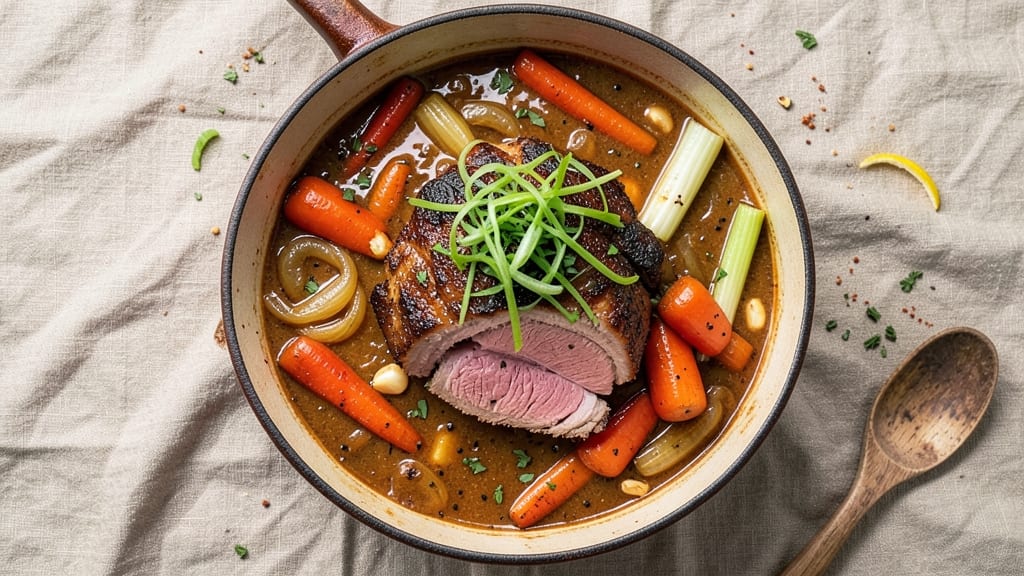
This beef and horseradish stew delivers tender beef and a sharp, aromatic kick that transforms a simple weeknight dinner into something unforgettable. The horseradish isn’t just an afterthought—it’s the heart of the flavor, cutting through the richness of the beef and creating a balance that’s both bold and comforting.
What starts as a hearty pot of seared beef and vegetables becomes a deeply satisfying stew with layers of depth, thanks to slow simmering and a well-seasoned broth.
The secret lies in the technique: browning the beef deeply before adding the aromatics and liquid ensures maximum flavor extraction, while the horseradish is incorporated just before serving to preserve its bright, peppery bite.
This isn’t a stew you’ll want to rush—3 hours of simmering transforms tough cuts into melt-in-your-mouth perfection, with the horseradish adding just the right amount of heat to keep things interesting.
The result is a dish that’s hearty enough for a cold evening but light enough to feel balanced, with every spoonful packed with flavor.
By the time you’re done, you’ll have a restaurant-quality stew that’s rich, tender, and full of character—ideal for serving with crusty bread or roasted root vegetables. The horseradish’s sharpness lingers just enough to keep your taste buds engaged, while the beef remains so tender it practically falls apart.
This is the kind of stew that tastes even better the next day, making it perfect for meal prep or feeding a crowd.
Whether you’re looking to impress guests or treat yourself to a cozy dinner, this stew delivers on every level—tender beef, a well-rounded broth, and that signature horseradish kick that makes it unforgettable. Let’s get cooking!
Ingredients for beef and horseradish stew
Sixteen ingredients. Three hours of simmering. One unforgettable stew with tender beef and a horseradish kick that lingers.
| Ingredient | Amount | Notes |
|---|---|---|
| Chuck Roast 🥩 | 3 lb | Trimmed of excess fat, cut into 1.5-inch cubes |
| Yellow Onions 🧅 | 2 whole | Medium size, sliced into half-moons |
| Carrots 🥕 | 4 whole | Medium size, peeled and cut into 1-inch chunks |
| Celery Stalks 🧅 | 4 whole | Trimmed, cut into 1-inch pieces |
| Garlic Cloves 🧄 | 6 cloves | Peeled, smashed but not minced |
| Fresh Horseradish Root 🌶️ | 2 tbsp | Finely grated, fresh for maximum kick |
| Beef Broth 💧 | 6 cups | Homemade or high-quality store-bought |
| Red Wine 🍷 | 1 cup | Bold dry red like Cabernet Sauvignon |
| Tomato Paste 🍅 | 2 tbsp | Smooth, not chunky |
| Fresh Thyme 🌿 | 2 sprigs | Or 1 tsp dried thyme |
| Fresh Bay Leaves 🌿 | 2 whole | For deep aromatic flavor |
| All-Purpose Flour 🌾 | 2 tbsp | For thickening the stew |
| Olive Oil 🫒 | 2 tbsp | Extra-virgin for searing |
| Kosher Salt 🧂 | 1 ½ tsp | Diamond Crystal preferred |
| Freshly Ground Black Pepper 🌶️ | 1 tsp | Cracked peppercorns preferred |
| Worcestershire Sauce 🍶 | 1 tbsp | Vegan version if needed |
The chuck roast is your secret weapon here—look for well-marbled cuts at the butcher counter or pre-cut beef section of Whole Foods or Costco. If you're buying a whole roast, trim the fat to 1/4-inch thickness—it renders beautifully during cooking. The horseradish is non-negotiable for that signature sharpness, so grab the fresh root from the produce section (not the jarred stuff). Trader Joe's usually carries it pre-grated if you're short on time, but fresh is worth the effort. For the broth, homemade is ideal, but Kitchen Basics or Pacific Foods brands are solid store-bought options.
No red wine? Substitute with extra beef broth plus 1 tbsp balsamic vinegar—it mimics the depth without the alcohol. Running low on fresh thyme? Dried works at one-third the amount, but toast the dried sprigs in a dry pan for 30 seconds first to wake up the flavor. The Worcestershire sauce adds umami depth—if you're avoiding it, 1 tbsp soy sauce plus 1 tsp molasses gets you close. For the tomato paste, those little squeeze tubes from Trader Joe's are perfect—they keep forever and portion perfectly. And if you're using pre-cut vegetables, don't skip peeling the carrots—their natural sweetness shines through.
This stew tastes even better the next day, so make a double batch if you've got room in the fridge. Store in airtight containers for 4-5 days or freeze for up to 3 months. The horseradish loses its kick when reheated, so add it fresh just before serving—that's when it really shines. For meal prep, portion into individual containers with a thin layer of olive oil on top to preserve the beef's tenderness. And trust me, the leftovers reheat beautifully—just add a splash of water or broth to loosen it up.
Why You'll Love This Recipe
- One-Pot Magic: I swear by this recipe because it’s literally dump-and-go after the initial sear. Chuck roast browns up in the same pot where it slow-cooks, and the onions, carrots, and celery just melt into the sauce—no extra bowls, no fuss. (Yes, even on a Tuesday night.)
- Horseradish Kick: That creamy horseradish swirl? It’s the star. The roast stays tender while the horseradish adds this bright, tangy punch that cuts through the richness—like a little flavor explosion in every bite. Honestly, my picky husband asks for seconds.
- Leftovers That Shine: This stew actually improves the next day. The flavors meld even deeper, and it reheats like a dream—perfect for lunches or freezing. I make a double batch because it’s cheaper than takeout and way more impressive.
- Budget Feeds Five: A chuck roast stretches across meals, and the veggies cost pennies. For under $15, I feed my family hearty portions with zero waste—carrots and celery get used up, and the beef stretches into sandwiches or tacos later. (Between us, this is my secret weapon.)
Step-by-step instructions for beef and horseradish stew
This method delivers melt-in-your-mouth beef with a perfect balance of sharp horseradish heat and rich, savory depth.
🍳 Step 1: Sear the Chuck Roast for Deep Flavor
Heat the 2 tablespoons olive oil in a heavy Dutch oven over medium-high heat until shimmering. Working in batches to avoid crowding, add the 3 lb chuck roast cut into 1.5-inch cubes, letting each piece develop a deep golden brown crust on all sides—about 3-4 minutes per batch. This searing creates the Maillard reaction that builds rich, complex flavors.
Here's the thing—don't rush this step. You want that crust to form before any liquid is added. If the pan gets too crowded, the temperature drops and you'll steam instead of sear. Once all pieces are browned, transfer them to a plate and set aside. You'll notice the aroma intensifying as you work—this is your first indication of the flavor development to come.
👨🍳 Step 2: Build the Aromatic Base
In the same Dutch oven, add the 2 whole yellow onions sliced into half-moons, 4 whole carrots cut into 1-inch chunks, and 4 whole celery stalks cut into 1-inch pieces. Cook for 8-10 minutes until the vegetables begin to soften and the onions turn translucent. Stir occasionally to prevent burning, especially at the bottom where those carrot and celery pieces tend to stick.
Add the 6 cloves garlic (smashed but not minced) and the 2 tablespoons fresh horseradish root (finely grated). Cook for another 1-2 minutes until the garlic becomes fragrant and the horseradish releases its signature sharp aroma. This is where the stew starts developing its signature kick—don't skip this step or you'll miss that essential horseradish punch.
🍳 Step 3: Deglaze and Develop the Sauce
Pour in the 1 cup red wine, scraping up all those delicious browned bits from the bottom of the pot with a wooden spoon. Let it simmer for 3-4 minutes until reduced by about half. The alcohol will cook off, leaving behind concentrated wine flavors that form the base of your sauce. Add the 2 tablespoons tomato paste, stirring to blend completely.
Sprinkle the 2 tablespoons all-purpose flour over the mixture and stir vigorously for 1-2 minutes until the flour is fully incorporated and the sauce begins to thicken slightly. This creates a roux that will help thicken the stew as it cooks. The reason we do this now is to prevent the flour from clumping when we add the liquid later—it needs to be fully coated in fat first.
🥘 Step 4: Simmer the Stew to Tender Perfection
Return the browned chuck roast cubes to the pot. Add the 6 cups beef broth, 1.5 teaspoons kosher salt, 1 teaspoon freshly ground black pepper, 2 sprigs fresh thyme, 2 whole fresh bay leaves, and 1 tablespoon Worcestershire sauce. Bring to a gentle boil, then reduce heat to low and cover partially. Let it simmer for 2.5-3 hours, stirring occasionally to prevent the bottom from sticking.
Here's where patience pays off. The stew should reduce until the liquid just coats the meat and vegetables—about 2-3 inches deep. You'll know it's ready when the beef is fork-tender (it should pull apart easily with minimal resistance) and the flavors have melded beautifully. The horseradish will have mellowed slightly but will still deliver that signature sharp kick in every bite.
⏰ Step 5: Rest and Serve with Confidence
Remove the 2 whole fresh bay leaves and 2 sprigs fresh thyme before serving. Let the stew rest for 10-15 minutes off the heat. This resting period allows the flavors to settle and the juices to redistribute throughout the meat, ensuring each bite is packed with flavor and moisture. Taste and adjust seasoning if needed—you might want to add a pinch more salt or a splash of water to reach your preferred consistency.
Serve the stew hot, ladling it over mashed potatoes, crusty bread, or egg noodles. The contrast of the creamy potatoes with the sharp horseradish and tender beef makes this dish truly exceptional. Each spoonful delivers that perfect balance of rich, savory beef, bright horseradish heat, and aromatic herbs that will have everyone asking for seconds.
Pro Tips For Making Beef And Horseradish Stew
- SEAR THE ROAST HARD: I learned this the hard way—skipping the crust means flavor gets lost in the sauce. Use a heavy pot on medium-high heat, add 1 tablespoon oil, and let that chuck roast sit undisturbed for 3-4 minutes per side until deep brown. Yes, it’ll look like you’re burning it, but that’s the flavor foundation.
- SWEAT THE AROMATICS LOW: After burning three batches of onions, I finally figured out: low and slow is non-negotiable. Slice onions thin, celery into ½-inch pieces, and cook them with garlic (minced, not crushed) over medium-low for 8-10 minutes. Stir occasionally—you want them soft and translucent, not crispy. This builds the stew’s depth without bitterness.
- SALT THE MEAT BEFORE SEARING: My grandmother swore by this, and she was right: dry the roast thoroughly, then rub it with 1 teaspoon salt per pound before hitting the pan. The crust forms faster, and the seasoning sticks. Skip this, and you’ll end up with bland beef that absorbs too much liquid instead of developing flavor.
- USE HORSESHOE CARROTS: I was skeptical until I tried it—horseshoe carrots hold their shape better than regular ones and add visual appeal. Cut them into 1-inch chunks and add them later (after the beef browns) so they don’t turn mushy. If you’re in a pinch, baby carrots work, but they’ll break down faster.
Flavor customization for this dish
Mild Horseradish Twist
For a gentler horseradish flavor, reduce the amount to just 1 tablespoon grated fresh horseradish root and add it during the final 10 minutes of cooking. This lets the heat mellow while still contributing a subtle brightness.
Pair it with ½ cup apple cider instead of red wine for a sweeter, more approachable profile—it balances the horseradish beautifully. 🥕
Spicy Horseradish Kick
Double the horseradish to 4 tablespoons grated fresh root and add it to the pot with the garlic during Step 2. For extra heat, stir in ½ teaspoon cayenne pepper when deglazing with wine.
Serve with a dollop of sour cream on top to cool the burn—it’s a classic pairing that keeps the heat in check.
Sweet Horseradish Balance
Add 2 tablespoons honey or maple syrup when you incorporate the horseradish to create a sweet-spicy contrast. The sugar caramelizes slightly during simmering, deepening the flavor while softening the horseradish’s bite. This works especially well with pear or apple slices on the side for a dessert-like finish. 🍯
Smoky Horseradish Depth
Swap the red wine for 1 cup beef broth plus 1 tablespoon smoked paprika and add ½ teaspoon liquid smoke when you deglaze. The smokiness complements the horseradish’s sharpness, creating a BBQ-inspired twist. Garnish with crumbled bacon for extra richness and a smoky crunch.
Creamy Horseradish Sauce
For a sauce version, blend 1 cup of the finished stew with ½ cup heavy cream and 2 tablespoons grated horseradish until smooth. Strain and drizzle over the stew or serve as a dipping sauce for crusty bread. The creaminess tames the horseradish’s bite while adding a luxurious texture. 🥄
Herb-Infused Horseradish
Add 1 tablespoon fresh dill or 1 teaspoon dried tarragon along with the horseradish in Step 2. These herbs brighten the stew and pair wonderfully with the horseradish’s sharpness. Finish with a sprinkle of fresh parsley for a fresh, herbaceous note that elevates the dish. ✨
Nutrition facts
Frequently asked questions
Can I use a different cut of beef instead of chuck roast?
Yes, but choose wisely! For best results, opt for other tougher cuts that benefit from slow cooking, like brisket or short ribs. Avoid lean cuts like sirloin—they’ll dry out during the long simmer. If using short ribs, reduce cooking time to 2 hours since they cook faster than chuck.
How do I know when the beef is fully tender?
Test with a fork or skewer—it should slide in with minimal resistance and the beef should pull apart easily. For extra assurance, cut one piece in half: if it’s fork-tender with no pink center, your stew is ready. Overcooking can make the meat mushy, so aim for 2.5-3 hours of simmering for chuck roast.
What if I don’t have fresh horseradish root?
Use 1 tablespoon prepared horseradish (not the creamy kind) as a substitute, but add it just before serving to preserve its kick. For a milder version, mix with 1 teaspoon apple cider vinegar to balance the heat. The fresh root’s sharpness is ideal, but prepared works in a pinch!
Can I make this stew in a slow cooker?
Brown the beef first in a skillet, then transfer everything to the slow cooker. Cook on low for 7-8 hours or high for 4-5 hours. The slow cooker’s gentle heat works wonders for tenderizing the beef while letting flavors meld. Just add the horseradish root in the last 30 minutes of cooking.
Why does my stew taste too salty?
Start by tasting your broth before adding salt—it should be seasoned but not salty. If needed, dilute with ½ cup warm water or beef broth to thin the stew. For a quick fix, add 1-2 diced potatoes or carrots to absorb excess salt during the final 30 minutes of cooking.