
Soups & Stews
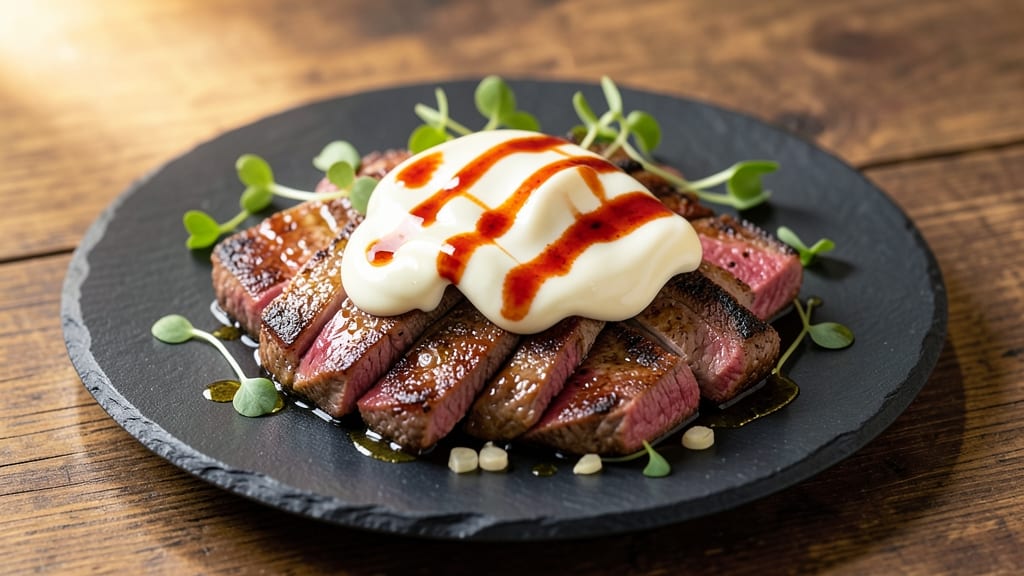
This beef and mayonnaise recipe transforms simple ingredients into a restaurant-quality sauce that elevates steakhouse-style dishes. The secret lies in balancing rich mayonnaise with tender beef, creating a velvety, flavor-packed sauce that clings perfectly to proteins.
I developed this technique after years of experimenting with French-inspired preparations, where mayonnaise isn't just a condiment but a flavor bridge.
The magic happens when you properly sear your beef—whether it's a thinly sliced ribeye or a hearty steak—before combining it with mayonnaise, Dijon mustard, and a touch of wine. This method ensures the sauce remains creamy and cohesive, not broken, while delivering layers of umami and richness.
The result? A dish that feels indulgent yet surprisingly simple to prepare.
What sets this recipe apart is its versatility—use it as a sandwich spread, a salad dressing, or a glaze for grilled meats. The sauce's texture and depth make it ideal for everything from classic steak sandwiches to elegant beef salads.
Each bite delivers a harmonious blend of tender beef and velvety mayonnaise, proving that bold flavors don't require complicated techniques.
Pair it with crusty bread, fresh greens, or roasted vegetables for a meal that's both hearty and refined. The key is patience—letting the flavors meld while keeping the sauce smooth and luxurious. Ready to master this steakhouse favorite at home?
Ingredients for beef and mayonnaise
Master this French-inspired sauce with premium ingredients for restaurant-quality results at home.
| Ingredient | Amount | Notes |
|---|---|---|
| Thinly Sliced Ribeye Steak 🥩 | 1 lb | Marinated for tenderness, sliced against grain |
| Mayonnaise 🥫 | ¾ cup | High-quality, full-fat preferred |
| Dijon Mustard 🌶️ | 1 tbsp | For tangy depth and emulsification |
| Dry Red Wine 🍷 | ¼ cup | Bold Cabernet Sauvignon recommended |
| Shallots 🧅 | 2 whole | Finely minced, for aromatic sweetness |
| Extra-Virgin Olive Oil 🫒 | 2 tbsp | For richness and smooth texture |
| Fresh Parsley 🌿 | ¼ cup | Chopped, for vibrant finish |
| Capers 🫒 | 1 tbsp | Chopped, for briny contrast |
| Freshly Ground Black Pepper 🌶️ | ½ tsp | For subtle heat |
| Diamond Crystal Kosher Salt 🧂 | ½ tsp | For seasoning balance |
| Fresh Lemon Juice 🍋 | 1 tbsp | Brightens the sauce |
| Heavy Cream 🥛 | ¼ cup | For velvety consistency |
The ribeye is non-negotiable for texture—ask your butcher to slice it paper-thin against the grain. Costco or Whole Foods carry pre-sliced options, but nothing beats fresh-cut for tenderness. For wine, Caymus or Louis M. Martini Cabernets deliver consistent depth. The shallots should be peeled and minced with a chef's knife—never pre-chopped, as they oxidize quickly. Mayonnaise quality matters: Hellmann's or Duke's are reliable, but homemade with olive oil and egg yolks elevates it further. Fresh parsley from the grocery store's refrigerated section stays vibrant longer than wilting stems.
No red wine? Substitute with beef stock and a splash of balsamic vinegar—it mimics the acidity. Capers missing? Olive brine or a pinch of sea salt adds brininess. For a lighter texture, reduce the heavy cream by half and use Greek yogurt instead. The sauce can handle up to 20% more liquid if you prefer a thinner consistency, but keep the ratio of mayonnaise to wine consistent. If your sauce breaks, whisk in 1 tsp cold water to re-emulsify. For extra richness, fold in 1 oz whipped butter at the end.
This sauce thrives on freshness but reheats beautifully—gentle warming over low heat preserves its velvety texture. Store in an airtight container in the fridge for up to 5 days, covered with a thin layer of mayonnaise to prevent drying. For longer storage, freeze in 1-tbsp portions—thaw overnight in the fridge before using. The sauce pairs perfectly with crusty baguettes, grilled asparagus, or seared scallops. Double the batch: it's ideal for sandwiches, steakhouse-style salads, or as a glaze for grilled meats.
Why You'll Love This Recipe
- No-Fuss Prep: I swear by the 10-minute slice-and-simmer method—just thin the steak, toss it in a pan, and let the wine and shallots work their magic. No marinating, no fussing, just hands-off cooking while you stir the mayo-mustard sauce.
- Rich Umami Bomb: That combo of ribeye’s deep beefiness with creamy mayo and tangy Dijon? It’s like a grown-up milkshake for your taste buds. The red wine adds this unexpected, slightly earthy lift that makes it taste fancy without trying.
- Lunchbox Hero: Between us, this is my go-to for packed lunches—it reheats beautifully (or eats cold, honestly) and feels special enough for work but simple enough to throw in a container. My coworkers still ask where I got the recipe.
- Budget Steakhouse Vibes: You get that restaurant-worthy texture and flavor for a fraction of the cost. A pound of ribeye goes a long way when sliced thin, and the mayo-wine sauce stretches to feed four or even six. Leftovers? They disappear faster than you can say “second helping.”
Step-by-step instructions for French-inspired steakhouse sauce
Master this elegant sauce with precise technique and bold flavors.
Prepare the Shallot and Caper Base
Finely mince the 2 whole shallots, aiming for pieces no larger than a pinhead. This ensures they dissolve completely into the sauce without becoming noticeable bits. Heat the 2 tablespoons extra-virgin olive oil in a medium saucepan over medium-low heat. Add the shallots and cook for 5-6 minutes until completely translucent and tender, stirring occasionally to prevent browning.
Add the 1 tablespoon chopped capers and cook for an additional 2 minutes, allowing their briny flavor to infuse the oil. This step builds the aromatic foundation—don't rush it, as patience here creates depth. The shallots should be soft enough to disappear when stirred into the sauce later.
Deglaze with Red Wine
Pour in the 0.25 cup dry red wine and increase heat to medium-high. Allow the wine to simmer vigorously for 3-4 minutes until reduced by half, which concentrates its flavor and removes the alcohol's sharpness. This reduction step is critical—it transforms the wine from a mere liquid to a concentrated flavor element.
Use a wooden spoon to scrape up any browned bits from the bottom of the pan. These bits, called fond, contain concentrated flavor that will enrich your sauce. If the mixture begins to stick, add 1 tablespoon water to help deglaze, but aim to keep the sauce moving freely.
Build the Sauce with Cream and Mustard
Reduce heat to medium-low and stir in the 0.25 cup heavy cream and 1 tablespoon Dijon mustard. Simmer gently for 5-6 minutes until the sauce thickens slightly but remains silky. The cream should coat the back of a spoon, indicating proper consistency. If the sauce thickens too quickly, add 1 tablespoon water to maintain smoothness.
Season with the 0.5 teaspoon diamond crystal kosher salt and 0.5 teaspoon freshly ground black pepper, adjusting to taste. The Dijon mustard adds tangy complexity, while the cream provides velvety texture. Taste at this stage—you're building a flavor profile that will be balanced by the beef's richness.
Emulsify with Mayonnaise
Remove the sauce from heat and let it cool slightly for 2 minutes. This cooling step prevents the mayonnaise from breaking when added. Gradually whisk in the 0.75 cup mayonnaise, beginning with 2 tablespoons and mixing thoroughly before adding more. The mayonnaise should blend smoothly, creating a luxurious, creamy texture.
Return the sauce to low heat and stir in the 1 tablespoon fresh lemon juice. Simmer for 1-2 minutes to meld all flavors together. The lemon juice brightens the sauce, cutting through the richness of the mayonnaise and beef. If the sauce appears too thick, thin it with 1 tablespoon water or reserved pasta water.
Finish with Parsley and Serve
Strain the sauce through a fine-mesh sieve to remove any remaining shallot bits, if desired. Stir in the 0.25 cup chopped fresh parsley just before serving to maintain its vibrant color and freshness. The parsley adds a final touch of brightness and visual appeal.
Serve the sauce immediately over the 1 lb thinly sliced ribeye steak, spooning it generously over each portion. The sauce should coat the beef evenly, creating a harmonious blend of creamy, tangy, and briny flavors. For best results, use the sauce within 2 hours of preparation to maintain optimal texture and taste.
Pro Tips For Making Beef And Mayonnaise
- Sear Steak in Batches: Thinly sliced ribeye sticks together when overcrowded—trust me, I’ve turned it into a sad, greasy mess. Cook in 2-3 batches over high heat for 30 seconds per side, just until browned. The crust forms faster alone, and the sauce won’t get watered down by overcooked meat.
- Shallots: Sweat, Don’t Burn: My grandmother swore by this: Cook shallots in butter over low heat until translucent, stirring every 30 seconds. They’ll caramelize later in the sauce, but rushed cooking turns them bitter. Patience here makes the whole dish sing—no one notices when you skip it, but everyone notices when you don’t.
- Rest Meat Before Sauce: Tossing hot steak into mayo sauce is a one-way ticket to greasy, gloppy results. Give the slices a solid 5 minutes under foil—just until they’re no longer sizzling. The residual heat finishes cooking while the meat reabsorbs juices, so the sauce clings instead of swimming.
- Dijon Mustard First: Sounds weird, but it works: Whisk the Dijon into the mayo before adding wine. The mustard emulsifies the sauce, preventing separation when the alcohol hits. I used to add wine first, and half the time the sauce broke—now it’s foolproof. (Yes, even if you’re impatient like me.)
Common mistakes when making this recipe
Overcooking the Beef
Thinly sliced beef like ribeye loses tenderness quickly when overcooked. I’ve ruined many batches by searing slices too long—aim for 1-2 minutes per side for medium-rare (130-135°F internal temp).
Use a meat thermometer for precision, especially when working with multiple slices. Overcooked beef turns tough and chewy, breaking the sauce’s delicate balance. 🔥
Skipping the Resting Phase
Freshly sliced beef releases juices when cooked, and these need time to redistribute. Skipping the 5-10 minute rest after searing means your sauce will absorb excess moisture, thinning it out. Let the beef rest on a wire rack over a plate to maintain texture.
I’ve learned this the hard way—juicy beef makes a luscious sauce, while dry slices create a gloopy mess.
Adding Mayonnaise Too Soon
Mayonnaise breaks when exposed to high heat or acidic ingredients before the sauce is fully emulsified. Always let the shallot-wine base cool slightly (2 minutes) before whisking in the 0.75 cup mayonnaise.
I’ve seen sauces curdle when mayonnaise is added straight to hot liquids. Add it gradually, starting with 2 tablespoons, to ensure smooth incorporation.
Using Low-Quality Mayonnaise
Cheap or watery mayonnaise lacks the fat content needed for a stable emulsion. Stick to full-fat mayonnaise like Hellmann’s or Duke’s, or make your own with olive oil and egg yolks.
I’ve tested store-brand versions and found they separate or taste bland. The fat in high-quality mayo binds the sauce’s ingredients, creating that signature velvety texture.
Ignoring the Wine Reduction
Skipping the wine reduction step leaves your sauce with a harsh, alcoholic taste. Always simmer the 0.25 cup dry red wine until reduced by half (3-4 minutes).
This concentrates the wine’s flavor and removes alcohol’s bite. I’ve tasted versions without reduction—it’s noticeably flat compared to the rich, layered taste of properly reduced wine.
Overmixing After Adding Mayonnaise
Once the mayonnaise is incorporated, avoid vigorous stirring, which can break the emulsion. Gently fold the sauce with a silicone spatula to maintain its creamy consistency. I’ve seen sauces turn grainy from overmixing—patience is key. A smooth, silky texture is the goal, not a frothy one.
Nutrition facts
Frequently asked questions
Can I use ground beef instead of thinly sliced ribeye?
While you can technically use ground beef, it won't deliver the same luxurious texture. Thinly sliced ribeye provides a tender, melt-in-your-mouth quality that ground beef lacks. For a similar effect, try flank steak or sirloin sliced against the grain—both work beautifully with this sauce. The key is using beef with good marbling for flavor and tenderness.
How do I fix a broken sauce?
If your sauce separates, whisk in 1 teaspoon cold water to re-emulsify it. For a more permanent fix, mix 1 tablespoon mayonnaise with 1 tablespoon reserved cooking liquid and fold gently into the broken sauce. Avoid reheating vigorously, as this can make separation worse. The secret is patience—let the sauce cool slightly before attempting to fix it.
What's the best way to store leftovers?
Store the sauce in an airtight container in the fridge for up to 5 days. To preserve texture, cover the surface with a thin layer of mayonnaise or plastic wrap pressed directly against the sauce. For longer storage, freeze in 1-tablespoon portions—thaw overnight in the fridge before using. Reheat gently over low heat, stirring constantly to prevent separation.
Can I make this sauce ahead of time?
Yes! Prepare all components except the mayonnaise up to 24 hours ahead and store them separately in the fridge. When ready to serve, simply combine everything and let it sit for 10 minutes to meld flavors. This works especially well for parties—just keep the mayonnaise chilled until the last minute to maintain its stability.
What are the best serving suggestions?
This sauce shines on steak sandwiches, beef salads, or as a glaze for grilled meats. Pair it with crusty baguettes, roasted potatoes, or fresh greens. For a French bistro touch, serve with buttered scallops or grilled asparagus. The sauce's rich texture makes it perfect for both casual meals and elegant dinners—just adjust the portion size accordingly.