
Soups & Stews
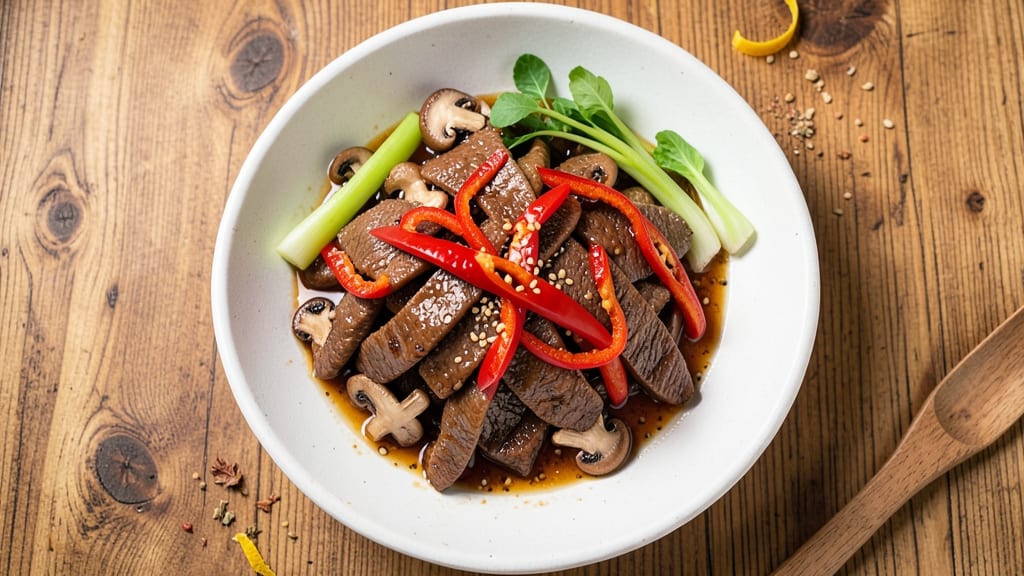
This beef and vegetable Chinese recipe delivers the perfect balance of tender beef, crisp-tender vegetables, and a silky umami sauce—all achieved through precise wok technique and layered flavors.
The secret lies in marinating the beef with cornstarch and soy sauce to ensure it stays juicy while developing a caramelized crust, paired with a sauce that’s both savory and slightly sweet, thanks to a blend of oyster sauce, hoisin, and a touch of honey.
What sets this dish apart is the high-heat stir-frying method, which preserves the vegetables’ vibrant colors and textures while infusing them with the beef’s deep, meaty essence.
The recipe builds on traditional Chinese stir-fry principles but simplifies the process for home cooks, ensuring restaurant-quality results without the fuss.
You’ll work with bell peppers, bok choy, and shiitake mushrooms—each vegetable chosen for its ability to hold up to the wok’s intense heat while adding contrasting textures and flavors.
The sauce, made with garlic, ginger, and a splash of Shaoxing wine, ties everything together with a glossy finish that coats every bite, making it silky yet not overly heavy.
This dish is designed to be plated beautifully, with the beef and vegetables arranged artfully over steamed rice or noodles for a satisfying, well-rounded meal.
What you’ll end up with is a bold, umami-rich dish that’s as impressive as it is delicious—tender beef with a slightly charred edge, crisp vegetables that snap with each bite, and a sauce that’s rich yet balanced.
The aroma alone, wafting from the wok, will have everyone at the table anticipating the first forkful. This recipe is perfect for weeknight dinners, family gatherings, or when you want to impress guests with an authentic yet approachable Chinese flavor profile.
The best part? It comes together in under 30 minutes, making it ideal for busy evenings without sacrificing depth of flavor.
Whether you’re a fan of classic stir-fries or modern twists, this recipe adapts seamlessly. Swap in broccoli or snap peas for extra crunch, or add a drizzle of chili oil for heat lovers.
The sauce can also be adjusted—more soy for saltiness, a splash of rice vinegar for brightness, or a sprinkle of sesame seeds for texture. The key is confidence in the wok technique: high heat, quick tossing, and patience to let the flavors meld.
Let’s get cooking—this dish is a game-changer for Chinese food at home.
Ingredients for beef and vegetable chinese
Bold flavors and vibrant textures—this wok-tossed masterpiece delivers restaurant-quality Chinese beef and vegetables in under 30 minutes.
| Ingredient | Amount | Notes |
|---|---|---|
| Flank Steak 🥩 | 1 ½ lb | Thinly sliced against grain |
| Cornstarch 🌾 | 2 tbsp | For velvety texture |
| Light Soy Sauce 🥄 | ½ cup | Kikkoman preferred |
| Red Bell Peppers 🌶️ | 2 whole | Julienned, seeds removed |
| Bok Choy 🥬 | 2 whole | Baby heads, quartered |
| Shiitake Mushrooms 🍄 | 8 whole | Stems removed, sliced |
| Garlic Cloves 🧄 | 6 cloves | Minced, aromatic |
| Fresh Ginger 🌿 | 1 inch | Julienned, peeled |
| Shaoxing Wine 🍷 | 2 tbsp | Or dry sherry |
| Oyster Sauce 🍜 | 3 tbsp | High-quality, umami |
| Hoisin Sauce 🍯 | 1 tbsp | Sweet-savory balance |
| Honey 🍯 | 1 tsp | Light, floral |
| Sesame Oil 🫒 | 1 tbsp | Toasted, aromatic |
| Neutral Oil 🫒 | ¼ cup | Peanut or vegetable |
| Salt 🧂 | 1 tsp | Kosher or sea |
The beef is everything here. Flank steak is ideal—lean but tender when sliced thin against the grain. Look for well-marbled cuts at Whole Foods or your local Asian market for maximum flavor. If you can't find Shaoxing wine, dry sherry or even a splash of rice wine works in a pinch. The vegetables should be fresh and crisp: bell peppers with vibrant skins, baby bok choy with tightly wrapped leaves, and shiitake mushrooms that still have their stems intact for texture. Trader Joe's often carries pre-sliced shiitake, but whole ones let you control the thickness.
No oyster sauce? Substitute with extra soy sauce plus a dash of fish sauce—just know it won't be identical. The honey adds that perfect touch of sweetness, but if you're avoiding it, maple syrup works 1:1. For the cornstarch marinade, don't skip it—it's what gives the beef that signature silky texture. If you're using pre-sliced vegetables, give them a quick rinse to remove any excess moisture that could steam them instead of searing. The sesame oil should be toasted, not flavored—the nutty aroma is key. And trust me on the high heat: this isn't a simmering dish, it's a searing, tossing, flavor-building experience.
This dish tastes even better the second day—double the recipe and freeze half for lazy weeknights. Store components separately: beef in one container, vegetables in another, sauce in a small jar. Reheat everything in the wok over medium heat, adding a splash of water to deglaze. The sauce keeps for 1 week refrigerated or 3 months frozen. For plating, serve over steamed jasmine rice or noodles, and garnish with toasted sesame seeds (if you're feeling fancy). The leftovers reheat beautifully—just toss with a little extra oil to keep everything tender.
Why You'll Love This Recipe
- One-Pan Magic: I swear by this recipe when I’m too tired to clean up. Toss the sliced flank steak, bell peppers, and bok choy on one pan—no chopping boards, no extra pots—just stir-fry until everything’s glossy and caramelized. The cornstarch gives the beef that perfect crisp-tender bite without fuss.
- Umami Bomb: That light soy sauce? It’s the secret weapon. The beef soaks up just enough saltiness to balance the sweetness of the bell peppers and the slight bitterness of the bok choy. Honestly, the first time I tasted it, I thought, "Why didn’t I do this sooner?"—the flavor is that addictive.
- Lunchbox Hero: Between us, this is my go-to for meal prep. The beef stays tender for days, and the veggies hold up like champs in the fridge. Pack it cold for a no-thought lunch, or reheat it quick for a weeknight dinner—it’s equally good either way. (Yes, even on a Tuesday night.)
- Budget Flex: Flank steak is affordable, and you’re not wasting a thing here. The cornstarch tenderizes the meat without breaking the bank, and the veggies stretch to feed four or even six if you bulk it up. I’ll be real: this recipe makes me feel like I’m eating restaurant-quality without the price tag.
Step-by-step instructions for wok-tossed beef and vegetables
This dish comes together faster than you can say "umami bomb"—let's make it shine.
Prep the Beef and Marinate for Maximum Flavor
Slice the 1.5 lb flank steak thinly against the grain into ¼-inch strips. This ensures tender bites that practically melt in your mouth. Place the sliced beef in a bowl and sprinkle with 2 tbsp cornstarch, tossing gently to coat evenly. The cornstarch creates that signature silky texture when cooked properly.
In a small bowl, whisk together 0.5 cup light soy sauce, 2 tbsp Shaoxing wine, 3 tbsp oyster sauce, 1 tbsp hoisin sauce, and 1 tsp honey. Pour this vibrant marinade over the beef and toss to combine thoroughly. Let it sit for 15-20 minutes at room temperature—this allows the flavors to meld and the cornstarch to begin its magic of thickening the sauce during cooking.
Prep and Stir-Fry the Vegetables in Stages
Heat 0.25 cup neutral oil in a wok or large skillet over high heat until shimmering. Add the 8 sliced shiitake mushrooms and stir-fry for 2 minutes until they release their moisture and begin to brown. Remove them to a plate and set aside—this prevents overcrowding later.
In the same wok, add 2 tbsp more neutral oil if needed, then add the 2 julienned red bell peppers and 2 quartered bok choy. Stir-fry for 3-4 minutes until the peppers soften slightly but still retain their vibrant color. Add the 6 minced garlic cloves and 1 inch julienned ginger, cooking for 30 seconds until fragrant. This quick cooking preserves their freshness while building layers of flavor.
Cook the Beef to Perfect Doneness
Push the vegetables to one side of the wok, add 1 tbsp neutral oil, then add the marinated beef in a single layer. Let it sear undisturbed for 1-2 minutes until the edges turn golden brown. This initial sear locks in juices and creates that beautiful caramelized crust.
Stir the beef vigorously for 1 minute until it's 80% cooked—it should still have a slight pink center. Here's the thing: overcooking beef in stir-fries makes it tough. You want it just done enough to finish cooking in the residual heat of the wok and sauce.
Combine and Finish with Silky Sauce
Return the cooked mushrooms to the wok and add all the vegetables back in. Pour in the reserved marinade (strain it if you prefer a smoother sauce) and toss everything together for 2-3 minutes until the sauce thickens slightly and coats the beef and vegetables evenly.
Drizzle with 1 tbsp sesame oil and 1 tsp salt, tossing one final time. The sesame oil adds that nutty aroma that takes this dish to the next level. Cook for another 30 seconds until everything is heated through and the sauce has reached that perfect glossy consistency—neither too thin nor too thick.
Serve Immediately with Perfect Texture
Taste and adjust seasoning if needed—you might want to add a splash more light soy sauce or a touch of honey for balance. Serve family-style straight from the wok so everyone can help themselves to this vibrant medley of textures: tender beef, crisp-tender vegetables, and that silky sauce clinging to every bite.
This dish is best served immediately while the vegetables are still crisp and the sauce is at its peak. Pair it with steamed jasmine rice to soak up every last drop of that umami-packed sauce. The contrast of the warm rice with the bright, wok-tossed vegetables makes every bite unforgettable.
Pro Tips For Making Beef And Vegetable Chinese
- Slice Against the Grain: Flank steak’s tough fibers run diagonally—cutting perpendicular to them turns chewy meat into tender strips. Use a sharp knife and take your time; I once rushed this and ended up with rubbery bites that ruined the whole dish.
- Blanch Bok Choy First: Drop whole bok choy into boiling water for 30 seconds before stir-frying—it crisps the edges and keeps the centers tender. Skip this, and you’ll end up with limp greens that disappear into the sauce.
- Marinate with Cornstarch Early: Toss the sliced steak with 1 tablespoon cornstarch and soy sauce at least 15 minutes before cooking. The starch clings better, creating that perfect velvety crust without sticking to the pan.
- Don’t Overcrowd the Pan: Cook the beef in batches if needed—overloading steams instead of sears, leaving you with soggy strips. A hot wok or skillet should only hold half the meat at a time for that signature crispy edge.
Creative variations of this dish
Spicy Sichuan Twist
Transform this dish into a fiery Sichuan sensation by adding 1 tbsp Sichuan peppercorns toasted in the oil with the garlic and ginger. Toss in 1-2 tbsp chili bean paste (like Lao Gan Ma) when combining everything.
For extra heat, finish with ½ tsp chili crisp or 1 tsp gochujang—this version packs the signature málà (numbing-spicy) kick that makes Sichuan cuisine unforgettable. 🌶️
Sweet and Sour Fusion
Brighten the dish with a sweet and sour glaze by adding 2 tbsp rice vinegar and 1 tbsp pineapple juice to the sauce. Toss in ½ cup pineapple chunks (fresh or canned) during the final stir-fry.
Garnish with toasted cashews for crunch. This fusion version balances the umami beef with tangy-sweet flavors that’ll have everyone asking for seconds. 🍍
Creamy Coconut Curry
Swap the soy-based sauce for a creamy coconut curry by using ½ cup coconut milk instead of oyster sauce. Add 1 tsp curry powder and ½ tsp turmeric to the marinade.
Stir in ½ cup diced red onion with the vegetables. Top with cilantro and a squeeze of lime for a Thai-inspired twist that’s rich yet refreshing. 🥥
Vegetarian Swap
Replace the beef with extra-firm tofu pressed and cubed, or king oyster mushrooms sliced into thick strips. Marinate them in the same sauce for 20 minutes before stir-frying.
For a meatier texture, use seitan cut into strips. The vegetables will shine even more with this plant-based version—just ensure they get that perfect wok sear. 🌱
Regional Hong Kong Style
For an authentic Hong Kong touch, add 1 tbsp fermented black beans (salted black beans) to the wok with the garlic and ginger. Use dark soy sauce instead of light for deeper color.
Finish with ½ tsp white pepper and a sprinkle of toasted sesame seeds. This version is heartier with a smoky depth that reflects Hong Kong’s love of bold, savory flavors. 🗼
Korean-Inspired Kimchi Beef
Add ½ cup chopped kimchi (with juice) to the marinade for a tangy kick. Stir-fry 1 tbsp gochugaru (Korean chili flakes) with the garlic and ginger. Top with 1 tbsp toasted sesame seeds and a drizzle of sesame oil.
This fusion version brings the bold flavors of Korean cuisine to your wok-tossed beef. 🌶️
Nutrition facts
Frequently asked questions
Can I substitute flank steak with another cut of beef?
Flank steak is ideal for its tenderness when sliced thin, but you can use sirloin, ribeye, or even leaner cuts like top round if needed. Just slice against the grain and marinate for 20-30 minutes to ensure maximum tenderness. For tougher cuts, consider velveting them in a light cornstarch slurry for extra silkiness.
How do I prevent the vegetables from getting mushy?
High heat and quick cooking are key! Use a well-heated wok or skillet and cook vegetables in batches if needed. Start with the hardest veggies (like mushrooms) first, then add softer ones (bok choy) last. Never overcrowd the pan—this steams instead of sears. A 3-4 minute max per vegetable batch keeps them crisp-tender.
What's the best way to make this dish spicier?
Add ½-1 tsp chili flakes or 1 tbsp chili garlic sauce to the marinade, or stir in 1 tsp gochujang during the final toss. For heat lovers, finish with a drizzle of chili oil or a sprinkle of Sichuan peppercorns (toasted in the oil). Start with less—you can always add more!
Can I make this dish ahead of time?
Yes, but with a few adjustments. Cook the beef and vegetables separately, then store them in airtight containers. Reheat in a wok over medium-high heat with a splash of water to revive the sauce. The beef should reach 165°F internally. For best texture, serve within 2 days—fresh is always better!
What's the secret to getting that glossy sauce?
The sauce's shine comes from high heat and cornstarch. Toss everything vigorously in the wok for the final 2-3 minutes—this creates steam that thickens the sauce naturally. If it's too thin, simmer uncovered for 1 minute to reduce. A splash of sesame oil at the end adds that signature gloss!